
A solar eclipse, an awe-inspiring celestial event, is fundamentally a moment when the Moon passes directly between the Sun and Earth, casting a shadow that temporarily obscures the Sun’s light. While the astronomical mechanics are ancient, our capacity to understand, predict, observe, and share this phenomenon has been utterly transformed by technology. From sophisticated computational models that chart cosmic paths with pinpoint accuracy to advanced optical instruments and digital platforms that bring the spectacle to billions, technology is central to how we experience and derive scientific value from a solar eclipse.
Precision Prediction: The Algorithms Behind Celestial Alignment
The ability to predict a solar eclipse’s exact timing and path centuries in advance is a testament to the power of modern computational astronomy and sophisticated algorithms. It’s no longer simply about understanding planetary orbits but processing vast datasets with incredible precision.
Computational Astronomy and Orbital Mechanics
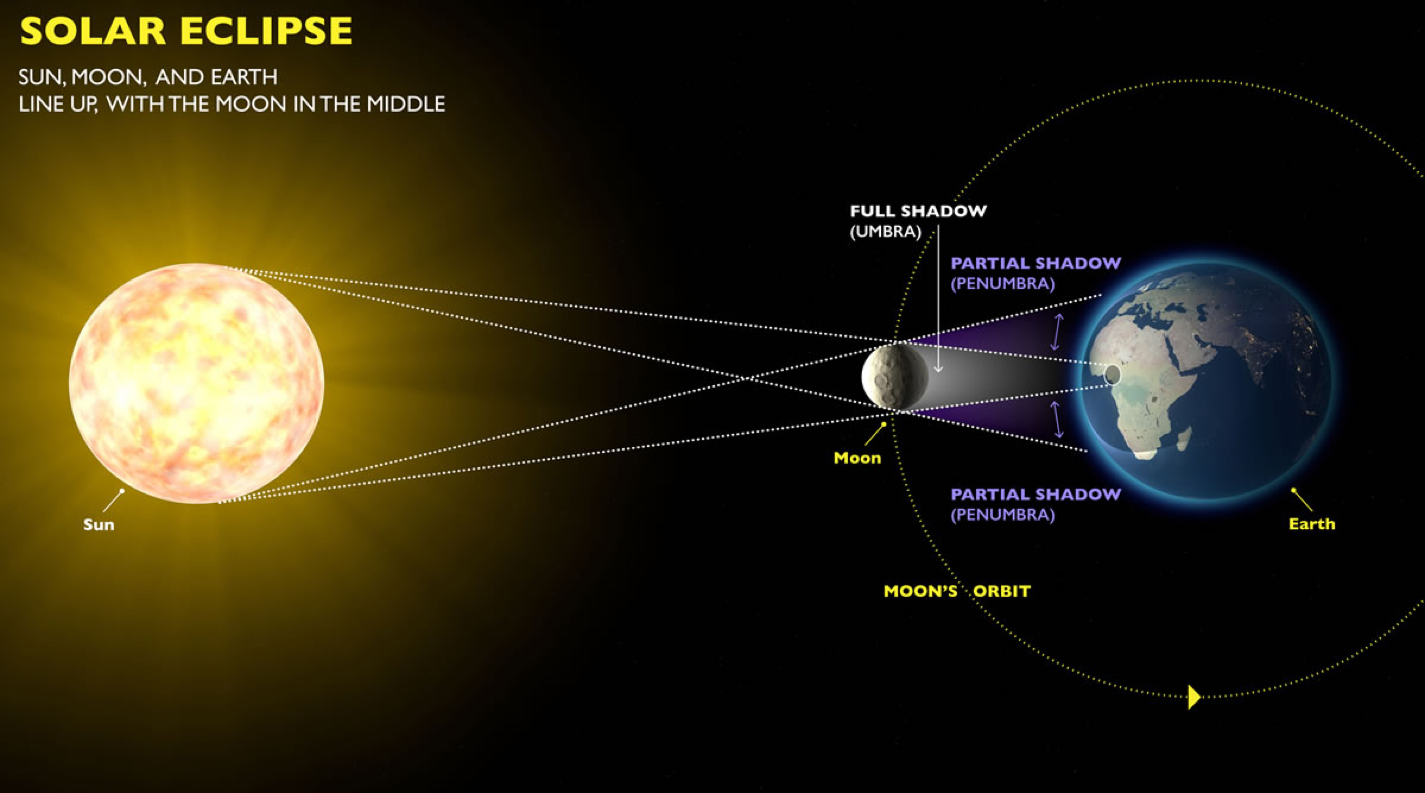
The foundation of eclipse prediction lies in our understanding of orbital mechanics, governed by the laws of physics. However, translating these laws into observable predictions requires powerful computing. Scientists employ complex mathematical models that account for the gravitational interactions of not just the Earth and Moon, but also the Sun and other planets, which subtly influence their paths. These models incorporate minute variations in orbital parameters, such as the eccentricity of orbits and the inclination of the Moon’s orbital plane relative to the Earth’s.
Specialized software suites, often running on supercomputers, process decades—even centuries—of observational data to refine these orbital parameters. This allows astronomers to project the Moon’s shadow cone onto Earth’s surface with astonishing accuracy, forecasting the start, peak, and end times of an eclipse for any given location, down to the second. This computational prowess ensures that researchers, eclipse chasers, and the general public can prepare for an eclipse years, or even decades, ahead of time.
AI-Driven Simulations and Forecasting
Recent advancements in artificial intelligence (AI) and machine learning (ML) are further enhancing eclipse prediction. While traditional methods are robust, AI can identify subtle patterns and anomalies in orbital data that might be missed by human analysis or simpler algorithms. ML models can be trained on vast historical eclipse data, allowing them to refine predictions and even forecast long-term trends in eclipse occurrences with greater efficiency.
AI also plays a crucial role in creating highly detailed simulations of eclipses. These simulations can model not just the shadow path, but also the appearance of the Sun’s corona under various atmospheric conditions, aiding scientific research and public outreach. By processing complex atmospheric data, AI can predict how light will scatter, offering more realistic virtual representations of what observers will see. This fusion of traditional physics-based models with AI-driven pattern recognition marks a new frontier in celestial forecasting, promising even greater precision and deeper insights into these cosmic alignments.
Gadgets and Gear: Safely Witnessing the Cosmic Dance
Experiencing a solar eclipse safely and effectively relies heavily on specialized technology designed to protect our vision and enhance the viewing experience. From simple certified filters to advanced photographic equipment, these tools bridge the gap between human perception and astronomical spectacle.
Essential Viewing Technology: Certified Filters and Telescopes
The paramount concern during a solar eclipse is eye safety. Direct viewing of the Sun, even partially eclipsed, can cause permanent retinal damage. This is where certified solar viewing technology becomes indispensable. Solar filters, typically made from specialized polymer or Mylar coated with a thin layer of aluminum, chromium, or silver, are designed to block over 99.999% of visible light and nearly all ultraviolet and infrared radiation. These filters are not mere sunglasses; they must meet stringent international safety standards (e.g., ISO 12312-2) to be deemed safe.
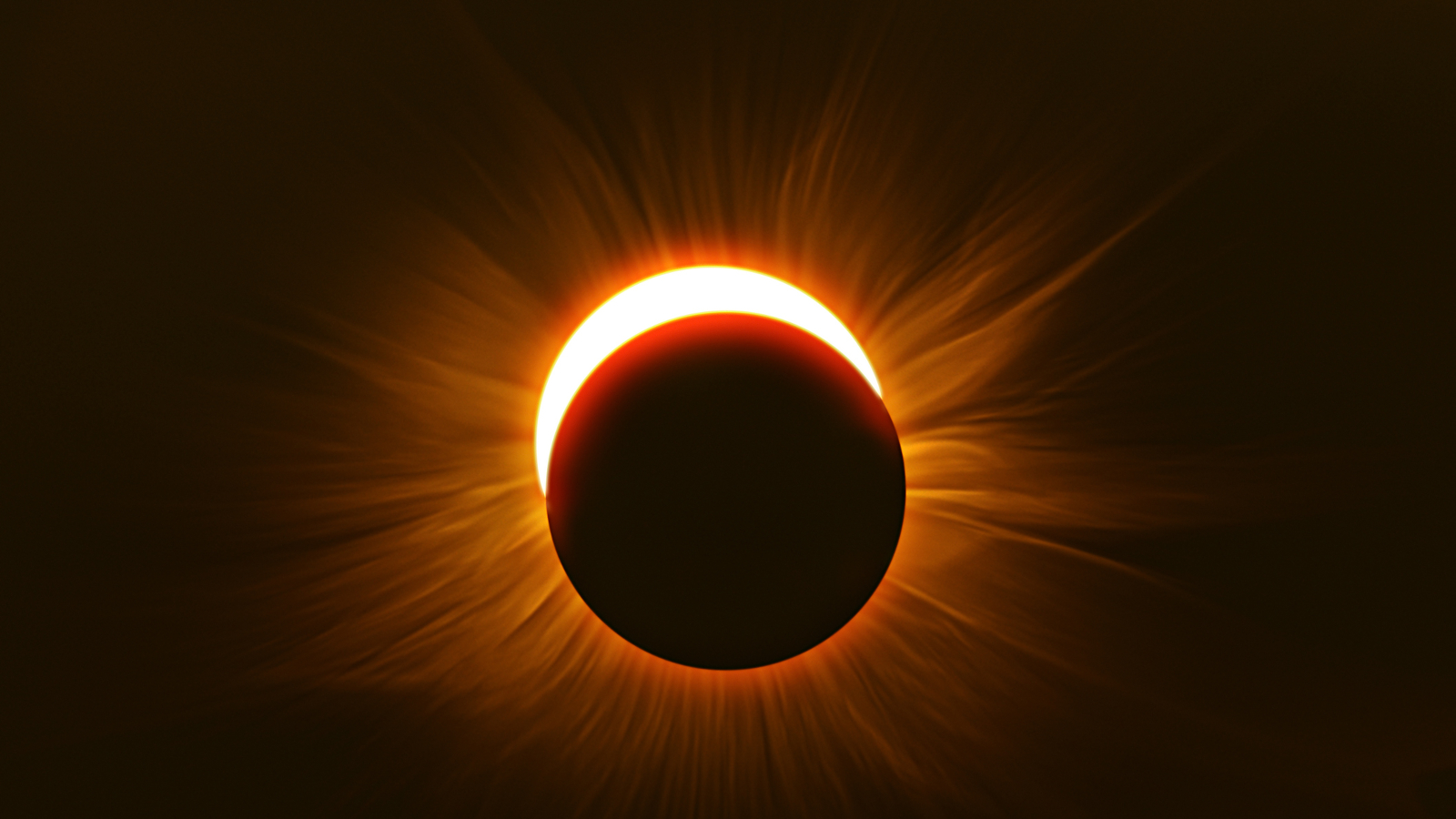
For magnified views, telescopes and binoculars require their own aperture filters, which are placed over the front of the instrument, not at the eyepiece. These professional-grade filters are critical for projecting a safe image or allowing direct observation of solar features like sunspots without risking eye injury. The technology ensures that observers can witness the progression of the eclipse, the stunning diamond ring effect, and the delicate structures of the corona during totality, all without harm.
Capturing the Moment: Advanced Photography Equipment
Documenting a solar eclipse is a highly technical endeavor, pushing the limits of photographic equipment. Capturing the full dynamic range of an eclipse, from the blinding brilliance of the Sun’s photosphere just before totality to the ethereal glow of the corona, requires sophisticated camera bodies, lenses, and accessories.
Digital Single-Lens Reflex (DSLR) and mirrorless cameras equipped with telephoto lenses are preferred, often paired with motorized equatorial mounts to track the Sun’s apparent motion across the sky, preventing star trails in long exposures. Crucially, a solar filter is mandatory for lenses during the partial phases to protect the camera’s sensor and allow for proper exposure. During totality, when the Sun’s visible disk is completely obscured, the filter must be removed to capture the fainter corona.
Photographers often employ techniques like exposure bracketing, where multiple photos are taken at different exposure settings and later combined using software. This high dynamic range (HDR) imaging allows for a final image that faithfully represents the broad range of brightness seen during the eclipse, from the inner corona’s intense glow to the fainter streamers extending millions of miles into space. Specialized software is then used for post-processing, stacking images, and enhancing details, turning raw data into breathtaking visual records.
Mobile Apps for Real-time Tracking and Safety
The ubiquity of smartphones has made eclipse information more accessible than ever. A plethora of mobile applications leverage GPS and astronomical data to provide real-time information to users. These apps can pinpoint an observer’s location and provide precise timings for the eclipse’s various phases, including ingress, maximum totality, and egress.
Beyond timing, many apps incorporate safety features, guiding users on when to wear and remove solar filters, and offering reminders about eye protection. Some even include augmented reality (AR) features, allowing users to point their phone at the sky and see a digital overlay of the Sun’s path, the Moon’s position, and the projected eclipse progression. These tools democratize eclipse viewing, making it safer and more informative for millions who might not have access to specialized equipment or expert guidance.
Beyond the Eye: Scientific Data Collection and Digital Insights
While the visual spectacle of an eclipse is captivating, its scientific value is immensely amplified by advanced technology that collects data far beyond what the human eye can perceive. This information drives new discoveries about our Sun, Earth’s atmosphere, and the fundamental laws of physics.
Satellite Observatories and Ground-Based Instrumentation
During an eclipse, scientists deploy a diverse array of instruments, both on Earth and in space. Ground-based observatories utilize specialized telescopes equipped with spectrographs, magnetographs, and coronagraphs (which artificially block the Sun’s disk) to study the Sun’s corona—its outermost atmosphere—which is usually masked by the Sun’s overwhelming brightness. During totality, when the Moon naturally blocks the bright disk, these instruments can capture unprecedented detail about the corona’s structure, temperature, and magnetic fields.
Space-based observatories, like NASA’s Solar Dynamics Observatory (SDO) or the Parker Solar Probe, offer continuous solar monitoring. While not directly witnessing Earth-based eclipses in the same way, they provide crucial context, tracking solar flares, coronal mass ejections, and the overall solar activity leading up to and during an eclipse. Combining data from both ground and space instruments provides a comprehensive, multi-spectral view of the Sun’s behavior and how the eclipse affects Earth’s atmosphere and ionosphere.
Leveraging Software for Coronal Research
The vast amounts of data collected during an eclipse, from images captured in various wavelengths to spectroscopic measurements, necessitate powerful software for analysis. Image processing algorithms are crucial for enhancing faint coronal features, removing atmospheric distortions, and correcting for instrumental artifacts. Scientists use advanced computational fluid dynamics (CFD) software to model the plasma flows and magnetic field lines within the corona, attempting to understand why it is millions of degrees hotter than the Sun’s surface.
Machine learning algorithms are increasingly applied to identify subtle patterns in coronal data that might indicate impending solar storms or provide clues about the mechanisms driving solar wind. By analyzing variations in brightness, polarization, and spectral lines, software helps researchers map the corona’s temperature, density, and velocity structure. These digital insights are pivotal in advancing our understanding of fundamental solar physics, predicting space weather, and safeguarding our technological infrastructure reliant on satellite communication and power grids.
Digital Engagement and Global Accessibility
Beyond observation and scientific data, technology ensures that the solar eclipse becomes a globally shared experience, accessible to millions regardless of their geographical location or access to specialized gear.
Virtual Viewing Experiences and Live Streams
For those outside the path of totality or unable to travel, live streaming technology provides an invaluable window into the eclipse. Major observatories, scientific organizations, and even amateur astronomers deploy high-definition cameras equipped with solar filters, broadcasting the event in real-time across platforms like YouTube, NASA TV, and social media. These streams often include expert commentary, providing educational context and answering viewer questions.
Virtual reality (VR) and augmented reality (AR) are also emerging as powerful tools for immersive eclipse experiences. VR applications can simulate the view from various locations, allowing users to “experience” totality with 360-degree views, while AR apps overlay celestial mechanics onto the user’s real-world environment, making abstract concepts tangible. These digital avenues ensure that the awe and educational value of an eclipse can be shared by a global audience simultaneously.
Educational Apps and Augmented Reality
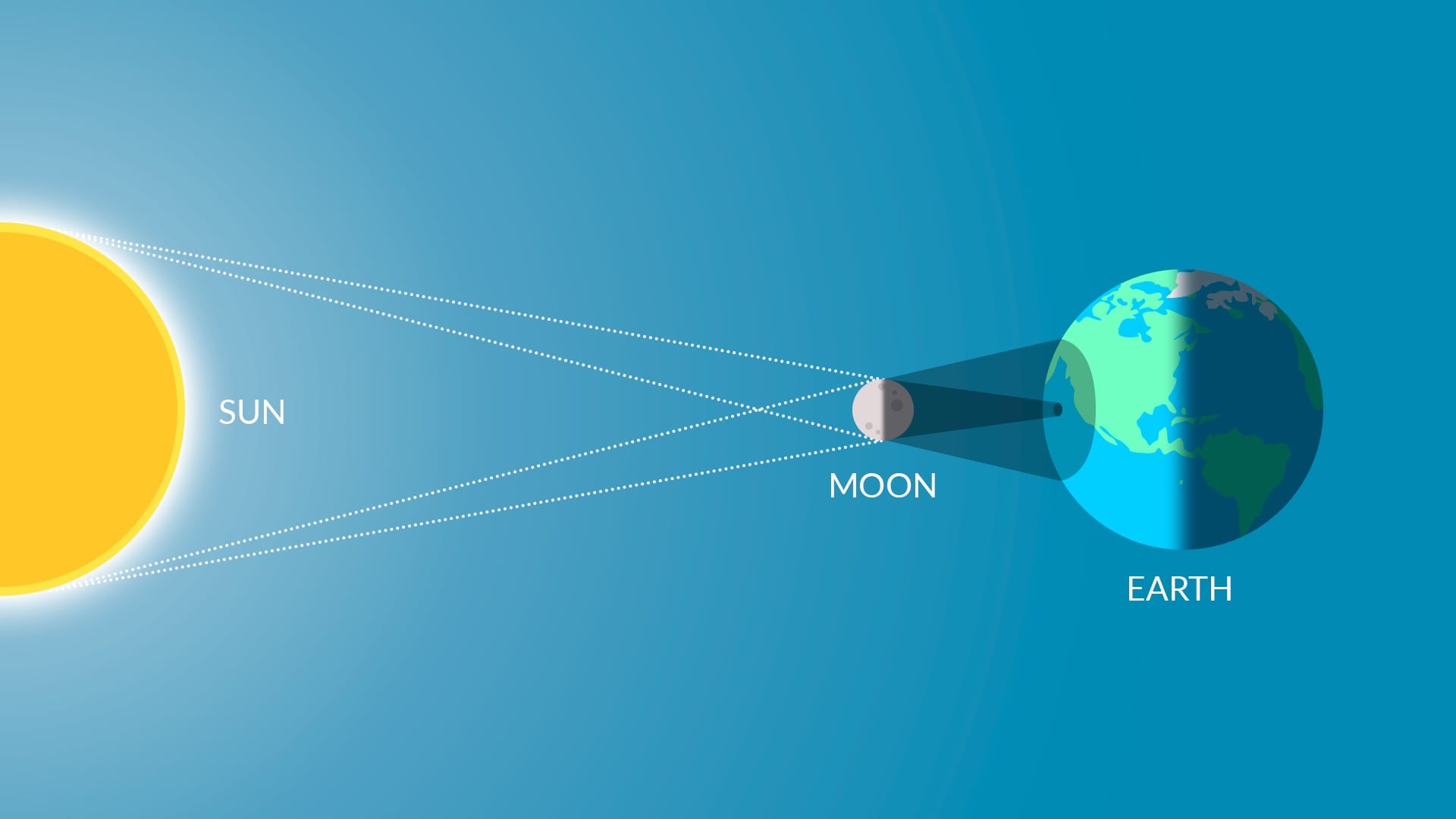
The power of an eclipse extends beyond a fleeting visual event; it serves as a powerful educational tool. Dedicated educational apps leverage interactive 3D models of the Earth-Moon-Sun system, allowing users to manipulate celestial bodies and understand the geometry behind eclipses. These applications often feature simulations, historical information, and safety guidelines presented in engaging formats.
Augmented reality apps, specifically, can transform a smartphone or tablet into a portable planetarium, projecting the Sun, Moon, and Earth models onto a physical space. Users can see how these bodies align to cause an eclipse, visualize the shadow path across the globe, and even simulate the view from their exact location. By integrating complex astronomical data with interactive digital experiences, these technologies foster scientific literacy and inspire curiosity about the cosmos, making the intricacies of “what happens in a solar eclipse” comprehensible and engaging for learners of all ages.
aViewFromTheCave is a participant in the Amazon Services LLC Associates Program, an affiliate advertising program designed to provide a means for sites to earn advertising fees by advertising and linking to Amazon.com. Amazon, the Amazon logo, AmazonSupply, and the AmazonSupply logo are trademarks of Amazon.com, Inc. or its affiliates. As an Amazon Associate we earn affiliate commissions from qualifying purchases.