
The story of Backpage.com is a stark and cautionary tale in the annals of digital branding, a narrative that charts a path from a seemingly innocuous online classifieds site to a notorious platform synonymous with human trafficking, ultimately leading to its spectacular and legally enforced demise. It serves as a powerful case study for any digital enterprise on the critical importance of brand stewardship, ethical governance, and the devastating consequences of negligence, particularly when a platform’s reach intersects with societal vulnerabilities.
The Genesis of a Digital Classifieds Powerhouse
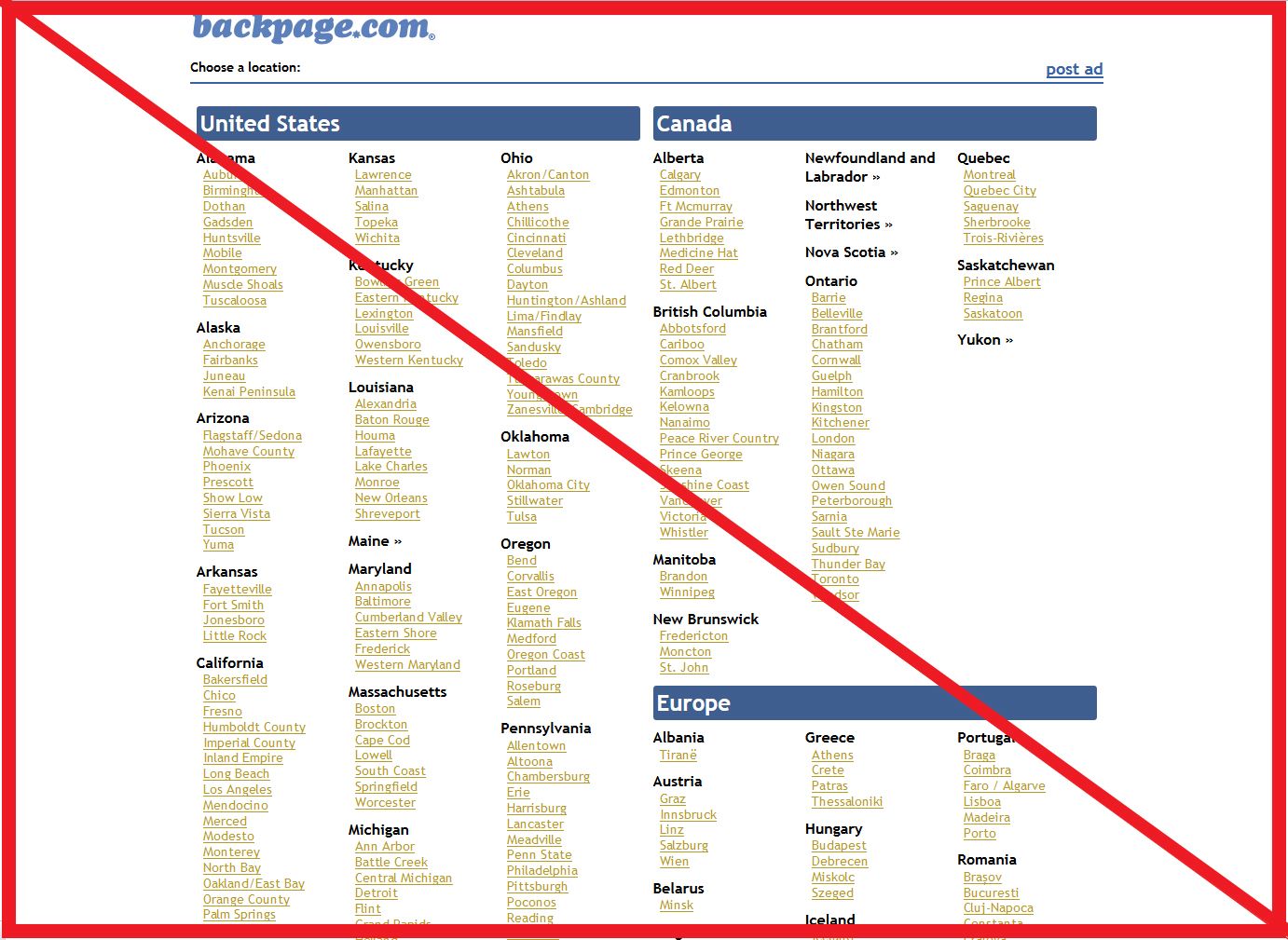
Launched in 2004 by the founders of New Times and Village Voice Media, Backpage.com emerged onto a burgeoning digital landscape hungry for online classifieds. Initially, its brand promise was straightforward: a convenient, accessible platform for buying, selling, and connecting, much like its contemporary, Craigslist. In an era where digital marketplaces were rapidly replacing their print counterparts, Backpage sought to carve out its niche by offering a wide array of categories, from real estate and jobs to automotive and personal ads.
From Niche to Mainstream
Backpage quickly gained traction, leveraging the familiarity of its parent companies’ print classifieds heritage and translating it into a robust online experience. Its user interface was intuitive, and the barrier to entry for posting ads was low, encouraging widespread adoption. The site’s comprehensive listings attracted a diverse user base, and it became a significant player in the digital classifieds market. Its brand identity, in these early years, was that of a functional, democratic platform, enabling peer-to-peer transactions and community connections. It thrived on the anonymity and broad reach that the internet afforded, becoming a go-to destination for millions seeking to advertise goods, services, or personal connections.
The Promise of Anonymity and Reach
A key component of Backpage’s early brand appeal was the promise of anonymity and expansive reach. Users could post classifieds with relative ease, often without extensive verification, which contributed to its rapid growth. This operational model, while convenient for legitimate users, also inadvertently laid the groundwork for severe brand degradation. The lack of stringent oversight and the site’s policy of minimal content moderation, particularly in its adult services sections, would prove to be its ultimate undoing, transforming its initial brand promise of open access into a conduit for illicit activities.
The Erosion of Trust: A Brand Under Siege
As Backpage grew, a darker aspect of its operations began to overshadow its initial brand identity. The “adult services” section, intended for legitimate adult entertainment listings, started to be exploited by criminals. The very features that fueled its early success – ease of posting and relative anonymity – became fertile ground for illegal activities, primarily human trafficking, particularly involving minors.
Content Moderation Failures and Legal Loopholes
The heart of Backpage’s brand crisis lay in its systemic failure to implement effective content moderation. Despite increasing awareness and warnings about illicit activities on its platform, the company repeatedly maintained that it was merely a neutral platform, protected by Section 230 of the Communications Decency Act, which shields website operators from liability for third-party content. This legal stance, while technically plausible for a time, showcased a profound disconnect from ethical corporate responsibility and brand stewardship. The brand’s image rapidly deteriorated as it became perceived not merely as a platform for problematic content, but as an enabler of serious crimes.
The Dark Underbelly: Association with Illicit Activities
The brand’s association with human trafficking, particularly child sex trafficking, escalated from an unfortunate byproduct to its defining characteristic. Law enforcement agencies, anti-trafficking organizations, and media outlets increasingly pointed to Backpage as a primary digital hub for such crimes. This constant, damning association fundamentally altered the public’s perception of Backpage. It was no longer just a classifieds site; it was seen as a facilitator of exploitation, a brand stained by the most heinous accusations imaginable. This public perception created an unrecoverable deficit of trust, positioning Backpage as a pariah rather than a helpful digital service.
Activism, Outcry, and Mounting Pressure
The outcry against Backpage was sustained and widespread. Activist groups, survivors of trafficking, politicians, and celebrities joined forces, advocating for the site’s shutdown. Boycotts, protests, and intense media scrutiny became commonplace. This public pressure exerted a massive toll on Backpage’s brand equity, rendering it virtually toxic. Advertisers, even legitimate ones, began to distance themselves, unwilling to be associated with a brand facing such severe moral and legal accusations. The narrative shifted from one of a controversial platform to one of an actively harmful enterprise, demanding intervention.

The Inevitable Collapse: A Brand’s Demise
The relentless pressure, coupled with mounting evidence of its complicity, ultimately sealed Backpage’s fate. What began as a brand challenge evolved into a full-blown legal and operational catastrophe that led to its complete obliteration.
Legal Battles and Federal Intervention
State and federal authorities launched numerous investigations into Backpage’s operations and its executives. Prosecutors argued that the company was not merely hosting third-party content but actively editing, moderating, and monetizing ads for illicit services, thus shedding its Section 230 protections. The legal battles were complex and drawn out, but the consistent theme was the company’s alleged knowing facilitation of illegal activities and its failure to act responsibly as a digital steward. This legal onslaught further cemented the public’s perception of Backpage as a criminal enterprise masquerading as a legitimate business.
Operation “Backpage” and Seizure
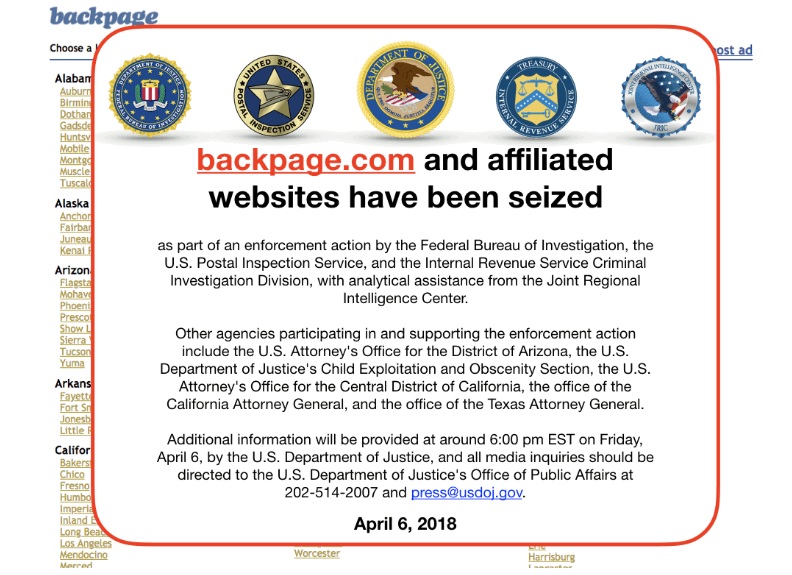
The culmination of these efforts came in April 2018 with “Operation Backpage,” a coordinated federal law enforcement action. The U.S. Department of Justice seized Backpage.com and related websites, shutting them down permanently. Seven individuals associated with Backpage, including its founders Michael Lacey and James Larkin, were indicted on charges of facilitating prostitution and money laundering. This dramatic, public seizure was the definitive end of the Backpage brand, not as a business pivot or decline, but as a total legal vanquishment. It sent an unequivocal message about the consequences of corporate negligence and the boundaries of legal immunity for online platforms.
Consequences and Lessons Learned
The demise of Backpage was a monumental event, marking a significant victory for anti-trafficking advocates and a turning point in how society and law enforcement view platform accountability. For the individuals involved, it meant criminal charges and convictions. For the digital landscape, it underscored the critical need for robust content moderation, ethical guidelines, and proactive measures to prevent exploitation. The Backpage brand, once a rising star in classifieds, became a historical footnote, an indelible example of how a brand can be utterly destroyed by a fundamental failure of corporate ethics and responsibility.
Beyond Backpage: Repercussions for Digital Brands
The saga of Backpage.com transcended the individual platform, sending shockwaves across the entire digital ecosystem. Its downfall served as a brutal awakening for technology companies, forcing a reassessment of their responsibilities beyond mere technological facilitation.
Redefining Platform Accountability
The Backpage case significantly contributed to a re-evaluation of Section 230 and the broader concept of platform accountability. It highlighted that while platforms might not be publishers in the traditional sense, their active participation, monetization, and apparent willful blindness to illegal content could erode their legal protections. This led to increased scrutiny and calls for greater self-regulation and robust content moderation from other major tech companies, eager to avoid a similar fate. The brand lesson here is clear: legal protection does not absolve a brand of its moral and ethical obligations to its users and to society at large.
The Unforeseen Costs of Negligence
Backpage’s story is a stark reminder that the costs of brand negligence extend far beyond financial losses. They encompass criminal charges for executives, the destruction of a business, severe reputational damage, and a profound societal impact. Any brand operating in the digital space must understand that an inadequate investment in governance, risk management, and ethical content policies can lead to existential threats, regardless of initial market success. The brand’s perceived value shifts from its utility to its societal impact, and if that impact is negative, the brand becomes untenable.
A Cautionary Tale for the Digital Age
Ultimately, “what happened to Backpage” is more than just a historical account of a website’s collapse; it is a profound cautionary tale for all digital brands. It illustrates the immense power of online platforms to connect people and facilitate commerce, but also their perilous potential to be misused and exploited. For brands in the digital age, it underscores that long-term success hinges not just on innovation or market share, but on unwavering ethical conduct, proactive responsibility, and a deep commitment to protecting users and upholding societal values. The brand that fails to grasp this fundamental principle risks not just decline, but total obliteration.
aViewFromTheCave is a participant in the Amazon Services LLC Associates Program, an affiliate advertising program designed to provide a means for sites to earn advertising fees by advertising and linking to Amazon.com. Amazon, the Amazon logo, AmazonSupply, and the AmazonSupply logo are trademarks of Amazon.com, Inc. or its affiliates. As an Amazon Associate we earn affiliate commissions from qualifying purchases.