
The landscape of corporate diversity, equity, and inclusion (DEI) has undergone a significant transformation, largely catalyzed by pivotal legal decisions concerning affirmative action. For brands, understanding these shifts is not merely a matter of compliance, but a critical imperative for maintaining reputation, fostering a cohesive corporate identity, and effectively engaging with stakeholders. The evolution of affirmative action policies necessitates a strategic recalibration of how companies define, articulate, and execute their commitment to diversity, impacting everything from talent acquisition to market positioning.
The Shifting Legal Landscape and its Brand Repercussions
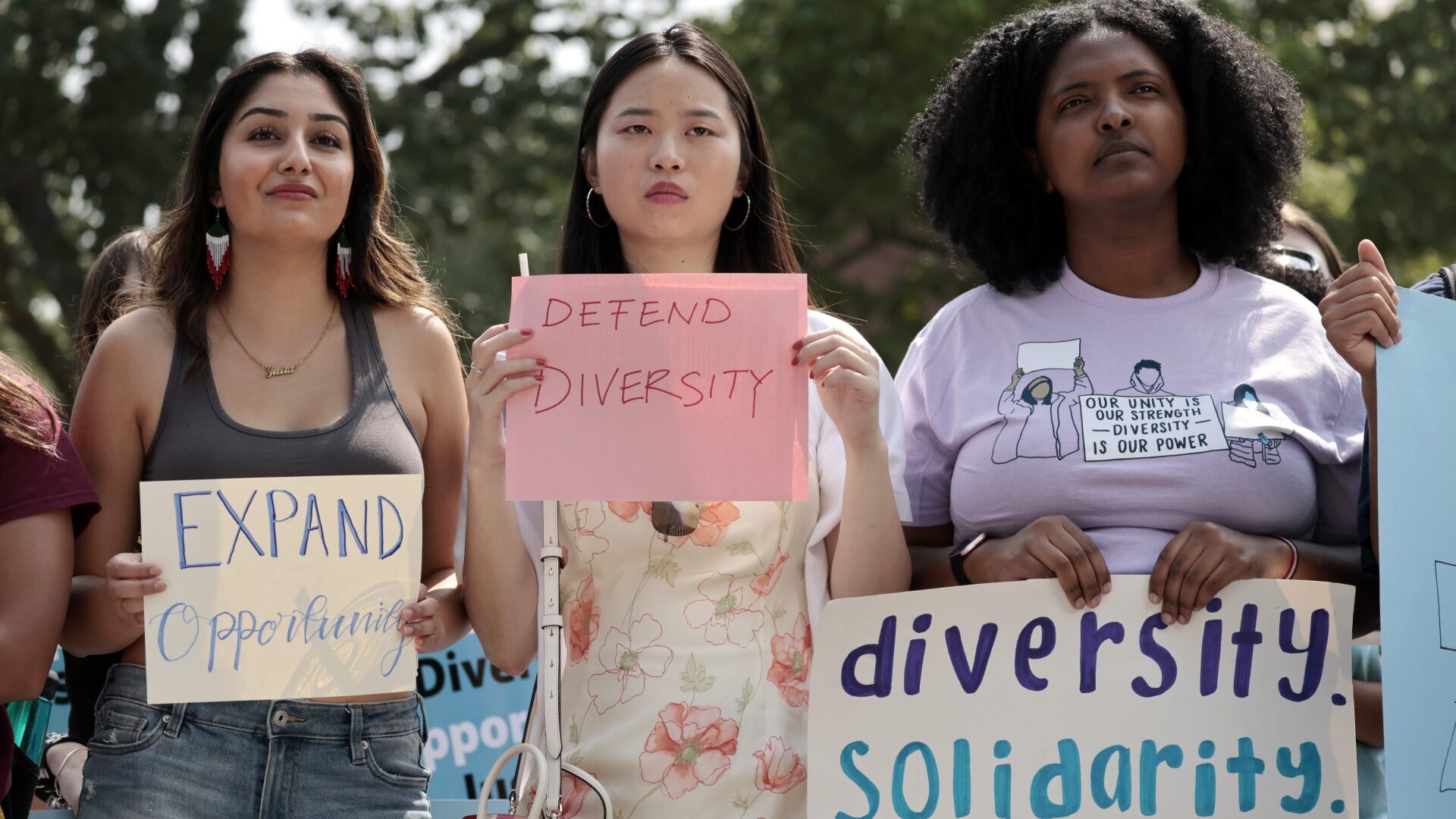
In June 2023, the U.S. Supreme Court delivered a landmark ruling in Students for Fair Admissions (SFFA) v. Harvard and SFFA v. University of North Carolina, effectively ending the consideration of race as a factor in college admissions. While these decisions directly addressed higher education, their implications reverberated immediately through the corporate world, prompting widespread introspection and strategic adjustments to DEI initiatives.

Recalibrating DEI Communications
The immediate aftermath saw many organizations reviewing their public-facing DEI statements and internal communications. Brands, long accustomed to explicitly stating diversity goals that sometimes aligned with the spirit of affirmative action, suddenly faced a new legal and public relations environment. The challenge became how to champion diversity without inadvertently inviting legal scrutiny or appearing to circumvent the new judicial precedent. This often led to a pivot from explicit quantitative targets based on demographic categories to broader commitments focused on creating equitable opportunities, fostering inclusion, and valuing diverse perspectives and experiences.
The Rise of “Race-Neutral” Strategies
For brands, the shift has accelerated the adoption of “race-neutral” strategies in various facets of their operations. In recruitment and talent development, this means an increased emphasis on skills-based hiring, blind resume reviews, diverse interview panels, and investing in pipeline programs that target socio-economically disadvantaged communities without explicit racial preferences. From a brand perspective, communicating these strategies effectively demonstrates a commitment to fairness and meritocracy, while still aiming for diverse outcomes that enrich the corporate culture and market reach. The messaging often highlights the belief that a diverse workforce, irrespective of how it is achieved, leads to superior innovation, problem-solving, and market understanding—a powerful brand value proposition.
Redefining Corporate Identity and Values in a Post-Affirmative Action Era
Beyond mere communication, the changes to affirmative action have forced brands to fundamentally re-evaluate how DEI is woven into their core corporate identity and values. It’s no longer sufficient for diversity to be a siloed initiative; it must be an intrinsic component of the brand’s promise to employees, customers, and the wider community.
Authenticity as a Brand Cornerstone
In this new environment, authenticity in DEI efforts has become paramount. Brands must demonstrate that their commitment to diversity stems from genuine values and a strategic understanding of its benefits, rather than solely from a desire to comply with external pressures. This involves a deep internal audit of corporate culture, leadership commitment, and equitable practices across all levels of the organization. A brand’s identity is built on trust, and a perceived lack of sincerity in DEI can lead to significant reputational damage, eroding employee morale and consumer loyalty. For instance, brands are now focusing on the processes that lead to diversity, such as ensuring equitable access to opportunities, fostering inclusive work environments, and developing talent from underrepresented backgrounds through mentorship and sponsorship programs.
Embedding DEI Beyond Compliance
For leading brands, DEI is increasingly understood as a business imperative linked to innovation, market relevance, and financial performance. This means integrating DEI principles into product development, service delivery, and market engagement strategies. A brand’s identity is reinforced when its diverse workforce is reflected in its customer base and its offerings resonate with a broad spectrum of consumers. The post-affirmative action landscape encourages brands to frame diversity not as a quota, but as an enhancement of their overall capabilities and market positioning. This includes:
- Inclusive Product Design: Designing products and services that cater to diverse user needs and experiences.
- Diverse Supply Chains: Partnering with a diverse array of suppliers and vendors, reinforcing commitment to economic equity.
- Global Perspectives: Leveraging a global workforce to gain insights into diverse international markets and cultures.
These actions reinforce a brand’s identity as forward-thinking, socially responsible, and deeply connected to the varied communities it serves.
Marketing and Employer Branding in the New Environment

The implications of affirmative action changes are particularly profound for marketing and employer branding. Brands must adapt their messaging to attract and retain top talent, as well as resonate with a diverse consumer base, all while navigating a heightened sensitivity around explicit diversity statements.
Crafting Inclusive Employer Brand Narratives
Employer branding, in particular, requires a nuanced approach. While direct references to racial or gender-specific hiring targets may be reconsidered, the fundamental goal of attracting a diverse workforce remains critical for innovation and competitive advantage. Brands are now focusing on communicating their commitment to creating inclusive workplaces where all employees feel valued, supported, and have opportunities for growth. This involves:
- Highlighting an Inclusive Culture: Showcasing stories of individual success, mentorship, and employee resource groups (ERGs) that foster belonging.
- Emphasizing Equity and Opportunity: Messaging that stresses fair processes, career development paths accessible to all, and leadership commitment to removing barriers.
- Showcasing Diverse Leadership: Featuring diverse individuals in leadership roles to demonstrate pathways for advancement and inspire potential candidates.
The goal is to build an employer brand that organically attracts diverse talent by projecting a genuinely equitable and inclusive environment, rather than relying on prescriptive demographic goals.
Engaging Diverse Consumers Through Authentic Storytelling
Consumer marketing also requires careful calibration. Brands that have successfully cultivated a diverse customer base often do so through authentic representation and inclusive storytelling. The new environment reinforces the importance of moving beyond tokenism to genuinely reflect the diversity of society in advertising and promotional materials. This includes:
- Authentic Representation: Featuring diverse individuals in a natural and respectful manner, avoiding stereotypes.
- Inclusive Narratives: Developing campaigns that resonate with a wide range of cultural backgrounds and experiences.
- Community Engagement: Sponsoring events and initiatives that support diverse communities, demonstrating a commitment beyond commercial transactions.
By focusing on shared values, universal experiences, and the richness of human diversity, brands can build stronger connections with a broader consumer base without directly invoking policies that may now be subject to stricter legal interpretations.
Navigating Public Perception and Stakeholder Expectations
In the wake of affirmative action changes, brands face the ongoing challenge of managing public perception and meeting the diverse expectations of various stakeholders, from employees and customers to investors and advocacy groups.
Transparency and Proactive Communication
Transparency has become a crucial element of brand strategy. Brands are expected to clearly articulate their continued commitment to DEI, outlining the specific actions they are taking to foster diversity and inclusion within legal parameters. This includes regular reporting on workforce diversity (while being mindful of how data is presented), progress on equitable pay, and inclusive workplace initiatives. Proactive communication helps to preempt misunderstandings and demonstrates a brand’s dedication to its values, even when policy frameworks change. Engaging with stakeholders through open dialogues and feedback mechanisms can also help brands adjust their strategies and messaging in real-time.
ESG and Brand Reputation
Environmental, Social, and Governance (ESG) criteria increasingly influence investor decisions and consumer choices. Diversity, as a key component of the “Social” aspect of ESG, remains a significant factor in how brands are perceived. Companies that fail to demonstrate a robust and authentic commitment to DEI risk not only reputational damage but also financial implications from investors prioritizing socially responsible practices. Brands must therefore integrate their DEI efforts into their broader ESG reporting, showcasing their dedication to building an equitable and inclusive enterprise as a fundamental part of their long-term value creation.
The Future of DEI as a Brand Imperative
The recent changes to affirmative action do not signal an end to the imperative for diversity; rather, they demand a more strategic, intentional, and brand-centric approach. For brands, DEI is no longer just a regulatory concern but a fundamental driver of business success, innovation, and stakeholder trust.
Successful brands will be those that deeply embed DEI into their organizational DNA, viewing it as an inherent part of their identity and value proposition. This means:
- Leadership Accountability: Ensuring that diversity and inclusion are top-down priorities, with clear metrics and accountability for leaders.
- Systemic Change: Focusing on equitable systems and processes, rather than just individual outcomes, to create a truly inclusive environment.
- Continuous Learning and Adaptation: Remaining agile and responsive to evolving societal expectations and legal frameworks, continually refining DEI strategies.
Ultimately, the future of DEI as a brand imperative lies in its integration into every facet of a company’s operations and communications. Brands that genuinely champion inclusion, fairness, and opportunity for all will not only navigate the current landscape but will emerge stronger, more resilient, and more relevant in an increasingly diverse global marketplace.
aViewFromTheCave is a participant in the Amazon Services LLC Associates Program, an affiliate advertising program designed to provide a means for sites to earn advertising fees by advertising and linking to Amazon.com. Amazon, the Amazon logo, AmazonSupply, and the AmazonSupply logo are trademarks of Amazon.com, Inc. or its affiliates. As an Amazon Associate we earn affiliate commissions from qualifying purchases.