
The dramatic events that unfolded in Libya over the past decade and a half represent more than a political upheaval or a humanitarian crisis; they signify a profound financial dislocation with far-reaching implications for global markets, energy security, and the wealth of a nation. To truly understand “what happened Libya” from a money perspective, one must delve into the macroeconomic shocks, the destruction of financial infrastructure, the volatility in commodity markets, and the staggering costs of conflict and potential reconstruction that continue to challenge the international financial community.
Geopolitical Instability and Global Market Volatility
Libya, an OPEC member with Africa’s largest proven oil reserves, has historically been a significant player in the global energy market. The abrupt and prolonged instability following 2011 sent tremors through international finance, highlighting the interconnectedness of geopolitical stability and economic well-being.

Oil Price Swings and Energy Investment Decisions
The immediate aftermath of the initial uprising saw a sharp drop in Libya’s oil production, from approximately 1.6 million barrels per day (bpd) to less than 200,000 bpd at its lowest points. This significant reduction in supply directly contributed to increased volatility in global oil prices. For investors, this meant heightened risk and uncertainty in energy portfolios. Oil majors faced decisions about withdrawing personnel and halting investment in exploration and production, impacting their balance sheets and future revenue projections. Commodity traders had to navigate unpredictable supply disruptions, leading to speculative price movements. The ripple effect extended to national economies reliant on oil imports, facing higher energy costs and inflationary pressures, thus impacting their fiscal budgets and trade balances. Even after partial recoveries in production, the episodic nature of disruptions continued to keep a “Libya risk premium” factored into global oil prices, influencing investment in alternative energy sources and strategic oil reserves.
Sovereign Wealth and Frozen Assets
Prior to the 2011 conflict, Libya’s sovereign wealth fund, the Libyan Investment Authority (LIA), was estimated to hold assets exceeding $60 billion. Designed to invest the nation’s vast oil revenues for future generations, these assets became a focal point during the crisis. International sanctions imposed on the Gaddafi regime led to the freezing of billions of dollars in Libyan state assets held abroad. While intended to prevent the regime from accessing funds, these actions also tied up a substantial portion of Libya’s national wealth, rendering it inaccessible for legitimate state functions, humanitarian aid, or reconstruction efforts for years. The legal complexities surrounding these frozen assets, including disputes over ownership and control, continue to be a significant financial challenge, hindering the country’s ability to manage its national wealth strategically for economic recovery. The management and eventual unfreezing of these funds represent a critical component of Libya’s potential financial resurgence.
Economic Devastation and the Cost of Conflict
The internal conflict and fragmentation of governance have exacted an enormous economic toll on Libya, transforming a once prosperous petro-state into an economy struggling with basic service provision and massive infrastructure deficits.
Destruction of Infrastructure and Loss of Productive Capacity
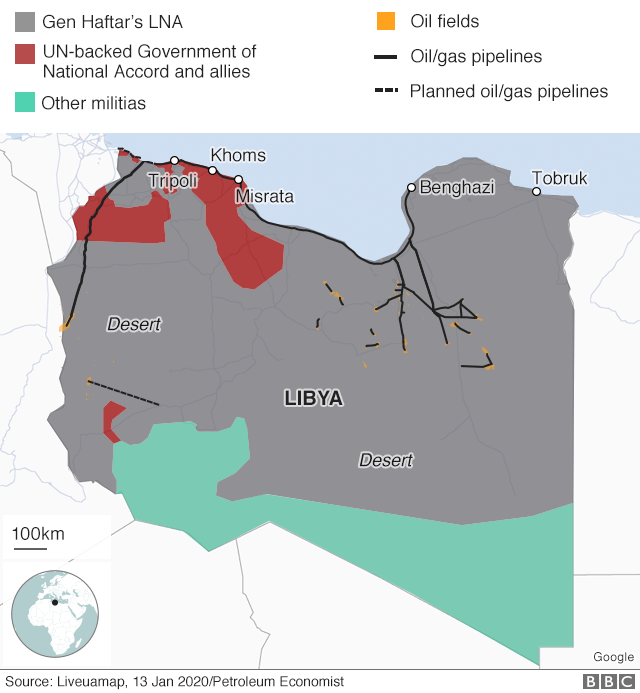
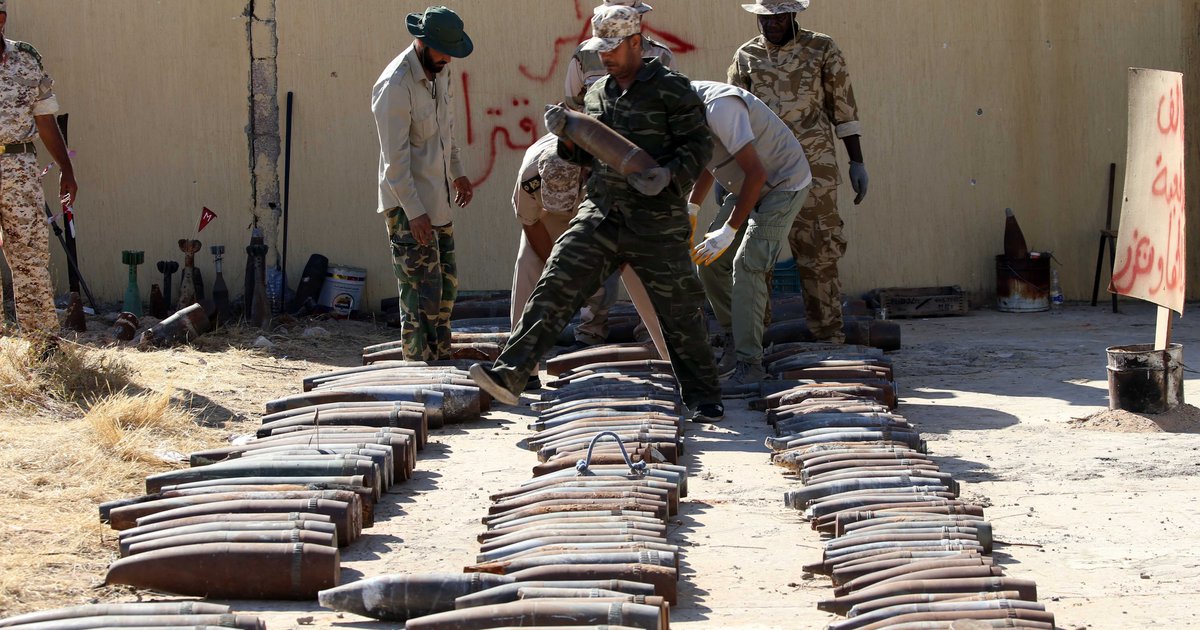
The prolonged conflict has led to widespread damage to critical infrastructure, including oil facilities, pipelines, ports, airports, power plants, and communication networks. The direct cost of repairing or rebuilding this infrastructure is astronomical, running into tens of billions of dollars. Beyond direct damage, the lack of maintenance and investment over a decade has further degraded existing assets. For businesses, this has meant disrupted supply chains, inability to operate, and significant capital losses. The collapse of productive capacity, particularly outside the oil sector, has resulted in high unemployment, particularly among the youth, further exacerbating social and economic instability. The estimated reconstruction costs far exceed Libya’s immediate internal capacity, necessitating substantial international financial assistance and foreign direct investment, neither of which can fully materialize without significant improvements in security and governance.
Financial Institutions Under Strain
Libya’s financial sector, including its central bank and commercial banks, has been severely impacted. The division of political authority led to parallel financial institutions, creating confusion, inefficiency, and opportunities for illicit financial flows. The ability of the Central Bank of Libya to effectively manage monetary policy, maintain currency stability, and oversee the banking sector was severely compromised. Commercial banks struggled with liquidity issues, non-performing loans, and the inability to conduct normal international transactions due to de-risking by global correspondent banks. This breakdown in the financial system has crippled domestic and international trade, making it extremely difficult for businesses to access credit, process payments, or engage in foreign exchange, thus stifling any attempts at economic recovery and diversification.
The Human Cost, Measured in Economic Terms
While the humanitarian tragedy of Libya is immense, it also manifests as a significant economic burden, both domestically and internationally.
Displacement and Erosion of Human Capital
Millions of Libyans have been internally displaced or have sought refuge abroad, leading to a massive loss of human capital. The disruption to education, healthcare, and livelihood opportunities has created a generation facing significant economic challenges. For the country, this represents a depletion of its workforce and entrepreneurial talent, essential for economic reconstruction. The economic burden on host communities and international aid organizations to provide for displaced populations also diverts resources that could otherwise be invested in productive economic activities or development projects. Remittances from Libyans abroad, while providing some support, often cannot compensate for the broader economic losses within the country.
Illicit Economies and Financial Crime
The breakdown of state authority and the prolonged conflict created fertile ground for illicit economic activities. Smuggling networks, human trafficking, and the illicit trade in arms and resources flourished. These activities not only undermine the rule of law but also divert potential legitimate revenues, distort local economies, and further complicate financial governance. The informal economy expanded significantly, meaning less tax revenue for the state and a weakened ability to invest in public services. International efforts to combat financial crime and illicit flows originating from or transiting through Libya have become a complex challenge, impacting global financial security and the integrity of international banking systems.
Libya’s Financial Future: Challenges and Opportunities
Despite the immense challenges, Libya’s significant natural resources and strategic location offer potential pathways to financial recovery, provided stability can be achieved and economic reforms implemented.
Revitalizing the Oil and Gas Sector
The immediate priority for financial recovery remains the stable and efficient operation of the oil and gas sector. Ensuring security for oil fields and export terminals, attracting necessary foreign investment for infrastructure upgrades, and establishing transparent revenue management mechanisms are paramount. A consistent and predictable oil supply would stabilize national revenues, allowing the state to fund essential services and initiate reconstruction projects. However, reliance solely on hydrocarbons is a long-term risk due to global energy transition trends and oil price volatility, necessitating a broader diversification strategy.
Diversification and Sustainable Growth Potential
Beyond oil, Libya possesses potential in other sectors, including tourism (given its rich historical sites and Mediterranean coastline), fisheries, and agriculture in specific regions. Unlocking this potential requires significant investment in infrastructure, human capital development, and a conducive regulatory environment that protects property rights and encourages foreign direct investment. Developing small and medium-sized enterprises (SMEs) is crucial for job creation and economic diversification. The establishment of sound financial institutions, transparent governance, and a unified legal framework would be critical to attracting the necessary capital and expertise to build a more resilient and diversified economy for Libya’s future. The financial challenges facing Libya are immense, but so too are the financial opportunities if the nation can find a path to lasting peace and unified economic governance.
aViewFromTheCave is a participant in the Amazon Services LLC Associates Program, an affiliate advertising program designed to provide a means for sites to earn advertising fees by advertising and linking to Amazon.com. Amazon, the Amazon logo, AmazonSupply, and the AmazonSupply logo are trademarks of Amazon.com, Inc. or its affiliates. As an Amazon Associate we earn affiliate commissions from qualifying purchases.