
The year 1949 stands as a monumental watershed in China’s financial and economic history, marking not merely a change in political leadership but a complete overhaul of its economic system, property rights, and relationship with global capital. The culmination of decades of internal strife, foreign intervention, and the Chinese Civil War, this year witnessed the collapse of an old economic order and the birth of a radically new one, fundamentally reshaping the financial lives of hundreds of millions and charting a course that would echo for generations.
The Pre-1949 Economic Collapse and Hyperinflation
Before the decisive victory of the Communist Party of China (CPC) in 1949, the nation’s economy was in a state of utter disarray, characterized by devastating hyperinflation and a fragile financial infrastructure. The preceding years had seen a relentless decline in economic stability, severely exacerbated by the protracted Sino-Japanese War (1937-1945) and the subsequent all-out civil war between the Nationalist Kuomintang (KMT) and the CPC.
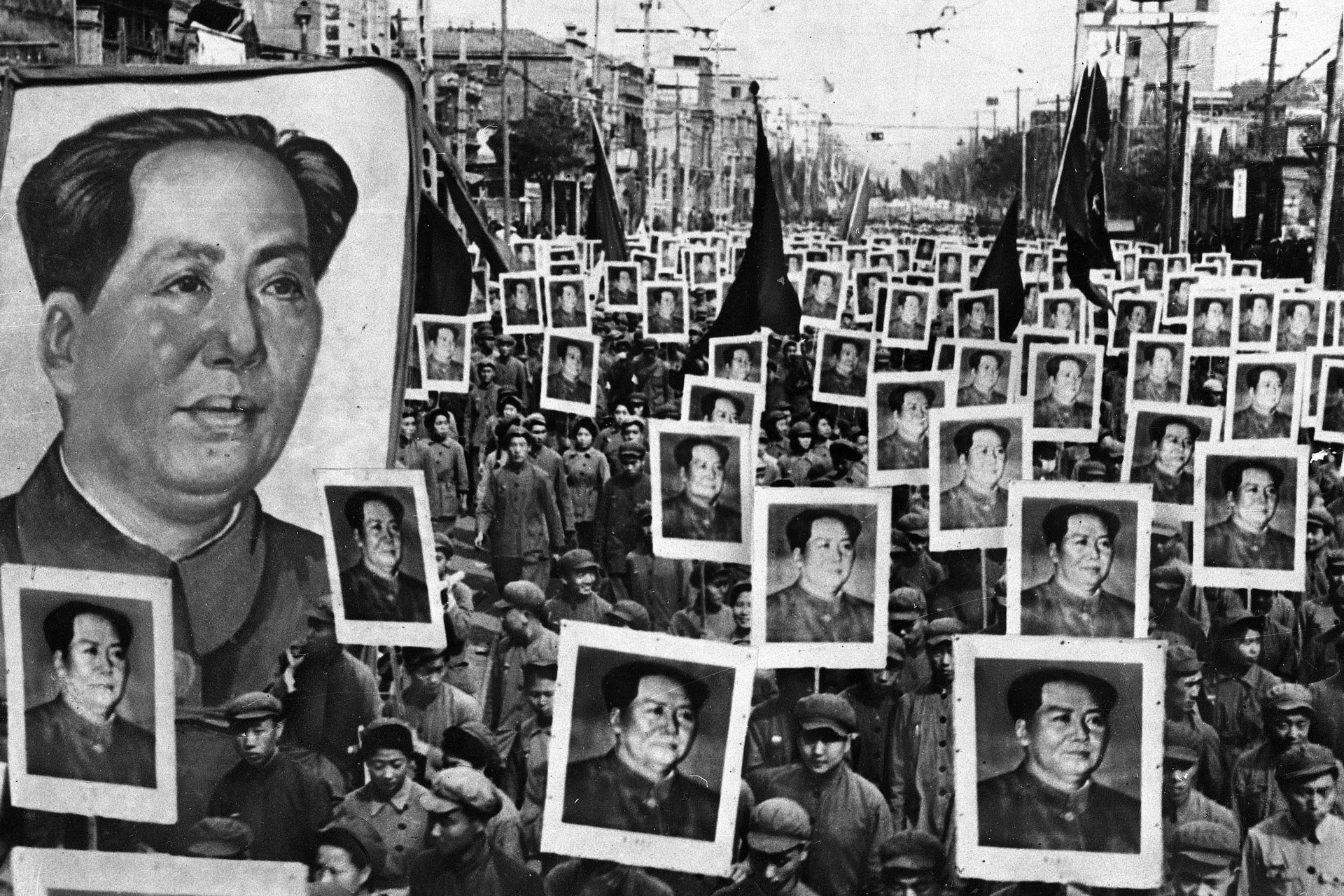
Wreckage of War and Financial Instability
The sheer cost of continuous warfare had crippled agricultural production, destroyed industrial capacity, and severed critical trade routes. The KMT government, under Chiang Kai-shek, had financed its war efforts largely through the printing press, leading to an uncontrolled expansion of the money supply. This inflationary spiral was further fueled by a dwindling tax base, widespread corruption, and a severe shortage of goods. As government revenues plummeted and expenditures soared, the central bank resorted to printing increasingly larger denominations of currency, eroding public trust in the national monetary system.
Business finance was severely impacted. Private enterprises struggled with sourcing raw materials, disrupted supply chains, and the impossible task of planning amidst daily price changes. Capital accumulation was non-existent, and what little savings individuals or businesses held quickly lost their value. Investing became a fool’s errand as real returns were instantly obliterated by inflation. For the average citizen, personal finance became a desperate struggle for survival, with wages becoming worthless almost as soon as they were earned, forcing a rapid conversion of income into tangible goods or foreign currencies.
The Yuan’s Plunge: A Crisis of Confidence
The most visible symptom of China’s economic crisis was the catastrophic depreciation of the Nationalist government’s currency, the Fǎbì (legal tender). By 1949, hyperinflation had reached astronomical levels, making the Fǎbì practically worthless. Prices were rising so rapidly that merchants would update them several times a day. People carried bundles of banknotes that could barely buy a single meal. This monetary chaos devastated the middle class, wiped out savings, and crippled any semblance of a functioning financial market.
The crisis of confidence extended beyond the currency. Foreign capital, which had played a significant role in China’s treaty port economies, began a rapid exodus. International businesses, facing untenable operating conditions, expropriation risks, and the looming political uncertainty, started to liquidate assets and withdraw from the mainland. This withdrawal further starved the economy of investment and access to global financial networks, deepening the economic malaise that the CPC would inherit. The KMT’s desperate attempts at currency reform, such as issuing the Gold Yuan in 1948, proved futile, failing to stem the tide of inflation or restore public faith.
The Communist Party’s Economic Ascendancy and Policy Shifts
The CPC’s victory in 1949 was not just a military triumph but also an economic revolution. Recognizing the dire state of the economy, the new leadership under Mao Zedong immediately embarked on a series of radical policy shifts aimed at stabilizing the economy, redistributing wealth, and establishing a centrally planned financial system.
Establishing a New Economic Order
Upon establishing the People’s Republic of China (PRC) on October 1, 1949, the CPC’s primary economic goals were to end hyperinflation, stabilize prices, and establish state control over the “commanding heights” of the economy. This involved a complete repudiation of the previous capitalist-leaning financial structures and the implementation of a socialist economic model. The new government moved swiftly to consolidate its financial authority, viewing economic stability as crucial for political legitimacy.
Central to this was the concept of public ownership. The CPC believed that private ownership of key industries and land was the root cause of inequality and instability. Consequently, an entirely new framework for business finance and personal wealth management was introduced, one where the state played the dominant role in allocation, production, and distribution. Investment decisions shifted from private hands to state planning committees, marking an end to the rudimentary market mechanisms that had existed.
The Seizure and Nationalization of Assets
One of the most immediate and profound economic actions taken by the CPC was the systematic nationalization of industries and financial institutions. “Bureaucratic capital” – assets owned by KMT officials, their families, and close associates – was seized. This included major banks, factories, railways, and utilities. Foreign-owned enterprises, which had previously operated with varying degrees of autonomy in China, also faced increasing pressure and, ultimately, expropriation or forced sale.
This nationalization process eliminated private sector control over large swathes of the economy, transferring ownership and management to the state. For individual entrepreneurs and industrialists, this meant the end of their independent businesses, with many either fleeing China or adapting to operate under stringent state control. The concept of private property, especially large-scale industrial or financial holdings, was fundamentally re-evaluated and largely abolished, redirecting all profits and capital towards state-mandated development goals rather than private accumulation.
Reforming Currency and Controlling Capital
A cornerstone of the CPC’s initial economic stabilization efforts was currency reform, aimed at eradicating hyperinflation and instilling public confidence in the new national currency.
The Introduction of the Renminbi
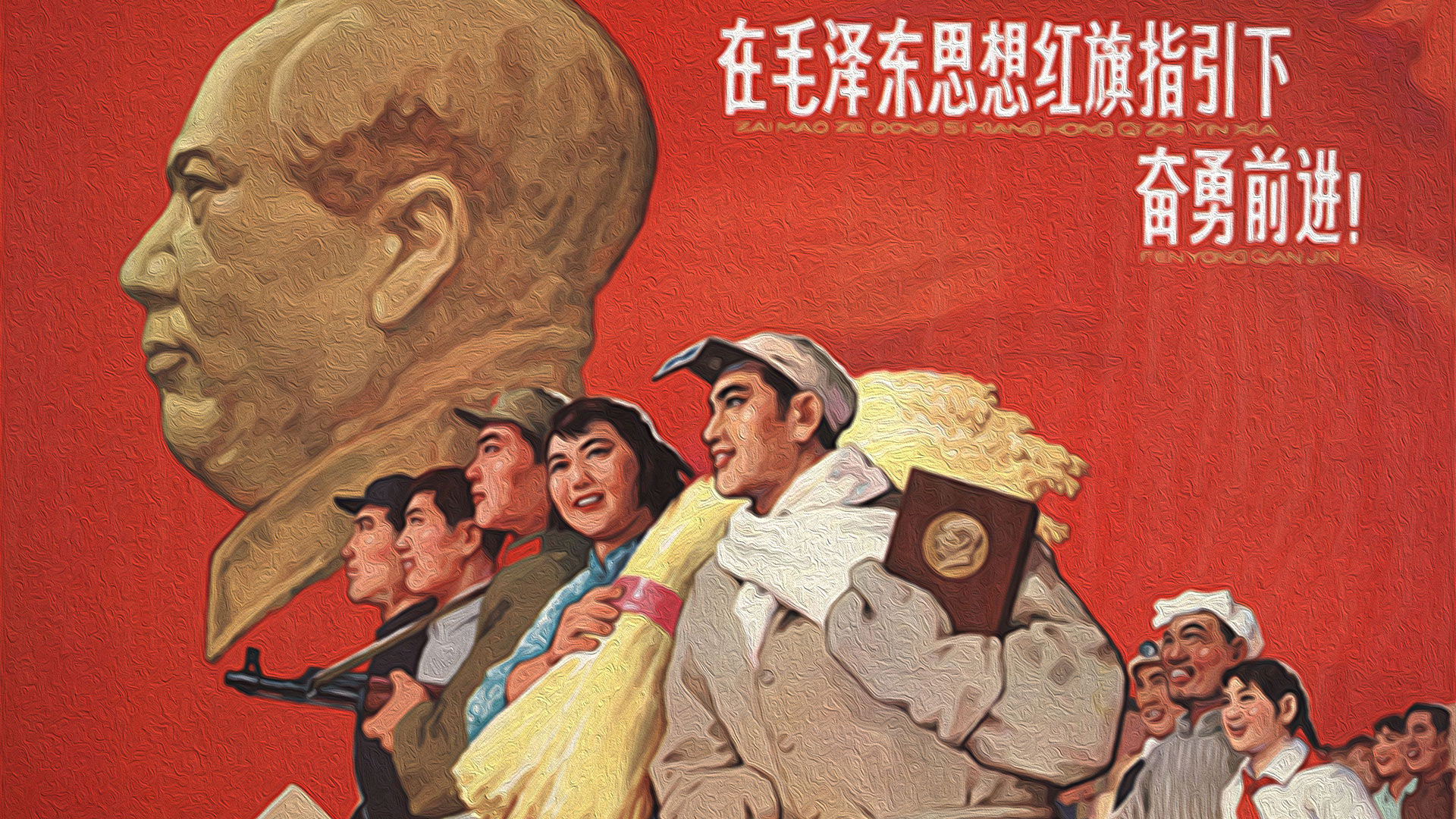
In December 1948, even before the full victory across the mainland, the People’s Bank of China (PBOC) was established, and it began issuing the Renminbi (RMB), or “people’s currency,” in areas under CPC control. By 1949, as the CPC gained control of more territory, the RMB was progressively introduced as the sole legal tender, replacing the worthless Fǎbì and other regional currencies. This was a critical step in unifying China’s fractured monetary system.
The issuance of the RMB was backed by strict monetary policies. The PBOC maintained tight control over the money supply, and the government implemented stringent fiscal discipline, ensuring that government expenditures were matched by revenues, unlike the KMT’s inflationary practices. This commitment to sound money management, combined with the new government’s ability to enforce its authority across the country, quickly restored faith in the currency.
Curbing Hyperinflation and Price Controls
Beyond simply issuing a new currency, the CPC implemented an aggressive campaign to curb hyperinflation. This involved comprehensive price controls on essential goods, strict rationing, and robust efforts to combat hoarding and speculation. The government mobilized its resources to ensure the supply of basic commodities, often at fixed prices, thereby stabilizing the cost of living for ordinary citizens.
To control capital and prevent its flight, the government also imposed tight restrictions on foreign exchange transactions and capital movements. This effectively sealed China off from international financial markets, a stark contrast to the previous era of treaty port economies. For businesses, this meant a heavily regulated environment for any international trade or financial dealings. For individuals, opportunities for private investing, especially in financial instruments or foreign assets, were eliminated. The focus shifted entirely to a domestic, centrally planned economy, with the state acting as the ultimate financial intermediary and allocator of resources.
Land Reform and Agricultural Transformation
The economic impact of 1949 was perhaps most profoundly felt in the rural areas, where the CPC implemented its radical land reform policies, fundamentally altering property ownership and agricultural finance.
Redistributing Wealth: Land to the Tillers
A core tenet of the CPC’s revolutionary agenda was “land to the tillers.” This policy, largely implemented between 1949 and 1952, involved the expropriation of land from landlords and its redistribution to landless peasants and poor farmers. This was a massive transfer of wealth and assets, directly impacting the financial standing of millions of rural households. Landlords, who had previously derived significant income from rents and agricultural finance (e.g., lending to tenant farmers), lost their primary assets and source of income. Many were stripped of all their property, including homes and savings.
For the vast majority of the rural population, who were peasants, this meant gaining ownership of land for the first time. This significantly improved their personal finance in the short term, providing a direct source of livelihood and the potential for accumulating modest wealth. It ended centuries of tenant farming and debt bondage, liberating peasants from the exploitative financial structures of the old system.
Impact on Rural Finance and Production
The land reform had a multifaceted impact on agricultural finance and production. Initially, it stimulated agricultural output as peasants, now owning their land, had a greater incentive to work and invest in their farms. The traditional rural credit market, largely dominated by landlords and moneylenders, was dismantled. The state began to establish new forms of agricultural finance, such as agricultural cooperatives and state-backed credit unions, though these were still nascent in 1949.
While individual peasants gained land, the long-term vision of the CPC was not individual private ownership but collectivization. However, in 1949 and the immediate aftermath, the focus was on redistribution. This foundational economic change in rural areas laid the groundwork for future collectivization policies, which would further centralize control over agricultural production and finance, ultimately impacting the income and financial autonomy of peasant households.
The Retreat of Private and Foreign Capital
The events of 1949 signaled the rapid and comprehensive retreat of private and foreign capital from mainland China, fundamentally altering the nation’s economic structure and its integration into the global financial system.
The End of Comprador Capitalism
The KMT era had seen the rise of “comprador” capitalists – Chinese merchants and businessmen who often acted as intermediaries for foreign companies or operated in sectors linked to international trade. With the CPC’s victory and the subsequent nationalization and regulation of industries, this class of capitalists was largely dismantled. Private businesses, both large and small, were either nationalized outright or subjected to such stringent state control and taxation that independent operation became unfeasible.
This transformation meant a radical shift in business finance. Private capital formation, venture capital, and independent investment ceased to be significant drivers of the economy. Instead, all major investment decisions and capital allocation were directed by state planning committees, prioritizing heavy industry and infrastructure development over consumer goods or private sector growth. Entrepreneurship, as understood in a market economy, was suppressed, replaced by state-managed enterprises.

Disengagement from Global Financial Systems
The establishment of the PRC and its ideological commitment to socialism led to China’s rapid disengagement from the capitalist-dominated global financial systems. Foreign banks, insurance companies, and trading houses that had operated in treaty ports for decades were either closed down, expropriated, or forced to leave. Foreign investment dried up completely.
Trade became state-controlled, often conducted through bilateral agreements with socialist bloc countries rather than through open international markets. The free flow of capital, foreign exchange, and goods that had characterized parts of China’s pre-1949 economy came to an abrupt halt. This self-imposed financial isolation lasted for decades, profoundly impacting China’s economic development trajectory. While necessary for consolidating internal control and pursuing socialist development, it also meant foregoing the benefits of international capital, technology transfer, and market access, setting China on a unique, internally focused economic path for the latter half of the 20th century.
aViewFromTheCave is a participant in the Amazon Services LLC Associates Program, an affiliate advertising program designed to provide a means for sites to earn advertising fees by advertising and linking to Amazon.com. Amazon, the Amazon logo, AmazonSupply, and the AmazonSupply logo are trademarks of Amazon.com, Inc. or its affiliates. As an Amazon Associate we earn affiliate commissions from qualifying purchases.