
The quest for thicker, fuller hair is a deeply personal and often expensive journey. From serums and supplements to specialized shampoos and advanced devices, the market for hair growth solutions is a multi-billion-dollar industry, promising everything from minor improvements to miraculous transformations. For the savvy consumer, the question isn’t just “what works?” but “what actually works and offers genuine value for money?” Navigating this complex landscape requires a financial lens, understanding where your money is best spent, and how to avoid costly fads and ineffective remedies.
The Cost of Hope: Understanding the Market for Hair Growth Solutions
The hair growth market thrives on aspiration and insecurity. Companies invest heavily in marketing, often highlighting dramatic “before and after” photos and testimonials that can sway even the most skeptical buyer. Before committing your hard-earned cash, it’s crucial to understand the financial dynamics at play.
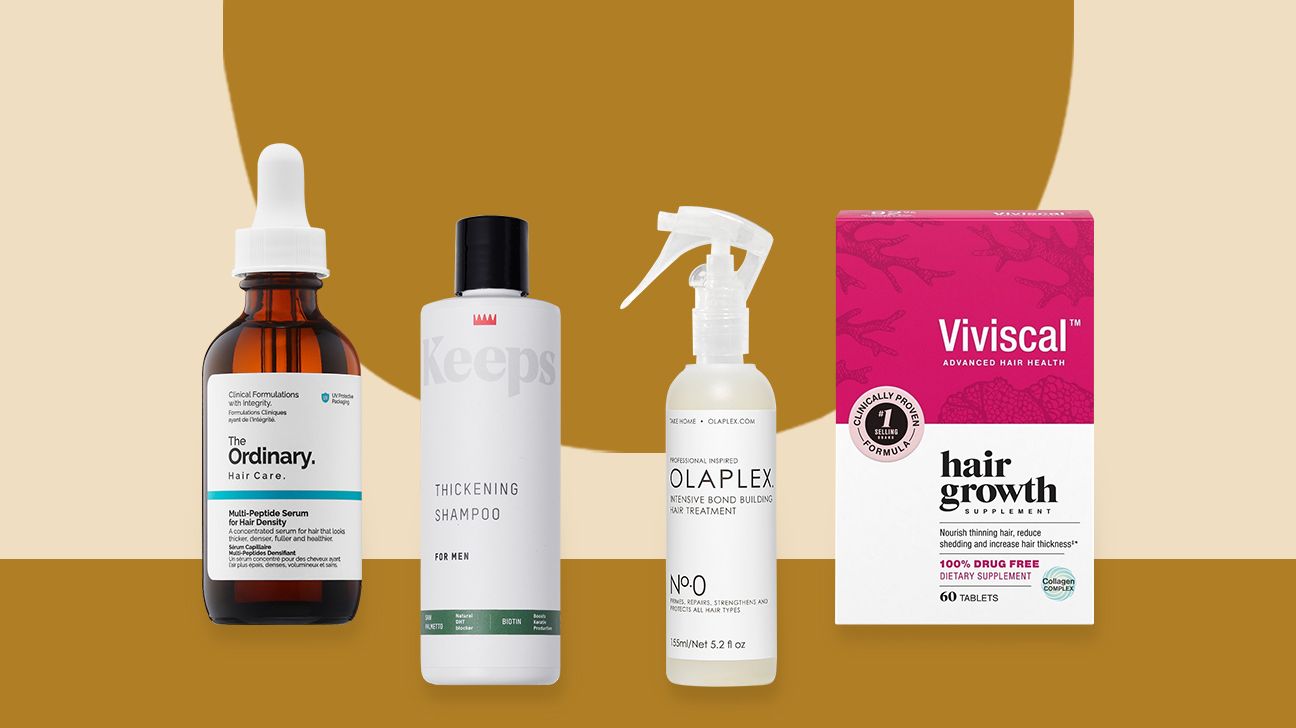
Firstly, recognize that many over-the-counter (OTC) products fall into the cosmetic category. This means they are not subject to the same rigorous testing and approval processes as pharmaceuticals. While some may offer temporary benefits like improved hair texture or scalp health, their claims of “growth” might be exaggerated. The cost per bottle or month can seem modest initially, but consistent use — often necessary to see any results — quickly adds up. A $30 shampoo used monthly for a year costs $360, with no guarantee of tangible hair growth. Consider the cumulative expense before starting a new regimen.
Secondly, prescription-strength solutions and clinical treatments represent a higher financial commitment. These often involve ongoing doctor visits, recurring medication costs, or significant upfront investments in procedures like PRP (platelet-rich plasma) therapy or hair transplants. While these options often have a stronger scientific basis for efficacy, they demand a thorough cost-benefit analysis. Is the potential improvement worth the hundreds or thousands of dollars involved? How will this impact your long-term financial planning? Many of these treatments are considered cosmetic and are not covered by health insurance, making them entirely out-of-pocket expenses.
Finally, be wary of subscription models. Many online brands offer seemingly discounted initial purchases that automatically enroll you in recurring monthly shipments. While convenient, these subscriptions can be difficult to cancel and lead to significant, often overlooked, ongoing expenses, especially if the product isn’t delivering results. Always read the fine print regarding cancellation policies and recurring charges before signing up.
Separating Science from Spending: Identifying Effective Ingredients and Technologies
When evaluating hair growth products, a critical financial strategy is to understand the active ingredients and technologies with proven efficacy, rather than falling for marketing hype. This knowledge empowers you to invest in products that have a higher probability of delivering results, thus maximizing your financial outlay.
Scientifically Backed Ingredients:
- Minoxidil (Rogaine): This is one of the most widely recognized and FDA-approved OTC topical treatments for hair loss. It works by widening blood vessels and opening potassium channels, which allows more oxygen, blood, and nutrients to reach the follicles, prompting them to enter the growth phase. While effective for many, it requires continuous use, and cessation can lead to a return of hair loss. The cost can range from $20-$50 per month, depending on brand and strength. Over a year, this is an investment of $240-$600. Consider if this ongoing expense fits your budget for a solution that requires lifelong commitment.
- Finasteride (Propecia): An oral medication (prescription only) primarily for men, finasteride works by inhibiting the enzyme 5-alpha-reductase, which converts testosterone to dihydrotestosterone (DHT), a hormone that shrinks hair follicles. It’s generally more effective than minoxidil for many men but carries potential side effects and is not suitable for women of childbearing potential. Monthly costs can vary widely, from $30 to over $100 for branded versions. Generic options can significantly reduce this financial burden, highlighting the importance of seeking out cost-effective alternatives for prescription drugs.
- Ketoconazole: While primarily an antifungal, some studies suggest that ketoconazole shampoo (found in Nizoral, for example) can have anti-androgenic effects and promote hair growth, particularly when used in conjunction with other treatments. It’s a more affordable option, often costing under $15-$20 a bottle, and can be integrated into a hair care routine with minimal financial strain.
Emerging Technologies and Treatments (with higher financial implications):
- Low-Level Laser Therapy (LLLT): Devices like laser caps or combs use red light to stimulate hair follicles. These can be significant upfront investments, often ranging from $500 to $3,000 or more. While some users report positive results, the scientific consensus on their efficacy is still developing, and individual results vary. Before investing a large sum, weigh the scientific evidence against the high cost and consider cheaper, more proven alternatives first.
- Platelet-Rich Plasma (PRP) Therapy: This involves drawing a patient’s blood, processing it to concentrate platelets, and then injecting the PRP into the scalp. PRP treatments are performed in clinics and typically require multiple sessions (e.g., 3-4 initial treatments, followed by maintenance). Each session can cost anywhere from $500 to $1,500, making it a substantial financial commitment ($1,500-$6,000+ for an initial course). While promising for some, results are not guaranteed for everyone, and the long-term cost of maintenance can be considerable.
- Hair Transplants: The most definitive, and also the most expensive, solution for advanced hair loss. This surgical procedure involves transplanting hair follicles from one part of the scalp to another. Costs can range from $4,000 to $15,000 or more, depending on the extent of the transplant and the clinic. This is a one-time major expenditure that offers a permanent solution for many, but it requires careful financial planning and a thorough understanding of the procedure and potential outcomes.
Investing wisely means prioritizing products and treatments that have a strong basis in science and avoiding those that rely heavily on anecdotal evidence or obscure ingredients with unproven claims. Always consider the long-term cost versus the proven efficacy before making a purchase.
The ROI of Regrowth: Evaluating Treatments and Their Long-Term Financial Impact
Evaluating hair growth products through a Return on Investment (ROI) lens is crucial for making financially sound decisions. Unlike traditional investments, the “return” here isn’t monetary profit, but rather satisfaction, confidence, and the perceived value of achieving desired hair density. However, the financial implications are very real.
Consider the opportunity cost of your spending. Every dollar spent on an unproven hair growth serum is a dollar that could have been saved, invested elsewhere, or spent on a proven treatment. If you spend $100 per month on various supplements and topical solutions for a year ($1200 total), and see no discernible improvement, that $1200 represents a significant financial loss. Had that money been put towards a clinically proven treatment like finasteride or minoxidil, or even saved, the financial outcome would be entirely different.
Long-term commitment vs. one-time solutions:
- Ongoing treatments (Minoxidil, Finasteride, LLLT, PRP maintenance): These require continuous financial outlay. Before starting, calculate the projected annual and five-year costs. If a treatment costs $50/month, that’s $600/year, and $3000 over five years. Can you sustain this expense without compromising other financial goals like retirement savings, debt repayment, or emergency funds? Failure to continue these treatments often leads to a reversal of benefits, making the prior investment effectively nullified.
- Hair Transplants: While a large upfront cost, a successful transplant is a one-time surgical procedure (though some might opt for follow-up procedures years later). If successful, it eliminates the need for continuous spending on other growth products for the transplanted areas. For some, the upfront investment provides a better long-term ROI in terms of psychological benefit and eliminating recurring product costs. However, it’s vital to have a clear understanding of the full cost, including potential touch-ups or medications needed post-op.
Assess your personal financial situation and goals before committing. Are you comfortable with a continuous monthly expense, or would a higher upfront cost for a more permanent solution be a better fit for your financial plan? The “best” solution isn’t just about efficacy, but also about its sustainable integration into your personal budget.
Avoiding Financial Follies: Spotting Scams and Overpriced Placebos
The hair growth industry, unfortunately, is ripe with predatory marketing and outright scams. Protecting your finances means developing a keen eye for red flags that indicate an ineffective or fraudulent product.
- Exaggerated Claims: Be highly skeptical of products promising “overnight results,” “miraculous regrowth,” or claiming to be a “secret formula” unknown to mainstream medicine. Genuine hair growth is a slow process, often taking months to show noticeable changes. Products that promise rapid, dramatic results are almost always overpromising.
- Lack of Scientific Evidence: If a product’s marketing material relies heavily on testimonials, celebrity endorsements, or vague scientific jargon (“stem cell technology,” “ancient remedies,” “revolutionary peptides”) without citing reputable, peer-reviewed clinical studies, it’s a major red flag. Always look for transparent information on active ingredients and accessible research.
- Proprietary Blends and Secret Formulas: When ingredients are listed as part of a “proprietary blend” without specific quantities, it’s often a tactic to mask minimal amounts of effective ingredients or to include cheap fillers. You should know exactly what you’re paying for.
- High-Pressure Sales Tactics and Auto-Shipping Traps: Products pushed through aggressive online ads, infomercials, or requiring immediate purchase to get a “limited-time offer” should raise suspicion. As mentioned earlier, be extremely cautious of free trials that automatically convert into expensive monthly subscriptions. Always read the terms and conditions meticulously before providing payment information.
- “Natural” Doesn’t Always Mean Effective or Safe: While natural ingredients can be beneficial, the term “natural” is often misused to imply efficacy without scientific backing. Many natural remedies lack the concentrated compounds needed to make a significant difference in hair growth, and some can even cause allergic reactions or scalp irritation. Don’t assume “natural” equals financially sound or effective.
Before making any significant purchase, consult with a dermatologist or trichologist. A medical professional can offer unbiased advice, diagnose the root cause of your hair loss, and recommend treatments that are both medically appropriate and financially viable for your situation. This initial consultation, even if it costs a fee, can save you hundreds or thousands of dollars on ineffective products in the long run.

Budgeting for Better Hair: Smart Spending Strategies
Approaching your hair growth journey with a well-defined budget can prevent impulsive spending and ensure you’re making financially responsible choices.
- Diagnosis First, Spending Second: Before buying any product, get a proper diagnosis for your hair loss. Understanding the cause (e.g., androgenetic alopecia, telogen effluvium, nutritional deficiency) is key to selecting the right and most cost-effective treatment. A single dermatologist visit might cost $100-$300, but it could prevent you from spending thousands on irrelevant solutions.
- Start with Proven, Cost-Effective Solutions: If medically appropriate, consider starting with minoxidil or generic finasteride. These are generally the most accessible and scientifically proven options with a lower barrier to entry financially. Observe results for at least 6-12 months before considering more expensive alternatives.
- Research and Compare Prices: For both OTC products and prescription medications, shop around. Generic versions of finasteride are significantly cheaper than branded ones. Online pharmacies or discount cards might offer better prices. For LLLT devices or PRP, compare clinics and their pricing structures, always ensuring they are reputable.
- Factor in Long-Term Costs: Don’t just look at the monthly cost; project it annually and over several years. Can your budget sustainably accommodate this expense without impacting essential spending or savings? Set aside a specific amount in your budget for hair care, just as you would for other discretionary spending.
- Beware of “Stacking” Products: It’s tempting to try multiple products simultaneously, but this can lead to an expensive and confusing regimen. It also makes it impossible to identify which product, if any, is actually working. Stick to one or two proven treatments at a time.
- Prioritize and Save: If a more expensive treatment like a hair transplant or PRP is your ultimate goal, start saving for it like any other major financial expense. Create a dedicated savings fund, rather than going into debt for a cosmetic procedure.
Ultimately, effective hair growth products are those that provide demonstrable results commensurate with their financial outlay. By understanding the market, identifying proven solutions, critically evaluating claims, and budgeting wisely, you can navigate the complex world of hair growth without compromising your financial well-being. Your wallet will thank you for making informed, evidence-based decisions on your path to healthier hair.
aViewFromTheCave is a participant in the Amazon Services LLC Associates Program, an affiliate advertising program designed to provide a means for sites to earn advertising fees by advertising and linking to Amazon.com. Amazon, the Amazon logo, AmazonSupply, and the AmazonSupply logo are trademarks of Amazon.com, Inc. or its affiliates. As an Amazon Associate we earn affiliate commissions from qualifying purchases.