
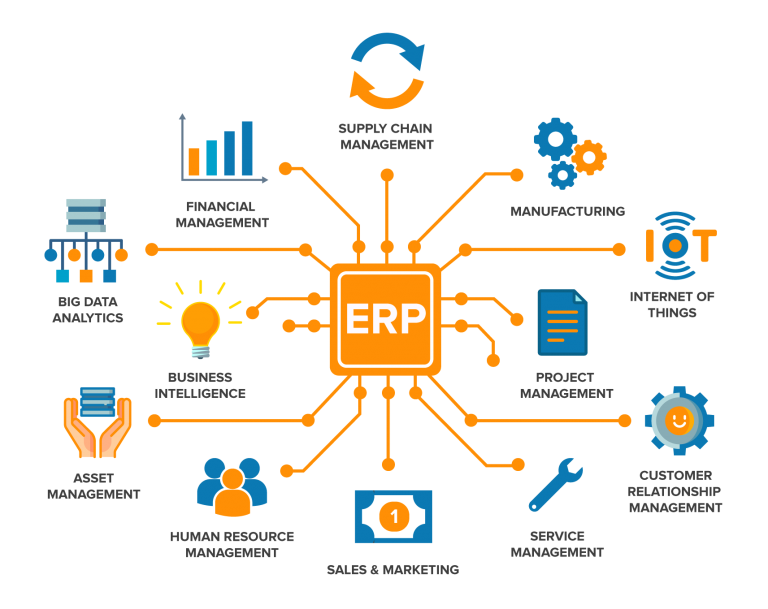
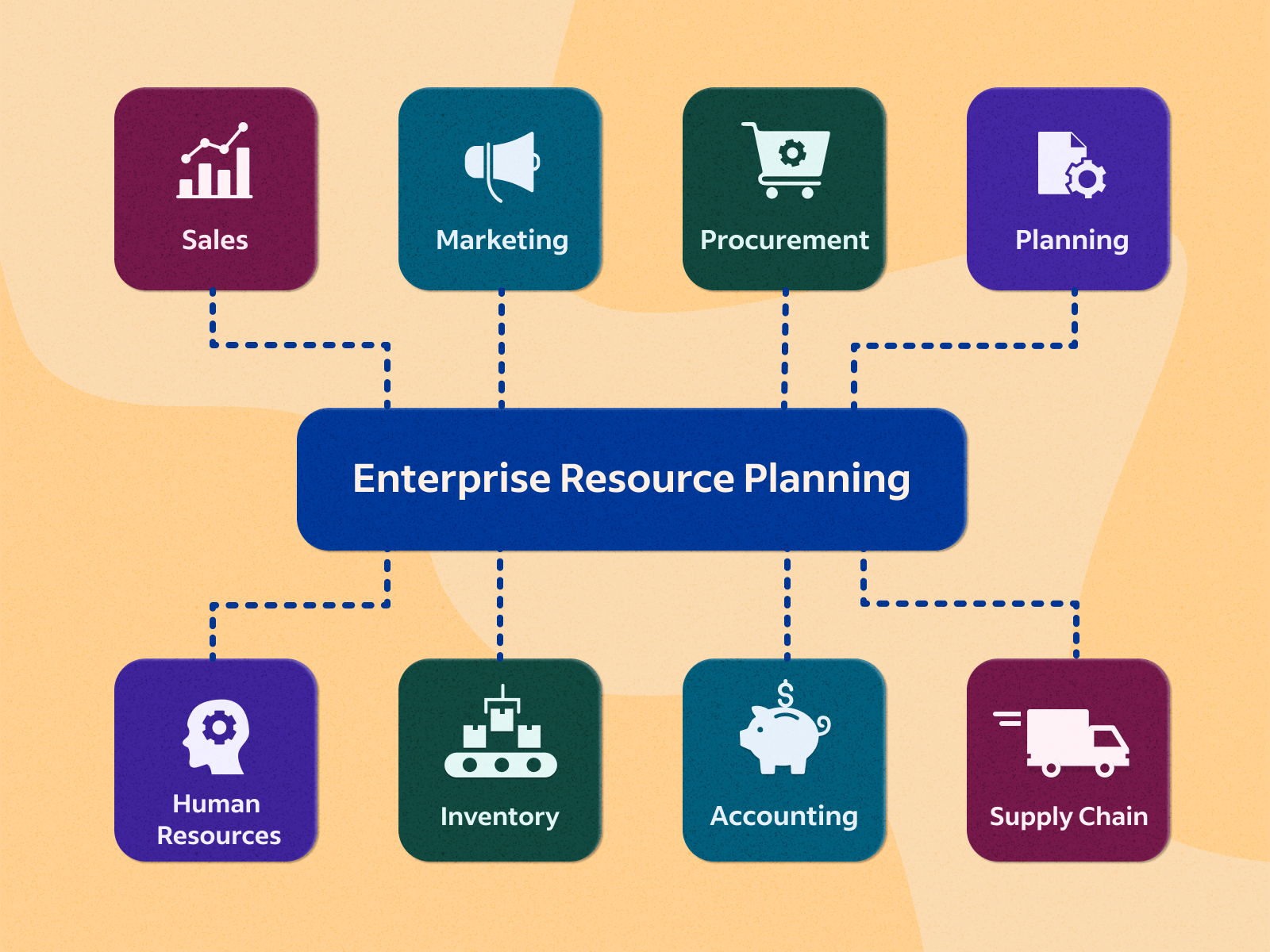
At its core, ERP stands for Enterprise Resource Planning. Far more than just an acronym, ERP represents a sophisticated and integrated suite of software applications that organizations utilize to manage their day-to-day business activities. These activities span a vast array of functions, including accounting, procurement, project management, risk management, compliance, and supply chain operations. In essence, an ERP system serves as the central nervous system of a modern enterprise, consolidating processes and data from various departments into a single, unified platform.
Demystifying Enterprise Resource Planning: The Digital Backbone
Understanding ERP goes beyond merely knowing its full name. It’s about grasping the strategic value it brings to an organization by fostering integration and efficiency across diverse operational silos.
Beyond the Acronym: A Holistic View
An ERP system is designed to provide a comprehensive, real-time, and unified view of an organization’s core business processes. Before the advent of integrated ERP, companies often operated with disparate, specialized software systems for each department – one for finance, another for HR, yet another for manufacturing, and so on. This fragmented approach led to data inconsistencies, duplication of effort, manual data transfers, and a significant lack of real-time visibility into overall business performance.
ERP emerged to address these challenges by creating a single database where all business information resides. This centralization means that when a sales order is placed, its impact is immediately reflected across inventory, production schedules, financial accounts, and even HR if commissions are involved. It eliminates the need for manual reconciliation between systems and reduces the likelihood of errors, fostering a “single source of truth” for all business data.
The Core Purpose: Integration and Efficiency
The primary objective of an ERP system is to improve operational efficiency and productivity by integrating critical business functions. By streamlining processes, automating routine tasks, and providing a unified data environment, ERP helps organizations:
- Reduce operational costs: By optimizing resource utilization, minimizing waste, and automating manual processes.
- Enhance collaboration: By enabling seamless information flow between departments, fostering cross-functional teamwork.
- Improve decision-making: By providing real-time, accurate data and powerful analytical tools, allowing management to make informed strategic choices.
- Boost agility: By enabling rapid adaptation to changing market conditions and customer demands.
Ultimately, ERP aims to orchestrate every aspect of a business, ensuring that all components work in harmony to achieve strategic objectives.
The Comprehensive Architecture of Modern ERP Systems
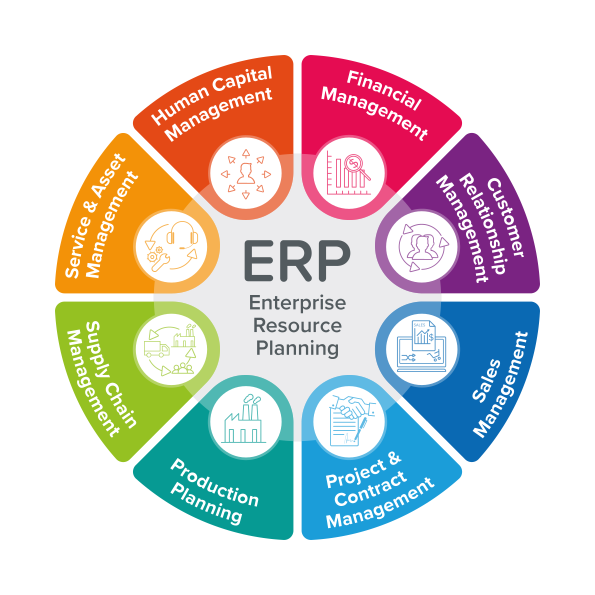
Modern ERP systems are modular by design, comprising various integrated applications or “modules” that cater to specific business functions. While the exact modules can vary between vendors and system configurations, several core components are almost universally present.
Financial Management: The Nucleus
At the heart of every ERP system lies the financial management module. This is typically the first and most critical component implemented. It encompasses general ledger, accounts payable and receivable, budgeting, forecasting, asset management, and financial reporting. This module provides a complete overview of the company’s financial health, ensuring compliance with accounting standards and facilitating accurate fiscal planning.
Supply Chain Management (SCM): The Operational Lifeline
The SCM module oversees the entire flow of goods, services, and information, from the point of origin to the point of consumption. Key functionalities include procurement (purchasing), inventory management, warehouse management, logistics, demand planning, and order fulfillment. By optimizing the supply chain, businesses can reduce costs, improve delivery times, and enhance customer satisfaction.
Human Capital Management (HCM): Empowering the Workforce
Also known as Human Resources (HR) or Human Resources Management Systems (HRMS), this module manages all aspects related to an organization’s workforce. It covers payroll processing, talent acquisition and onboarding, performance management, employee data management, benefits administration, and time and attendance tracking. HCM modules empower HR departments to manage the human element efficiently and strategically.
Manufacturing and Production Planning: Optimizing Output
For companies involved in manufacturing, this module is crucial. It supports production planning, scheduling, material requirements planning (MRP), bill of materials (BOM) management, quality control, and shop floor control. It ensures that production processes are efficient, raw materials are available, and finished goods meet quality standards and production deadlines.
Customer Relationship Management (CRM) Integration: Enhancing Engagement
While sometimes a standalone application, modern ERP systems often incorporate robust CRM functionalities or integrate seamlessly with dedicated CRM software. This component manages all interactions with customers and potential customers, covering sales automation, marketing campaigns, customer service, and support. Integrating CRM with ERP provides a 360-degree view of the customer, linking sales and service data directly with inventory, finance, and production.
Business Intelligence and Analytics: Driving Strategic Insight
Contemporary ERP systems are no longer just transactional systems; they are powerful analytical engines. Embedded business intelligence (BI) tools, reporting dashboards, and advanced analytics capabilities (including predictive analytics) allow organizations to extract meaningful insights from their vast datasets. This supports data-driven decision-making, identifies trends, uncovers inefficiencies, and informs strategic planning.
The Transformative Journey of ERP Technology
ERP has undergone significant evolution since its inception, continually adapting to new technological paradigms and business demands.
From Legacy On-Premise to Cloud-Native Solutions
Historically, ERP systems were expensive, complex, on-premise installations requiring substantial hardware, dedicated IT staff, and lengthy implementation cycles. The shift to cloud computing has revolutionized ERP, giving rise to Software-as-a-Service (SaaS) ERP solutions. Cloud ERP offers numerous advantages: lower upfront costs, subscription-based pricing, greater scalability, easier accessibility from any location, automatic updates, and reduced IT infrastructure burden for the client. This transition has democratized access to powerful ERP capabilities for businesses of all sizes.
Embracing Emerging Technologies: AI, Machine Learning, and IoT
The integration of artificial intelligence (AI) and machine learning (ML) is rapidly transforming ERP. AI can automate routine tasks, provide predictive analytics (e.g., forecasting demand, predicting equipment failures), optimize supply chains, and enhance data quality. Machine learning algorithms can learn from historical data to identify patterns and anomalies, leading to smarter inventory management, personalized customer interactions, and more accurate financial forecasts. Furthermore, the Internet of Things (IoT) allows ERP systems to integrate real-time data from sensors and devices on factory floors, in warehouses, and across logistics networks, providing unprecedented visibility and control over physical assets and processes.
Mobile Accessibility and Enhanced User Experience
With an increasingly mobile workforce, modern ERP emphasizes intuitive user interfaces and mobile accessibility. ERP vendors are designing systems with user experience (UX) at the forefront, ensuring that employees can easily access critical information, approve workflows, and perform tasks from smartphones and tablets. This not only boosts productivity but also improves user adoption across the organization.
Composable ERP: Flexibility and Future-Proofing
A growing trend is the move towards “composable ERP,” which advocates for a more modular, adaptable, and flexible approach. Instead of relying on a monolithic, all-encompassing suite, businesses can now select and integrate best-of-breed applications and microservices that specifically address their unique needs. This allows for greater agility, easier customization, and the ability to swap out components as business requirements evolve, making the ERP system more future-proof and resilient.
Unlocking Business Value: The Strategic Advantages of ERP
Implementing an ERP system is a significant strategic undertaking, driven by the promise of substantial benefits that transcend mere operational efficiency.
Operational Excellence and Cost Reduction
By consolidating processes and automating manual tasks, ERP drastically reduces operational inefficiencies. Redundant data entry is eliminated, errors are minimized, and workflows are streamlined. This leads to faster order fulfillment, optimized inventory levels, reduced waste, and ultimately, lower operating costs across the board.
Superior Data Visibility and Decision Support
One of the most profound benefits of ERP is its ability to provide a “single source of truth.” All departments access and contribute to the same up-to-date data, eliminating discrepancies and creating a unified view of the business. This real-time visibility, coupled with powerful reporting and analytics tools, empowers managers with accurate, actionable insights, enabling more informed and strategic decision-making.
Enhanced Customer Satisfaction and Responsiveness
With an integrated view of customer interactions, order history, inventory, and financials, businesses can improve every touchpoint. This leads to faster response times, more accurate order processing, personalized service, and a better understanding of customer needs, culminating in higher customer satisfaction and loyalty.
Compliance, Governance, and Risk Mitigation
ERP systems enforce standardized processes and provide robust audit trails, making it easier to comply with industry regulations, financial reporting standards, and governmental mandates. By centralizing data and access controls, ERP also enhances data security and reduces the risk of fraud or data breaches, thus fortifying corporate governance.
Agility and Scalability for Growth
A well-implemented ERP system is designed to grow with the business. It can easily accommodate new products, services, markets, or acquisitions without requiring a complete system overhaul. This inherent scalability provides the agility needed for organizations to expand and adapt quickly to market changes, ensuring that the technology infrastructure supports future strategic growth.
Navigating the Complexities of ERP Implementation
While the benefits of ERP are compelling, its implementation is a complex undertaking with significant challenges that organizations must carefully consider and plan for.
Significant Investment and Project Management
Implementing an ERP system, especially for larger enterprises, represents a substantial financial investment in software licenses (or subscriptions), hardware (for on-premise), customization, training, and consulting services. Beyond the monetary cost, it requires a significant commitment of time and internal resources. Effective project management, with clear objectives, realistic timelines, and dedicated leadership, is paramount to success.
Data Migration and Integration Hurdles
Migrating historical data from legacy systems into the new ERP can be one of the most challenging aspects. Data often resides in various formats, contains inconsistencies, or is incomplete. Cleansing, validating, and mapping this data correctly to the new system schema is a meticulous and critical process. Furthermore, integrating the ERP with other specialized systems that may not be replaced (e.g., niche industry-specific software) adds another layer of technical complexity.
Organizational Change Management and User Adoption
ERP implementation is not just a technology project; it’s a profound organizational change. Employees accustomed to old processes may resist new ways of working, even if they are more efficient. Overcoming this resistance requires robust change management strategies, comprehensive training programs, clear communication about the benefits, and strong leadership buy-in. User adoption is the ultimate measure of an ERP project’s success, as even the most sophisticated system is useless if employees don’t use it effectively.
Vendor Selection and Customization Risks
Choosing the right ERP vendor and system that aligns perfectly with an organization’s specific business processes and strategic goals is crucial. The market offers a wide array of solutions, each with its strengths and weaknesses. Once selected, there’s a delicate balance to strike with customization. While some tailoring is often necessary, excessive customization can lead to higher costs, make future upgrades difficult, introduce bugs, and tie the organization too closely to a specific vendor’s original code, hindering flexibility and future innovation. A strategic approach focuses on configuration over custom coding wherever possible.
aViewFromTheCave is a participant in the Amazon Services LLC Associates Program, an affiliate advertising program designed to provide a means for sites to earn advertising fees by advertising and linking to Amazon.com. Amazon, the Amazon logo, AmazonSupply, and the AmazonSupply logo are trademarks of Amazon.com, Inc. or its affiliates. As an Amazon Associate we earn affiliate commissions from qualifying purchases.