
Driving Under the Influence (DUI) represents a significant legal offense with profound societal implications, yet its definition extends far beyond mere legal terminology. For individuals and their financial well-being, a DUI conviction means entering a labyrinth of unforeseen and often staggering expenses, long-term financial penalties, and significant limitations on earning potential. Understanding “what DUI means” fundamentally requires grasping its extensive and often devastating financial consequences, which can disrupt personal finance strategies for years, if not decades.
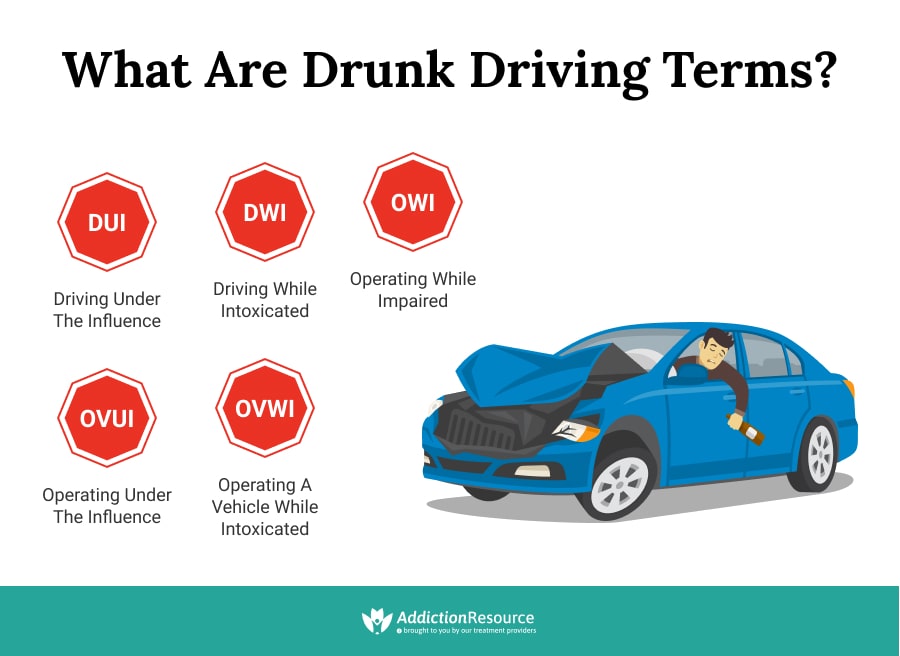
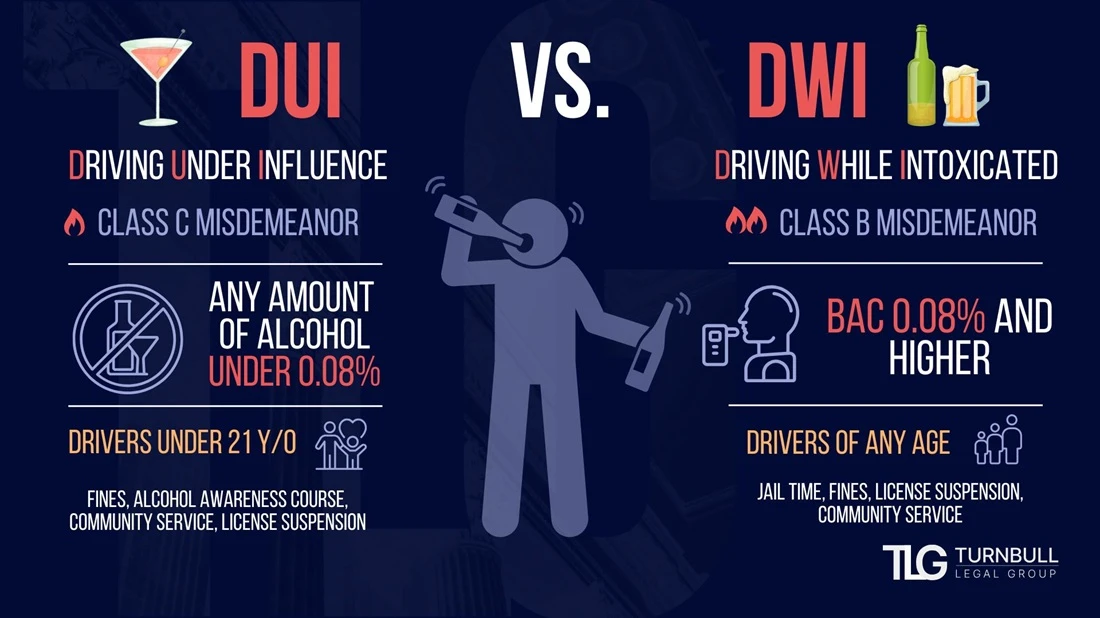
A DUI typically refers to operating a motor vehicle while impaired by alcohol, drugs, or a combination of both. Legal definitions vary by jurisdiction, but generally, a blood alcohol content (BAC) of 0.08% or higher constitutes impairment for drivers aged 21 and over in most U.S. states. However, impairment can be proven even below this threshold, particularly with the presence of other substances. While the immediate focus might be on the legal battle, the financial fallout is often the most enduring and insidious aspect of a DUI.
The Immediate Financial Hit: Initial Costs of a DUI
The moment an individual is arrested for a DUI, the financial clock starts ticking, often accumulating costs rapidly before a single court date has even occurred. These initial expenses lay the groundwork for a challenging financial recovery.
Bail and Towing Fees
One of the first financial obligations following a DUI arrest can be bail. Depending on the jurisdiction, the severity of the alleged offense, and the individual’s criminal history, bail amounts can range from a few hundred to tens of thousands of dollars. While bail may be refunded upon the completion of court proceedings, the upfront cash outlay can be a significant burden, often requiring a bail bondsman who charges a non-refundable percentage of the total bail amount (typically 10-15%).
Simultaneously, the vehicle involved in the incident will almost certainly be impounded. This incurs immediate towing fees, followed by daily storage fees, which can quickly accumulate. Retrieving the vehicle can be an additional financial drain, especially if the owner’s license is immediately suspended or they are unable to drive it home. These initial fees, though seemingly minor in isolation, contribute to the immediate cash crunch.
Legal Representation
Navigating the complexities of DUI law without professional legal counsel is ill-advised, making attorney fees one of the most substantial immediate costs. Experienced DUI attorneys can command significant fees, typically ranging from $2,000 to $15,000, depending on the case’s complexity, the attorney’s reputation, and the jurisdiction. These costs may be structured as flat fees, hourly rates, or a combination. While public defenders are an option for those who qualify based on income, their caseloads and resources can be limited, and the financial savings might be offset by potentially less personalized attention compared to private counsel. Beyond attorney fees, there are additional court costs, administrative charges, and potential fees for expert witnesses or private investigators if the case goes to trial. These add thousands more to the initial financial burden.
Fines and Penalties
Should a conviction occur, the court will impose substantial fines and penalties. These vary widely by state and whether it’s a first-time or repeat offense. For a first-time DUI, fines alone can range from $500 to $2,000 or more, not including additional court-mandated surcharges, assessments, and fees that can double or triple the stated fine amount. These often include fees for victim compensation funds, traffic safety programs, and court administration. These financial penalties are statutory and unavoidable, representing a direct hit to an individual’s personal finances.
Long-Term Financial Ramifications: The Hidden Debt of Impaired Driving
Beyond the immediate costs, a DUI casts a long shadow over an individual’s financial future, manifesting in escalating expenditures that can persist for years after the initial conviction.
Skyrocketing Insurance Premiums (SR-22)
One of the most persistent and expensive consequences of a DUI is the dramatic increase in auto insurance premiums. A DUI conviction immediately labels a driver as “high-risk,” leading insurance companies to raise rates significantly, sometimes by 100% to 300%. This elevated status typically lasts for three to five years, but in some cases, it can be longer.
Compounding this is the mandatory requirement in many states for drivers with a DUI to obtain an SR-22 certificate (or FR-44 in Florida and Virginia). An SR-22 is not insurance itself but a certificate of financial responsibility that proves you carry the minimum liability coverage required by law. Filing for an SR-22 comes with its own fees, and few insurance companies offer it, further limiting options and potentially driving up rates. Some insurers may even cancel an existing policy following a DUI, forcing the individual to seek coverage from non-standard carriers, which are often significantly more expensive. Over several years, the cumulative cost of increased premiums can easily exceed $10,000 to $20,000.
Alcohol Education and Treatment Programs
Many jurisdictions mandate participation in alcohol education or treatment programs as part of a DUI sentence. These programs are not free and can range from short, few-hundred-dollar online courses to intensive, multi-month outpatient or even inpatient treatment programs costing thousands of dollars. Even a basic DUI school might cost $200-$1,000, while more extensive therapy or treatment can reach $3,000 to $10,000 or more, all to be borne by the individual. These programs are often a prerequisite for license reinstatement, ensuring compliance adds to the financial burden.
Ignition Interlock Devices (IID)
For many DUI convictions, particularly repeat offenses or those involving high BAC levels, courts may require the installation of an Ignition Interlock Device (IID) in the individual’s vehicle. This device prevents the car from starting if it detects alcohol on the driver’s breath. The costs associated with an IID include an installation fee (typically $75-$150), a monthly rental and monitoring fee (usually $70-$100), and calibration fees ($30-$50 per visit). If required for a year or more, these costs can easily add another $1,000 to $2,000 per vehicle.
Impact on Income and Earning Potential: A Career-Long Shadow
Beyond the direct costs, a DUI can inflict severe damage on an individual’s ability to earn a living, potentially impacting career trajectory and income for many years.
Lost Wages and Job Security
Dealing with a DUI often requires significant time off work for court appearances, legal meetings, alcohol education programs, and DMV appointments. This can lead to lost wages, especially for hourly employees. More critically, a DUI conviction, which is a criminal offense, can jeopardize job security. Certain professions, particularly those requiring driving (e.g., commercial truck drivers, delivery personnel, sales representatives), a clean driving record, or professional licenses (e.g., doctors, nurses, lawyers, pilots, teachers), may face immediate suspension or revocation of employment or licensure. Even in roles not directly tied to driving, employers may view a DUI negatively, leading to disciplinary action, demotion, or even termination, particularly if the employee drives a company vehicle or represents the company publicly.
Decreased Earning Capacity
The long-term impact on earning potential can be substantial. A criminal record, including a DUI conviction, can make it challenging to find new employment, especially for positions requiring background checks. Many employers are hesitant to hire individuals with a recent DUI, fearing liability or reputational damage. This can limit career advancement opportunities, force individuals into lower-paying jobs, or hinder their ability to obtain certain professional licenses or certifications. The stigma and practical barriers associated with a DUI can result in a measurable decrease in lifetime earning capacity, affecting retirement savings, investment opportunities, and overall financial security.
Ancillary Costs and Lifestyle Adjustments
The financial impact of a DUI extends to numerous indirect and quality-of-life costs that further drain resources and complicate personal finance management.
Transportation Expenses
A suspended driver’s license, a common consequence of a DUI, renders personal vehicle use illegal. This necessitates reliance on alternative transportation, which comes with its own costs. Public transportation fares, ride-sharing services, taxis, or even paying friends or family for rides can quickly add up, especially over an extended suspension period. The loss of personal mobility can also impact daily routines, efficiency, and access to essential services, inadvertently generating more expenses or missed opportunities.
Opportunity Costs
Every dollar spent on DUI-related fines, fees, legal representation, and programs is a dollar that cannot be saved, invested, or used for other financial goals like a down payment on a home, retirement planning, or education. The diversion of significant financial resources to manage a DUI represents a substantial opportunity cost, setting back an individual’s financial progress by several years. Furthermore, the stress and mental health impact of a DUI can affect productivity, decision-making, and overall financial management, leading to further indirect costs.
Credit Score and Loan Impact
While a DUI conviction doesn’t directly appear on a credit report, its financial repercussions can indirectly affect an individual’s credit score. If an individual needs to take out high-interest loans to cover DUI expenses or misses payments on other obligations due to financial strain, their credit score will suffer. A poor credit score can then lead to higher interest rates on future loans, mortgages, or credit cards, further escalating borrowing costs and tightening financial constraints.
Strategies for Mitigating Financial Damage
While preventing a DUI is the only sure way to avoid its financial devastation, those facing a conviction can take proactive steps to mitigate some of the damage.
Understand Your Rights and Seek Counsel Early
The immediate aftermath of a DUI arrest is critical. Seeking legal advice from an attorney specializing in DUI cases as soon as possible can significantly impact the outcome. An experienced lawyer can advise on rights, potential defenses, and strategies to negotiate plea bargains that might reduce fines, minimize license suspension periods, or avoid certain mandatory programs, thereby potentially lessening the overall financial burden. Early intervention can make a substantial difference in the total cost.
Financial Planning and Budgeting
Facing a DUI necessitates a rigorous financial reassessment. Individuals must meticulously budget for all anticipated and potential costs, including legal fees, fines, insurance increases, program fees, and alternative transportation. Creating a detailed financial plan, prioritizing payments, and exploring payment plans for fines and court costs where available can help manage the immediate cash flow crisis. It may also involve re-evaluating savings, investments, and discretionary spending to free up necessary funds.

Explore Public Resources and Support
While the costs are substantial, some resources can offer assistance. Information on low-cost legal aid or pro bono services may be available for individuals who meet certain income criteria. Community-based support groups or state-funded programs for alcohol education and treatment might offer more affordable alternatives to private services. Actively seeking out these resources can help reduce the financial strain and provide crucial support during a challenging time.
In conclusion, “what DUI means” is far more than a legal charge; it signifies a profound and long-lasting financial crisis. From immediate legal and administrative fees to skyrocketing insurance premiums, mandatory education programs, and the erosion of earning potential, the economic ramifications are extensive and can derail an individual’s financial stability for years. Understanding these financial consequences is paramount, underscoring the critical importance of responsible decision-making to protect one’s financial future.
aViewFromTheCave is a participant in the Amazon Services LLC Associates Program, an affiliate advertising program designed to provide a means for sites to earn advertising fees by advertising and linking to Amazon.com. Amazon, the Amazon logo, AmazonSupply, and the AmazonSupply logo are trademarks of Amazon.com, Inc. or its affiliates. As an Amazon Associate we earn affiliate commissions from qualifying purchases.