
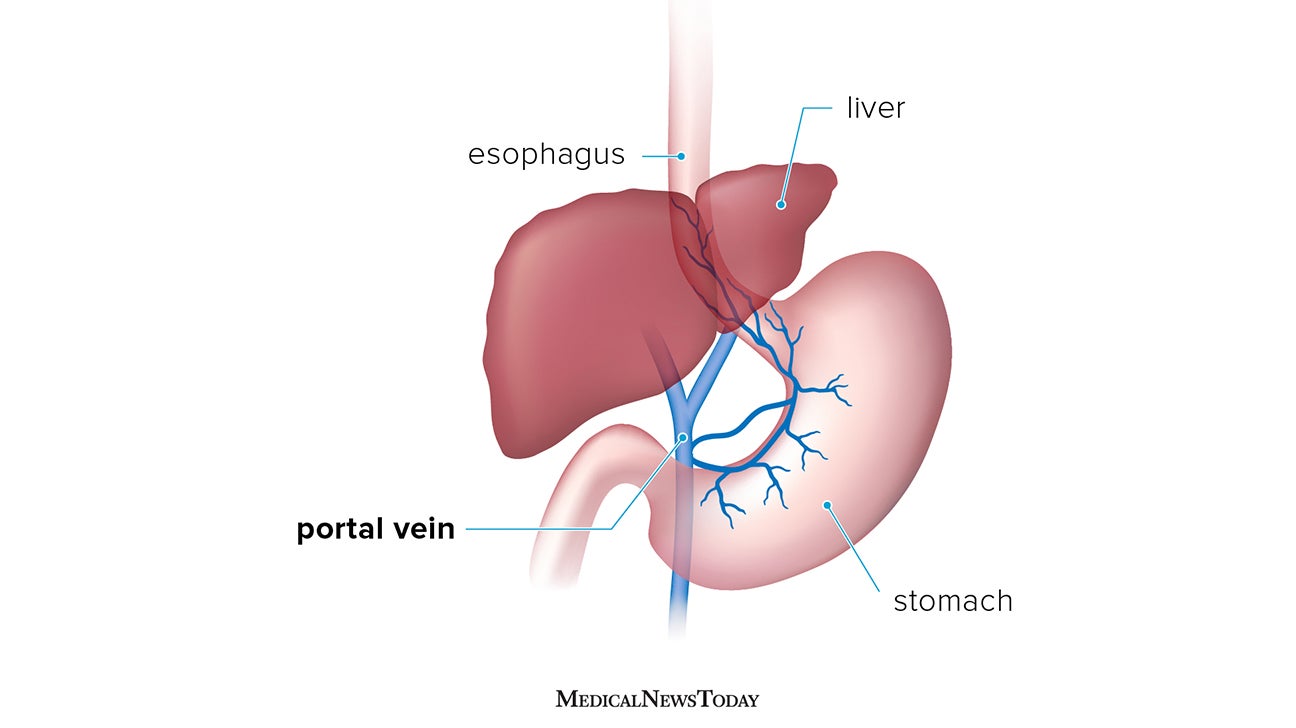
The portal vein, a critical yet often overlooked component of human anatomy, serves as an essential conduit for the body’s internal processing system. Its fundamental role is to transport blood rich in nutrients and, sometimes, toxins directly from the digestive organs to the liver. This unique circulatory pathway ensures that all absorbed substances from the gut undergo preliminary processing and detoxification before entering the systemic circulation. In essence, the portal vein acts as the liver’s primary feeder, establishing a vital gateway for metabolism, detoxification, and nutrient regulation.
However, understanding “what the portal vein does” in a modern context extends far beyond its basic physiological function. In an era driven by innovation, advanced technology plays an increasingly pivotal role in unraveling its complexities, diagnosing its pathologies, and guiding interventions. From sophisticated imaging techniques that visualize its intricate network to AI algorithms predicting disease progression and robotic systems assisting in delicate surgeries, technology illuminates, monitors, and manages the portal vein’s critical operations, transforming our approach to hepatobiliary health.
The Portal Vein: A Biological Highway Under the Digital Lens
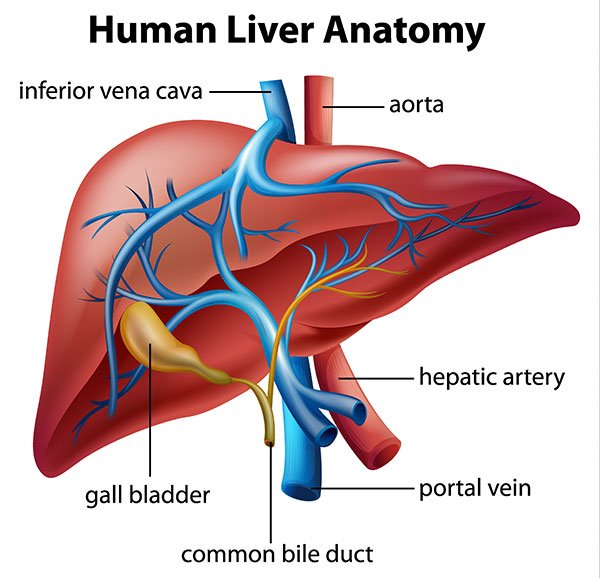
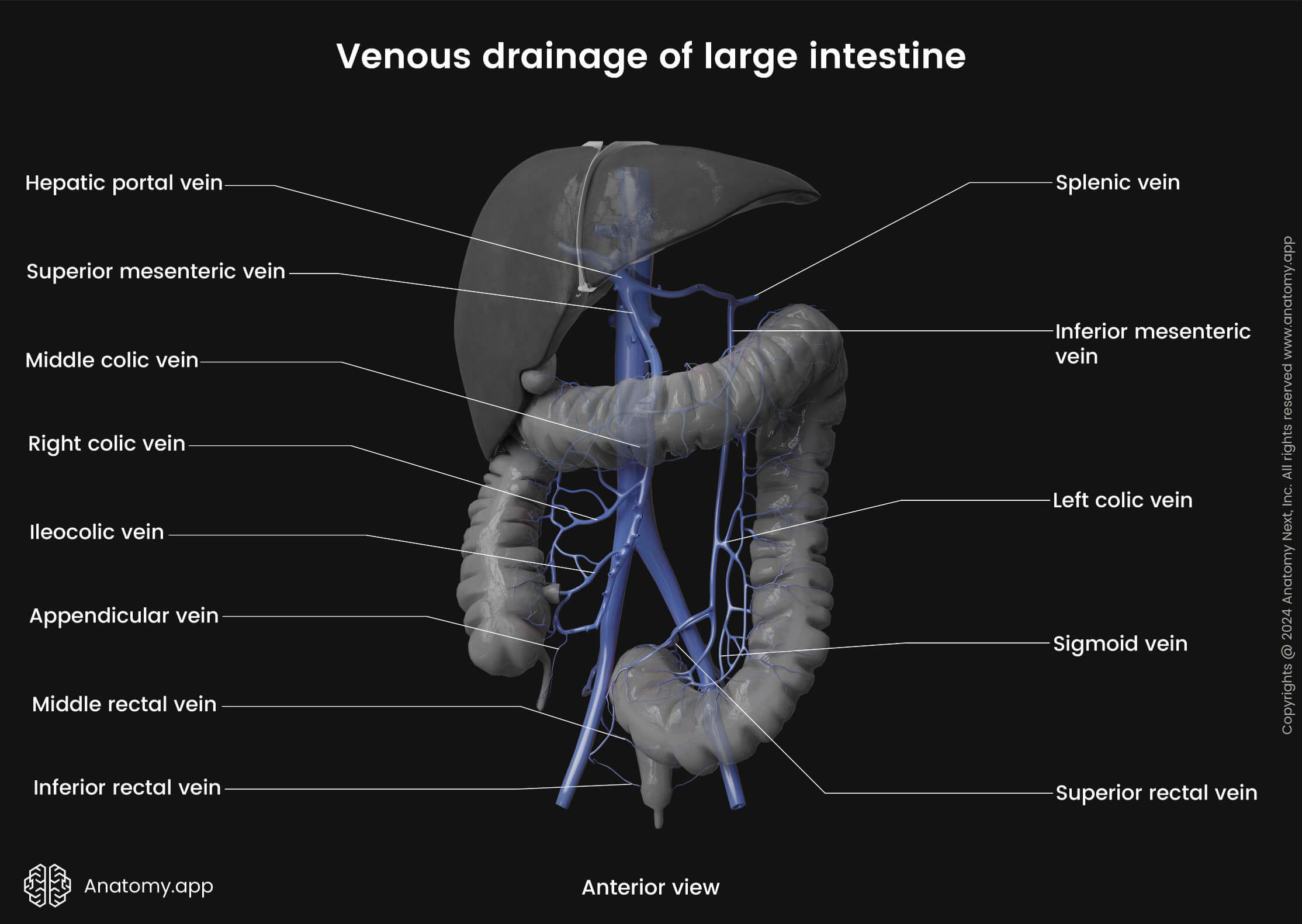
At its core, the portal vein system is a marvel of biological engineering. It collects blood from the stomach, small and large intestines, pancreas, and spleen, delivering it to the liver’s vast network of sinusoids. This strategic anatomical arrangement ensures that the liver, the body’s largest internal organ, can fulfill its over 500 vital functions, including metabolizing nutrients, detoxifying harmful substances, and producing essential proteins. Without the portal vein, the liver’s ability to act as the body’s central processing unit would be severely compromised, leading to systemic toxicity and nutrient imbalances.
The proper functioning of the portal vein is indispensable for overall health. Disruptions in its flow, often caused by conditions like cirrhosis or blood clots, can lead to severe consequences such as portal hypertension – a dangerous increase in blood pressure within the portal venous system. This condition can manifest as ascites (fluid accumulation in the abdomen), varices (enlarged veins, particularly in the esophagus, prone to bleeding), and even hepatic encephalopathy (brain dysfunction due to toxin buildup). Understanding these implications has driven significant technological advancements aimed at early detection and effective management, allowing clinicians to not only grasp what the portal vein does but also how technology can preserve its crucial function.
Cutting-Edge Diagnostics: Unveiling Portal Vein Dynamics
The ability to accurately assess the portal vein’s structure, blood flow, and associated pathologies is paramount for timely diagnosis and intervention. Modern medical technology provides an unprecedented window into this vital system, evolving from basic anatomical views to dynamic, data-rich analyses.
Advanced Imaging Modalities
- Ultrasound (Doppler Ultrasonography): This non-invasive and real-time imaging technique is often the first line of investigation for portal vein assessment. Doppler ultrasound specifically measures blood flow velocity and direction, allowing clinicians to detect blockages (thrombosis), narrowing (stenosis), or increased pressure (portal hypertension). Its portability and absence of radiation make it invaluable for initial screening and serial monitoring of patients with chronic liver diseases.
- Computed Tomography (CT) Angiography: CT angiography offers highly detailed cross-sectional images of the portal vein and its branches, as well as surrounding organs. With the use of intravenous contrast, it can reconstruct intricate 3D models, precisely mapping the vein’s anatomy, identifying collateral vessels (which form in response to increased pressure), and detecting subtle abnormalities like tumors impinging on the vein or subtle thrombi. Modern multi-detector CT scanners provide rapid acquisition, reducing motion artifacts and improving diagnostic accuracy.
- Magnetic Resonance Imaging (MRI) / Magnetic Resonance Angiography (MRA): MRI provides superior soft tissue contrast compared to CT, offering detailed visualization of the liver parenchyma and vascular structures without ionizing radiation. MRA specifically focuses on blood vessels, providing high-resolution images of the portal venous system, assessing flow patterns, and characterizing thrombi with greater precision. It is particularly useful for evaluating complex cases, pre-surgical planning, and for patients for whom radiation exposure is a concern.
AI and Machine Learning in Diagnosis
The vast amount of data generated by these imaging techniques presents a perfect scenario for artificial intelligence (AI) and machine learning (ML) applications. AI is revolutionizing the interpretation and analysis of portal vein diagnostics.
- Automated Image Analysis: AI algorithms can be trained on large datasets of medical images to identify subtle patterns indicative of portal vein pathologies. These systems can automatically detect and quantify vessel narrowing, characterize thrombus morphology, and even estimate liver fibrosis, often with greater consistency and speed than human radiologists. This capability aids in early detection, especially for conditions where subtle changes precede overt symptoms.
- Predictive Analytics: Beyond simple detection, AI models are being developed to predict patient outcomes. By integrating imaging data with clinical parameters, laboratory results, and genetic information, AI can forecast the likelihood of portal hypertension progression, variceal bleeding, or a patient’s response to specific therapies. This empowers clinicians with proactive insights, enabling personalized risk stratification and treatment planning.
- Decision Support Systems: AI tools are increasingly serving as intelligent assistants for healthcare professionals, providing a second opinion, highlighting critical areas in scans, and suggesting differential diagnoses based on comprehensive data analysis. This augments human expertise, enhancing diagnostic accuracy and efficiency in complex cases related to portal vein health.
Tech-Enabled Therapies and Management Strategies
Once a portal vein pathology is identified, technology continues to play a central role in therapeutic interventions and long-term management. Minimally invasive techniques, robotic precision, and digital health platforms are transforming patient care.
Minimally Invasive Interventional Radiology
Many critical procedures involving the portal vein are now performed by interventional radiologists, leveraging sophisticated imaging guidance and specialized catheters to achieve therapeutic outcomes with reduced invasiveness.
- Transjugular Intrahepatic Portosystemic Shunt (TIPS): This life-saving procedure addresses severe portal hypertension. Guided by fluoroscopy and ultrasound, a stent is placed between the portal vein and one of the hepatic veins within the liver, creating a shunt to divert blood flow and reduce pressure. The success of TIPS relies entirely on advanced real-time imaging, precise catheter manipulation, and the deployment of specialized stent technology.
- Portal Vein Embolization (PVE): For patients requiring extensive liver resection (e.g., for tumors), PVE is performed to increase the size of the remnant liver lobe. Using micro-catheters inserted into the portal vein branches feeding the diseased part of the liver, embolizing agents are delivered to induce atrophy of that section, thereby stimulating compensatory growth in the healthy lobe. This highly technical procedure is critically dependent on detailed pre-procedural imaging and meticulous interventional skills.
Surgical Robotics and Augmented Reality
For surgical interventions that may involve or impact the portal vein, technological advancements are enhancing precision and outcomes.
- Robotic-Assisted Surgery: In complex liver resections or liver transplant procedures where the portal vein is a key anatomical structure, robotic systems offer surgeons enhanced dexterity, tremor filtration, and superior 3D visualization. This precision is invaluable when dissecting delicate tissues around the portal vein, reducing surgical trauma and improving patient recovery.
- Augmented Reality (AR) in the Operating Room: AR technology allows surgeons to overlay 3D models of a patient’s anatomy, derived from pre-operative imaging, directly onto the patient during surgery. This real-time, holographic guidance enhances spatial understanding, enabling more accurate navigation around critical structures like the portal vein, particularly in cases with distorted anatomy.
Digital Health Platforms for Chronic Management
Beyond acute interventions, digital health platforms are crucial for the long-term management of patients with chronic portal vein conditions.
- Telemedicine and Remote Monitoring: For patients with portal hypertension or those post-TIPS, regular follow-up is essential. Telemedicine platforms enable virtual consultations, allowing specialists to monitor symptoms, review lab results, and adjust medications remotely. Remote monitoring devices can track vital signs and symptom progression, ensuring timely intervention and reducing the burden of frequent clinic visits.
- Electronic Health Records (EHR) and Data Integration: Comprehensive EHR systems integrate all aspects of a patient’s care—imaging, lab tests, clinical notes, and medication history—providing a holistic view. This data integration is vital for coordinating care among multiple specialists and applying data analytics to identify trends and improve treatment pathways for portal vein diseases.
The Future Landscape: Innovating Portal Vein Health
The trajectory of technology in understanding and managing the portal vein continues to accelerate. Future innovations promise even more precise diagnostics, personalized therapies, and preventive strategies.
Advanced AI for Personalized Medicine
AI’s role will deepen, moving towards truly personalized medicine. Future AI models will integrate genomic data with phenotypic expression, imaging features, and lifestyle factors to create “digital twins” of individual patients’ livers and portal systems. These virtual models will simulate disease progression, predict responses to different drugs, and optimize intervention timing, leading to hyper-personalized management of portal vein conditions.
Novel Therapeutic Technologies
Emerging technologies are exploring new frontiers in treatment. Targeted drug delivery systems, leveraging nanotechnology, aim to deliver therapeutic agents directly to the portal vein or specific liver cells, maximizing efficacy while minimizing systemic side effects. Furthermore, the burgeoning field of bio-engineering holds the promise of regenerative approaches, where 3D bioprinting could one day create artificial vascular structures or even liver tissue to repair or replace damaged components of the portal system.
Interoperability and Big Data for Research
The future will see greater interoperability between healthcare systems, facilitating the aggregation of vast, de-identified patient data sets. This “big data” approach, coupled with advanced analytics, will accelerate research into the underlying mechanisms of portal vein pathologies, identify novel biomarkers, and validate new technological interventions on a global scale. This collaborative, data-driven environment will unlock unprecedented insights into “what the portal vein does” and how we can best support its critical functions throughout a patient’s life.
In summary, while the core biological function of the portal vein remains constant, our understanding, diagnostic capabilities, and therapeutic options are in a state of continuous evolution, propelled by relentless technological advancement. From visualizing its intricate dance to predicting its future and intervening with precision, technology is fundamentally reshaping our approach to portal vein health.
aViewFromTheCave is a participant in the Amazon Services LLC Associates Program, an affiliate advertising program designed to provide a means for sites to earn advertising fees by advertising and linking to Amazon.com. Amazon, the Amazon logo, AmazonSupply, and the AmazonSupply logo are trademarks of Amazon.com, Inc. or its affiliates. As an Amazon Associate we earn affiliate commissions from qualifying purchases.