
The enduring fascination with the declassified files pertaining to the assassination of President John F. Kennedy transcends mere historical curiosity; it presents a profound case study in the intersection of vast governmental archives and the cutting-edge technologies now employed to make sense of them. Far beyond their immediate revelations, the JFK files, comprising millions of pages of documents, serve as a monumental example of how digital transformation, advanced analytics, and artificial intelligence are revolutionizing our ability to manage, interpret, and secure complex historical data. Understanding “what the JFK files say” in the modern era is increasingly a question of technological capability as much as it is historical interpretation.
The Digital Frontier of Declassified Information
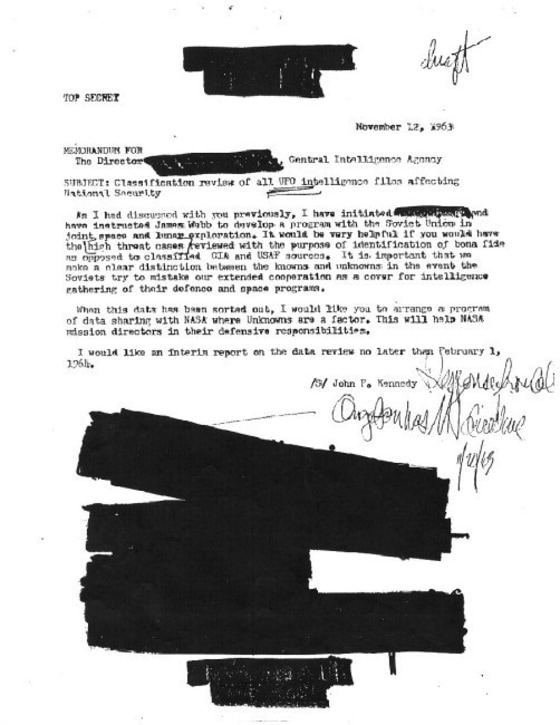
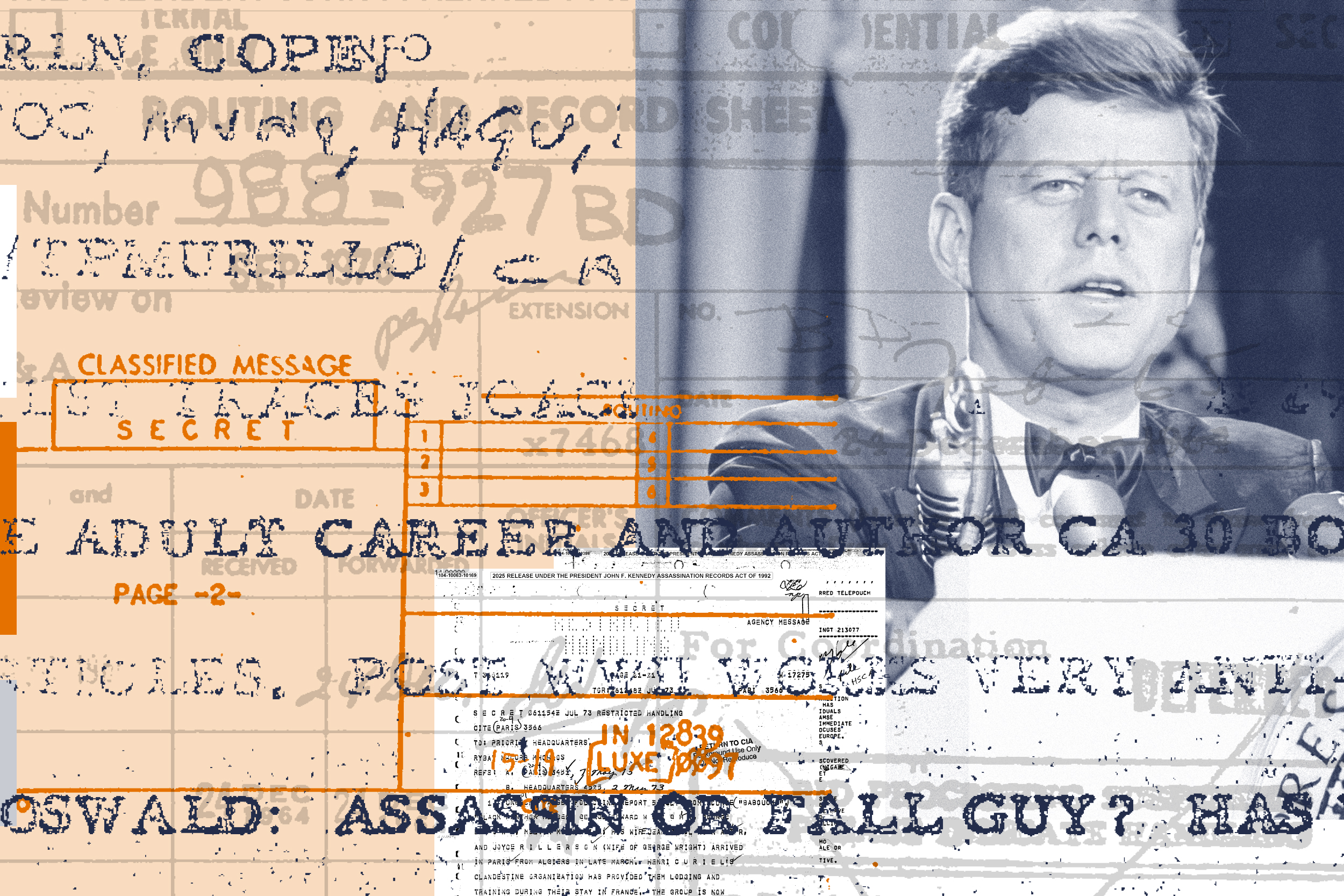
The sheer volume and heterogeneous nature of the JFK files – ranging from FBI reports and CIA memos to handwritten notes and photographic evidence – posed an insurmountable challenge for traditional manual review and analysis. Their release, often in tranches over decades, highlighted critical needs for efficient data handling, organization, and accessibility, pushing the boundaries of archival technology.
Archiving for Accessibility: From Paper to Pixels
The initial step in making the JFK files truly accessible has been their exhaustive digitization. This process is far more complex than simple scanning. It involves optical character recognition (OCR) technology, which converts scanned images of text into machine-readable text, making documents searchable. However, the quality of historical documents, diverse typefaces, and the prevalence of handwritten notes often present significant hurdles for even the most advanced OCR algorithms. Further advancements in handwriting recognition (HTR) are gradually unlocking insights from documents previously unsearchable by text. The objective is not just to digitize but to create a robust, indexed, and cross-referenced digital archive that allows researchers, journalists, and the public to navigate millions of pages with unprecedented ease. This infrastructure forms the bedrock for any meaningful technological analysis.
Overcoming Data Silos: Integrating Disparate Sources
A significant challenge with the JFK files, and indeed many large-scale historical archives, is the inherent siloed nature of their original creation. Documents originated from various government agencies, each with its own classification systems, record-keeping practices, and internal jargon. Integrating these disparate sources into a cohesive, searchable database requires sophisticated data integration platforms. These platforms employ metadata tagging, standardized indexing, and schema mapping to connect seemingly unrelated documents, reveal inter-agency communications, and build a more complete picture of events. The ability to link a CIA dispatch to an FBI report and then to a State Department cable, all with a few clicks, is a testament to advanced database architectures and information management systems.
Leveraging AI for Insight: Unlocking Narrative Threads
Once digitized and organized, the true power of modern technology comes to bear through artificial intelligence and machine learning. These tools are designed to go beyond simple keyword searches, enabling deeper semantic understanding and pattern recognition within massive datasets like the JFK files.
Natural Language Processing in Historical Context
Natural Language Processing (NLP) is at the forefront of extracting meaning from the vast textual content of the JFK files. NLP algorithms can perform entity extraction, identifying persons, organizations, locations, and key dates mentioned across millions of documents. This allows for the automated creation of timelines, relationship graphs, and network analyses that illustrate connections between individuals and groups in a way that would be impossible for human researchers to compile manually. Furthermore, sentiment analysis can sometimes gauge the tone and perspective within documents, though applying this to historical government communications requires careful calibration due to evolving language norms and professional detachment. Topic modeling, another NLP technique, can identify overarching themes and hidden narratives that emerge from clusters of related documents, even if those themes are not explicitly stated.
Pattern Recognition and Anomaly Detection

Beyond textual understanding, AI excels at pattern recognition. In the context of the JFK files, this means identifying unusual sequences of events, atypical communication patterns, or unexpected links between individuals or agencies that might suggest deviations from standard operating procedures or raise new questions. Machine learning models can be trained on known types of intelligence activities or bureaucratic processes to flag instances that diverge significantly from the norm. This anomaly detection capability can help researchers pinpoint documents or clusters of information that warrant closer human inspection, potentially uncovering previously overlooked inconsistencies or critical pieces of information. For instance, an AI might flag an unusually high frequency of communication between two specific, seemingly unrelated entities around a particular date, prompting further investigation.
Cybersecurity and the Integrity of Historical Records
The digitization and public release of sensitive historical documents also introduce critical cybersecurity considerations. Ensuring the authenticity, integrity, and controlled access to these digital archives is paramount, especially when dealing with documents that have been the subject of intense public scrutiny and speculation.
Protecting Sensitive Data in the Public Domain
While the JFK files are largely declassified, sensitive information may still exist within the broader context of national security archives that could be inadvertently exposed or exploited. Digital archiving systems must incorporate robust cybersecurity measures to prevent unauthorized access, data breaches, and leakage of any remaining classified material. This includes strong encryption protocols for data at rest and in transit, multi-factor authentication for administrative access, and regular security audits. The paradox lies in maximizing public access while simultaneously safeguarding national security interests that might still be sensitive decades later.
Verifying Authenticity and Preventing Manipulation
In an age of deepfakes and sophisticated digital manipulation, ensuring the authenticity and integrity of historical digital records is more crucial than ever. Blockchain technology, while often associated with cryptocurrencies, offers a compelling solution for creating immutable, verifiable records of document authenticity. By generating cryptographic hashes for each document and linking them in an unchangeable chain, any attempt to alter a digital file would be immediately detectable. This provides a high degree of confidence in the provenance and originality of the released materials, protecting against potential tampering and ensuring that “what the JFK files say” today is verifiably the same as what was released. Version control systems are also critical, meticulously tracking any redactions, additions, or modifications made to documents over time, maintaining a clear audit trail.
The Future of Historical Research: A Technological Perspective
The ongoing process of digitizing and analyzing the JFK files, along with countless other historical archives, sets a precedent for the future of historical research. Technology is not merely assisting historians; it is fundamentally reshaping the questions they can ask and the methods they employ.
Predictive Analytics in Historical Inquiry
While “predictive” in a historical context might seem anachronistic, advanced analytics can be used to identify historical patterns and relationships that, if extrapolated, might shed light on future decision-making processes or societal trends. By training machine learning models on vast datasets of historical events, political actions, and their outcomes, researchers can explore counterfactual scenarios or understand the potential long-term implications of past policy choices. For the JFK files, this could involve analyzing the interconnectedness of intelligence operations and policy decisions, helping to model the potential impact of similar covert actions in contemporary settings.
Citizen Science and Crowdsourced Archival Analysis
The sheer scale of archives like the JFK files makes comprehensive human review by a small team of experts almost impossible. Technology facilitates citizen science initiatives, where vast digital collections can be made available to a global community of amateur historians and enthusiasts. Platforms can enable crowdsourced tagging, transcription of difficult-to-read documents, and even preliminary analysis, effectively harnessing collective intelligence. Machine learning can then be used to validate, aggregate, and further process these crowd-generated insights, creating a powerful feedback loop that dramatically accelerates the pace of discovery. This democratizes access to information and distributes the analytical burden, ensuring that the full breadth of “what the JFK files say” is explored and understood by the widest possible audience.
Ultimately, the question of “what does the JFK files say” is evolving. It is no longer just about the words on paper, but how technology enables us to discover, connect, secure, and understand those words within a vast, intricate digital tapestry, forging new pathways for historical inquiry and government transparency.
aViewFromTheCave is a participant in the Amazon Services LLC Associates Program, an affiliate advertising program designed to provide a means for sites to earn advertising fees by advertising and linking to Amazon.com. Amazon, the Amazon logo, AmazonSupply, and the AmazonSupply logo are trademarks of Amazon.com, Inc. or its affiliates. As an Amazon Associate we earn affiliate commissions from qualifying purchases.