
In the intricate world of brand building and product differentiation, understanding the nuances of sensory attributes is paramount. For many consumer goods, particularly those derived from natural sources, the term “tannic” often emerges, carrying with it a blend of scientific truth and experiential perception. But beyond its chemical definition, “tannic” holds significant implications for brand strategy, influencing everything from product development and marketing narratives to consumer education and loyalty. For brands whose offerings inherently possess tannic qualities, articulating what “tannic” truly means is not just about educating the consumer; it’s about crafting a compelling identity and fostering a deeper connection with their audience.
The Essence of Tannins: Beyond the Dictionary
At its core, “tannic” refers to the presence and characteristics imparted by tannins – a class of astringent, bitter polyphenolic biomolecules found in plants, bark, leaves, and fruits. These compounds are naturally occurring and serve various protective functions for plants, such as deterring herbivores. For brands, however, the meaning of “tannic” extends far beyond this scientific definition, touching upon sensory experiences, product integrity, and an opportunity for distinctive brand storytelling.
A Chemical Perspective
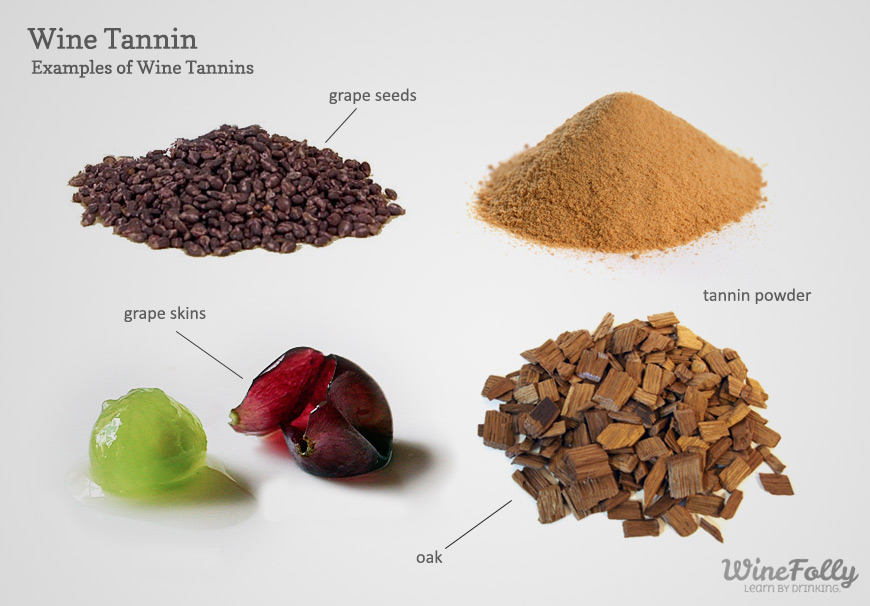
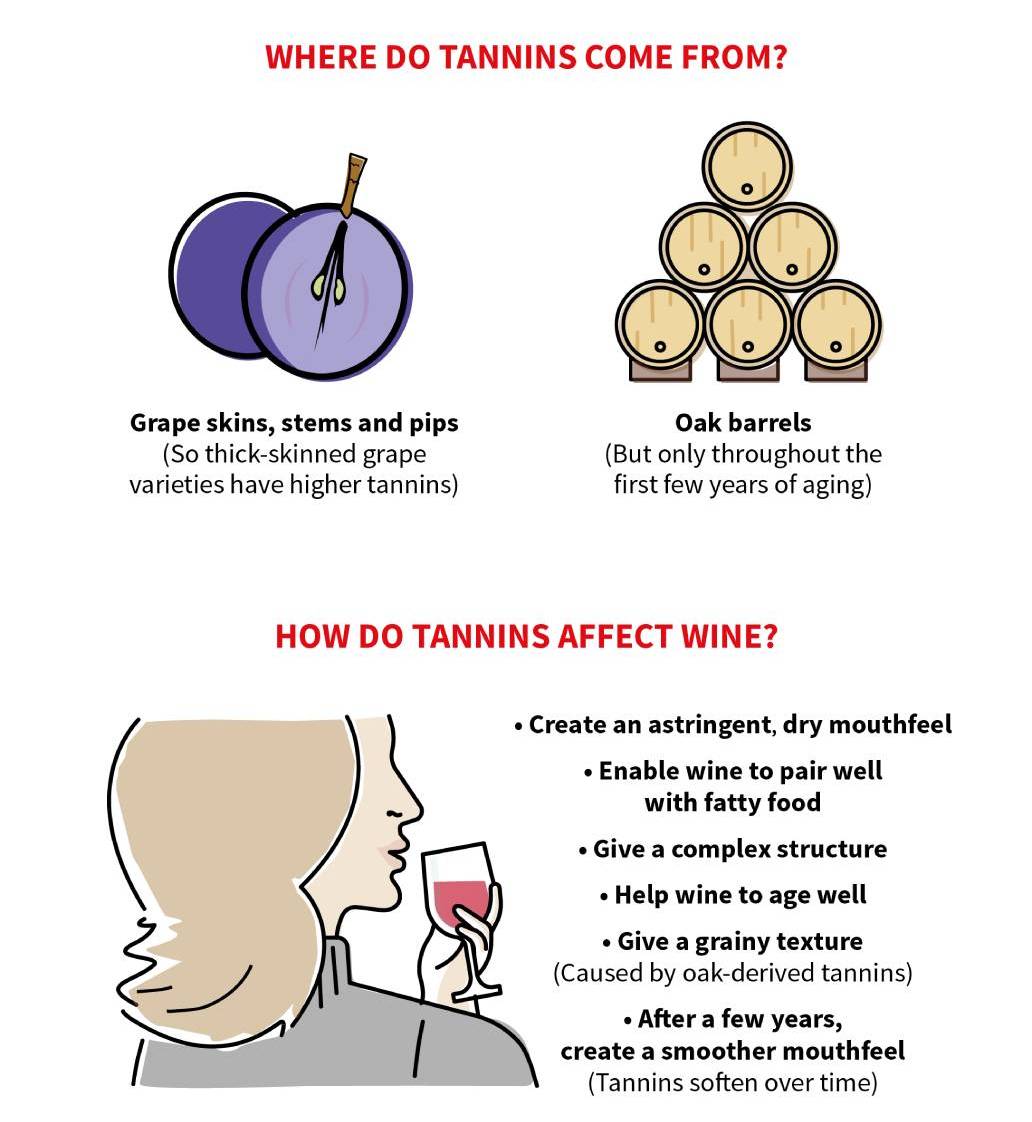
Chemically, tannins are classified into two main groups: hydrolyzable and condensed (proanthocyanidins). Hydrolyzable tannins are esters of gallic acid or ellagic acid with a polyol, typically glucose. Condensed tannins are polymers of flavan-3-ols. While the detailed chemistry might seem arcane to the average consumer, for brands, understanding these distinctions can be crucial for sourcing, processing, and quality control. For instance, grape skins, seeds, and stems contain condensed tannins, while oak barrels contribute hydrolyzable tannins to wine. Tea leaves are rich in condensed tannins. This foundational knowledge allows brands to manage and manipulate the tannic profile of their products, tailoring them to specific market preferences and brand visions.
Sensory Impact and Consumer Experience
The most immediate and impactful aspect of “tannic” for consumers is its sensory effect. Tannins are renowned for their astringency – a drying, puckering sensation in the mouth, often described as a feeling of rough or furry gums, rather than a taste of bitterness (though bitterness can also be present). This sensation arises from tannins binding with and precipitating proteins in saliva, reducing its lubricating ability.
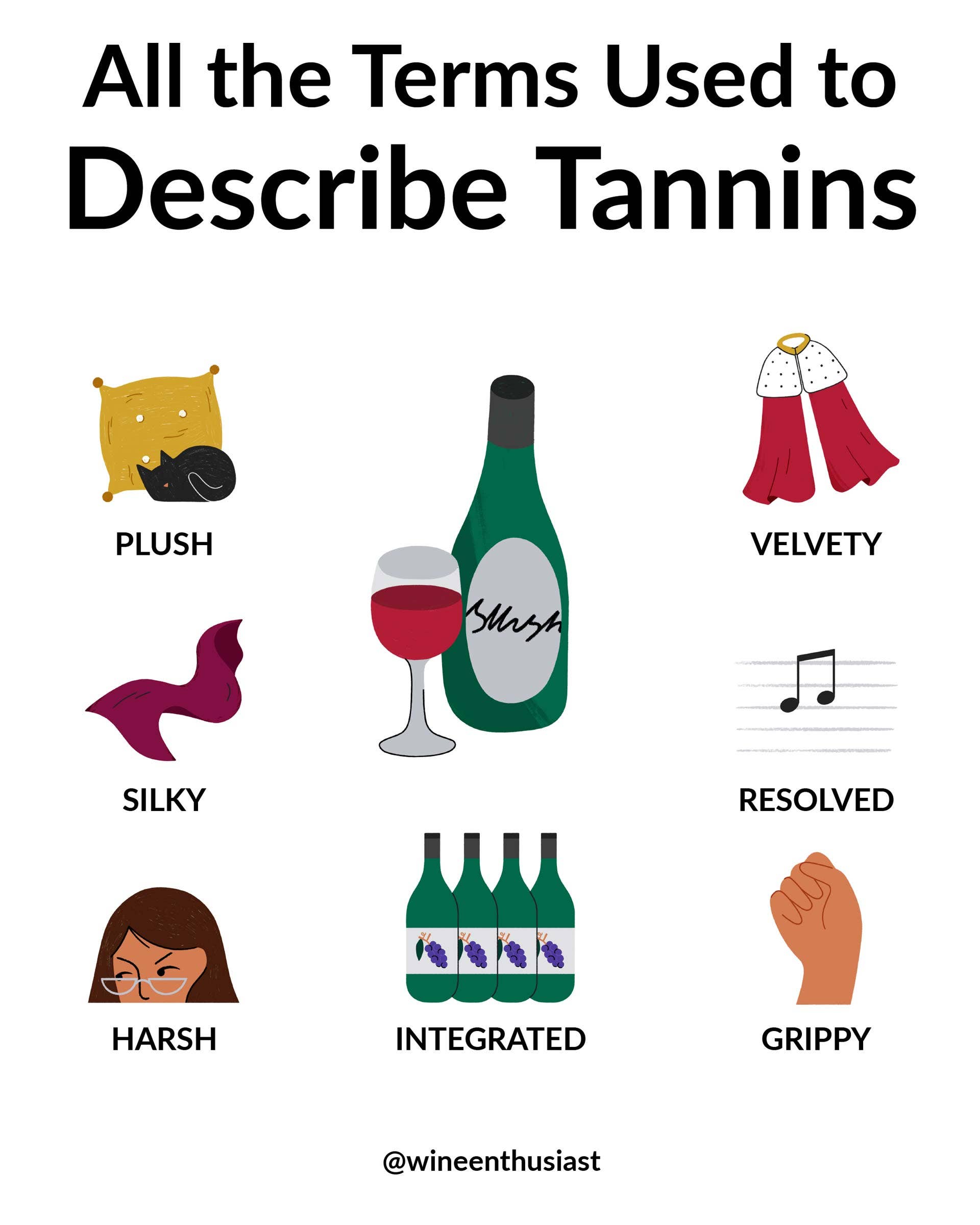
For brands, this sensory profile is a critical component of the product experience. A brand selling wine might describe its tannins as “firm” or “silky,” indicating texture and maturity. A tea brand might highlight the “brisk” or “robust” astringency of a black tea. The ability to articulate these complex sensations in an accessible and appealing manner is a hallmark of strong brand communication. It moves beyond mere description to evoke an experience, allowing consumers to anticipate and appreciate the unique characteristics of a product.
Tannic Attributes in Product Branding
The significance of “tannic” becomes particularly evident in industries where these compounds naturally define the product’s character. For brands operating in these sectors, leveraging the tannic profile is not just an option but often a necessity for competitive differentiation and market positioning.
Wine: The Quintessential Tannic Experience
Perhaps no industry epitomizes the strategic use of “tannic” more than winemaking. Tannins are fundamental to a wine’s structure, aging potential, and mouthfeel. Red wines, in particular, derive their tannic qualities from grape skins, seeds, and stems during fermentation, and subsequently from oak barrel aging.
Wine brands strategically communicate the tannic profile of their offerings to target specific consumer segments. A brand producing a young, fruit-forward wine might describe it as having “soft, approachable tannins,” appealing to new wine drinkers. Conversely, a premium brand specializing in age-worthy Cabernet Sauvignon might emphasize “bold, structured tannins” that promise complexity and evolution over time, targeting connoisseurs. The narrative around tannins helps define the wine’s personality, its suitability for food pairings, and its place within a broader portfolio. Brand storytelling often revolves around the vineyard’s terroir, grape varietal, and winemaking techniques, all of which contribute to the final tannic expression.
Tea and Coffee: Layers of Bitterness and Astringency
Beyond wine, tea is another beverage where tannins play a pivotal role. The distinct astringency in black teas, for instance, is largely due to condensed tannins. These compounds contribute to the body and “briskness” that tea enthusiasts often seek. Similarly, in coffee, while less prominent than in tea, certain roast levels or brewing methods can accentuate tannic notes, contributing to a perceived dryness or subtle bitterness.
Tea brands skillfully navigate these nuances. A brand offering a delicate green tea might highlight its “mild astringency” or “smooth finish,” distinguishing it from the more robust qualities of a black tea. For specialty tea brands, educating consumers about the diverse tannic profiles across different tea types (e.g., the complex, evolving astringency of pu-erh versus the crispness of a Darjeeling) is key to building an informed and loyal customer base. This educational approach transforms a chemical property into a desirable sensory trait, elevating the brand’s perception as an authority in its field.
Leather and Beyond: Crafting Durability and Character
The influence of tannins extends beyond comestibles. In the leather industry, “vegetable tanning” is a traditional process that uses tannins derived from bark, wood, and other plant matter to convert animal hides into durable, flexible leather. This method imparts a unique character, aroma, and longevity to the material that synthetic tanning agents cannot replicate.
For luxury and artisanal leather brands, emphasizing “vegetable-tanned leather” is a powerful branding strategy. It speaks to authenticity, heritage, and sustainability. Such brands position themselves by highlighting the natural origins of their materials, the skilled craftsmanship involved, and the inherent beauty of leather that develops a rich patina over time due to the tannin interaction. This choice of tanning process becomes a cornerstone of their corporate identity, appealing to consumers who value quality, durability, and environmentally conscious production methods.
Communicating “Tannic” in Brand Strategy
Effectively communicating the concept of “tannic” is a strategic imperative for brands whose products are defined by this attribute. It’s about translating a complex chemical and sensory phenomenon into clear, compelling, and brand-aligned messaging.
Educating the Consumer: From Jargon to Understanding
One of the primary challenges for brands is to demystify “tannic” without oversimplifying it. Consumers may initially associate “tannic” with undesirable bitterness or dryness. Brands must provide context and education, explaining why tannins are present, what sensory experience they impart, and how they contribute to the overall quality and enjoyment of the product. This can be achieved through various channels:
- Website Content: Dedicated sections explaining tannins in an accessible language.
- Product Descriptions: Using evocative, descriptive adjectives (e.g., “velvety,” “firm,” “silky,” “robust,” “brisk”) instead of just “tannic.”
- Social Media: Engaging posts, infographics, or short videos that break down the concept.
- In-store Experiences/Tastings: Guided explanations from knowledgeable staff.
By transforming “tannic” from jargon into an understood and appreciated characteristic, brands empower consumers to make more informed choices and deepen their appreciation for the product.
Differentiating Through Tannic Profiles
In highly competitive markets, a brand’s unique tannic profile can be a powerful differentiator. Consider the vast array of red wines available; a brand that can articulate how its specific winemaking techniques (e.g., longer maceration, specific oak aging, unique grape clones) result in a distinct tannic signature gains an edge. This precision in describing “tannic” qualities allows brands to carve out niches and appeal to specific preferences.
For example, a tea brand might highlight that its loose-leaf pu-erh has “earthy tannins that soften and mellow with age,” appealing to collectors and connoisseurs. This level of detail distinguishes them from mass-market brands and signals expertise and dedication to quality.
The Role of Sensory Marketing
“Tannic” is fundamentally a sensory attribute. Therefore, effective communication often relies on sensory marketing strategies. Brands can use language that appeals to touch (mouthfeel), sight (color, visual texture), and even sound (the subtle crunch of certain tannic foods) to build a holistic picture. Creating tasting notes, flavor wheels, or descriptive glossaries specifically tailored to their product’s tannic characteristics can guide consumers through the sensory journey, enhancing their perception of the brand’s expertise and quality. This deep engagement with the sensory experience builds a more memorable and compelling brand story.
Building Brand Trust Around Complex Attributes
Ultimately, successfully defining and communicating what “tannic” means is about building trust. When brands embrace and explain complex attributes rather than shying away from them, they signal transparency, expertise, and a commitment to quality.
Authenticity and Transparency
Consumers increasingly value authenticity. For brands rooted in natural products, embracing the inherent qualities, including the potentially challenging ones like astringent tannins, fosters a sense of honesty. A brand that educates its consumers about the natural origins and functions of tannins, rather than trying to mask them, builds a stronger, more credible reputation. This transparency creates a bond of trust, as consumers feel respected and informed.
Curating a Tannic Narrative
The journey of understanding “tannic” transforms from a simple definition into a rich narrative woven into the fabric of a brand’s identity. This narrative can include the history of the ingredient, the science behind its properties, the artistry of its cultivation or processing, and the unique experience it offers. For brands in the wine, tea, coffee, or leather industries, the story of “tannic” is often intertwined with their heritage, craftsmanship, and commitment to delivering exceptional products. By curating this narrative, brands elevate “tannic” from a mere attribute to a significant component of their brand promise, inviting consumers into a deeper appreciation of their offerings and fostering enduring loyalty.
aViewFromTheCave is a participant in the Amazon Services LLC Associates Program, an affiliate advertising program designed to provide a means for sites to earn advertising fees by advertising and linking to Amazon.com. Amazon, the Amazon logo, AmazonSupply, and the AmazonSupply logo are trademarks of Amazon.com, Inc. or its affiliates. As an Amazon Associate we earn affiliate commissions from qualifying purchases.