
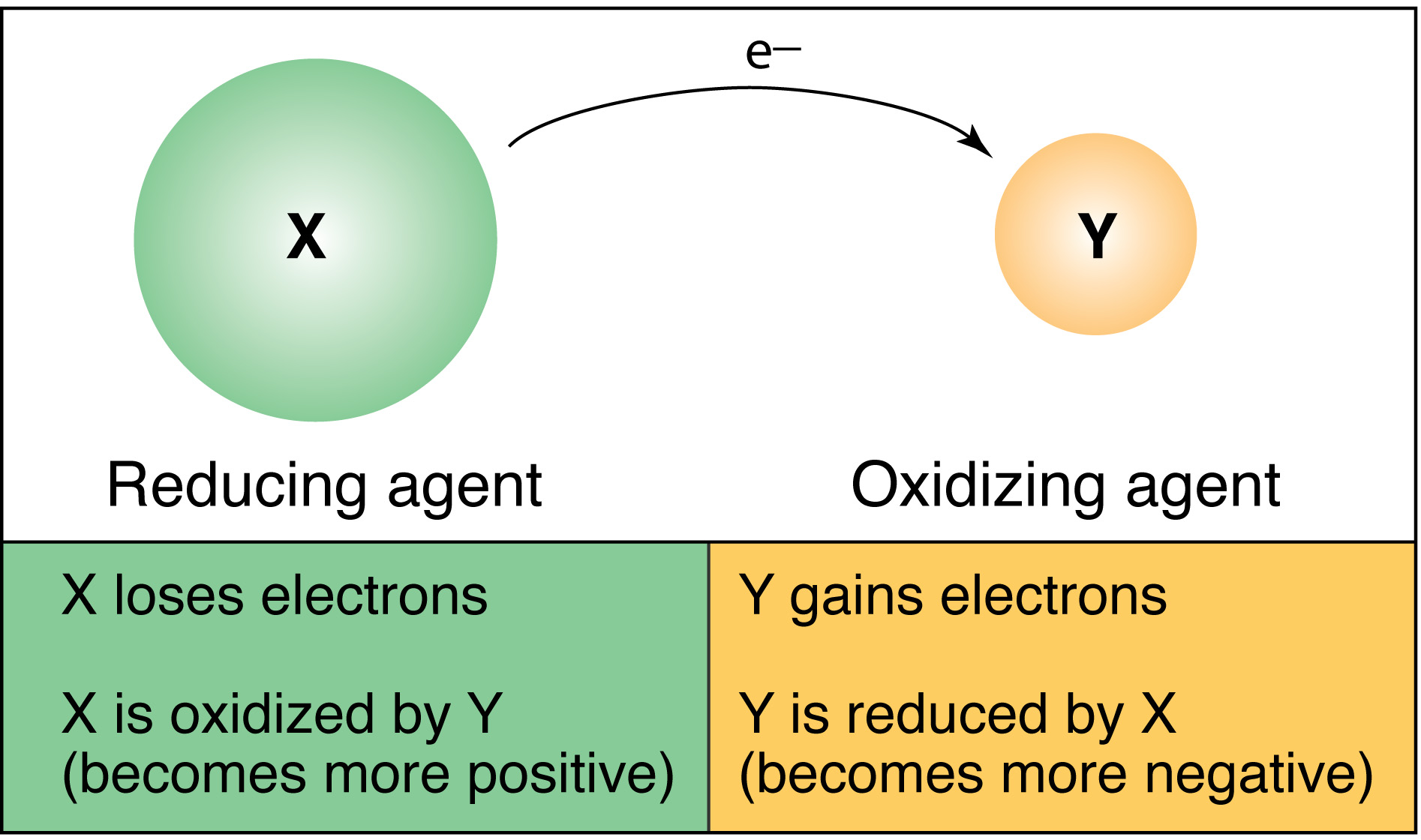
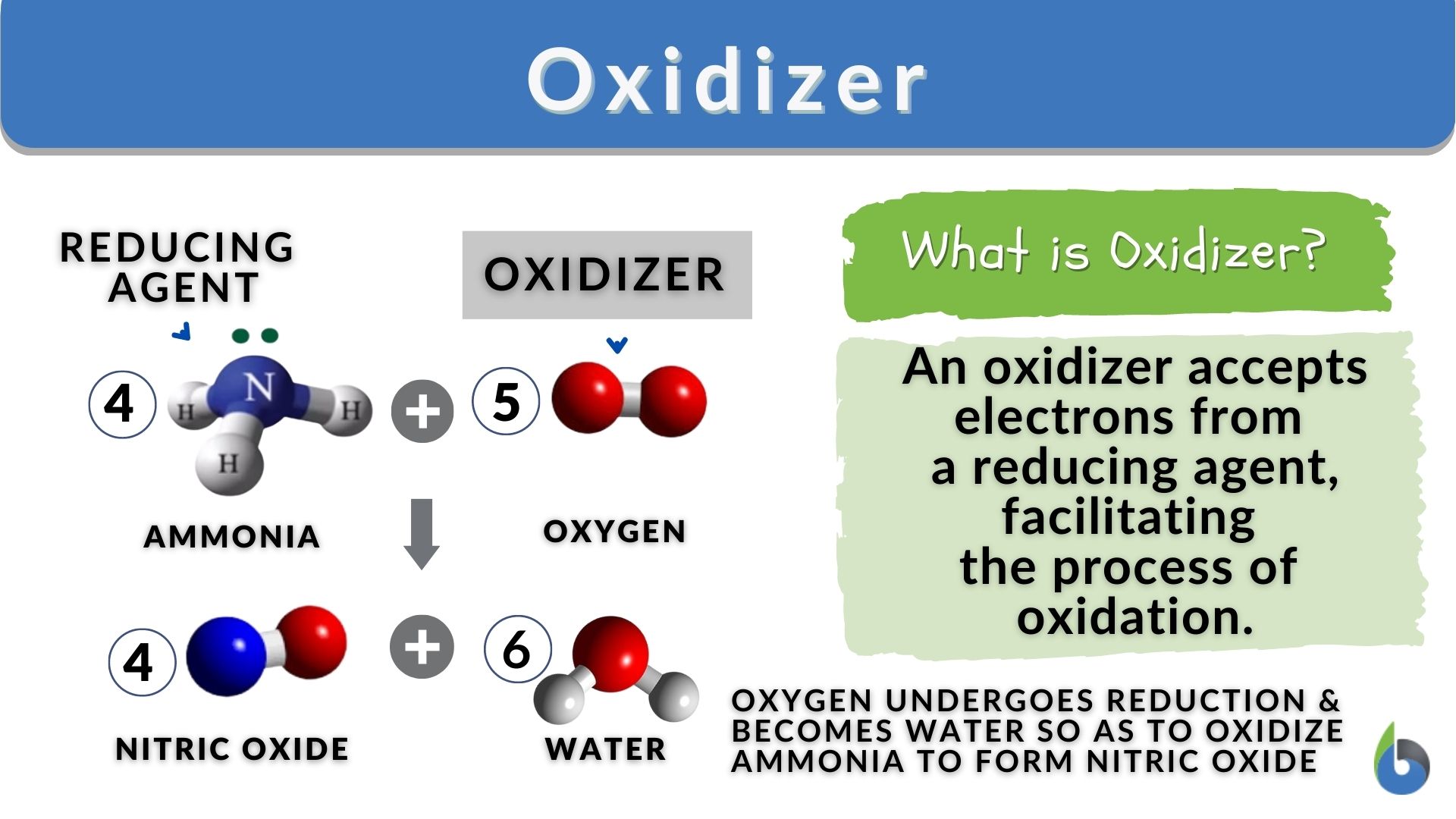
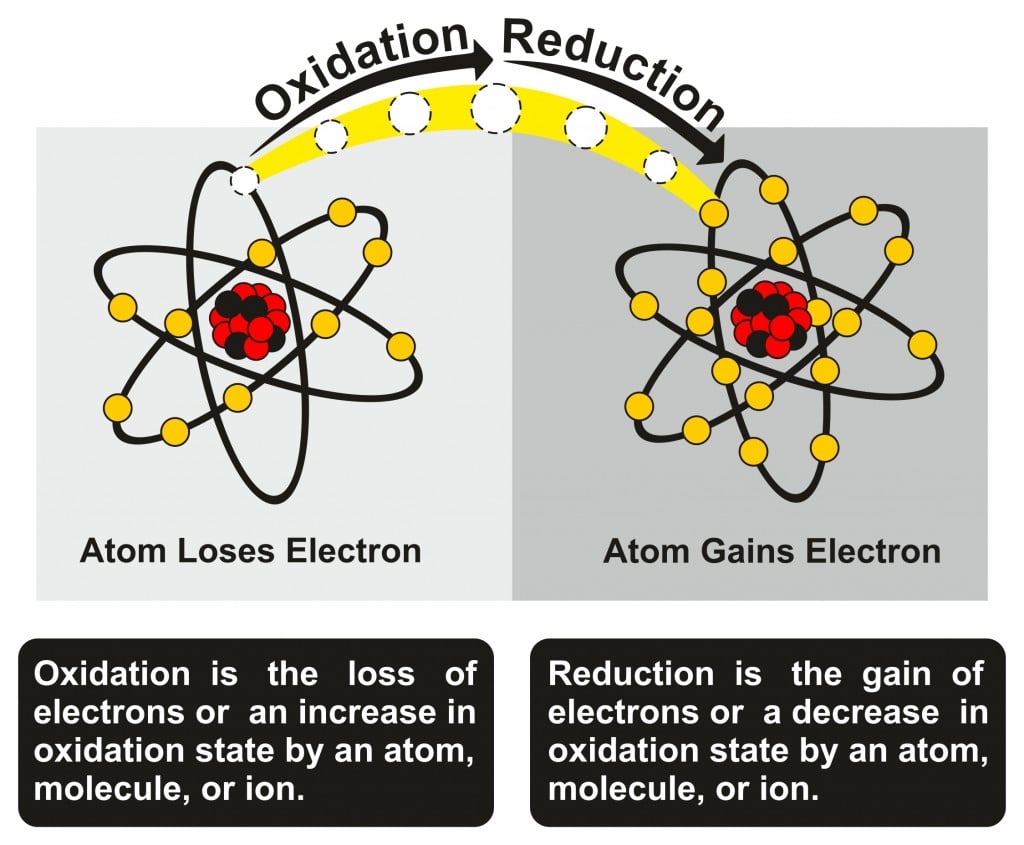
To oxidize something, in its most fundamental chemical sense, means for it to lose electrons. This loss of electrons results in an increase in the oxidation state of an atom, molecule, or ion. While often associated with the addition of oxygen (hence the name, as oxygen is a potent electron acceptor), oxidation is a broader concept that describes any process where electron transfer leads to a chemical species becoming more positively charged or less negatively charged. For the tech world, understanding and controlling oxidation is not merely a theoretical exercise; it is an omnipresent force dictating the lifespan, performance, manufacturing processes, and fundamental capabilities of virtually every piece of technology we use.
The Foundational Chemistry and Its Technological Implications
At its core, oxidation is one half of a redox (reduction-oxidation) reaction. When something is oxidized, another substance must simultaneously be reduced, meaning it gains the electrons lost by the oxidized species. This electron exchange is the engine behind countless chemical reactions, and its management is critical in technological innovation.
Consider the simplest example: the rusting of iron. Here, iron atoms lose electrons to oxygen atoms, forming iron oxides. This uncontrolled oxidation leads to material degradation, a pervasive issue across all industries, especially those relying on metallic components. However, controlled oxidation is equally vital. For instance, in semiconductor manufacturing, precise oxidation of silicon forms the insulating layers essential for microprocessors, demonstrating how this fundamental chemical process can be both a destructive enemy and an indispensable ally.
Oxidation’s Double-Edged Sword in Electronics and Hardware
The longevity and reliability of electronic devices are heavily influenced by oxidative processes, making mitigation and strategic utilization paramount.
The Bane of Corrosion and Degradation
Corrosion, the gradual destruction of materials (usually metals) by chemical reaction with their environment, is a direct consequence of undesirable oxidation. In consumer electronics, server farms, and critical infrastructure, corrosion can lead to circuit failures, weakened structural components, and overall system breakdown. For example, solder joints in printed circuit boards can oxidize, increasing electrical resistance and eventually causing intermittent connections or complete failures. Similarly, the internal components of smartphones or laptops exposed to humidity can suffer from accelerated oxidation, reducing their operational lifespan.
Engineers combat this by employing various strategies:
- Material Selection: Using corrosion-resistant alloys, such as stainless steel or aluminum, where appropriate.
- Protective Coatings: Applying thin films of less reactive metals (like gold or silver on contact points), polymers, or ceramic coatings to isolate susceptible materials from oxygen and moisture.
- Hermetic Sealing: Enclosing sensitive electronic components in airtight enclosures to prevent environmental exposure.
Semiconductor Fabrication: A Controlled Oxidative Art
Paradoxically, controlled oxidation is an absolutely crucial step in the creation of modern microprocessors and memory chips. Silicon, the backbone of these devices, is intentionally oxidized to form silicon dioxide (SiO₂). This SiO₂ layer serves multiple vital functions:
- Insulation: It acts as an excellent electrical insulator, separating different parts of a transistor and preventing current leakage.
- Gate Dielectric: In MOSFETs (Metal-Oxide-Semiconductor Field-Effect Transistors), the thin SiO₂ layer beneath the gate electrode controls the flow of electrons, enabling the transistor to switch on and off.
- Passivation: It protects the underlying silicon from further unwanted chemical reactions and contamination.
The precision required for this oxidation process is astounding, often involving high temperatures and specialized atmospheres to grow oxide layers just a few nanometers thick. Deviations in this process can lead to defects, impacting chip performance and yield.
Powering Our World: Oxidation in Energy Technologies
The ability to store and convert energy efficiently is at the heart of modern technology, and oxidation plays a central role in nearly every energy system, from batteries to fuel cells.
Battery Chemistry and Lifespan
Rechargeable batteries, such as the ubiquitous lithium-ion (Li-ion) batteries found in everything from smartphones to electric vehicles, operate on the principle of reversible redox reactions. During discharge, the active material at the anode undergoes oxidation, releasing electrons that flow through the external circuit to power a device. Simultaneously, the cathode material undergoes reduction, accepting these electrons. During charging, the process is reversed.
However, repeated cycling and side reactions can lead to irreversible oxidation of electrode materials or electrolyte components, reducing the battery’s capacity and overall lifespan. For instance, the formation of a Solid Electrolyte Interphase (SEI) layer on the anode surface, while initially beneficial for battery stability, can grow excessively due to oxidative degradation of the electrolyte, impeding lithium ion transport. Battery researchers constantly strive to design electrode materials and electrolytes that resist undesirable oxidative degradation, ensuring longer battery life and improved safety.
Fuel Cells: Direct Energy from Controlled Oxidation
Fuel cells represent another powerful application of controlled oxidation. These devices convert the chemical energy of a fuel (often hydrogen) and an oxidizing agent (usually oxygen from the air) into electricity through a pair of redox reactions. At the anode, hydrogen is oxidized, producing protons and electrons. The electrons travel through an external circuit, generating current, while the protons pass through an electrolyte membrane to the cathode. At the cathode, oxygen is reduced, combining with the protons and electrons to form water. This process is highly efficient and produces very few pollutants, making fuel cells a promising technology for clean energy generation in vehicles, stationary power, and portable electronics.
Mitigating and Harnessing Oxidation for Advanced Tech
The technological landscape is a continuous battle against and embrace of oxidation. Innovations often arise from new ways to manage this fundamental process.
Advanced Protective Coatings and Passivation
Beyond traditional paints and platings, material scientists are developing advanced protective coatings using techniques like atomic layer deposition (ALD) and chemical vapor deposition (CVD). These methods can apply ultrathin, conformal layers of ceramics or polymers that offer superior protection against oxidative environments, critical for components in harsh industrial settings, aerospace, or even biomedical implants. Passivation, the creation of a stable, often oxide-based, protective layer on a metal surface (e.g., on stainless steel or aluminum), is another key strategy that allows metals to resist further corrosion.
Antioxidants in Tech: Beyond Health Supplements
While commonly associated with biology, antioxidants play a vital role in preventing oxidative degradation in many technological materials. For example, polymers used in cables, casings, and structural components are susceptible to oxidation, which can lead to embrittlement, cracking, and loss of mechanical properties. Stabilizers and antioxidant additives are incorporated into these materials during manufacturing to scavenge free radicals and interrupt oxidative chain reactions, significantly extending the lifespan and reliability of plastic components in electronics, automotive parts, and infrastructure. Similarly, lubricants and oils in mechanical systems contain antioxidants to prevent their degradation under high temperatures and pressures, ensuring smooth operation and preventing wear.
Controlled Oxidation for Nanofabrication
At the nanoscale, controlled oxidation becomes an even more precise tool. Techniques like thermal oxidation are used to define the geometry of nanowires or create precisely dimensioned nanostructures. Electrochemical oxidation can be employed for etching or surface modification at the atomic level, enabling the fabrication of advanced sensors, catalysts, and next-generation electronic components. Understanding the kinetics and thermodynamics of oxidation at these scales allows engineers to build increasingly complex and functional devices with unprecedented precision.
In conclusion, understanding what it means to oxidize something is far from an academic curiosity in the realm of technology. It is a foundational concept whose mastery is essential for innovating, optimizing performance, ensuring reliability, and extending the lifespan of virtually every tech product and system we rely upon. From designing corrosion-resistant hardware and fabricating microchips to developing advanced batteries and clean energy solutions, the strategic management of oxidation is a cornerstone of technological progress.
aViewFromTheCave is a participant in the Amazon Services LLC Associates Program, an affiliate advertising program designed to provide a means for sites to earn advertising fees by advertising and linking to Amazon.com. Amazon, the Amazon logo, AmazonSupply, and the AmazonSupply logo are trademarks of Amazon.com, Inc. or its affiliates. As an Amazon Associate we earn affiliate commissions from qualifying purchases.