
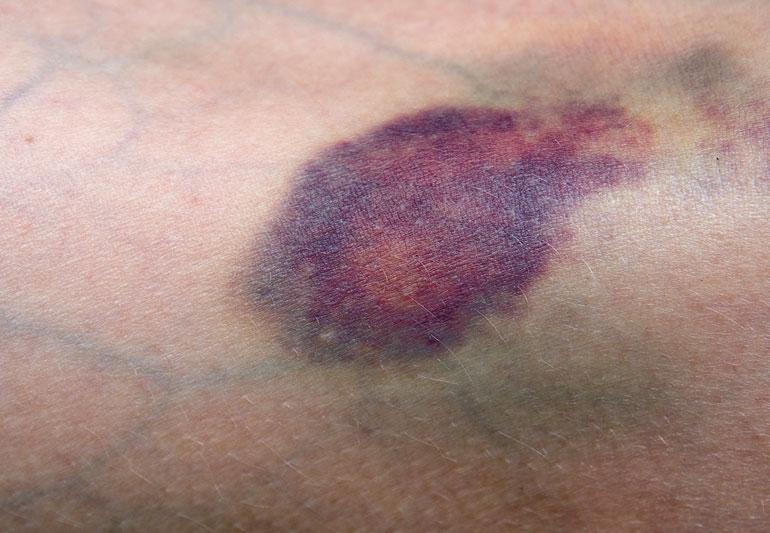
The appearance of bruises, especially with minimal trauma, can often trigger concerns about underlying health. While the immediate thought might gravitate towards medical causes and physical well-being, it’s crucial for individuals to also consider the financial implications. Easy bruising, whether a benign occurrence or a symptom of a more serious condition, can set off a chain of events that directly impacts personal finance, from healthcare expenses to potential income disruptions and the need for robust financial planning. Understanding these financial facets is key to managing not just your health, but your economic stability.

The Hidden Costs of Investigating Health Signals
When easy bruising becomes a noticeable pattern, the first logical step is often a visit to a healthcare professional. This initial inquiry, while necessary for diagnosis and peace of mind, immediately introduces financial considerations.
Initial Medical Consultation & Diagnostics
A primary care visit typically incurs a co-pay or a deductible expense, depending on your health insurance plan. If the doctor deems further investigation necessary, a cascade of diagnostic tests may follow. Blood tests, for instance, are common for evaluating clotting factors, platelet counts, and liver function, which can be indicators of why someone bruises easily. Each test comes with its own cost, and while insurance may cover a significant portion, out-of-pocket expenses can quickly accumulate, especially if you haven’t met your annual deductible. Specialists, such as hematologists, may also be recommended, leading to additional consultation fees. Without adequate insurance coverage or a dedicated health savings account (HSA), these initial steps can become a surprising drain on immediate funds.
Ongoing Treatment and Medication Expenses
Should a medical condition be identified as the cause of easy bruising, ongoing treatment may be required. This could range from specific medications, which can be costly, especially for chronic conditions, to dietary supplements or even more intensive therapies. Regular monitoring, follow-up appointments, and repeat diagnostic tests to assess treatment efficacy further add to the financial burden over time. For individuals on fixed incomes or those without comprehensive prescription drug coverage, these recurring expenses can significantly strain a budget, potentially forcing difficult choices between necessary medical care and other essential living costs. Proactive financial planning involves anticipating these potential long-term costs and ensuring your insurance plan or personal savings can adequately support them.
Impact on Income and Employment
Beyond direct medical costs, the health issues potentially indicated by easy bruising can have a profound impact on an individual’s ability to work and earn income, thereby affecting their overall financial stability.
Work Absences and Lost Wages
Investigating and managing a health condition that causes easy bruising often requires time off work. This could be for doctor’s appointments, diagnostic procedures, or even recovery from treatments. For hourly wage earners or those without generous paid sick leave, these absences directly translate into lost income. Even salaried employees might find their sick leave accruals depleted, potentially leading to unpaid leave if a prolonged period of investigation or treatment is required. The cumulative effect of lost wages can be substantial, disrupting household budgets and making it harder to meet regular financial obligations like rent, mortgage payments, or loan repayments. This underscores the importance of an emergency fund that can cover living expenses during periods of reduced or lost income due to health issues.

Career Adjustments and Earning Potential
In more severe cases, a diagnosed condition might necessitate significant career adjustments. Certain professions involve physical labor or environments where easy bruising could pose a greater risk or lead to complications. An individual might be advised to switch roles, reduce hours, or even take a break from their career entirely. This can lead to a decrease in earning potential, a stalled career trajectory, or the need to retrain for a less physically demanding field, all of which have long-term financial ramifications. For entrepreneurs or self-employed individuals, a health issue can halt business operations, leading to a direct and immediate loss of revenue and potentially impacting client relationships. Assessing the financial resilience of one’s career choice against potential health challenges becomes an important aspect of long-term financial planning.
The Role of Insurance and Financial Planning
Navigating the financial landscape when dealing with health concerns like easy bruising heavily relies on robust insurance coverage and proactive financial planning. These tools are your primary defense against unexpected and escalating costs.
Navigating Health Insurance Coverage
Understanding your health insurance policy is paramount. Different plans offer varying levels of coverage for doctor visits, specialists, diagnostic tests, and prescription medications. High-deductible plans, while offering lower monthly premiums, require significant out-of-pocket spending before coverage kicks in, making an HSA or health-specific savings account crucial. Conversely, plans with higher premiums might offer more comprehensive coverage with lower co-pays, but require a higher monthly financial commitment. It’s essential to compare plans annually during open enrollment, considering not just the premium but also deductibles, co-pays, out-of-pocket maximums, and the network of providers. A thorough understanding can prevent financial surprises and ensure access to necessary care without undue burden.
Building an Emergency Health Fund
Beyond general emergency savings, a dedicated emergency health fund is invaluable. This fund should be separate and specifically earmarked for unexpected medical expenses, such as unforeseen deductibles, co-insurance, prescription costs, or even travel expenses for specialist visits. Aiming for at least three to six months’ worth of essential living expenses, including a buffer for potential medical costs, provides a critical safety net. This fund can cushion the financial blow of initial investigations and ongoing treatments, preventing debt accumulation and allowing individuals to focus on their health rather than financial stress. Starting small and contributing regularly, even modest amounts, can build a substantial fund over time.
Long-Term Financial Planning for Chronic Conditions
If easy bruising is diagnosed as a symptom of a chronic condition, long-term financial planning becomes even more critical. This involves integrating projected medical costs into your annual budget, considering inflation effects on healthcare expenses, and potentially re-evaluating retirement savings goals if a significant portion of income needs to be diverted to medical care. Engaging with a financial advisor who specializes in planning for individuals with chronic health conditions can provide tailored strategies, including exploring specific trusts or investment vehicles designed to manage long-term medical costs. This forward-looking approach helps maintain financial stability over many years, ensuring that health challenges don’t completely derail other financial aspirations.
Preventative Financial Measures for Health Uncertainty
While some health issues are unavoidable, there are proactive financial steps individuals can take to mitigate the financial impact of health uncertainties, including those signaled by symptoms like easy bruising.
Investing in Wellness to Mitigate Future Costs
Perhaps the most fundamental preventative financial measure is investing in overall health and wellness. A healthy lifestyle, including a balanced diet, regular exercise, adequate sleep, and stress management, can reduce the likelihood of developing many chronic conditions that might manifest with symptoms like easy bruising or require extensive medical intervention. While healthy food and gym memberships have their own costs, these are often dwarfed by the expenses associated with managing serious illnesses. Viewing wellness as a long-term investment in your financial future, not just your physical health, encourages healthier choices that can save significant money down the line in reduced medical bills and prescriptions.
Understanding Disability and Critical Illness Coverage
Beyond standard health insurance, supplemental policies like long-term disability insurance and critical illness insurance offer crucial financial protection. Long-term disability insurance can replace a significant portion of your income if you become unable to work due to illness or injury for an extended period. This is particularly relevant if a condition causing easy bruising leads to debilitating symptoms that prevent employment. Critical illness insurance, on the other hand, pays out a lump sum upon diagnosis of a specified critical illness (like certain cancers, heart attack, or stroke), which can be used to cover medical expenses, lost income, or any other financial need during a challenging time. For those with a family history of conditions that might cause easy bruising and could lead to serious health issues, these policies represent a prudent financial safeguard against potentially devastating economic impacts. Evaluating these options as part of a comprehensive financial plan provides an additional layer of security.
aViewFromTheCave is a participant in the Amazon Services LLC Associates Program, an affiliate advertising program designed to provide a means for sites to earn advertising fees by advertising and linking to Amazon.com. Amazon, the Amazon logo, AmazonSupply, and the AmazonSupply logo are trademarks of Amazon.com, Inc. or its affiliates. As an Amazon Associate we earn affiliate commissions from qualifying purchases.