
The Essence of Diecast: Crafting Miniature Brand Identity
A diecast car, at its core, is more than just a miniature vehicle; it is a meticulously crafted representation, a tangible emblem of both the original automotive design and the brand that produces the model. The very nature of its creation ties intrinsically into concepts of corporate identity, precision marketing, and consumer perception. Understanding what a diecast car is begins with its fundamental manufacturing process and how this process serves the overarching goal of brand fidelity.
Definition and Manufacturing Process
The term “diecast” refers to the method of production, specifically die casting, where molten metal—typically a zinc alloy known as Zamak—is injected under high pressure into steel molds. This process allows for the creation of intricate, highly detailed, and consistently uniform parts, which are essential for replicating the complex lines and features of real automobiles. Once the metal body and chassis are cast, they undergo finishing processes, including trimming, painting, and the attachment of smaller plastic or rubber components like wheels, windows, and interiors. The precision inherent in die-casting is paramount for diecast manufacturers. It ensures that the final product accurately mirrors the intended design, thereby upholding the brand’s promise of realism and quality. For brands specializing in automotive replicas, this manufacturing technique is not merely an industrial process; it is a critical tool for maintaining product integrity and reinforcing their identity as purveyors of authentic miniature representations.

Scale and Detail: The Blueprint of Brand Fidelity
The accuracy and level of detail in a diecast car are direct reflections of the brand’s commitment to quality and authenticity. Diecast models are produced in various standardized scales, with 1:64, 1:43, and 1:18 being among the most common. Each scale presents its own challenges and opportunities for design and brand representation. A 1:64 scale model, often associated with mass-market brands like Hot Wheels, must capture the essence of a vehicle in a compact form, relying on distinctive features and bold colors to convey its identity. In contrast, larger scales, such as 1:18, allow for excruciating levels of detail, including functional doors, opening hoods revealing engine replicas, detailed interiors, and accurate badging. These larger, more detailed models cater to a discerning collector base, where the diecast brand’s reputation hinges on its ability to replicate every curve, panel gap, and emblem with exacting precision. The fidelity to the original vehicle’s design, from the precise curvature of a fender to the intricate pattern of a headlight, is a testament to the diecast manufacturer’s design prowess and reinforces both the brand value of the model and the respect for the original automotive marque it represents.
From Plaything to Prestige: Marketing and Brand Evolution
The journey of diecast cars from simple children’s toys to highly sought-after collector’s items is a compelling narrative of evolving marketing strategies, brand perception, and a sophisticated understanding of consumer psychology. Diecast manufacturers have adeptly navigated shifts in market demand, transforming their corporate identity from pure toy producers to creators of prized miniature art, leveraging strategic marketing and design to achieve this evolution.
Early Marketing and Mass Appeal
In their formative years, diecast cars, exemplified by brands like Matchbox and Hot Wheels, were predominantly marketed to children. The core strategy revolved around affordability, durability, and a wide variety of models that encouraged repeat purchases and collection. Marketing campaigns focused on vibrant packaging, playsets, and the aspirational appeal of owning miniature versions of real-world vehicles, often presented in exciting, high-energy advertisements. The brand identity cultivated during this era was one of fun, accessibility, and imaginative play. For children, a diecast car wasn’t just a toy; it was a passport to adventure, a miniature symbol of freedom and speed, solidifying these brands’ positions as household names in the children’s entertainment market. This mass-market approach built a broad consumer base and ingrained diecast cars into the cultural consciousness, setting the stage for future brand diversification.
Elevating Status: Niche Marketing and Collectible Branding
As original consumers grew older, a secondary market and interest in higher-quality, more detailed models began to emerge. Recognizing this, diecast brands strategically shifted portions of their focus towards adult collectors, redefining their corporate identity to encompass both mass-market appeal and niche luxury. This involved introducing limited editions, models with enhanced detail and premium materials, and sophisticated packaging. Marketing efforts began to emphasize craftsmanship, rarity, and the investment potential of specific models. Brands like AutoArt, Kyosho, and Minichamps positioned themselves at the premium end, catering to enthusiasts willing to pay for unparalleled accuracy and exclusivity. This move not only broadened the market but also elevated the perceived value and prestige of diecast collecting, transforming it from a childhood pastime into a sophisticated hobby. The deliberate cultivation of exclusivity and a focus on historical accuracy became central to their brand narratives, appealing to a demographic that values artistry and heritage.
The Power of Licensing and Collaboration
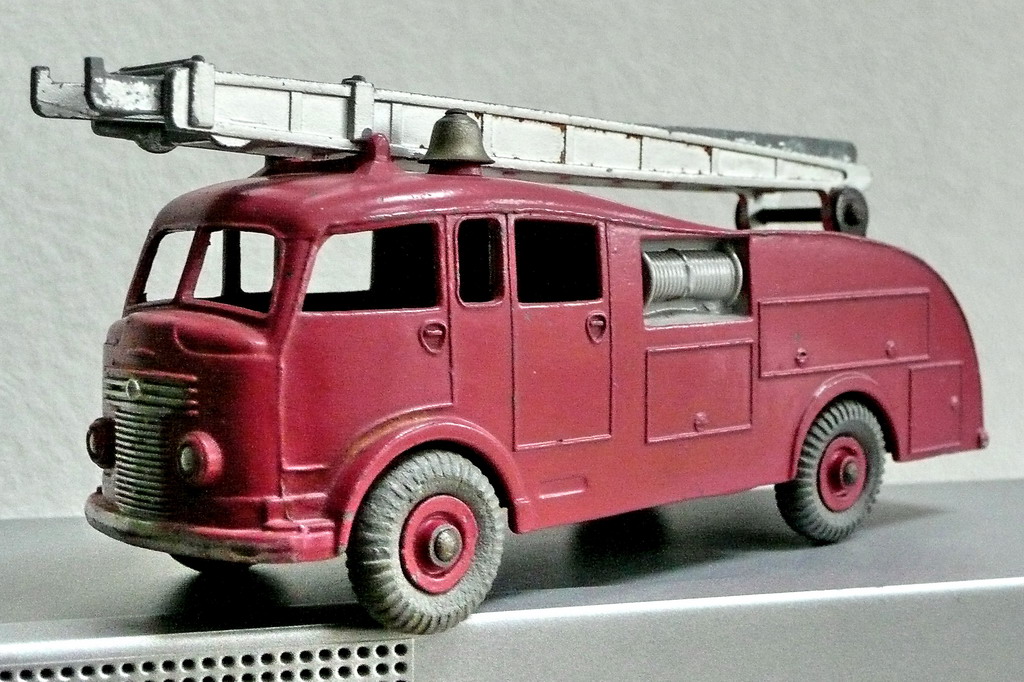
A cornerstone of the diecast industry’s branding strategy is the pervasive use of official licensing and collaboration with real automotive manufacturers. For a diecast model to accurately represent a Ferrari, Porsche, or Ford Mustang, it typically requires licensing agreements with the respective car companies. This is a mutually beneficial arrangement: the diecast manufacturer gains the authority to replicate the vehicle’s design, logos, and branding elements, which is crucial for authenticity and market credibility. In return, the automotive brand receives royalties and benefits from increased brand exposure and reinforcement of its legacy among enthusiasts. These collaborations extend beyond mere permission; they often involve sharing design specifications, CAD data, and color palettes to ensure maximum accuracy. Such strategic partnerships are vital for building trust with consumers, assuring them that the diecast product is an authorized, high-quality representation. This integration of official branding elements not only enhances the diecast product’s marketability but also intertwines the identities of the diecast maker and the original car manufacturer, creating a powerful synergy in the automotive and collectible markets.
Design as a Strategic Asset: Aesthetics, Authenticity, and Market Positioning
In the competitive landscape of diecast models, design is not merely an aesthetic consideration; it is a critical strategic asset that dictates market positioning, consumer appeal, and ultimately, a brand’s corporate identity. The meticulous attention to design details, from initial replication to final presentation, transforms a simple model into a covetable item that embodies authenticity and value.
Replicating Reality: The Art of Diecast Design
The journey of a diecast car begins with the profound challenge of replicating a full-sized automobile in miniature, a process that demands an acute understanding of industrial design principles and meticulous attention to detail. Diecast designers work with original blueprints, CAD data, and photographic references provided by automotive manufacturers to ensure fidelity. This involves translating complex curves, panel lines, and intricate features into a scale model without losing the original vehicle’s distinctive character. Designers must make critical decisions about what details to emphasize or simplify, particularly for smaller scales, while ensuring the model remains instantly recognizable and true to its real-world counterpart. The success of this replication is central to a diecast brand’s reputation; errors in proportion or inaccurate detailing can diminish the perceived authenticity and, consequently, the brand value. It is an art form that merges engineering precision with artistic interpretation, positioning the diecast brand as a master of miniature aesthetics.
Materiality and Finish: Enhancing Brand Value
Beyond the foundational diecast metal body, the choice of materials and the quality of finish are pivotal in differentiating diecast brands and establishing their market position. High-end collectors often seek models with intricate features like actual rubber tires with realistic tread patterns, photo-etched metal parts for grilles and badges, and detailed interiors with fabric seats or realistic dashboard instrumentation. The paint finish itself is a critical element, demanding smooth application, accurate color matching to original automotive palettes, and multiple clear coats to achieve a lustrous, durable sheen. Brands that invest in superior materials and refined finishing processes communicate a commitment to quality and attention to detail. This focus elevates their products from basic toys to sophisticated collectibles, justifying higher price points and attracting discerning collectors. The tactile experience and visual appeal created by premium materials and finishes directly contribute to the perceived luxury and brand prestige of the diecast model.
Packaging and Presentation: The Unboxing Experience
The packaging of a diecast car serves multiple strategic purposes: protection, information, and brand reinforcement. For mass-market models, packaging is often designed to be eye-catching and durable enough for retail display, while clearly showcasing the product. However, for premium diecast collectibles, packaging transcends mere containment; it becomes an integral part of the “unboxing experience” and a crucial element of the brand’s identity. High-end models often come in elaborate boxes with custom foam inserts, clear display cases, and informational booklets detailing the real car’s history and the model’s specifications. This sophisticated presentation not only protects the delicate model but also enhances its perceived value and exclusivity. It elevates the act of acquiring the diecast car into a special event, reinforcing the idea that the product is a valuable collectible rather than a simple toy. The thoughtful design of packaging reflects the brand’s commitment to providing a holistic, premium experience, thereby solidifying its position in the upper echelons of the diecast market.
Case Studies in Diecast Branding: Iconic Names and Their Legacies
The landscape of diecast cars is populated by a rich tapestry of brands, each carving out its unique niche through distinct branding strategies, design philosophies, and marketing approaches. Examining some of the most prominent names reveals how varied corporate identities have led to enduring legacies in the world of miniature vehicles.
Hot Wheels: Innovation and Mass Market Domination
Launched by Mattel in 1968, Hot Wheels revolutionized the diecast industry by focusing on speed, style, and innovation. Unlike the more realistic Matchbox cars of the era, Hot Wheels embraced imaginative designs, “custom” hot rod aesthetics, and high-performance wheels engineered for speed on their iconic orange track sets. Their branding strategy centered on exhilarating play, collecting, and a constant influx of new, exciting models, including fantasy cars and licensed vehicles. Hot Wheels mastered mass-market appeal through aggressive marketing, affordable pricing, and strategic partnerships with pop culture phenomena and automotive brands. The brand’s corporate identity is synonymous with dynamism, creativity, and accessibility, making it a gateway to car enthusiasm for generations. Even today, Hot Wheels continues to innovate with various series (e.g., Treasure Hunts, Premium lines), maintaining its relevance and iconic status by balancing mass appeal with collectible scarcity.

AutoArt and Kyosho: The Pinnacle of Premium Collectibles
At the opposite end of the spectrum from mass-market brands are companies like AutoArt and Kyosho, which have meticulously cultivated a brand identity focused on unparalleled realism, craftsmanship, and exclusivity. These brands target adult collectors who demand exceptional detail and accuracy in their models. AutoArt, renowned for its composite-diecast technology and sealed body designs, emphasizes flawless finishes and intricate interiors, often replicating specific model years and rare trims. Kyosho, another Japanese powerhouse, is celebrated for its wide range of highly detailed models, including classic cars, modern supercars, and even highly technical remote-controlled vehicles. Their marketing and design strategies highlight precision engineering, the use of high-quality materials, and limited production runs, which contribute to a sense of rarity and investment value. For both AutoArt and Kyosho, their corporate identity is built on a promise of uncompromising quality and an almost obsessive attention to replicating every nuance of the original vehicle, positioning them as the benchmark for high-end diecast collecting and solidifying their legacy among discerning enthusiasts worldwide.
aViewFromTheCave is a participant in the Amazon Services LLC Associates Program, an affiliate advertising program designed to provide a means for sites to earn advertising fees by advertising and linking to Amazon.com. Amazon, the Amazon logo, AmazonSupply, and the AmazonSupply logo are trademarks of Amazon.com, Inc. or its affiliates. As an Amazon Associate we earn affiliate commissions from qualifying purchases.