
The Technological Frontier in Diagnosing Appendicitis
The question of “what size of appendix is dangerous” is fundamentally a medical one, yet the ability to answer it accurately, swiftly, and non-invasively relies almost entirely on sophisticated technology. Modern medicine has moved far beyond rudimentary physical examinations, embracing a suite of advanced tools that provide unparalleled insight into the human body. These technological advancements are not merely incremental improvements; they represent a paradigm shift in diagnostic capabilities, transforming how clinicians assess the appendix and identify potential dangers, primarily acute appendicitis. The integration of high-resolution imaging, artificial intelligence, and digital health platforms has revolutionized the diagnostic pathway, significantly impacting patient outcomes by enabling earlier, more precise intervention when an appendix becomes problematic. This technological revolution empowers healthcare providers to analyze the appendix’s dimensions, inflammatory markers, and overall condition with a level of detail previously unattainable, thereby greatly refining the criteria for what constitutes a truly dangerous state.
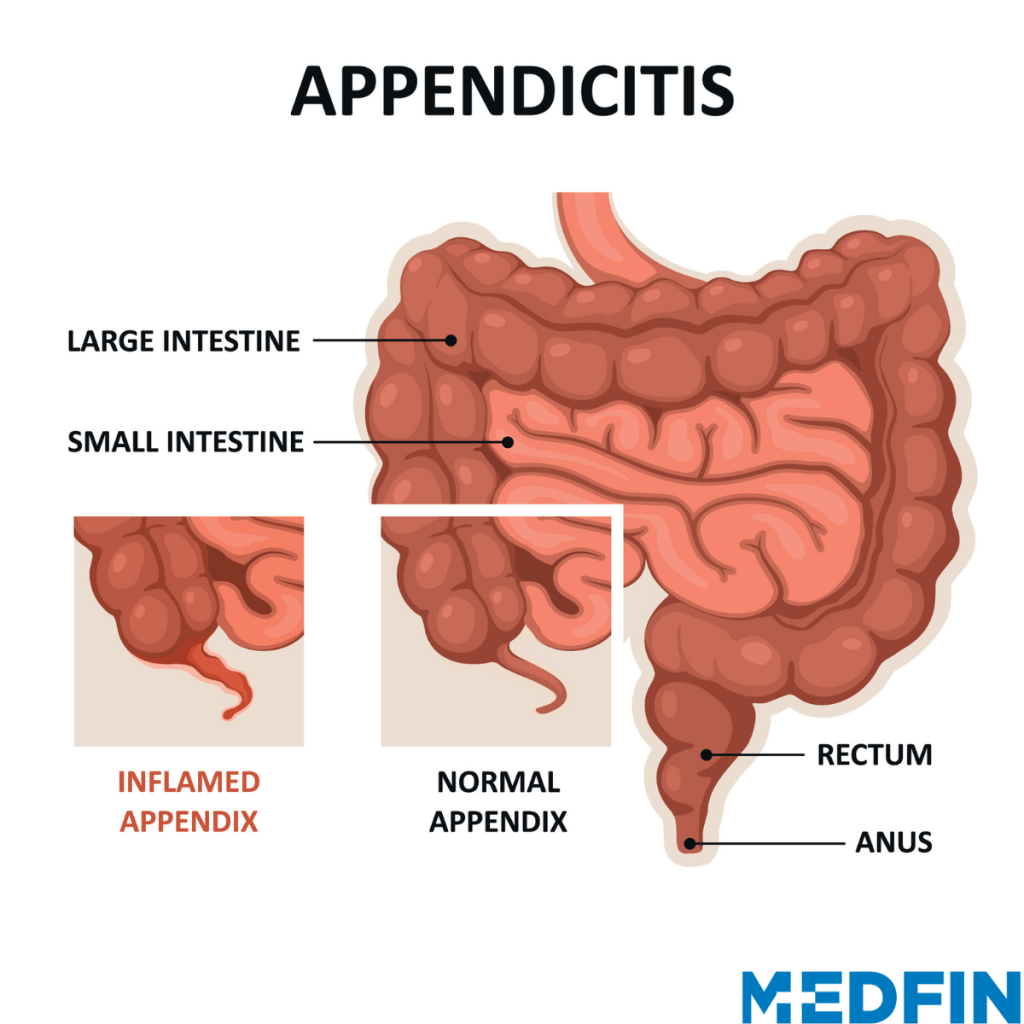
Precision Imaging: Beyond Manual Palpation
The cornerstone of assessing an appendix’s size and pathological state lies in advanced medical imaging. Gone are the days when a clinician’s skilled touch was the primary, often subjective, method of evaluation. Today, a range of precision imaging techniques provides objective, measurable data critical for diagnosis.
Computed Tomography (CT) scans are often considered the gold standard for diagnosing appendicitis. They generate detailed cross-sectional images, allowing radiologists to accurately measure the appendix’s diameter, identify wall thickening, periappendiceal fat stranding (inflammation around the appendix), and the presence of appendicoliths (calcified fecal matter that can obstruct the appendix). The ability of CT scans to precisely delineate these features helps clinicians determine if an appendix has enlarged to a dangerous dimension (typically greater than 6mm-7mm in diameter with associated inflammatory changes) and whether rupture is imminent. The speed and high resolution of modern CT scanners make them invaluable in emergency settings.
Ultrasound imaging offers a non-ionizing alternative, particularly favored for pediatric and pregnant patients. High-frequency transducers can visualize the appendix, assessing its compressibility, diameter, and the presence of fluid or abscesses. While operator-dependent, advances in ultrasound technology, including higher-frequency probes and elastography, have enhanced its diagnostic accuracy. It provides real-time visual information, allowing dynamic assessment of the appendix’s characteristics, a key factor in distinguishing a normal appendix from one that is inflamed and potentially dangerous.
Magnetic Resonance Imaging (MRI), though less frequently used for initial appendicitis diagnosis due to cost and availability, offers excellent soft tissue contrast without ionizing radiation. It is especially useful in situations where CT is contraindicated, providing detailed anatomical and pathological information. Advanced MRI sequences can detect subtle inflammatory changes around the appendix, offering another layer of data to confirm a dangerous condition. These imaging modalities collectively provide the objective measurements and visual cues necessary to move beyond guesswork, offering clinicians the data points that directly answer the question of a dangerously sized appendix.
AI and Machine Learning: Predictive Analytics for Early Detection
The sheer volume and complexity of data generated by precision imaging have created an ideal environment for the application of artificial intelligence (AI) and machine learning (ML). These technologies are rapidly transforming the interpretation of diagnostic images and patient data, assisting clinicians in identifying dangerous appendicular conditions with unprecedented speed and accuracy.
AI-powered image analysis algorithms are trained on vast datasets of CT, ultrasound, and MRI scans. They can rapidly identify subtle patterns of inflammation, measure appendiceal dimensions, and detect appendicoliths or fluid collections that might be missed by the human eye, especially in early stages. These algorithms act as a second pair of expert eyes, flagging suspicious areas for radiologists, thereby reducing diagnostic errors and inter-observer variability. By highlighting key indicators of an enlarged or inflamed appendix, AI tools enhance the radiologist’s ability to determine if an appendix’s size and associated features are indicative of a dangerous condition requiring urgent intervention.
Furthermore, ML models integrate diverse patient data points—including laboratory results (e.g., white blood cell count), clinical symptoms (e.g., pain location, fever), and demographic information—alongside imaging findings. This holistic approach allows ML to predict the probability of appendicitis, stratify patient risk, and even forecast the likelihood of complications. Such predictive analytics enable faster triage in emergency departments, helping prioritize patients who are most likely to have a dangerous, inflamed appendix, thereby streamlining care pathways and potentially averting ruptures. The ability of AI to process and synthesize complex information from various sources significantly augments clinical decision-making, moving towards a more proactive and precise approach to identifying and managing appendicular emergencies.
Digital Health Tools and Remote Monitoring
Beyond specialized diagnostic machinery, the broader ecosystem of digital health tools plays an increasingly vital role in the journey from initial symptom recognition to definitive diagnosis and care for a potentially dangerous appendix. These technologies empower patients, facilitate early communication, and enhance the continuity of care by bridging the gap between home and clinic.
Wearables and Symptom Tracking Apps
The proliferation of wearable technology and smartphone applications offers new avenues for preliminary health monitoring that, while not directly diagnosing appendicitis, can flag early deviations from a patient’s baseline. Wearable devices capable of monitoring heart rate variability, skin temperature, and activity levels can provide data that, when analyzed over time, might indicate systemic distress or inflammation. While non-specific, a sudden, sustained elevation in resting heart rate or persistent fever trends recorded by a wearable, coupled with self-reported abdominal discomfort, could prompt a user to seek medical attention earlier.
Symptom tracking apps allow individuals to meticulously log their pain levels, location of discomfort, onset of nausea, changes in appetite, and other relevant symptoms. This structured data collection can be invaluable during a medical consultation. Instead of relying solely on memory, patients can present a detailed, chronological account of their symptoms, which clinicians can use to better understand the progression of potential appendicitis. While these tools do not measure appendix size, they provide crucial contextual data that guides the diagnostic process, ultimately leading patients to the high-tech imaging necessary to answer “what size of appendix is dangerous.”
Telemedicine’s Role in Initial Assessment
Telemedicine platforms have emerged as a critical tool for initial symptom assessment and guiding patients toward appropriate care, especially in the context of acute abdominal pain. Secure video conferencing and chat platforms enable patients to consult with healthcare professionals from the comfort of their homes. During these virtual consultations, doctors can conduct a detailed history taking, visually assess the patient’s general condition (e.g., pallor, signs of discomfort), and guide them through basic self-assessment questions that might indicate appendicitis.
For suspected cases, telemedicine practitioners can efficiently advise patients on the next steps, which almost always involve referral for in-person evaluation and, critically, advanced diagnostic imaging (like CT or ultrasound) to definitively determine if the appendix’s size and condition are dangerous. This rapid, accessible initial assessment facilitated by telemedicine can significantly reduce delays in seeking specialized care, ensuring that patients with potentially acute appendicitis are quickly directed to the technological resources needed for an accurate and timely diagnosis. By streamlining the initial contact and referral process, telemedicine acts as an important digital gateway to definitive high-tech diagnosis.
Data Security and Patient Privacy in Diagnostic Tech
The increasing reliance on digital tools for health monitoring, diagnostics, and data analysis in determining conditions like a dangerous appendix necessitates robust safeguards for patient information. The sensitive nature of medical data, particularly imaging scans and diagnostic reports, makes data security and privacy paramount.
Safeguarding Sensitive Medical Data
Implementing stringent cybersecurity measures is non-negotiable across all aspects of diagnostic technology. This includes end-to-end encryption for data transmitted between imaging devices, AI analysis platforms, and electronic health record (EHR) systems. Data stored in cloud-based medical imaging archives or AI training datasets must reside on secure, compliant servers with advanced access controls. Regular security audits, penetration testing, and vulnerability assessments are essential to identify and mitigate potential threats. Furthermore, strict adherence to global and national data privacy regulations such as HIPAA in the United States, GDPR in Europe, and other regional mandates, ensures that patient medical information—including precise appendix measurements and diagnostic conclusions—is handled with the utmost confidentiality and integrity. The trust patients place in these advanced technologies hinges on their confidence that their personal health information is protected from unauthorized access, breaches, and misuse.
The Future of Appendicitis Diagnosis: Integration and Innovation
The trajectory of technological advancement suggests an even more integrated and precise future for diagnosing and managing a dangerous appendix. Innovations are geared towards making diagnostics faster, less invasive, and more accessible, ultimately refining our understanding of when and why an appendix poses a threat.
Miniaturized Diagnostics and Point-of-Care Devices
The future promises the advent of miniaturized diagnostic tools that could revolutionize early detection. Imagine handheld ultrasound devices connected to AI-powered apps that can perform preliminary scans in non-traditional settings, or advanced biosensors capable of detecting specific inflammatory markers in blood or urine with high specificity for appendicitis. These point-of-care technologies aim to bring sophisticated diagnostic capabilities closer to the patient, potentially reducing the need for immediate hospital visits for all cases of abdominal pain. By offering rapid, non-invasive screening, these innovations could help differentiate benign conditions from those truly indicative of a dangerously inflamed appendix earlier, guiding patients to definitive care more efficiently.

Robotic-Assisted Surgery and Post-Diagnostic Care
Once a dangerous appendix has been definitively identified through advanced imaging and AI-assisted diagnostics, technology continues to play a pivotal role in treatment and recovery. Robotic-assisted surgery, such as systems like the da Vinci Surgical System, provides surgeons with enhanced dexterity, magnified 3D vision, and greater precision during appendectomies. This minimally invasive approach leads to smaller incisions, reduced pain, faster recovery times, and fewer complications, enhancing patient outcomes significantly. Post-operatively, digital health platforms continue to monitor recovery, track medication adherence, and provide channels for virtual follow-ups. AI-driven analytics can even monitor subtle changes in patient data to predict potential complications, enabling early intervention. The full technological spectrum, from initial diagnostic imaging to cutting-edge surgical techniques and comprehensive post-operative digital care, collectively informs and manages the critical question of what size of appendix is dangerous, ensuring timely and effective intervention.
aViewFromTheCave is a participant in the Amazon Services LLC Associates Program, an affiliate advertising program designed to provide a means for sites to earn advertising fees by advertising and linking to Amazon.com. Amazon, the Amazon logo, AmazonSupply, and the AmazonSupply logo are trademarks of Amazon.com, Inc. or its affiliates. As an Amazon Associate we earn affiliate commissions from qualifying purchases.