
The term “bioaccumulation” might sound like a technical, scientific jargon best left to environmentalists and biologists. However, understanding what bioaccumulation means is crucial for everyone, as its ripple effects touch upon our health, the environment, and even the economic systems we rely on. While the core concept is rooted in biology, its implications extend far beyond the natural world, intertwining with technological advancements, brand perceptions, and financial considerations.
At its heart, bioaccumulation refers to the gradual accumulation of substances, such as pesticides, heavy metals, or other chemicals, in an organism. These substances are absorbed by an organism at a rate faster than that at which they are lost by catabolism and excretion. Think of it like a leaky bucket; if you pour water in faster than it leaks out, the bucket will eventually fill up. In living organisms, these “substances” can be various chemicals that don’t break down easily or are processed very slowly by the body.
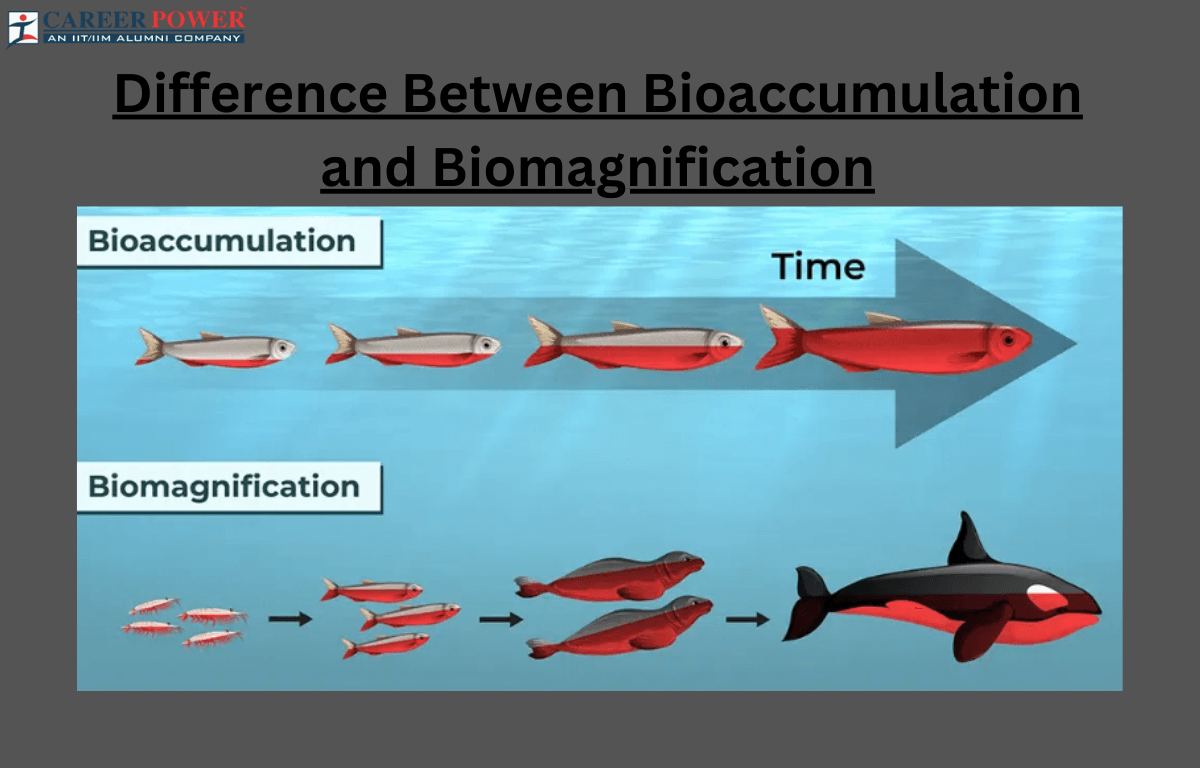
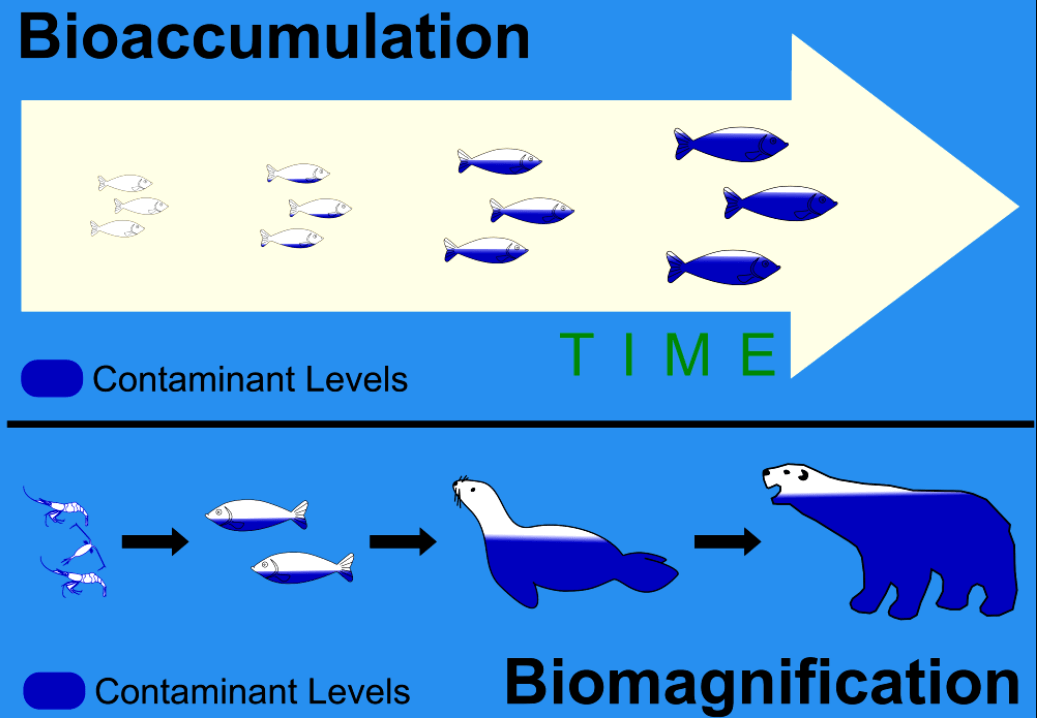
The significance of bioaccumulation becomes profoundly apparent when we consider the food chain. Organisms at lower trophic levels (like plankton or small fish) absorb these chemicals from their environment. When larger organisms consume these smaller ones, they ingest all the accumulated chemicals within them. This process repeats up the food chain, leading to increasingly higher concentrations of these substances in organisms at higher trophic levels. This phenomenon is known as biomagnification, a direct consequence of bioaccumulation.
While the science of bioaccumulation is complex, its real-world consequences are tangible and often concerning. This article will delve into what bioaccumulation means, explore its diverse impacts, and connect it to the broader themes of technology, brand perception, and financial implications.
The Science of Accumulation: How Toxins Build Up
To truly grasp what bioaccumulation means, we need to understand the biological mechanisms at play. It’s not simply about ingesting a chemical; it’s about the body’s inability to effectively eliminate it.
Persistent Pollutants: The Unwanted Guests
Many substances that bioaccumulate are classified as Persistent Organic Pollutants (POPs). These are organic compounds that are resistant to environmental degradation. They are not easily broken down by biological, chemical, or photolytic processes. This persistence allows them to remain in the environment for long periods, entering ecosystems and eventually living organisms. Examples include DDT (a notorious insecticide), PCBs (polychlorinated biphenyls, once widely used in electrical equipment), and dioxins (byproducts of various industrial processes).
Absorption, Metabolism, and Excretion: The Body’s Balancing Act
Every organism has a system for absorbing nutrients and eliminating waste. However, when exposed to persistent toxins, this delicate balance is disrupted.
- Absorption: Chemicals can enter an organism through various routes, including ingestion (eating contaminated food or water), inhalation (breathing contaminated air), or dermal absorption (through the skin).
- Metabolism: Once inside the body, chemicals can be metabolized, meaning they are broken down into simpler compounds that can be excreted. However, many persistent toxins are not readily metabolized by the enzymes present in an organism.
- Excretion: The body’s natural waste removal systems, such as urine and feces, are designed to eliminate metabolic byproducts. If a chemical is not metabolized, it cannot be effectively excreted and therefore remains stored in the body.
Storage Sites: Where the Toxins Hide
When chemicals are not excreted, they tend to accumulate in specific tissues within the body. Fat-soluble substances, for instance, are often stored in adipose (fat) tissue. Others might accumulate in organs like the liver, kidneys, or even bone. The longer an organism is exposed to these substances, and the slower its metabolism and excretion rates, the higher the potential for significant bioaccumulation.
The Critical Link to Biomagnification:
As mentioned earlier, bioaccumulation is the foundation for biomagnification. Imagine a fish consuming small organisms contaminated with a specific chemical. This fish will accumulate the chemical from all the organisms it eats. Now, imagine a larger fish eating many of these smaller fish. The chemical concentration in the larger fish will be significantly higher than in the smaller ones because it’s inheriting the accumulated burden from its prey. This cascading effect is what makes bioaccumulation a threat to entire ecosystems and ultimately, to humans at the top of the food chain.
The Far-Reaching Impacts of Bioaccumulation
Understanding what bioaccumulation means is one thing, but recognizing its profound and multifaceted impacts is another. These impacts span environmental health, human well-being, and even economic considerations.
Environmental Degradation: A Silent Poison
The most direct and widely understood consequence of bioaccumulation is its detrimental effect on ecosystems.
- Wildlife Health: Many species, particularly top predators, suffer from the effects of biomagnification. Birds of prey have experienced eggshell thinning due to DDT, leading to reproductive failure. Marine mammals, which are high on the food chain, can accumulate high levels of PCBs and heavy metals, leading to immune system dysfunction, reproductive problems, and even death. Fish populations can be affected, impacting the balance of aquatic ecosystems.
- Biodiversity Loss: As species are weakened or driven to extinction by the toxic burdens of bioaccumulation, biodiversity is eroded. This loss can have cascading effects, disrupting the complex web of life and the services that healthy ecosystems provide.
- Water and Soil Contamination: The persistent nature of these chemicals means they can remain in water bodies and soil for decades, continuing to pose a threat to organisms that inhabit these environments. Agricultural runoff, industrial discharge, and waste disposal practices are significant contributors to this contamination.

Human Health Concerns: A Growing Worry
Humans are not immune to the dangers of bioaccumulation. As we consume food from contaminated environments – whether it’s fish from polluted waters, produce grown in contaminated soil, or livestock that have consumed contaminated feed – we also ingest these accumulating toxins.
- Neurological and Developmental Issues: Certain chemicals that bioaccumulate, like mercury and lead, are known neurotoxins. Exposure can lead to developmental problems in children, cognitive impairments, and neurological disorders in adults.
- Hormonal Disruption: Some POPs are endocrine disruptors, meaning they can interfere with the body’s hormone systems. This can lead to a range of health problems, including reproductive issues, developmental abnormalities, and increased risk of certain cancers.
- Cancer and Other Chronic Diseases: Long-term exposure to bioaccumulated toxins has been linked to an increased risk of various cancers, as well as other chronic diseases affecting the immune system, liver, and kidneys.
Economic Repercussions: Hidden Costs
While not always immediately obvious, bioaccumulation has significant economic consequences that are often overlooked.
- Healthcare Costs: The increased incidence of chronic diseases and health issues linked to bioaccumulation leads to higher healthcare expenditure for individuals and societies.
- Fisheries and Agriculture Losses: Contamination of fish stocks and agricultural land can lead to economic losses for these industries through reduced yields, market restrictions, and the need for costly remediation efforts.
- Tourism and Recreation Impacts: Polluted waters and damaged ecosystems can deter tourism and recreational activities, impacting local economies that rely on these sectors.
- Cleanup and Remediation Expenses: The cost of cleaning up contaminated sites and developing strategies to mitigate the effects of bioaccumulation can be astronomical, placing a burden on government budgets and industries.
Bioaccumulation in the Digital Age: Tech, Brand, and Money Connections
The concept of bioaccumulation, while rooted in the natural world, has surprisingly relevant connections to the modern landscape of technology, brand perception, and financial systems.
Technology: The Double-Edged Sword of Innovation
Technology plays a dual role in the story of bioaccumulation. On one hand, technological advancements have often been the source of many persistent pollutants. The widespread use of industrial chemicals, pesticides, and plastics in the 20th century, often driven by technological innovation, has led to significant environmental contamination.
- Industrial Byproducts and Electronic Waste: Many manufacturing processes, fueled by advanced technology, produce byproducts that are toxic. Furthermore, the rapid obsolescence of electronic gadgets creates a growing stream of e-waste, which often contains heavy metals and flame retardants that can bioaccumulate if not properly managed.
- Monitoring and Remediation Technologies: On the other hand, technology is also crucial in understanding and addressing bioaccumulation. Advanced analytical techniques allow scientists to detect and quantify pollutants in the environment and living organisms. Technologies for water purification, waste treatment, and soil remediation are vital in mitigating the spread and impact of these substances. AI tools are increasingly being developed to model the pathways of pollutants and predict their accumulation in ecosystems.
- Sustainable Technology Development: The future lies in developing “green” technologies that minimize or eliminate the generation of persistent pollutants. This involves innovation in material science, chemical engineering, and manufacturing processes to create products that are biodegradable or easily recyclable without releasing harmful substances.
Brand Perception: Trust, Transparency, and Sustainability
In today’s consumer-driven world, brand reputation is paramount. Bioaccumulation, and the broader issue of environmental responsibility, has a significant impact on how consumers perceive companies and their products.
- Consumer Awareness and Demand: As public awareness of environmental issues grows, consumers are increasingly looking for products and brands that demonstrate a commitment to sustainability. Brands that are perceived as contributing to pollution or failing to address bioaccumulation risks can face significant backlash.
- Corporate Social Responsibility (CSR) and Green Marketing: Companies are investing in CSR initiatives to demonstrate their environmental stewardship. This includes adopting cleaner production methods, reducing their carbon footprint, and ensuring their supply chains are free from harmful chemicals that can bioaccumulate. Green marketing strategies highlight these efforts, aiming to build consumer trust and loyalty.
- Risk Management and Reputation Damage: A single incident of environmental contamination linked to a company’s products or operations can cause irreparable damage to its brand reputation. The fallout from such events can be immediate and long-lasting, leading to boycotts, negative media attention, and a loss of consumer confidence. Brands that proactively address bioaccumulation risks and communicate their efforts transparently are better positioned to protect their reputation.
- Product Design and Lifecycle Management: Brands are increasingly focusing on the entire lifecycle of their products, from raw material sourcing to end-of-life disposal. This includes designing products with less harmful materials and ensuring that disposal methods prevent the release of bioaccumulative substances into the environment.
Money: The Financial Stakes of Pollution
The financial implications of bioaccumulation are substantial, affecting individuals, businesses, and governments alike.
- Economic Costs of Health Issues: As discussed earlier, the human health consequences of bioaccumulation translate into direct financial costs through increased healthcare spending. This affects individuals’ personal finances and the healthcare systems of nations.
- Industry Liabilities and Regulations: Industries that produce or use chemicals that bioaccumulate face significant financial risks. Environmental regulations are becoming stricter, leading to fines, cleanup costs, and potential lawsuits for non-compliance. Investing in cleaner technologies and sustainable practices can, therefore, be seen as a long-term financial strategy to avoid these liabilities.
- Investment in Sustainable Businesses: The growing concern over bioaccumulation is driving investment in companies and technologies focused on environmental solutions. Investors are increasingly looking at Environmental, Social, and Governance (ESG) factors, recognizing that businesses with strong sustainability practices are often more resilient and profitable in the long run.
- The Cost of Remediation and Prevention: The financial burden of cleaning up contaminated sites and implementing preventive measures is enormous. Governments and private entities must allocate substantial funds to address the legacy of past pollution and to prevent future contamination. This highlights the economic imperative of understanding and acting upon the principles of bioaccumulation.
- Consumer Spending Power: Consumers are more likely to spend their money with brands that align with their values, including environmental responsibility. Companies that can demonstrate a commitment to reducing bioaccumulative pollutants can gain a competitive financial advantage.
Conclusion: A Call to Action for a Healthier Future
To truly understand what bioaccumulation means is to recognize its pervasive influence. It is a stark reminder that our actions, particularly those related to the chemicals we produce and the way we manage our waste, have profound and lasting consequences for the natural world and for ourselves.
The interconnectedness of bioaccumulation with technology, brand perception, and financial systems underscores the need for a holistic approach. We must harness technological innovation not to create new problems, but to find solutions. Brands must embrace transparency and genuine commitment to sustainability to build trust and thrive in a conscious marketplace. And financially, we must recognize that investing in a clean environment is not an expense, but a wise investment in our collective future.
By understanding what bioaccumulation means, we can empower ourselves to make informed choices, advocate for responsible policies, and contribute to a healthier planet for generations to come. It’s a call to action, urging us to move beyond passive observation and actively participate in safeguarding the delicate balance of life on Earth.
aViewFromTheCave is a participant in the Amazon Services LLC Associates Program, an affiliate advertising program designed to provide a means for sites to earn advertising fees by advertising and linking to Amazon.com. Amazon, the Amazon logo, AmazonSupply, and the AmazonSupply logo are trademarks of Amazon.com, Inc. or its affiliates. As an Amazon Associate we earn affiliate commissions from qualifying purchases.