
For the majority of households, a vehicle represents the second-largest financial investment after a home. Yet, unlike real estate—which typically appreciates over time—a car is a depreciating asset. Understanding the question “What is my car value?” is not merely a matter of curiosity; it is a fundamental component of proactive personal finance. Whether you are looking to trade in for a newer model, sell to a private party, or simply assess your net worth, grasping the variables that dictate automotive valuation is essential for making informed fiscal decisions.

In the modern economy, vehicle value is no longer a static number found in a printed guidebook. It is a fluid figure influenced by global supply chains, regional demand, and the meticulousness of your own maintenance habits. By treating your vehicle as a managed financial asset rather than just a mode of transportation, you can significantly mitigate losses and maximize your return on investment.
The Economics of Depreciation and Its Impact on Your Net Worth
To understand what your car is worth today, one must first understand the mechanics of depreciation. Depreciation is the difference between the price you paid for the vehicle and what it is worth when you decide to sell or trade it. In the realm of personal finance, this is often the single largest “hidden” cost of vehicle ownership, frequently exceeding the costs of fuel, insurance, or maintenance.
The Mechanics of Automotive Depreciation
On average, a new car loses approximately 20% of its value within the first twelve months of ownership. After that initial plunge, the rate usually stabilizes to about 15% to 20% per year for the next four years. This downward trajectory is driven by wear and tear, the release of newer models with superior technology, and the perception of risk associated with older mechanical systems.
From a financial planning perspective, understanding this curve is vital. If you finance a car with a low down payment, you may find yourself “underwater” or in “negative equity,” where the balance of your loan exceeds the actual market value of the car. Monitoring your car’s value allows you to time your exit from a loan or lease before the depreciation curve flattens to a point where the car becomes a liability rather than an asset.
How Macroeconomic Factors Affect Resale Value
In recent years, the traditional rules of depreciation have been upended by macroeconomic volatility. Disruptions in semiconductor manufacturing and global logistics led to a shortage of new vehicles, which in turn sent the value of used cars skyrocketing. For the first time in decades, some owners saw their vehicles appreciate or hold steady in value over a two-year period.
When asking “what is my car value,” you must look beyond the odometer. You must consider current inflation rates, the cost of borrowing (interest rates), and the transition toward Electric Vehicles (EVs). High gas prices, for example, can instantly boost the value of fuel-efficient hybrids while depressing the value of large SUVs. Being aware of these market shifts allows you to treat your car sale like a stock trade—selling when demand is high and inventory is low.
Essential Tools and Methodologies for Accurate Valuation
Determining an accurate value requires moving beyond guesswork. There are several industry-standard methodologies used by lenders, insurers, and dealerships to pin down a number. As a consumer, utilizing these same tools levels the playing field during negotiations.
Leveraging Industry-Standard Valuation Platforms
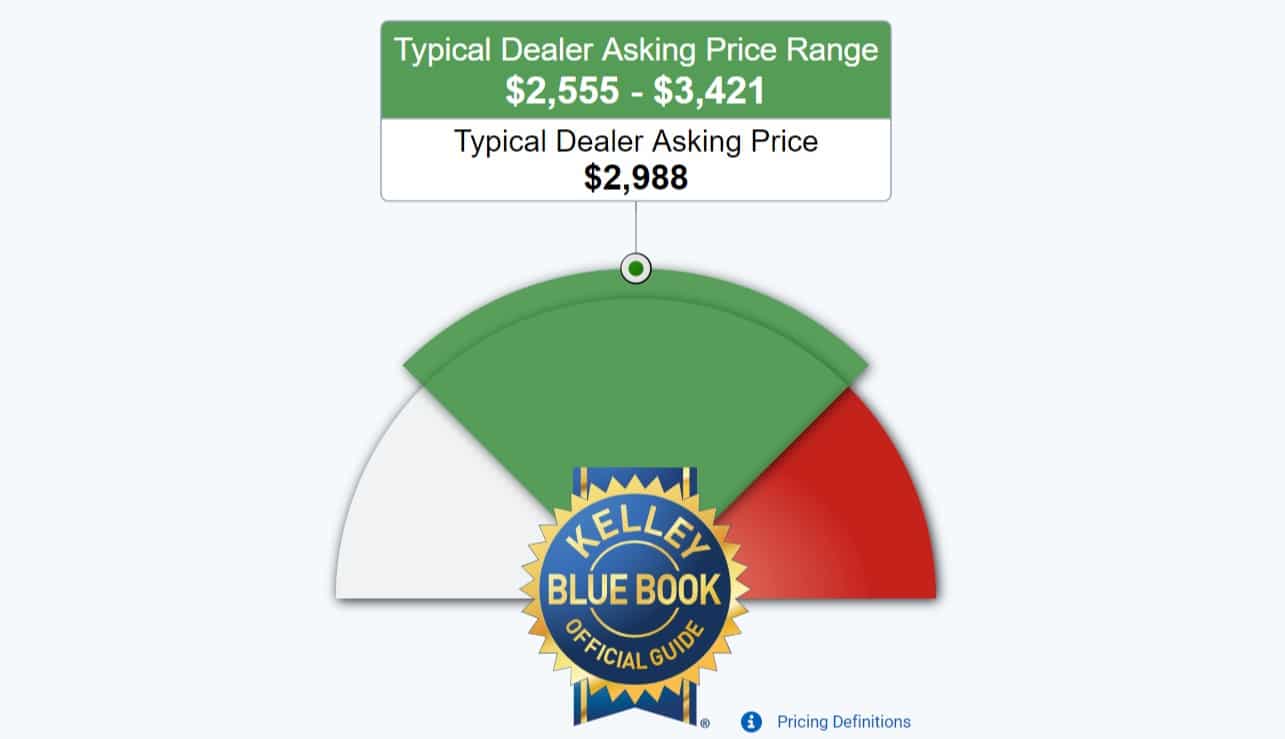
The most common starting point for any valuation is the use of aggregate data platforms such as Kelley Blue Book (KBB), Edmunds, and J.D. Power (formerly NADA). These platforms collect millions of data points from dealer auctions, private sales, and listing prices to provide a “fair market range.”
When using these tools, it is crucial to be honest about the vehicle’s condition. Most owners categorize their car as “excellent,” but in the financial world, “excellent” is a rarity reserved for cars with no cosmetic flaws and a perfect service history. Most well-maintained vehicles fall into the “good” or “very good” categories. Misrepresenting the condition online will only lead to disappointment and lower offers when the physical inspection occurs.

Private Party vs. Trade-In: Maximizing Your Return
One of the most important distinctions in car valuation is the difference between “Trade-In Value” and “Private Party Value.”
- Trade-In Value: This is what a dealer will give you toward the purchase of another car. It is almost always lower than other values because the dealer must account for reconditioning costs and their own profit margin. However, it offers convenience and, in many states, a tax credit on the new purchase.
- Private Party Value: This is what you can expect to receive if you sell the car yourself to another individual. This figure is significantly higher—often by several thousand dollars—but requires more effort, including marketing the car, meeting potential buyers, and handling the legal paperwork.
From a wealth-building perspective, the extra effort of a private sale often yields a much higher “hourly rate” for your time compared to the convenience of a trade-in.
Strategies to Protect and Enhance Your Vehicle’s Equity
Your car’s value is not entirely out of your control. Just as a homeowner invests in renovations to increase property value, a car owner can take specific steps to protect the equity held within their vehicle.
Maintenance Records as a Financial Document
In the eyes of a savvy buyer or a professional appraiser, a car with a complete, documented service history is worth substantially more than an identical car without one. Comprehensive records prove that the vehicle has been treated as a valuable asset rather than a disposable commodity.
To maximize value, keep a dedicated folder—or a digital equivalent—containing every oil change receipt, tire rotation log, and major repair invoice. This transparency reduces the “risk premium” a buyer might otherwise subtract from the price. When you can prove that the timing belt was replaced on schedule or that the brakes are near-new, you shift the power dynamic of the sale in your favor.
The Impact of Curb Appeal and Professional Detailing
First impressions have a measurable impact on financial outcomes. A vehicle that is professionally detailed before a valuation or sale can often command a premium that far exceeds the cost of the detailing service itself. This is known as “perceived value.”
Focus on high-impact areas: the clarity of the headlights, the cleanliness of the engine bay, and the removal of odors from the interior. A clean car signals to a buyer that the mechanical components have likely been cared for with similar diligence. In the context of “Money,” a $200 detail can frequently lead to a $1,000 increase in the final closing price.
Navigating the Sale: Converting Your Asset into Liquid Capital
The final stage of understanding your car’s value is the execution of the sale. This is where your research and preparation are converted into actual liquid capital that can be reinvested into your next vehicle, used to pay off debt, or funneled into an investment account.
Timing the Market for Optimal Profit
Automotive value is subject to seasonal fluctuations. For example, convertible values typically peak in the spring and early summer, while all-wheel-drive SUVs see a price premium in late autumn as winter approaches. Furthermore, many dealerships have monthly or quarterly quotas. Selling your car to a “buy-center” like CarMax or shifting your trade-in toward the end of a month can sometimes yield a slightly higher offer as managers look to hit volume targets.
Tax Implications and Reinvestment Strategies
Finally, consider the tax ramifications of your car’s value. In many jurisdictions, if you trade in a vehicle, you only pay sales tax on the “price difference” between the new car and your trade-in. If your trade-in is valued at $20,000 and your new car is $35,000, you are only taxed on $15,000. Depending on your local tax rate, this “tax shield” can bridge the gap between a low trade-in offer and a higher private party price.
Once the sale is finalized, the way you handle the proceeds is a true test of financial literacy. Instead of immediately rolling the entire amount into a more expensive car with a larger loan, consider using the equity to eliminate high-interest debt or padding an emergency fund. By viewing your car’s value as a component of your broader financial portfolio, you transform a simple machine into a tool for long-term wealth creation.
In conclusion, “what is my car value” is a question that sits at the intersection of market data and personal responsibility. By understanding depreciation, utilizing the right valuation tools, maintaining the vehicle as a documented asset, and timing your exit strategically, you ensure that your car serves your financial goals rather than draining your bank account.
aViewFromTheCave is a participant in the Amazon Services LLC Associates Program, an affiliate advertising program designed to provide a means for sites to earn advertising fees by advertising and linking to Amazon.com. Amazon, the Amazon logo, AmazonSupply, and the AmazonSupply logo are trademarks of Amazon.com, Inc. or its affiliates. As an Amazon Associate we earn affiliate commissions from qualifying purchases.