
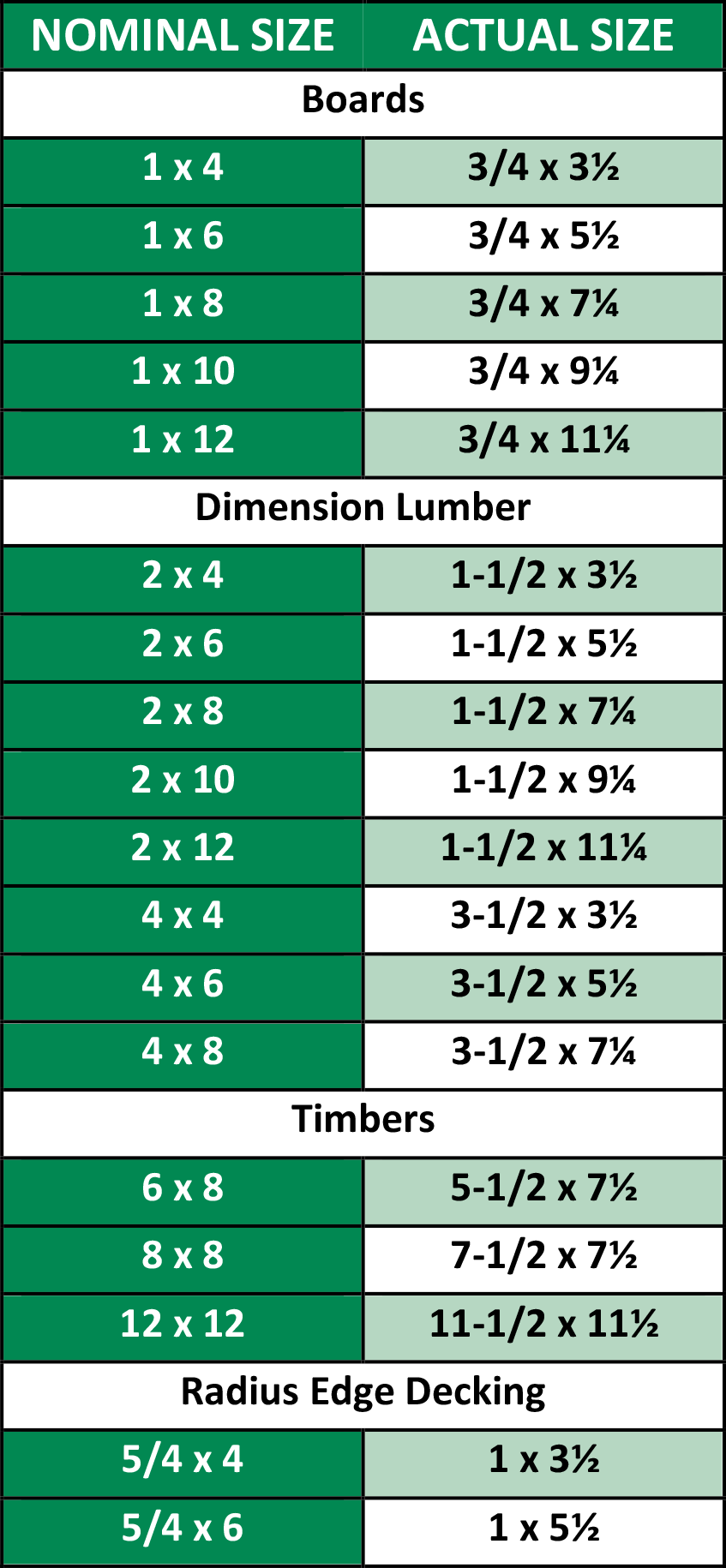
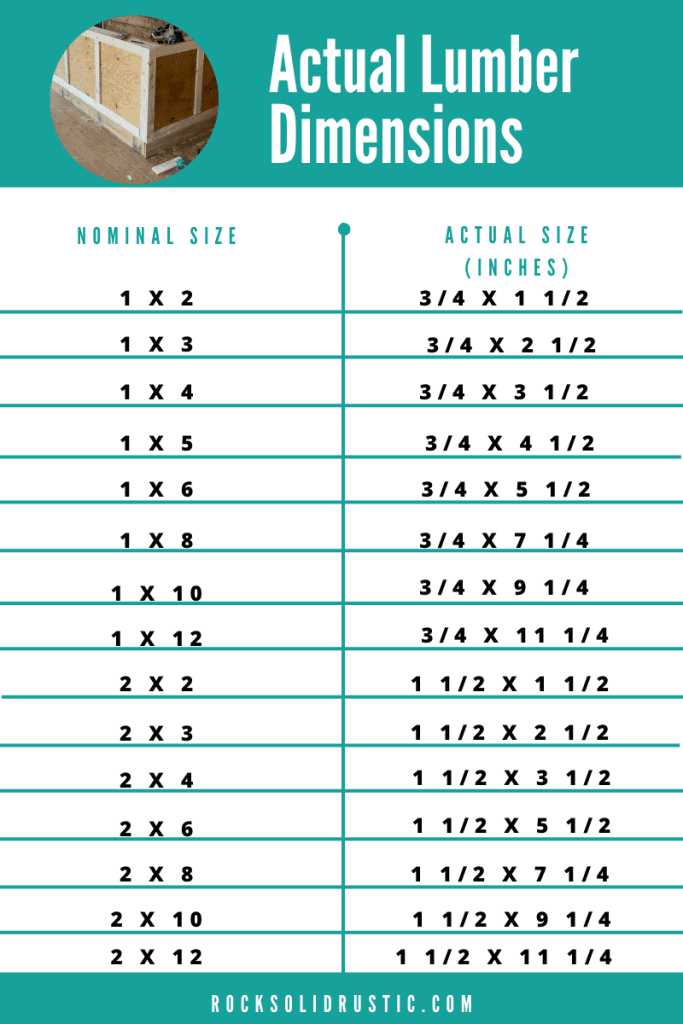
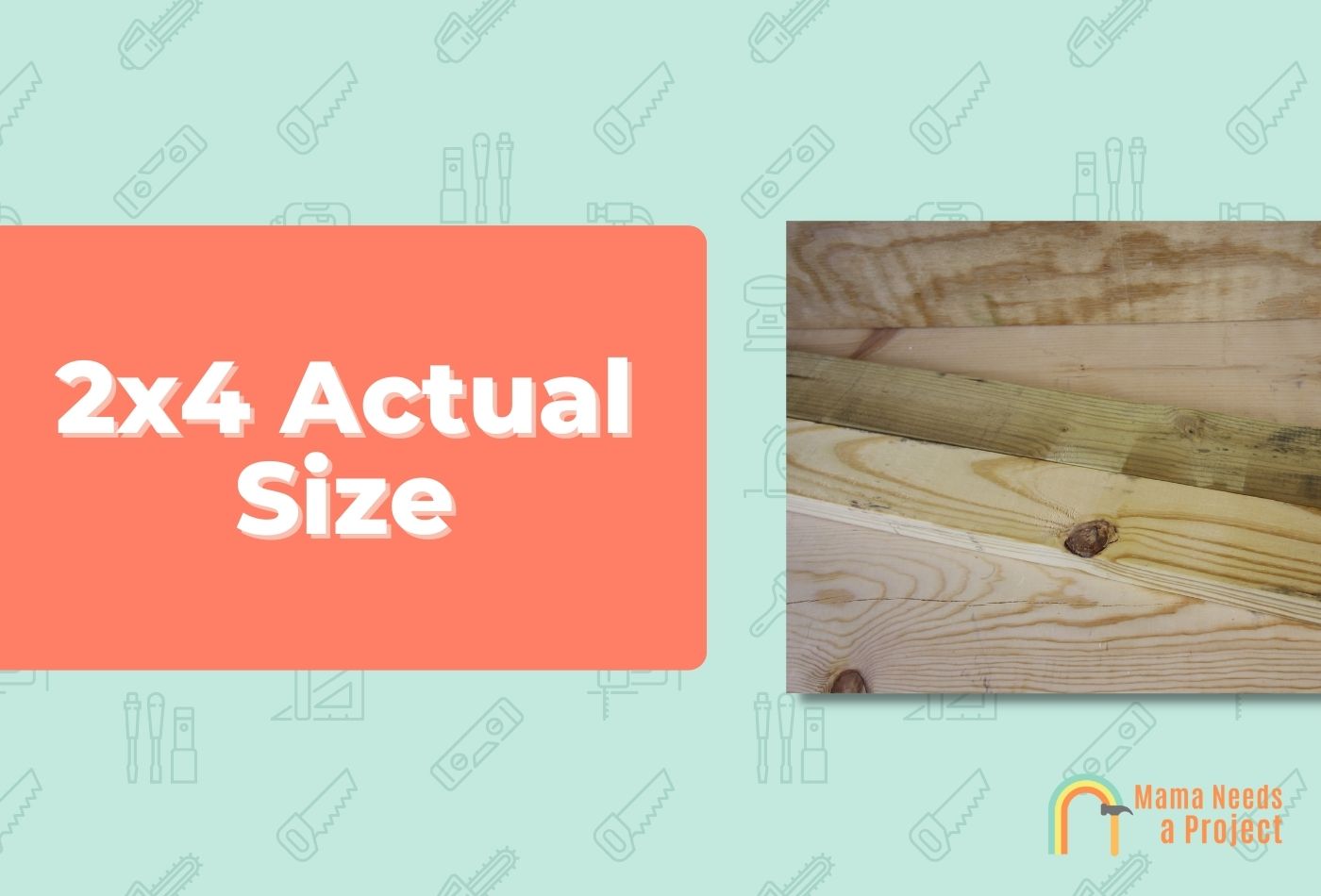
When you step into a lumber yard or a big-box hardware store, you are greeted by stacks of lumber labeled with standard nominal dimensions. The most iconic of these is the “2 x 4.” For any DIY enthusiast, homeowner, or budding contractor, understanding the discrepancy between what is written on the label and what exists in reality is the first lesson in the economics of construction. While it might seem like a simple labeling error or a deceptive marketing tactic, the true dimensions of a 2 x 4—which measure 1.5 inches by 3.5 inches—are the result of a long, calculated history of industrial efficiency, cost optimization, and standardization within the global timber industry.
The Evolution of Standardization and Cost Efficiency
The reason a 2 x 4 is not actually two inches by four inches dates back to the early 20th century, specifically the transition from “rough-sawn” lumber to “dressed” or “surfaced” lumber. In the infancy of the American construction industry, lumber was often sold in its raw, rough-sawn state as it came off the saw blade. If you ordered a 2 x 4 in the mid-1800s, you were likely getting a board that was very close to those exact dimensions. However, this raw product was splintery, uneven, and difficult to work with for finish carpentry.
From Rough-Sawn to Planed Surfaces
As the industry matured, woodworkers and builders realized that a consistent, smooth surface was essential for structural integrity and ease of assembly. To achieve this, lumber mills began “dressing” the wood, which involves running the rough-sawn boards through a planer. A planer shaves off the irregular edges and surfaces of the wood to ensure every board is uniform in size and texture.
The Economics of Wood Waste
The transition from 2 x 4 to 1.5 x 3.5 was driven by a fundamental financial reality: waste reduction. When a mill takes a rough-sawn board and planes it down to a consistent dimension, they are effectively turning raw material into finished product. By establishing a standard of 1.5 x 3.5 inches, mills could take a standard raw-cut board and consistently plane it to that size while ensuring they weren’t wasting excess wood that could be used elsewhere. This standardized size became the “nominal” size—the name of the product—while the finished size became the “actual” size. This distinction is the bedrock of modern construction estimation, where financial forecasting relies on standardized material costs based on these specific, smaller dimensions.
How the Construction Industry Manages Material Budgets
In the world of construction finance and project management, understanding these dimensions is not just about carpentry—it is about the bottom line. When an architect designs a home or a contractor bids on a framing project, they are calculating the cost of materials based on these actual, rather than nominal, dimensions. If one were to calculate the cost of a project assuming a board occupied eight square inches (2 x 4) when it actually occupies 5.25 square inches (1.5 x 3.5), the margin for error in the budget would be catastrophic.
The Role of Material Takeoffs
A “material takeoff” is the process by which a contractor or estimator lists every piece of material required for a job. Because the industry standard is 1.5 x 3.5, all structural engineering tables and load-bearing calculations are based on this specific volume. Over the course of a large-scale residential development, using the wrong math would lead to a massive deficit in material procurement. Recognizing that a 2 x 4 is actually smaller allows for more accurate purchasing, which keeps project overheads under control.
Inventory Management and Financial Forecasting
Lumber yards and supply companies operate on tight margins. By adhering to the 1.5 x 3.5 standard, the industry has created a streamlined supply chain where inventory is predictable and modular. When a financial analyst evaluates the performance of a timber supplier, they look at “yield per log.” The ability to consistently extract high-quality, standardized pieces from raw timber is what dictates profitability. The movement from larger dimensions to the current 1.5 x 3.5 standard was essentially an industry-wide move toward increasing the yield per log, which directly impacted the price point for the end consumer.
The Impact on Home Values and Structural Planning
The true size of a 2 x 4 has implications that extend far beyond the lumber aisle; they define the very architecture of modern housing. Because standard codes require walls to be built with specific spacing—typically 16 inches on-center—the actual dimensions of the lumber are baked into the financial appraisal of a property.
Standardization and Resale Value
Building codes in the United States and Canada rely on the 1.5 x 3.5 measurement to ensure that every wall, floor, and roof assembly meets safety standards. If a builder were to ignore the true dimensions, they would fail to meet building codes, rendering the property uninsurable and difficult to finance. The standardization of the 2 x 4 allows for the manufacturing of other components—drywall, insulation, and electrical boxes—to be sized precisely to fit those gaps. This synergy reduces construction time, which in turn reduces labor costs—a major component of the total financial investment in any building.
DIY Renovation and Asset Appreciation
For individual investors and homeowners, understanding the difference between nominal and actual sizes is critical when undertaking renovations. Many DIYers purchase materials based on their nominal titles, only to find that their calculations regarding space, weight, and coverage are off. For instance, if you are calculating the volume of wood needed for a deck or the cost of insulation to fit between joists, you must use the 1.5 x 3.5 measurement to avoid overspending on materials or underestimating the time required for the installation. Effective DIY project management—where the goal is to add value to a home—requires the same attention to dimensional detail that a professional contractor uses to manage a commercial site.
Final Economic Considerations: Why the Label Stays the Same
It is often asked why the industry doesn’t simply relabel the product as a “1.5 x 3.5.” The answer is deeply rooted in the inertia of branding and consumer habit. The term “2 x 4” has become a linguistic placeholder for a standardized building component. Just as we use “Kleenex” to refer to facial tissues, the construction industry uses “2 x 4” as a classification for structural framing lumber.
From a branding perspective, changing the name would cause mass confusion in the marketplace. The term has been integrated into decades of blueprints, software programs, and structural engineering handbooks. The cost of updating all this documentation across the entire global infrastructure would be astronomical. Instead, the industry accepts the dual reality: the label serves as the identity of the product, while the actual measurement serves as the technical specification.
For anyone involved in the business of building—whether you are a home flipper, a real estate developer, or an investor tracking construction costs—this distinction is essential. It serves as a reminder that in every industry, there is a gap between the “marketed” product and the “actual” product. Success lies in recognizing the difference, performing the math based on reality rather than perception, and managing your financial inputs with the precision that the 1.5 x 3.5 reality demands. By mastering these nuances, you ensure that your financial estimates reflect the physical reality of the materials, safeguarding your projects from unnecessary waste and unexpected cost overruns.
aViewFromTheCave is a participant in the Amazon Services LLC Associates Program, an affiliate advertising program designed to provide a means for sites to earn advertising fees by advertising and linking to Amazon.com. Amazon, the Amazon logo, AmazonSupply, and the AmazonSupply logo are trademarks of Amazon.com, Inc. or its affiliates. As an Amazon Associate we earn affiliate commissions from qualifying purchases.