
The enduring success of the musical Wicked is not merely a triumph of theatrical storytelling; it is a profound case study in brand evolution, narrative re-framing, and the power of identity. By centering the story on the “Wicked Witch of the West”—whose name is Elphaba Thropp—the creators successfully executed a pivot that transformed a two-dimensional villain into a multi-dimensional protagonist. This shift serves as a critical lesson in how businesses and individuals can reshape their public perception, humanize their brand, and challenge long-standing market narratives.

The Power of Rebranding: Humanizing the Villain
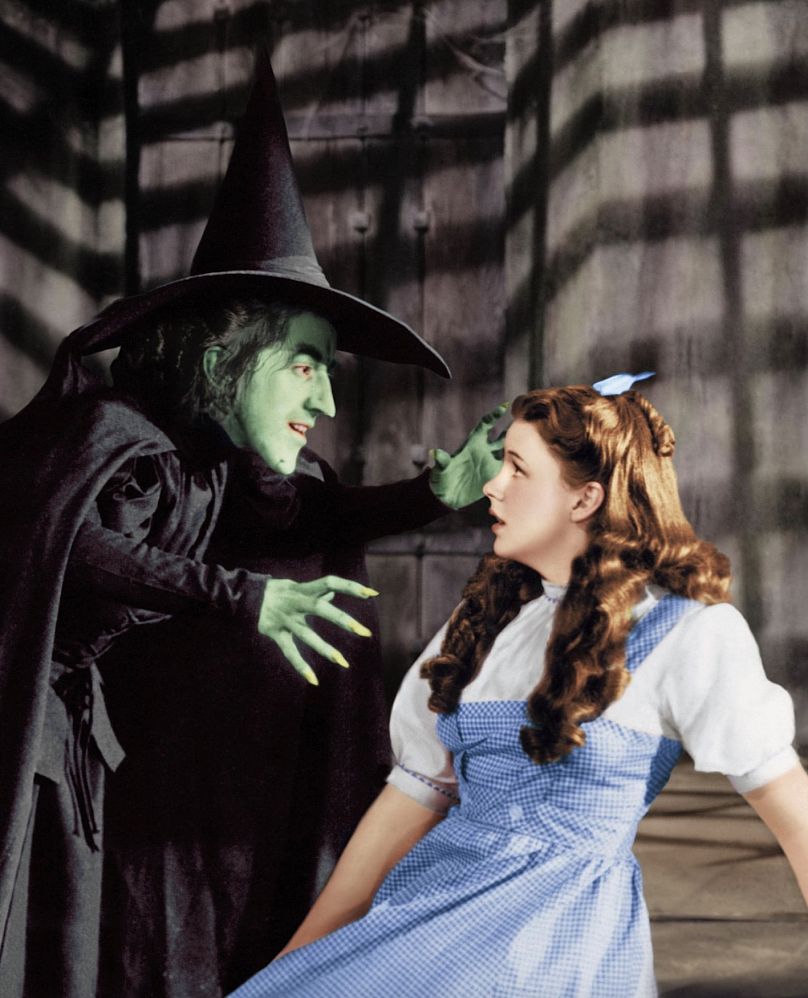
At the heart of Wicked lies a fundamental question of brand identity: Who owns the narrative? For decades, the public perception of the Wicked Witch was dictated by the canon of The Wizard of Oz. She was a symbol of pure malice, a green-skinned caricature defined solely by her hostility toward the protagonist, Dorothy.
In the realm of corporate branding, this is akin to a company being defined by a single public relations crisis or a legacy reputation that no longer aligns with its core values. Wicked demonstrates that shifting a brand’s trajectory requires a deep dive into the “origin story.” By unveiling Elphaba’s motivations, vulnerabilities, and the systemic challenges she faced, the brand successfully moved from “villain” to “victim of circumstance.”
Deconstructing the Legacy Identity
Before a brand can pivot, it must first acknowledge the existing perception. Elphaba’s journey begins with the recognition that her “wickedness” is a label imposed upon her by others, rather than an inherent quality. For businesses, this highlights the necessity of auditing one’s public identity. If your target audience views your company through a narrow, outdated lens, you must be willing to dismantle that perception by providing the missing context. Transparency and the disclosure of the “why” behind the brand are essential tools in reclaiming the narrative.
The Role of Counter-Narratives
Wicked functions as a classic counter-narrative. By showing the same historical events from a different vantage point, the brand completely disrupts the consumer’s prior knowledge. This is a powerful marketing strategy. When a brand identifies a dominant market assumption—even one that is detrimental to their growth—they can use storytelling to flip that assumption on its head. By humanizing Elphaba, the brand fosters empathy, and empathy is the most powerful tool for converting long-time skeptics into brand loyalists.
Establishing Brand Archetypes: The Rebel vs. The Establishment
The conflict between Elphaba and the Wizard of Oz is a textbook example of the “Rebel vs. The Establishment” brand archetype. Elphaba represents the challenger brand—the disruptive force that seeks to hold the status quo accountable. The Wizard, conversely, represents the legacy conglomerate that relies on image management, spin, and the suppression of the truth to maintain power.
Defining the Challenger Brand
Challenger brands succeed when they champion a cause that resonates with their audience’s values. Elphaba’s defiance against the Wizard is not merely personal; it is political. She fights for the rights of the marginalized, providing a clear value proposition for her “brand.” In the competitive marketplace, brands that take a stand on social issues or challenge unfair industry standards often cultivate deeper, more meaningful connections with their customer base than those that remain neutral.
Identity Alignment and Authenticity
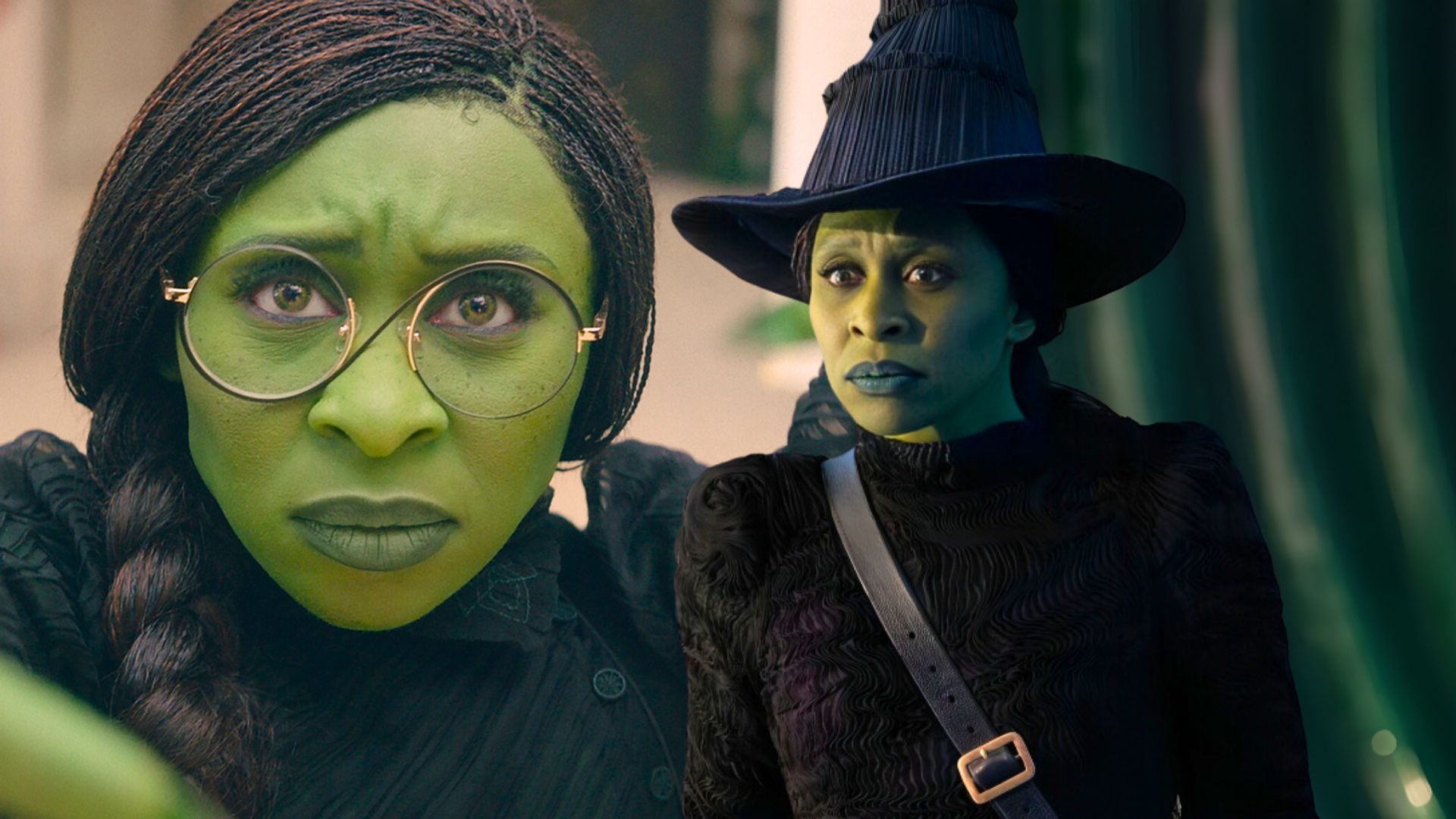
Elphaba’s struggle is deeply personal. She is forced to navigate a world that demands she conform to its beauty and behavioral standards, yet she remains true to her unique, emerald-hued identity. This authenticity is the cornerstone of modern personal branding. When a brand tries to hide its “green skin”—the aspects of its operation or history that don’t fit the polished, corporate aesthetic—it loses credibility. Consumers today are adept at spotting inauthenticity. Elphaba’s eventual embrace of her power, even as she is branded an outcast, teaches us that standing firmly in one’s unique identity is far more valuable than seeking universal approval.
Narrative Strategy: The Long-Term Arc of Brand Equity
A successful brand identity is rarely built overnight; it is the result of a long-term strategic arc. The narrative of Elphaba is not just about her name or her status as a witch; it is about her evolution from an optimistic, rule-following student to a disillusioned, powerful political figure.
Continuity and Character Development
Just as a brand must evolve its product lines or services to stay relevant, a brand’s narrative must undergo cycles of growth. If a brand stays stagnant, it becomes obsolete. Elphaba’s growth is organic, tied to the trials she endures. Brands that document their journey—including the failures and the pivots—build trust through consistency and evolution. The audience feels invested in the “arc” of the brand because they have witnessed the struggle required to reach the current state.
Crafting the “Wicked” Persona
The genius of the Wicked brand is the irony in its name. By calling the story Wicked, the producers reclaim a derogatory term and turn it into a badge of honor. This is a masterful execution of linguistic brand strategy. It forces the audience to rethink what “wicked” actually means. In business, this is the equivalent of taking a competitor’s criticism and turning it into a point of pride. If your brand is labeled as “too disruptive” or “unconventional,” you have two choices: conform, or redefine the term to align with your strengths. Wicked chose the latter, and in doing so, created an iconic brand identity that is now synonymous with empowerment rather than malice.
Strategic Lessons for Brand Management
The story of Elphaba Thropp provides a blueprint for how to manage brand perception in an age of constant scrutiny. By examining her trajectory, we can extract three core lessons for any brand, whether it is a small personal endeavor or a large corporate entity.
1. Own the Narrative or It Will Be Written For You
If Elphaba had not taken the stage to tell her own story, the history books would have continued to label her as a one-dimensional villain. Brands that fail to communicate their own story leave a vacuum that the market, the media, or their competitors will fill with their own biased versions of reality. Proactive storytelling is not an option; it is a competitive necessity.
2. Empathy is Your Greatest Asset
The reason the audience identifies with the “Wicked” witch is that they understand her pain. A brand that admits to its flaws and acknowledges the challenges it faces becomes relatable. Vulnerability—when managed strategically—dismantles the wall between the brand and the consumer, creating an emotional bond that far outlasts any transactional relationship.
3. The Power of Differentiation
Elphaba’s green skin is her most defining physical trait, and while she spends much of her life trying to hide or overcome it, she eventually realizes that it is the source of her uniqueness. Differentiation is the key to longevity in any market. Trying to blend in with the “standard” version of success usually leads to mediocrity. Embracing what makes a brand different, even if it makes others uncomfortable, is what leads to iconic status.
Ultimately, the name of the witch in Wicked is more than a label; it is a testament to the idea that identities are fluid and that the labels we are given do not define the limits of our influence. For brands looking to make a lasting impact, Elphaba’s journey is the ultimate guide to the transformative power of storytelling, the courage required to challenge the status quo, and the enduring value of staying true to one’s own, often complex, brand identity.
aViewFromTheCave is a participant in the Amazon Services LLC Associates Program, an affiliate advertising program designed to provide a means for sites to earn advertising fees by advertising and linking to Amazon.com. Amazon, the Amazon logo, AmazonSupply, and the AmazonSupply logo are trademarks of Amazon.com, Inc. or its affiliates. As an Amazon Associate we earn affiliate commissions from qualifying purchases.