
In the rarefied atmosphere of high horology, a wristwatch is far more than a tool for measuring time. It is a vessel of heritage, a marvel of micro-engineering, and—most significantly—a powerful vehicle for wealth preservation. When we ask, “What is the most expensive watch brand,” we are not merely inquiring about retail prices; we are exploring the intersection of craftsmanship, scarcity, and the robust secondary market that governs luxury assets.
Understanding the hierarchy of watch brands requires a transition from viewing timepieces as consumer goods to viewing them as alternative investments. Much like rare art or vintage automobiles, the world’s most expensive watch brands operate on a business model driven by supply-side constraints, historical prestige, and the meticulous stewardship of intellectual property.
The Triad of Horological Supremacy
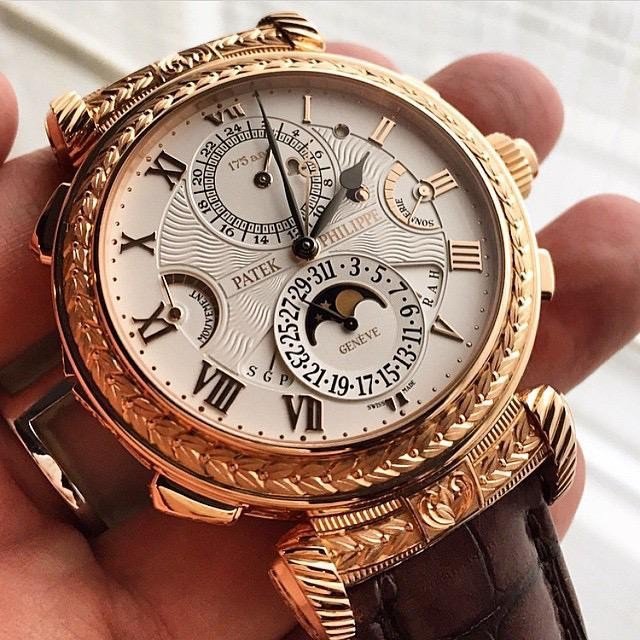
While the market fluctuates, three houses consistently command the highest price points at auction and in the private sales market. These are often referred to as the “Holy Trinity” of watchmaking: Patek Philippe, Audemars Piguet, and Vacheron Constantin.
Patek Philippe: The Zenith of Value Retention
If one brand defines the apex of financial value in the watch world, it is Patek Philippe. Founded in 1839, the Geneva-based manufacturer has mastered the art of brand scarcity. Their business strategy is rooted in the “Geneva Seal,” a hallmark of quality that demands a level of finishing rarely seen in mass production.
From an investment perspective, Patek Philippe dominates the auction circuit. Records for the most expensive watch ever sold at auction are almost exclusively held by Patek Philippe. The brand’s strategy of maintaining exhaustive archives for every watch produced since its inception creates a provenance that guarantees long-term value. Investors prioritize Patek because the company rarely floods the market with new inventory, choosing instead to sustain an aura of unattainable excellence.
Audemars Piguet and the Concept of Iconic Design
Audemars Piguet (AP) represents a different facet of high-end value: the power of the iconic design language. The Royal Oak, introduced in 1972, fundamentally changed the luxury watch industry by proving that steel could command the same financial respect as gold.
AP’s marketing prowess lies in its ability to marry avant-garde aesthetics with traditional complications. By keeping their most sought-after models in extremely limited supply, they have created a “waitlist culture” that keeps secondary market prices significantly above retail. For the investor, AP serves as a lesson in how corporate identity can create a moat around a product line, ensuring that demand perpetually outstrips the physical ability to manufacture.
The Economics of Scarcity and Craftsmanship
The price of a luxury watch is rarely dictated by the raw cost of materials. Instead, the valuation is driven by the human capital required to assemble the movement and the marketing costs associated with brand positioning.
Micro-Engineering as a Capital Asset
To understand why a watch brand can demand six or seven figures, one must understand the movement. A Grand Complication—a watch featuring a perpetual calendar, a minute repeater, and a split-seconds chronograph—can take a single master watchmaker over a year to assemble. When a brand produces these in limited numbers, the labor cost is astronomical, but the rarity is what drives the financial appreciation.
These movements are essentially miniaturized mechanical computers. Brands that invest heavily in Research and Development (R&D) to create proprietary calibers are able to charge a premium because they have moved beyond the “off-the-shelf” components used by mid-tier luxury brands. This technical differentiation is the primary driver of the brand’s premium status in the eyes of savvy investors.

The Power of Provenance
In the world of ultra-luxury watches, provenance is the ultimate multiplier of wealth. A watch previously owned by a notable historical figure, or one that features a unique, custom-ordered dial configuration, often sells for exponentially more than its standard production counterpart.
The most expensive brands have mastered the art of storytelling. They curate their own museum archives and foster relationships with elite collectors, ensuring that when a rare piece hits the market, the auction house can document its lineage perfectly. This narrative-driven marketing creates a “winner-takes-all” dynamic where the top 0.1% of watches appreciate while others merely hold their value.
Market Dynamics: How Watch Brands Influence Valuation
The luxury watch market is governed by a complex set of financial levers that differ significantly from the broader retail sector. Unlike traditional consumer brands that seek volume, the most expensive watch brands operate on a model of controlled growth and calculated exclusivity.
The Shift from Retail to Resale
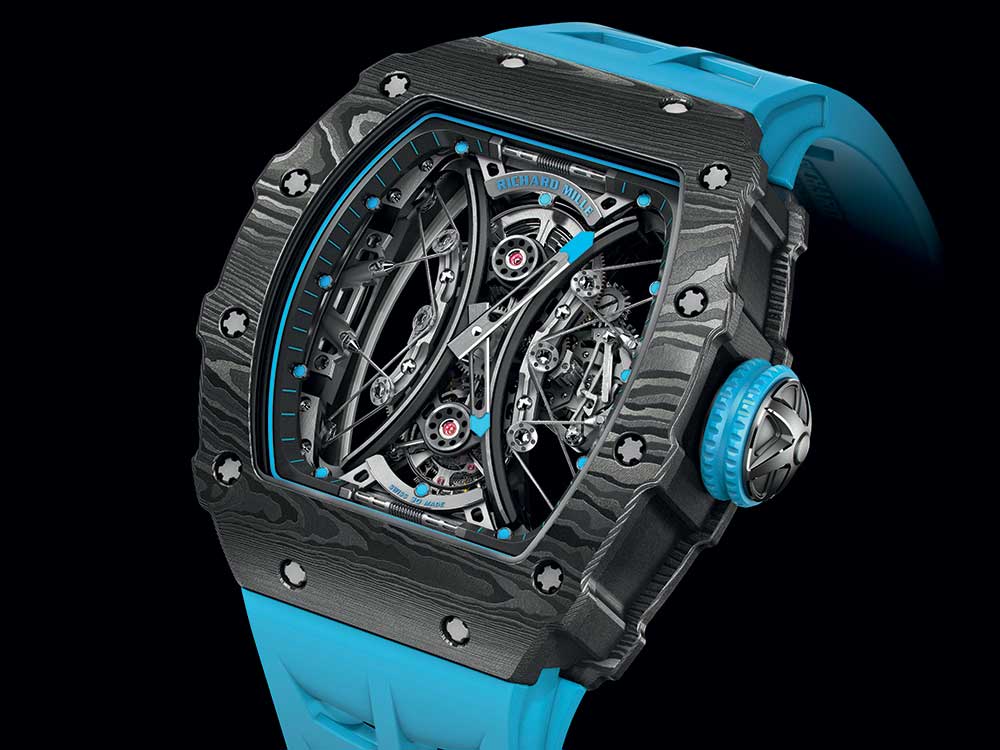
For brands like Richard Mille, the retail price is merely the starting point. Richard Mille’s strategy is arguably the most aggressive in the industry. By utilizing aerospace-grade materials like carbon TPT and grade 5 titanium, the brand justifies its six-figure entry price. However, their genius lies in limiting production numbers to a level that is essentially “micro-batch.”
This creates a high-velocity secondary market. Investors watch these brands closely because the liquidity of the asset is remarkably high. Unlike other luxury goods that depreciate the moment they leave the boutique, the most expensive watch brands often appreciate upon the moment of purchase, provided the buyer has the institutional access to buy at retail. This creates a powerful incentive for investors to remain loyal to the brand, as the financial reward for being an “authorized” customer is immediate.
The Role of Vertical Integration
The brands that remain at the top of the price pyramid are almost exclusively vertically integrated. They manufacture their own hairsprings, balance wheels, and escapements. This is a massive capital expenditure. By owning the entire manufacturing chain, these brands protect their intellectual property and ensure that their quality standards are never compromised by third-party suppliers.
For the prospective investor or luxury enthusiast, this indicates long-term viability. A brand that owns its factories is a brand that can survive market downturns. It allows them to control their output, protecting the brand equity from being liquidated during recessions. This financial resilience is exactly why their timepieces continue to be viewed as “hard assets” in a diverse investment portfolio.
Future Trends in Watch Valuation
As the global economy evolves, the metrics of what makes a watch brand “expensive” are shifting. We are seeing a move toward sustainable luxury and a focus on ultra-rare, high-complication timepieces that act as stores of value.
Digital Authentication and the Blockchain
The future of the most expensive watch brands is inextricably linked to digital provenance. We are seeing the implementation of digital “passports” using blockchain technology to track the life of a watch from the workbench to the auction block. Brands that adopt this technology early will solidify their position at the top of the market by eliminating the risk of counterfeits, thereby maintaining the trust of the high-net-worth investor.
The Expansion of the Collector Base
The demographics of those buying these ultra-expensive watches are shifting younger and more globally. Where once the market was dominated by Western European collectors, we now see massive surges in demand from Asia and North America. The most expensive watch brands are responding by curating regional limited editions and creating experiences that deepen the bond between the brand and the collector.
In conclusion, the most expensive watch brand is defined by a trifecta of technical superiority, absolute scarcity, and historical relevance. Whether it is Patek Philippe’s conservative dominance, Audemars Piguet’s bold aesthetic revolution, or Richard Mille’s avant-garde technical engineering, these brands have effectively transcended the category of “jewelry” to become a legitimate asset class. For those navigating this space, the value is not found in the ticking of the seconds, but in the enduring, compounding prestige of the brand itself.
aViewFromTheCave is a participant in the Amazon Services LLC Associates Program, an affiliate advertising program designed to provide a means for sites to earn advertising fees by advertising and linking to Amazon.com. Amazon, the Amazon logo, AmazonSupply, and the AmazonSupply logo are trademarks of Amazon.com, Inc. or its affiliates. As an Amazon Associate we earn affiliate commissions from qualifying purchases.