
The study of biblical literature often involves navigating complex historical, theological, and canonical structures. For those approaching the text from a structural or organizational perspective, identifying the final book of the Old Testament is a fundamental step in understanding the chronological and thematic closure of the Hebrew canon. While the answer may seem straightforward, its implications touch upon the editorial history of sacred texts and the ways in which religious traditions have curated their collections over millennia.
The Canonical Placement of Malachi
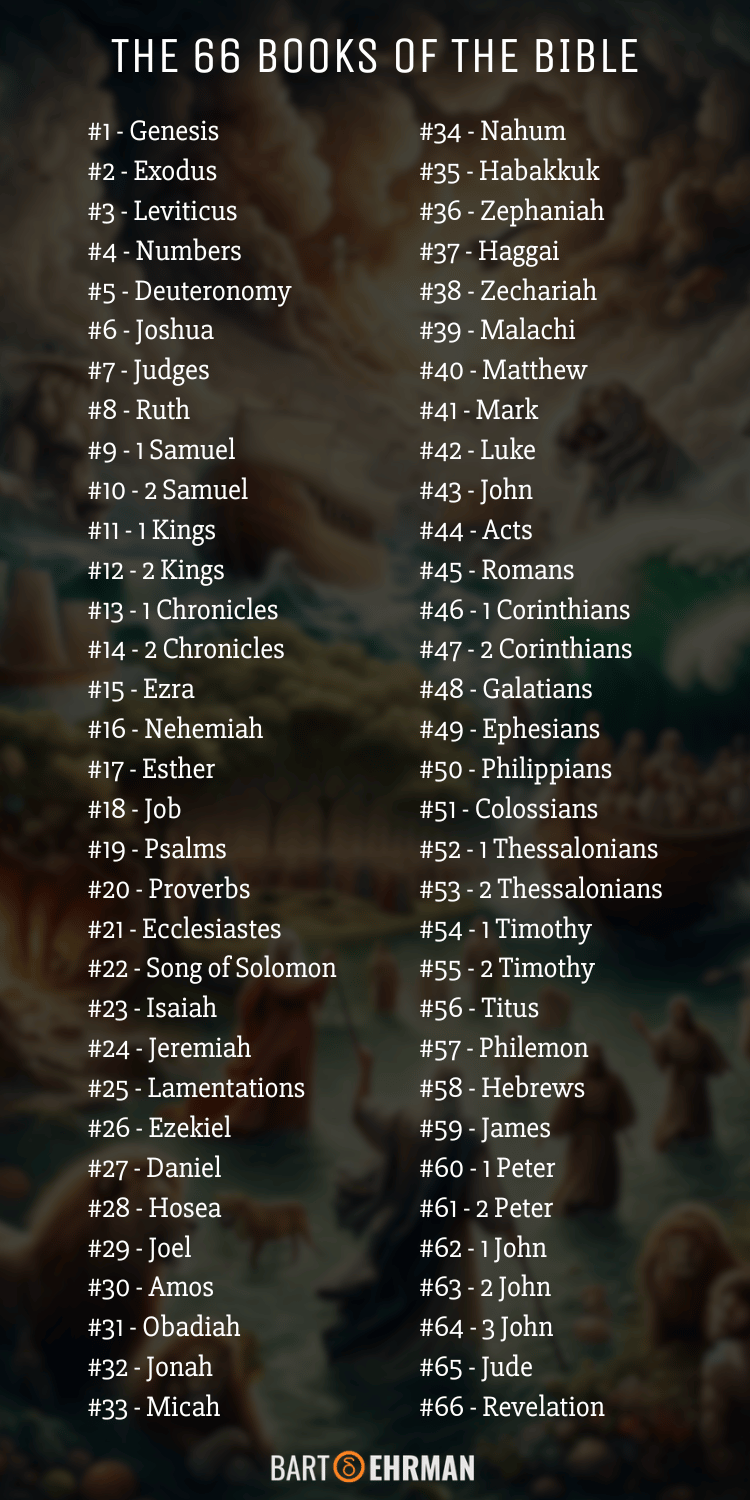
In the vast majority of modern Christian Bibles, ranging from the King James Version to contemporary translations like the English Standard Version or the New International Version, the book of Malachi is positioned as the final entry in the Old Testament. This placement is not merely a matter of convenience; it serves as a deliberate bridge between the ancient prophetic tradition and the theological narrative that precedes the New Testament.

The Prophetic Voice of the Restoration
Malachi, whose name literally translates to “my messenger,” functions as the concluding prophetic voice in the post-exilic period. Following the return of the Jewish people from the Babylonian exile and the subsequent rebuilding of the Second Temple, the community faced a period of spiritual lethargy and moral decline. Malachi addresses these issues with a series of disputations between God and the people. By placing this book at the end of the Old Testament, editors have ensured that the reader finishes the section with a clear call to repentance, a reminder of the covenantal obligations, and a forward-looking promise of an impending divine intervention.
The Bridge to the New Testament
The final chapter of Malachi explicitly predicts the arrival of a precursor who will prepare the way for the Lord. This thematic connection is vital to the Christian narrative arc. By concluding with the expectation of a messenger who will “turn the hearts of the fathers to their children and the hearts of the children to their fathers,” the Old Testament effectively sets the stage for the arrival of John the Baptist in the Gospels. This transition provides a sense of narrative cohesion, framing the entirety of the Old Testament as a period of anticipation and preparation.
Variation in Canonical Traditions
While Malachi is the universally recognized conclusion for the Protestant canon, it is essential to acknowledge that the concept of the “end” of the Old Testament varies across different religious and historical traditions. The structure of the biblical text is not static; it has been shaped by liturgical needs, denominational doctrines, and the historical development of the early church.
The Hebrew Bible (Tanakh) Structure
It is a common point of confusion that the Old Testament and the Hebrew Bible (the Tanakh) are identical in their arrangement. In the Jewish tradition, the books are categorized into three distinct parts: the Torah (Law), the Nevi’im (Prophets), and the Ketuvim (Writings). In this organizational framework, the book of Malachi is not the final book. Instead, the Ketuvim concludes with the book of 2 Chronicles. This significant difference in ending highlights a distinct thematic emphasis. While Malachi concludes with a warning and a promise of a future messenger, 2 Chronicles concludes with the decree of Cyrus the Great, allowing the exiles to return to Jerusalem and rebuild the temple. The choice of ending, therefore, reflects whether a tradition emphasizes prophetic anticipation or the restoration of the covenant community.

Catholic and Orthodox Considerations
The Catholic and Orthodox traditions include the deuterocanonical books (often referred to as the Apocrypha in Protestant circles) within their Old Testament canon. While the placement of these books can vary, they are typically integrated into the historical and prophetic narratives. Even within these broader canons, Malachi is still generally recognized as the last of the Minor Prophets. However, the presence of these additional texts creates a longer and more complex ending to the Old Testament narrative, often extending the historical account into the intertestamental period and deepening the theological reflection on wisdom and historical survival.
Historical Context and Authorship
Understanding why Malachi occupies this terminal position requires an examination of the historical context in which it was written. The book likely dates to the middle of the fifth century BCE, placing it alongside the work of Nehemiah and Ezra. This era was defined by the struggle to maintain Jewish identity in the face of Persian cultural influence and the temptation to lapse into the same patterns of disobedience that led to the earlier exile.
Addressing the Post-Exilic Struggles
The internal evidence of the book—mentions of the temple, the priesthood, and the offering of sacrifices—points to a community that has settled back into the land but has lost its spiritual fervor. The priests were becoming negligent, the people were withholding tithes, and intermarriage with foreign nations was eroding the distinctiveness of the covenant people. Malachi’s stern tone is not designed to be final, but rather corrective. It serves as a concluding diagnostic of the nation’s spiritual condition, emphasizing that even after the grace of the return, the heart of the people remained the central battlefield for faith.
The Evolution of the Canon
The fixing of the final book was a process of consensus that occurred over several centuries. The canonization of the Old Testament was not a single event but a gradual gathering of authoritative texts. By the time the Septuagint (the Greek translation of the Hebrew scriptures) was compiled, and eventually when the early church leaders formally identified their canonical lists, the positioning of the Twelve Minor Prophets—with Malachi as the final one—had largely become standardized. This decision helped solidify the prophetic timeline, creating a distinct “intertestamental period” of silence or transition that effectively demarcated the prophetic era from the era of the Messiah.
The Significance of the “Silent” Period
The placement of Malachi as the final book inevitably leads to the theological concept of the “four hundred silent years.” By ending the text with Malachi, the canon effectively creates a psychological and historical gap between the final word of the Old Testament and the first word of the New Testament.
Expectation vs. Fulfillment
This structural gap has been interpreted by many theologians as a deliberate period of silence designed to heighten the sense of longing for the fulfillment of the promises contained within the prophetic writings. When the reader closes the book of Malachi, they are left with the prophecy of Elijah’s return. The centuries of silence that follow serve to build expectation, ensuring that when the New Testament narrative finally commences with the arrival of the Messiah, the impact of the event is magnified by the preceding time of waiting.
Literary Closure
From a literary perspective, ending with a call to “remember the law of my servant Moses” acts as a summary for the entire preceding corpus. It anchors the prophetic message back to the foundational covenant established at Sinai. This creates a cyclical structure, reminding the reader that despite the fluctuations in human faithfulness, the ultimate trajectory of the narrative remains rooted in the divine law and the promises of covenantal love. By framing the end in this way, the editors of the Bible ensured that the Old Testament would not be viewed as an obsolete relic, but as an active, living framework upon which the rest of the biblical story would be built.
In summary, the identification of Malachi as the final book of the Old Testament is a cornerstone of biblical study. It represents the culmination of centuries of prophetic work, the conclusion of the historical narrative of the return from exile, and the crucial bridge to the New Testament era. Whether one studies the text for its historical value, its literary construction, or its theological depth, recognizing the function and placement of Malachi provides an essential roadmap for interpreting the broader structure of the biblical canon.
aViewFromTheCave is a participant in the Amazon Services LLC Associates Program, an affiliate advertising program designed to provide a means for sites to earn advertising fees by advertising and linking to Amazon.com. Amazon, the Amazon logo, AmazonSupply, and the AmazonSupply logo are trademarks of Amazon.com, Inc. or its affiliates. As an Amazon Associate we earn affiliate commissions from qualifying purchases.