
The modern textile industry is undergoing a significant transformation as consumers increasingly demand fabrics that balance luxury, performance, and environmental responsibility. Among the most popular materials gaining traction in high-end apparel and home textiles is modal. Often marketed as a premium alternative to cotton or traditional rayon, modal is a bio-based fiber that has redefined the standards of softness and breathability. However, to truly understand the value of modal, one must look past the marketing and examine the science of its production and the economics of the textile supply chain.
The Botanical Origins and Chemical Composition
At its core, modal is a type of regenerated cellulose fiber. Unlike synthetic polymers derived from petroleum, such as polyester or nylon, modal is born from the earth. The primary raw material used to manufacture modal is wood pulp, specifically sourced from beech trees.

The Life Cycle of Beechwood Pulp
Beech trees are favored for modal production because of their rapid growth and relative lack of need for artificial irrigation. The wood is harvested, chipped, and dissolved into a slurry. This process involves the extraction of cellulose—the structural component of the primary cell wall of green plants. By breaking down the wood into its cellulose base, manufacturers can reconstruct it into long, continuous filaments.
Regenerated Cellulose vs. Synthetic Fibers
While it is chemically similar to viscose rayon, modal differs in the degree of polymerization. During the manufacturing process, modal undergoes specific chemical modifications that make the resulting fibers significantly more durable and less prone to shrinking or losing their shape compared to standard rayon. This is a crucial distinction in the textile market; while many cellulosic fibers are fragile, modal is engineered for longevity, allowing it to compete with high-quality natural fibers like silk or Pima cotton while maintaining a lower price point.
The Manufacturing Process: Sustainability and Industrial Innovation
The production of modal is a triumph of industrial engineering, yet it is often scrutinized due to the chemicals required to dissolve wood pulp. To appreciate the market position of modal, one must understand the “Closed-Loop” production model that has become the gold standard for reputable textile manufacturers.
The Chemical Solvent System
The transformation of wood chips into fabric involves a process known as the “spinning” of cellulose. Traditionally, this required solvents that were harmful to the environment. Modern, high-end modal production—most notably the trademarked TENCEL™ Modal—utilizes a specialized amine oxide solvent. This solvent is used to dissolve the cellulose without creating the hazardous byproducts associated with older viscose methods.
The Closed-Loop Advantage
The term “closed-loop” refers to a production cycle where the solvents and water used in the manufacturing process are captured, purified, and reused. This minimizes waste and prevents chemicals from entering the local water supply. For brands looking to capitalize on “green” marketing and corporate social responsibility (CSR) initiatives, sourcing modal from closed-loop facilities is a critical strategic decision. It allows companies to appeal to the environmentally conscious consumer without sacrificing the premium “feel” of the product.
The Economic Impact of Modal in the Apparel Industry
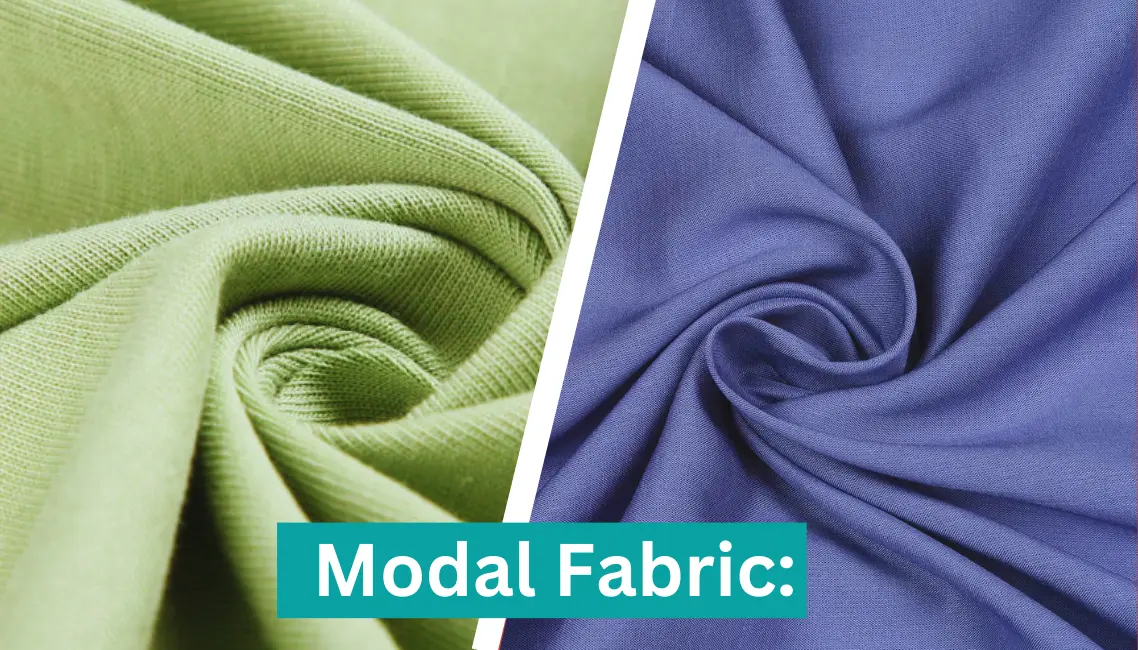
For investors and business owners, modal represents a fascinating case study in the intersection of material science and consumer demand. The fabric commands a higher price point than traditional synthetics, yet it sits below the cost of pure silk or high-end Egyptian cotton, occupying a “sweet spot” in the premium-casual market.
Consumer Demand for “Athleisure” and Comfort
The explosion of the athleisure market has been a major driver for the adoption of modal. Consumers today prioritize fabrics that offer moisture-wicking properties, extreme softness, and breathability. Because modal is fifty percent more absorbent than cotton, it helps regulate body temperature, making it ideal for loungewear, sleepwear, and activewear. Brands that have pivoted their inventory to include modal blends often report higher customer satisfaction and lower return rates, as the fabric maintains its hand-feel even after repeated washing.
Market Dynamics and Supply Chain Resilience
From a supply chain perspective, the reliance on beechwood—a renewable resource—provides a degree of insulation from the volatility associated with petroleum-based synthetic markets. As oil prices fluctuate, polyester costs become unpredictable. In contrast, the market for wood pulp is tied to the forestry industry, which, while subject to its own regulatory and ecological pressures, is more stable in the long term. Companies that diversify their fabric portfolio into modal are hedging against the inevitable price shocks that plague the traditional petrochemical-based textile sector.
Strategic Integration for Brands and Designers
For a fashion brand or a retail business, the integration of modal into a product line is not just a tactical decision regarding materials—it is a branding move.
Positioning Modal as a Value Proposition
Marketing modal as a “luxury essential” allows brands to command a higher margin. When a company emphasizes that its garments are made from responsibly harvested, beech-based fiber that lasts longer than cotton, they are effectively shifting the narrative from “fast fashion” to “sustainable luxury.” This strategy resonates with the modern demographic, particularly Gen Z and Millennial shoppers, who are increasingly willing to pay a premium for transparency and environmental integrity.
Balancing Cost and Quality in Product Development
While modal is a superior fabric, it is rarely used in its pure form. Most high-end products utilize modal blends—typically combined with cotton, spandex, or polyester. This is a strategic manufacturing choice. Pure modal can be too delicate for heavy-duty garments; blending it with spandex adds the necessary elasticity for form-fitting apparel, while blending it with cotton provides additional structural integrity. For brand managers, the goal is to find the specific ratio that retains the characteristic “drape” and “softness” of the modal while maintaining the durability required for everyday wear.
Future Trends: The Evolution of Cellulosic Fibers
As we look toward the future of the textile industry, the role of modal is likely to expand. Innovation in nanotechnology and fiber engineering is currently exploring ways to make modal even more functional. We are seeing developments in antimicrobial modal fibers, moisture-management modal that outperforms current iterations, and even “carbon-neutral” modal production lines that leverage renewable energy sources in the manufacturing plants.
The Investment Case for Sustainable Textiles
The transition toward bio-based materials is accelerating under the pressure of global environmental regulations. Governments are increasingly looking to limit the use of non-biodegradable synthetic fibers. As these regulations tighten, the cost-benefit analysis of using modal becomes even more favorable. Investors looking at the apparel space should view companies that have already integrated cellulosic materials into their supply chains as being better positioned to weather upcoming regulatory changes.

Final Considerations for Stakeholders
Ultimately, modal is more than just a soft fabric; it is a manifestation of the shift toward a more responsible and high-performance textile economy. Whether you are a designer selecting materials for a new collection or an investor analyzing the longevity of apparel brands, understanding the origin and industrial importance of modal is essential. It is a material that balances the physical requirements of the modern consumer—comfort, breathability, and durability—with the ethical and financial requirements of the modern market. As the industry moves away from the “disposable” model of the past decade, modal stands out as a foundational element of the future wardrobe.
aViewFromTheCave is a participant in the Amazon Services LLC Associates Program, an affiliate advertising program designed to provide a means for sites to earn advertising fees by advertising and linking to Amazon.com. Amazon, the Amazon logo, AmazonSupply, and the AmazonSupply logo are trademarks of Amazon.com, Inc. or its affiliates. As an Amazon Associate we earn affiliate commissions from qualifying purchases.