
Navigating the annual tax season is a significant financial event for most households. For many, the central question isn’t just about the size of their potential refund, but the cost of the tools used to secure it. H&R Block, one of the most recognized names in the financial services industry, offers a wide spectrum of products ranging from free digital software to high-touch professional consultations.
Understanding the cost structure of H&R Block is essential for effective personal budgeting and financial planning. Because tax situations vary from a simple W-2 to complex cryptocurrency portfolios and small business ownership, the pricing is rarely “one size fits all.” This guide breaks down the costs associated with H&R Block’s various tiers to help you determine which service aligns with your financial goals.

Decoding H&R Block’s Online Filing Tiers
For the tech-savvy taxpayer, H&R Block’s DIY online software is the most common entry point. The pricing for these digital products is tiered based on the complexity of your financial life. It is important to note that these prices fluctuate throughout the tax season, often increasing as the April deadline approaches.
The Free Online Version
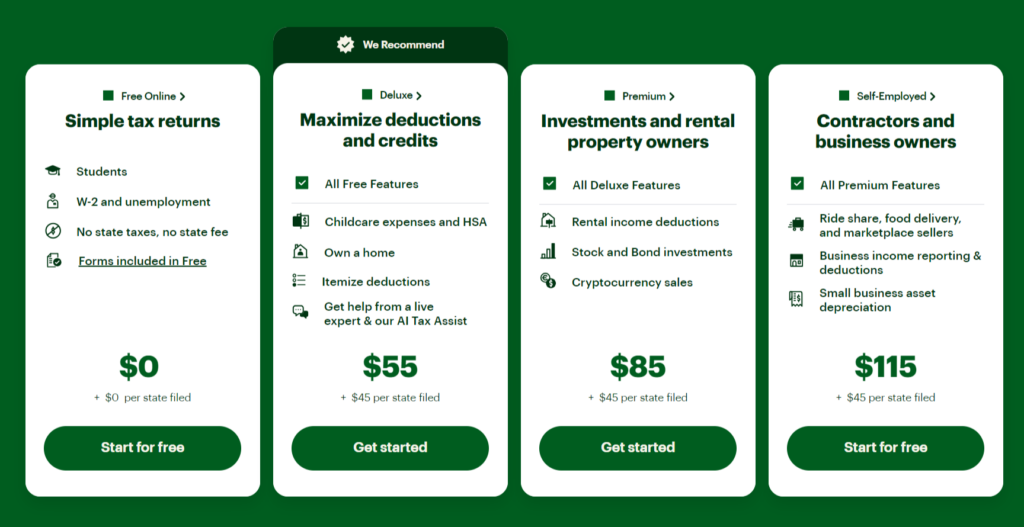
H&R Block offers a “Free Online” version that is surprisingly robust compared to some competitors. It is designed for taxpayers with simple financial situations, such as those reporting only W-2 income, interest and dividend income (1099-INT/DIV), and student loan interest. Unlike some “free” tiers in the industry, H&R Block’s version often includes the ability to claim the Earned Income Tax Credit (EITC) and child tax credits without forcing an upgrade. However, if you need to itemize deductions or have specialized income, you will quickly move out of this bracket.
Deluxe, Premium, and Self-Employed Editions
Once your financial situation moves beyond the basics, you enter the paid tiers.
- Deluxe Online: This is typically the “sweet spot” for homeowners and those with significant charitable donations or Health Savings Accounts (HSAs). It generally starts around $35 to $55.
- Premium Online: This tier is tailored for investors and rental property owners. If you sold stock, traded crypto, or have a simple side hustle with expenses under $5,000, this is the version required. Prices usually range from $65 to $85.
- Self-Employed Online: This is the most comprehensive DIY tier, built for small business owners, freelancers, and contractors with complex expenses and depreciation. It includes specialized guidance for Schedule C filings and typically costs between $110 and $115.
State Filing Fees
A common point of confusion for many taxpayers is the “State filing fee.” While the federal price covers your 1040, filing a state return almost always incurs an additional cost in the paid tiers. Currently, H&R Block charges approximately $37 to $45 per state filed. If you live in a state with no income tax, this isn’t an issue; however, if you lived in two states during the year, you could easily add nearly $90 to your total bill just for state filings.
Professional Tax Prep: Costs of In-Office Services
For those who prefer a “done-for-you” approach or have highly complex financial profiles, H&R Block’s retail offices remain a cornerstone of their business. Unlike the online software, in-office pricing is not fixed and depends on the forms required to complete your return.
Base Pricing vs. Complexity
The cost of sitting down with an H&R Block tax professional usually starts with a base fee, often around $80 for a simple federal return. However, this is merely the starting line. Every additional form—such as Schedule D for capital gains, Schedule E for rental income, or Form 8829 for home office deductions—adds a specific “per-form” charge to the final invoice. It is not uncommon for a moderately complex return involving small business income and itemized deductions to cost between $300 and $500.
Transparency and the “Upfront Pricing” Model
In recent years, H&R Block has moved toward an “Upfront Pricing” model to reduce “bill shock.” When you walk into an office, the tax professional can provide a quote based on the documents you provide before they begin the work. This is a significant shift in the personal finance space, allowing consumers to weigh the cost of professional expertise against the potential tax savings that expert might find. While more expensive than software, the professional path offers the security of knowing a human expert is standing behind the calculations.
Tax Pro Review: The Hybrid Option
For those who want to do the work themselves but want a safety net, H&R Block offers “Tax Pro Review.” For an additional fee (usually starting around $50 on top of the software price), a certified tax professional will review your completed DIY return, sign it as the preparer, and ensure you haven’t missed any credits. This hybrid model provides a middle-ground cost for those who are price-conscious but risk-averse.

Comparing H&R Block to Key Competitors
When evaluating the cost of H&R Block, it is helpful to look at it through the lens of the broader financial tools market. The value proposition of H&R Block often lies in its balance of user experience and price.
H&R Block vs. TurboTax
TurboTax is H&R Block’s primary rival. Historically, TurboTax is the more expensive option, often pricing its tiers $10 to $30 higher than H&R Block. However, TurboTax is frequently praised for a slightly more “hand-holding” user interface. From a purely financial standpoint, H&R Block often wins on price for the average user, especially when considering that H&R Block’s free version covers more forms than TurboTax’s free version.
Value for Money: FreeTaxUSA and Cash App Taxes
For the budget-conscious, there are “disruptor” tools like FreeTaxUSA. These services offer federal filing for $0 and state filing for under $15. While these tools lack the slick interface and the physical office support of H&R Block, they represent the absolute floor for tax prep costs. H&R Block justifies its higher price point through its vast network of physical locations and its “No Surprise” guarantee, which appeals to users who value convenience and peace of mind over the lowest possible price.
Hidden Costs and Potential Add-ons
The initial price you see on the website or the office door is rarely the final amount you pay. Several “add-on” services can significantly inflate the cost of filing your taxes.
Audit Support and Peace of Mind
H&R Block offers a “Peace of Mind” extended service plan, usually costing around $40. This provides you with representation by an H&R Block employee in the event of an IRS audit. While it offers a layer of digital security for your finances, many taxpayers with simple returns may find this an unnecessary expense. However, for those in high-risk categories (like high-earning self-employed individuals), this can be a wise insurance policy.
Refund Transfer Fees
One of the most expensive ways to pay for tax preparation is the “Refund Transfer.” This allows you to have the H&R Block fees deducted directly from your tax refund so you don’t have to pay out of pocket today. While convenient, this service often comes with a fee of $39 or more. When viewed as an interest rate on a short-term “loan” of the tax prep fee, it is an incredibly high-cost financial product. It is almost always better to pay the fee upfront with a credit or debit card if possible.
Maximizing Value: How to Lower Your Tax Prep Bill
Just as you look for deductions to lower your tax liability, you can use specific strategies to lower the cost of the tax preparation itself.
Early Bird Discounts and Referral Programs
Tax software companies use dynamic pricing. In January and February, prices are at their lowest. By late March and April, the “Deluxe” package that was $35 might jump to $55. Filing early is one of the simplest ways to save 20-30% on the software cost. Additionally, H&R Block frequently offers referral bonuses, where both the referrer and the new client receive a discount or a gift card, effectively subsidizing the cost of the service.
Choosing the Right Level of Service
The most common way people overpay for H&R Block is by “over-buying” software. The software will often prompt you to upgrade if you mention you have a specific type of income. However, it is worth checking if your situation actually requires the upgrade. For example, if you have a very small amount of side income with no expenses, you might not actually need the “Self-Employed” version if the “Premium” version supports the necessary forms. Always read the form support list before clicking “Upgrade.”
Conclusion
The cost of H&R Block is highly scalable, ranging from $0 for a simple digital return to over $500 for complex professional assistance. For the average American taxpayer, a DIY digital filing with one state return will likely land in the $80 to $130 range. By understanding the tier system, avoiding unnecessary add-ons like refund transfers, and filing early in the season, you can ensure that you are getting the professional results you need without overextending your personal budget. In the world of finance, taxes are a certainty, but overpaying to file them doesn’t have to be.
aViewFromTheCave is a participant in the Amazon Services LLC Associates Program, an affiliate advertising program designed to provide a means for sites to earn advertising fees by advertising and linking to Amazon.com. Amazon, the Amazon logo, AmazonSupply, and the AmazonSupply logo are trademarks of Amazon.com, Inc. or its affiliates. As an Amazon Associate we earn affiliate commissions from qualifying purchases.