
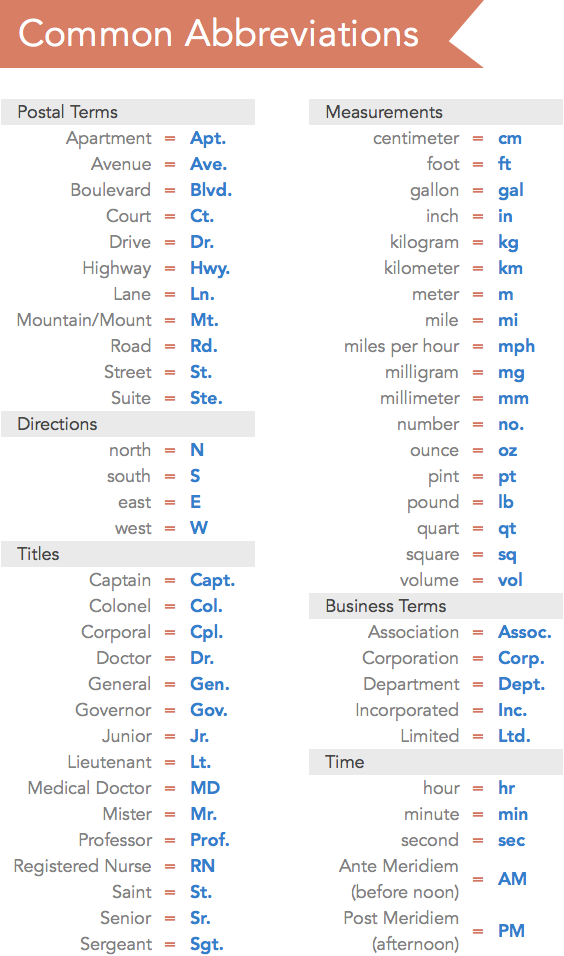
In our hyper-connected and rapidly evolving world, abbreviations have become the shorthand of communication. Whether you’re diving into the latest tech trends, crafting a compelling brand identity, or navigating the complexities of personal finance, a ubiquitous alphabet soup surrounds us. These acronyms and initialisms, while often efficient, can also be a source of confusion and exclusion. This article aims to demystify some of the most common and impactful abbreviations you’ll encounter across the critical domains of Technology, Brand, and Money, helping you to confidently engage with the information and discussions that shape our modern landscape.

Unpacking the Tech Lingo: From AI to VPN
The technology sector is notorious for its dense jargon, a constant stream of new terms and abbreviations that can make even the most tech-savvy individual feel a step behind. Understanding these shortcuts is crucial for staying informed about the tools and trends that are increasingly integrated into our daily lives, from the software we use to the gadgets we own and the digital security measures we employ.
The Pillars of Modern Computing: Hardware and Software
At the foundational level of technology, we encounter abbreviations that describe the fundamental components and processes.
CPU (Central Processing Unit)
Often referred to as the “brain” of a computer, the CPU is the primary component responsible for executing instructions and performing calculations. Its speed and efficiency directly impact the overall performance of any device. In reviews of laptops, desktops, and even smartphones, you’ll frequently see specifications detailing the CPU model and its clock speed (measured in GHz), indicating how many operations it can perform per second.
RAM (Random Access Memory)
RAM is a type of volatile memory that the computer uses to store data that is actively being used. The more RAM a device has, the more applications it can run simultaneously and the faster it can switch between them. For tasks like graphic design, video editing, or running multiple demanding applications, ample RAM is essential. You’ll see RAM specifications in gigabytes (GB) in product descriptions and performance benchmarks.
GPU (Graphics Processing Unit)
While the CPU handles general processing, the GPU is specifically designed to accelerate the creation and rendering of images, video, and animations. This is paramount for gaming, 3D modeling, machine learning, and any application that requires significant visual processing power. High-end graphics cards, like those from NVIDIA (GeForce RTX) or AMD (Radeon RX), are defined by their powerful GPUs.
OS (Operating System)
The OS is the software that manages a computer’s hardware and software resources, providing common services for computer programs. We interact with it daily, whether it’s through Windows (Microsoft’s dominant desktop OS), macOS (Apple’s OS for its computers), or mobile operating systems like iOS (Apple’s mobile OS) and Android (Google’s open-source mobile OS).
SSD (Solid State Drive)
SSDs are a type of storage device that uses integrated circuit assemblies to store data persistently. Unlike traditional Hard Disk Drives (HDDs) that use spinning platters, SSDs have no moving parts, making them significantly faster, more durable, and quieter. The speed of an SSD drastically impacts boot times, application loading, and file transfer speeds, making it a highly sought-after upgrade for any computer.
Navigating the Digital Landscape: Connectivity and Security
Beyond the core components, a vast array of abbreviations governs how we connect to the internet and protect our digital lives.
Wi-Fi (Wireless Fidelity)
This ubiquitous term refers to a wireless networking technology that allows devices to connect to the internet or to a local network without cables. Wi-Fi standards, like Wi-Fi 6 (802.11ax), indicate the speed and efficiency of the wireless connection.
LAN (Local Area Network) and WAN (Wide Area Network)
A LAN connects devices within a limited area, such as a home or office, while a WAN connects devices over a much larger geographical area, the most prominent example being the internet itself.
VPN (Virtual Private Network)
A VPN creates a secure, encrypted connection over a public network, like the internet. It’s commonly used for enhanced online privacy, security, and to access geo-restricted content. Understanding VPN protocols like OpenVPN or WireGuard can further enhance your understanding of online security.
URL (Uniform Resource Locator)
This is simply the web address of a resource on the internet, the familiar string of characters you type into your browser to visit a website.
HTTP (Hypertext Transfer Protocol) and HTTPS (Hypertext Transfer Protocol Secure)
HTTP is the foundation of data communication on the World Wide Web. HTTPS is the secure version, using encryption to protect the data transferred between your browser and the website. Look for the padlock icon in your browser’s address bar, indicating an HTTPS connection for sensitive transactions.
The Rise of Intelligent Tools: AI and Beyond
Artificial Intelligence (AI) is no longer a futuristic concept; it’s a present reality, driving innovation across numerous fields.
AI (Artificial Intelligence)
AI refers to the simulation of human intelligence in machines that are programmed to think and learn like humans. This broad category encompasses various sub-fields.
ML (Machine Learning)
A subset of AI, ML enables systems to learn from data without being explicitly programmed. This is the engine behind many recommendation systems, predictive text, and personalized content feeds.
NLP (Natural Language Processing)
NLP allows computers to understand, interpret, and generate human language. This is what powers virtual assistants like Siri and Alexa, chatbots, and advanced translation tools.
API (Application Programming Interface)
An API is a set of rules and protocols that allows different software applications to communicate with each other. Many AI tools leverage APIs to integrate their functionalities into other platforms. For example, a weather app might use a weather API to fetch data.
Building and Protecting Your Brand: Identity and Reputation
In the competitive landscape of business and personal careers, a strong brand is paramount. Abbreviations in this domain often revolve around strategy, communication, and perception.
Crafting a Distinct Identity: Design and Strategy
The visual and strategic elements of a brand are crucial for recognition and differentiation.
** logotipo (Logo)**
While not strictly an abbreviation in the typical sense, “logo” is often used colloquially and is the visual symbol that represents a company or organization.
UI (User Interface) and UX (User Experience)

In digital design, UI refers to the visual elements of a product (buttons, layouts, typography) that users interact with. UX, on the other hand, encompasses the overall experience a user has with a product or service, including their emotions and perceptions. Good UI and UX are fundamental to successful app and website design.
SEO (Search Engine Optimization)
SEO is the practice of increasing the quantity and quality of traffic to your website through organic search engine results. Understanding SEO is vital for any online business or content creator looking to gain visibility.
CTA (Call to Action)
A CTA is a prompt designed to elicit an immediate response from the audience, typically used in marketing and advertising to encourage a specific action, such as “Buy Now,” “Sign Up,” or “Learn More.”
Measuring and Managing Perception: Marketing and Reputation
Once a brand is established, its perception and reach are carefully managed through various strategies.
ROI (Return on Investment)
A fundamental metric in marketing and business, ROI measures the profitability of an investment. It’s calculated by dividing the net profit by the cost of the investment. A positive ROI indicates a successful venture.
CRM (Customer Relationship Management)
CRM refers to the strategies, practices, and technologies that companies use to manage and analyze customer interactions and data throughout the customer lifecycle, with the goal of improving business relationships with customers, assisting in customer retention, and driving sales growth.
PR (Public Relations)
PR involves managing the public image of an organization or individual. It focuses on building relationships with the media, stakeholders, and the general public to foster positive perceptions and manage any potential crises.
KPI (Key Performance Indicator)
KPIs are quantifiable measures used to evaluate the success of an organization, employee, or specific activity in meeting objectives. In marketing, KPIs might include website traffic, conversion rates, or social media engagement.
Navigating Your Financial World: Personal and Business Money Matters
The realm of finance, whether personal or corporate, is saturated with abbreviations that signify crucial financial concepts, tools, and strategies. Understanding these terms is essential for making informed decisions and achieving financial well-being.
Personal Finance Essentials: Income, Savings, and Investments
For individuals, mastering financial abbreviations empowers them to manage their money effectively and build wealth.
APY (Annual Percentage Yield)
APY represents the real rate of return earned on a savings deposit or investment, taking into account the effect of compounding interest. It’s a more accurate measure of profitability than the simple interest rate.
APR (Annual Percentage Rate)
APR represents the yearly cost of borrowing money, including interest and any fees. It’s a critical figure to consider when taking out loans or using credit cards, as it reflects the true cost of borrowing.
ETF (Exchange-Traded Fund)
ETFs are a type of investment fund that holds assets such as stocks, bonds, or commodities, and trades on stock exchanges. They offer diversification and are often a more accessible and lower-cost investment option compared to traditional mutual funds.
IRA (Individual Retirement Arrangement)
An IRA is a tax-advantaged investment account designed to help individuals save for retirement. Different types of IRAs, like the Traditional IRA and the Roth IRA, offer distinct tax benefits.
DIY (Do It Yourself)
While not exclusively financial, in personal finance, DIY often refers to taking on tasks yourself rather than paying for a service, such as doing your own tax returns (using tax software) or managing your own investments.
Business Finance and Online Income: Growth and Opportunity
For entrepreneurs and businesses, understanding financial abbreviations is vital for operational efficiency, strategic planning, and seizing new opportunities.
P&L (Profit and Loss) Statement
Also known as an Income Statement, the P&L statement summarizes the revenues, costs, and expenses incurred during a specific period, effectively showing the profitability of a business.
GAAP (Generally Accepted Accounting Principles)
GAAP are a common set of accounting principles, standards, and procedures that companies must follow when compiling their financial statements. This ensures consistency and comparability across different businesses.
SaaS (Software as a Service)
SaaS is a software distribution model where a third-party provider hosts applications and makes them available to customers over the Internet. Many modern business tools, from accounting software to project management platforms, are offered as SaaS.
ROI (Return on Investment)
As mentioned in the Brand section, ROI is equally critical in business finance, assessing the profitability of various business initiatives and investments.
EBITDA (Earnings Before Interest, Taxes, Depreciation, and Amortization)
EBITDA is a measure of a company’s operating performance. It’s often used by investors and analysts to gauge the profitability of a company before accounting for financing and accounting decisions.
Venture Capital (VC)
VC refers to financing that investors provide for startups and small businesses with perceived long-term growth potential. Companies seeking VC funding often present detailed business plans and financial projections.
Conclusion: Empowered by Understanding
The abbreviations we’ve explored are just a glimpse into the vast and ever-expanding vocabulary of Technology, Brand, and Money. By demystifying these terms, we empower ourselves to engage more effectively with information, make better decisions, and participate more confidently in the digital, commercial, and financial conversations that shape our lives. Whether you’re a seasoned professional or a curious beginner, investing a little time in understanding these essential abbreviations will undoubtedly enhance your journey through the modern world. As technology, branding, and finance continue to evolve, so too will the language we use to describe them. Staying curious and committed to learning is the most effective way to navigate this dynamic landscape.
aViewFromTheCave is a participant in the Amazon Services LLC Associates Program, an affiliate advertising program designed to provide a means for sites to earn advertising fees by advertising and linking to Amazon.com. Amazon, the Amazon logo, AmazonSupply, and the AmazonSupply logo are trademarks of Amazon.com, Inc. or its affiliates. As an Amazon Associate we earn affiliate commissions from qualifying purchases.