
When it comes to outfitting a bedroom or managing the logistics of a household move, understanding the nuances of mattress sizing is essential. While the difference between a full and a queen may seem negligible to the untrained eye, these two sizes serve distinctly different purposes in terms of spatial efficiency, budget, and occupant comfort. For consumers and interior designers alike, selecting the right mattress is an exercise in balancing footprint with function.
Dimensions and Physical Specifications
The fundamental distinction between a full mattress and a queen mattress lies in their physical dimensions. These measurements dictate not only how much floor space a bed will occupy but also how much room is available for those sleeping in it.
The Full Mattress Profile
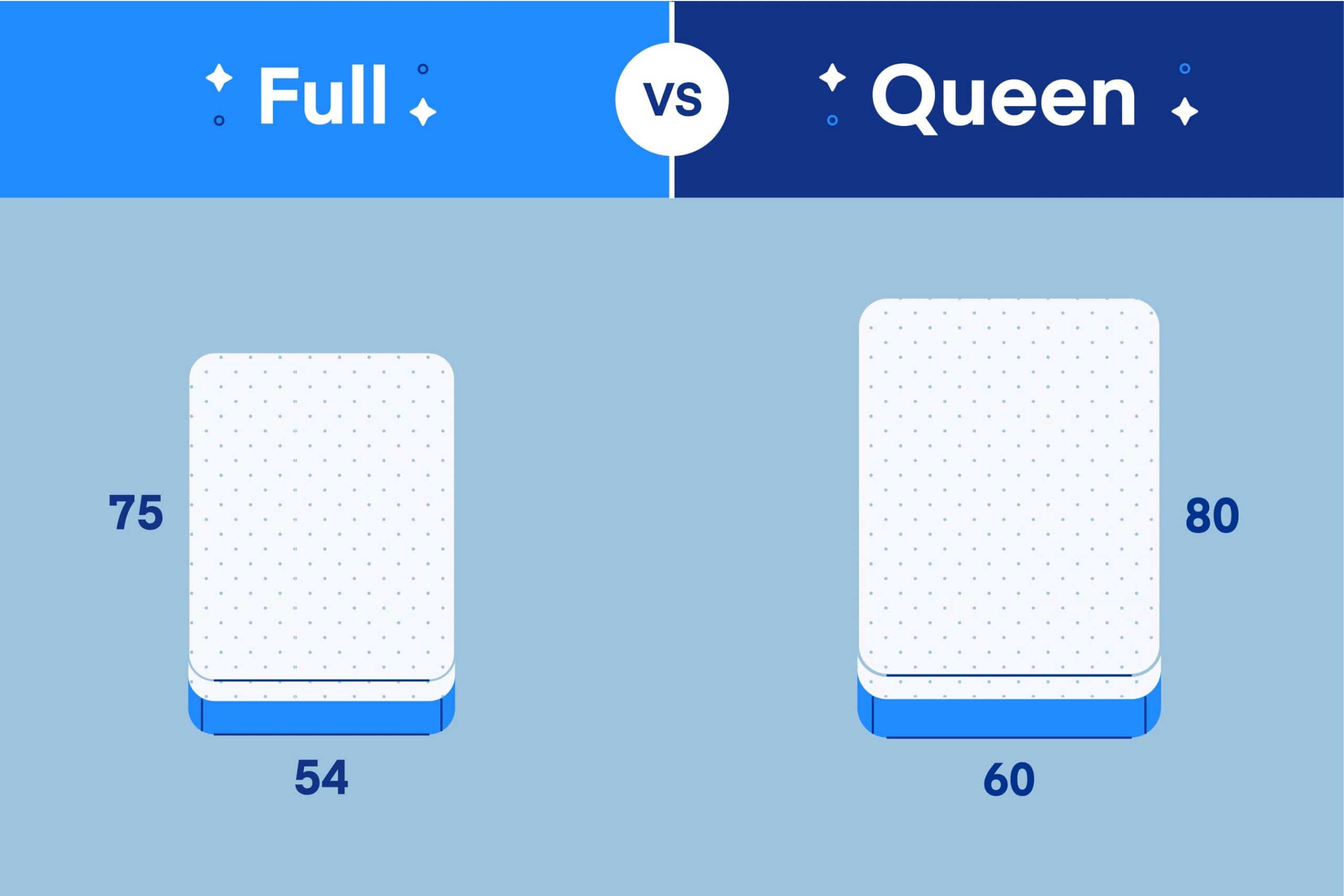
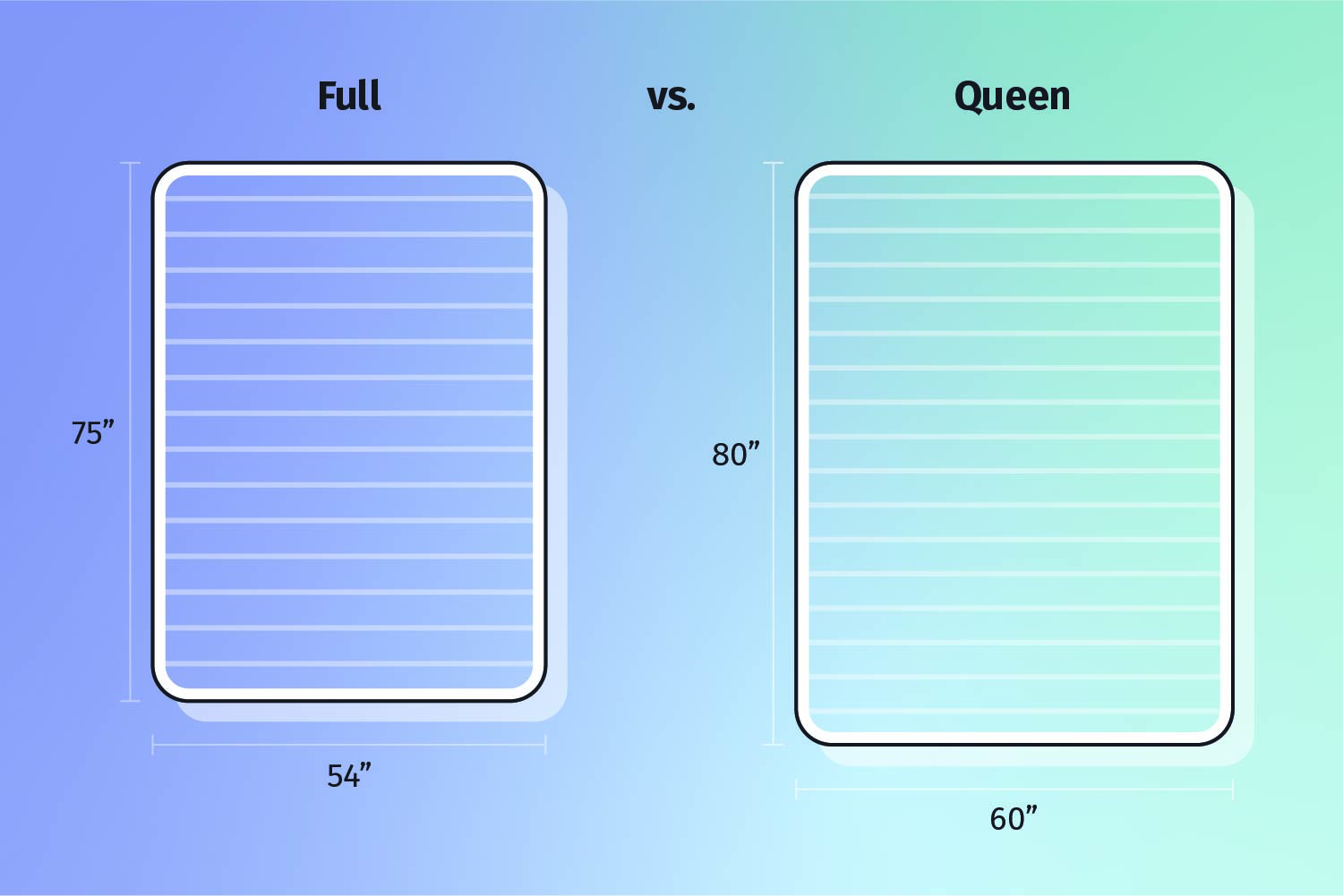
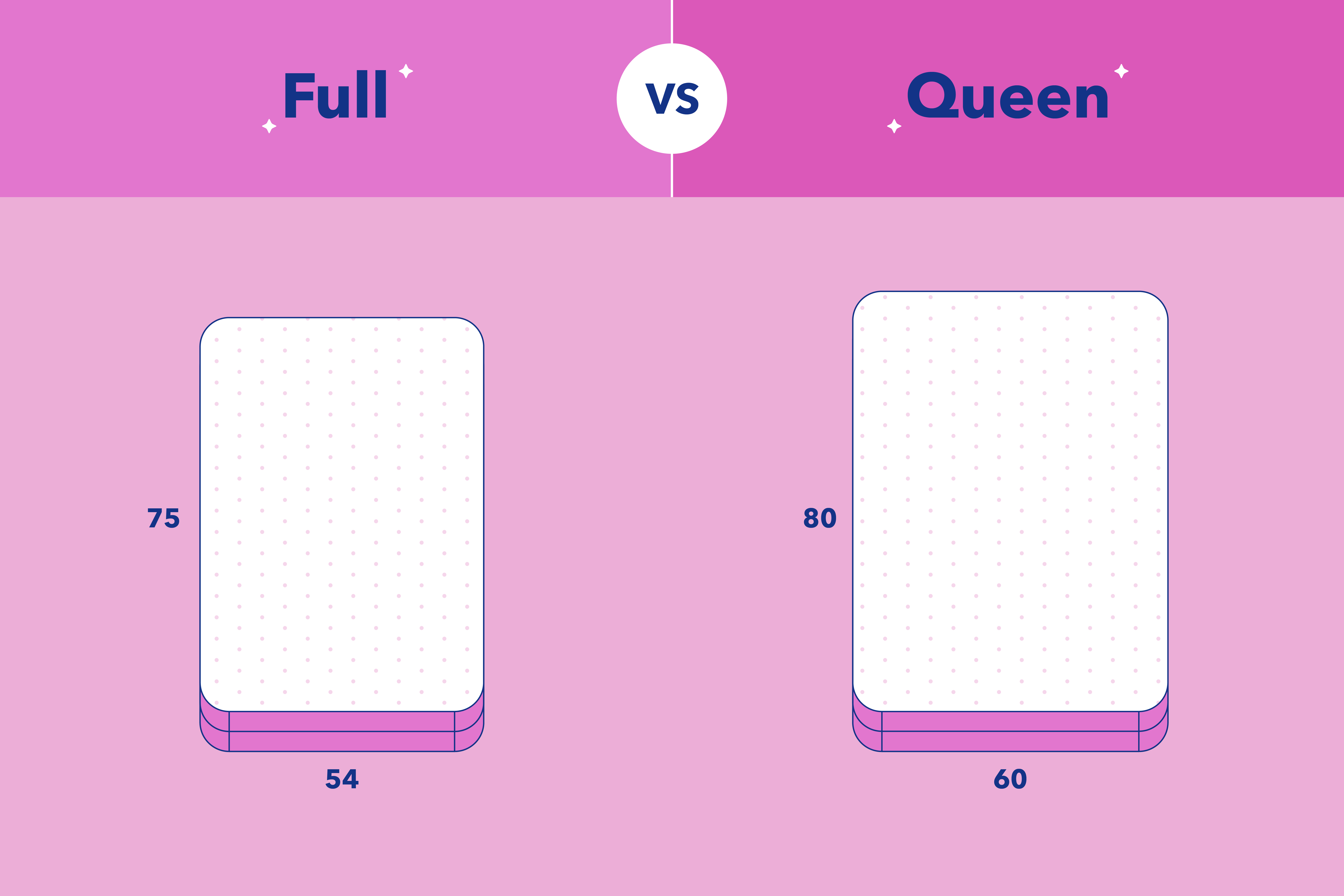
A standard full mattress, historically referred to as a “double,” measures 54 inches wide by 75 inches long. For decades, this was the gold standard for two adults, though modern ergonomic standards have shifted significantly. The full size is compact, making it an ideal candidate for smaller bedrooms, guest rooms, or studio apartments where maximizing floor space is a priority. However, because it is only 54 inches wide, each person sharing the bed is allotted only 27 inches of personal space—roughly the width of a standard crib mattress.
The Queen Mattress Profile
The queen mattress, measuring 60 inches wide by 80 inches long, offers a substantial upgrade in both directions. The extra six inches of width and five inches of length transform the sleep experience for couples. Those five additional inches of length are particularly beneficial for taller individuals who find that their feet hang off the end of a full-sized bed. As the most popular mattress size in North America, the queen represents the standard for master bedrooms, providing a balance that accommodates two adults without overwhelming a moderately sized room.
Economic Considerations and Cost of Ownership
From a financial perspective, the choice between a full and a queen involves more than just the price tag on the mattress itself. It requires a holistic view of the “total cost of ownership,” which includes bedding, support systems, and the longevity of the investment.
Initial Purchase Price
Generally, a full-sized mattress is more affordable than a queen. Because manufacturers use less raw material—such as memory foam, latex, or pocketed coils—the production costs are lower, and these savings are passed on to the consumer. In a retail environment, the price gap between the two sizes can range from $100 to several hundred dollars, depending on the brand and material quality. For those on a strict budget or furnishing a secondary room that sees infrequent use, the full size offers a clear financial advantage.
Long-Term Value and Resale
While the full size is cheaper to buy, the queen size often offers better long-term value. Because the queen is the most sought-after size on the market, it maintains a higher resale value should you need to sell it later. Furthermore, queen-sized bedding—comforters, duvet covers, and fitted sheets—is manufactured in much higher volumes. This high demand often leads to more competitive pricing and a broader variety of options in the textiles market. You may find that while the mattress costs more, the ongoing costs of accessorizing a queen bed are often lower due to the abundance of sales and choices compared to the more niche, secondary-market full size.
Spatial Efficiency and Interior Design Constraints
The primary constraint when choosing between these two sizes is the architecture of the bedroom itself. A bed is rarely just a place to sleep; it is the anchor of a room’s floor plan.
Maximizing Small Footprints
In urban environments or smaller homes, every square foot counts. If a bedroom is smaller than 10 by 10 feet, a queen bed can quickly dominate the space, leaving little room for nightstands, dressers, or adequate circulation. A full-sized mattress is often the superior choice in these scenarios, as it allows for the integration of essential furniture without creating a cramped, claustrophobic atmosphere. It provides enough surface area for a comfortable night’s sleep while maintaining the room’s utility as a multi-functional space.
Creating a Master Suite Experience
For primary bedrooms, the queen is widely considered the minimum acceptable size. Interior designers often caution against using a full-sized bed in a large master suite, as the proportions can look awkward, making the room feel empty or “unfinished.” The extra length and width of the queen mattress allow it to serve as a proper focal point. When paired with a headboard and appropriate side tables, the queen mattress creates a balanced, aesthetically pleasing look that satisfies both comfort requirements and design principles.
Practical Considerations for Sleep Quality
The most critical factor in the full vs. queen debate is the quality of sleep, which is directly correlated to the space allocated to the sleeper.
Solo Sleeping Dynamics
For a single adult, the full mattress is often seen as a luxury. It offers plenty of width to move around and stretch out without the significant footprint of a queen. Many young professionals or students find the full mattress to be the “sweet spot” between affordability and space. It offers more room than a twin but does not require the additional investment in bed frames and linens associated with the queen.
Partnered Sleeping Dynamics
When two people share a bed, the differences become stark. A queen mattress is widely regarded as the functional minimum for couples. The 60-inch width allows for enough personal space that partners do not constantly disturb one another during the night. In contrast, sharing a full mattress often leads to compromised sleep quality for couples. The limited width can lead to “sleep crowding,” where partners feel forced to lie too close together, which can increase body heat retention and movement transfer. If you share your bed with a partner or pets, the queen is almost always the more prudent investment for long-term health and restorative sleep.
Making the Final Decision
Choosing between a full and a queen mattress should be driven by a clear assessment of your current lifestyle and future needs.
- Assess Your Space: Measure your room, ensuring you leave at least 24 to 30 inches of space on each side of the bed for walking and furniture access. If you cannot maintain these clearances with a queen, choose a full.
- Evaluate Your Occupants: If the bed is for a guest room or a solo sleeper, a full size is usually sufficient. If it is for a couple or an individual who prefers a large sprawl, the queen is non-negotiable.
- Consider Future Proofing: Are you moving soon? Are you planning to live with a partner? Investing in a queen-sized bed is a more versatile choice for most adults, as it can adapt to various living situations and bedroom sizes in the future.
- Review the Budget: While the full size is cheaper upfront, consider the “life” of the mattress. Since you will likely keep a high-quality mattress for 8 to 10 years, the price difference spread over a decade is often negligible compared to the daily benefit of a better night’s sleep.
Ultimately, the choice comes down to the trade-off between the intimacy and space-saving efficiency of the full mattress and the comfort, standard sizing, and versatility of the queen. By understanding these mechanical and lifestyle differences, you can ensure that your choice provides the support, comfort, and spatial harmony required for your specific needs. Whether you are maximizing a cozy bedroom corner or anchoring a spacious master suite, the right mattress will serve as the foundation for your daily well-being.
aViewFromTheCave is a participant in the Amazon Services LLC Associates Program, an affiliate advertising program designed to provide a means for sites to earn advertising fees by advertising and linking to Amazon.com. Amazon, the Amazon logo, AmazonSupply, and the AmazonSupply logo are trademarks of Amazon.com, Inc. or its affiliates. As an Amazon Associate we earn affiliate commissions from qualifying purchases.