
In the rapidly evolving landscape of digital commerce, the term “User-Generated Content” (UGC) has transitioned from a buzzword to a cornerstone of effective brand strategy. As traditional advertising methods lose their potency in an era characterized by ad-blindness and skepticism toward corporate polish, UGC has emerged as the most authentic currency available to marketers. To understand its role in influencer marketing, one must first dismantle the misconception that UGC is simply “free content.” Instead, it is a sophisticated marketing asset that leverages the credibility of the individual to drive trust, engagement, and conversion.
Defining User-Generated Content within the Influencer Ecosystem
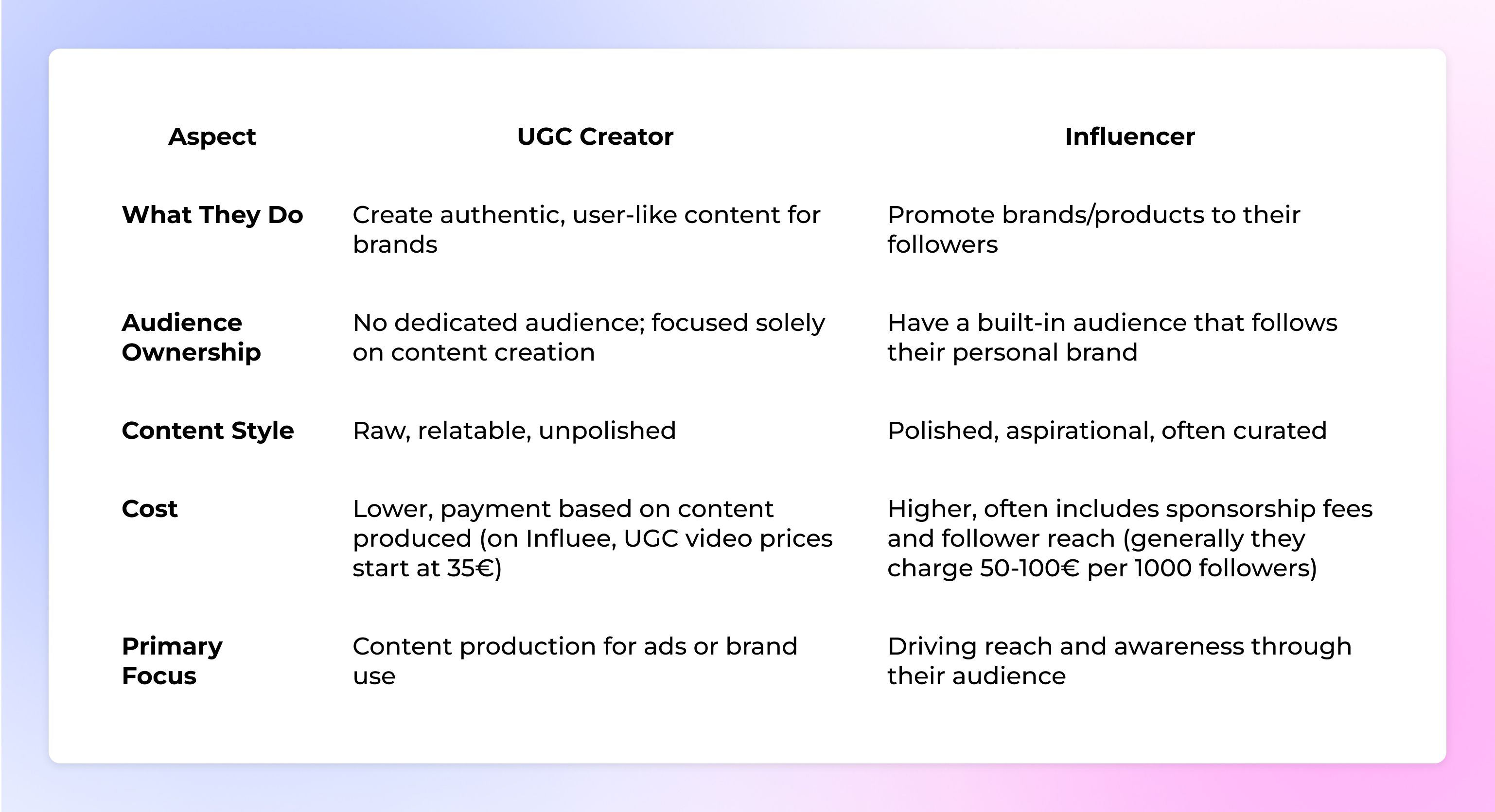
At its core, User-Generated Content refers to any form of content—text, videos, images, reviews, or audio—that has been created by people rather than brands. In the context of influencer marketing, UGC takes on a slightly nuanced definition. It is the tactical bridge between the organic, authentic testimonials of everyday customers and the professional, high-reach capabilities of content creators.
While traditional influencer marketing relies on the creator’s established audience to gain visibility, UGC marketing focuses on the content itself. When an influencer produces UGC, they are shifting away from the role of a “broadcaster” and into the role of a “storyteller.” They create assets that mirror the organic posts of a satisfied consumer, providing social proof that feels native to the platform where it lives. This content is often repurposed by the brand for its own social channels, paid advertising campaigns, or website galleries, effectively turning the influencer into an extension of the brand’s internal creative team.
The Shift from High-Production to “Lo-Fi” Authenticity
The primary objective of modern marketing is to bridge the gap between “brand-speak” and “peer-speak.” High-production-value commercials, while aesthetically pleasing, often signal to the viewer that they are being sold to, prompting them to scroll past. UGC, however, is characterized by its “lo-fi” aesthetic. It feels raw, unedited, and approachable. In the influencer marketing space, this means brands are increasingly tasking creators to produce content that looks like it was captured on a smartphone. This stylistic choice is intentional; it signals to the potential customer that the product has been tested, held, and experienced by a real human being.
The Strategic Value of UGC in Driving Conversion
The efficacy of UGC in influencer marketing is rooted in the psychology of social proof. In a digital marketplace where consumers cannot physically handle a product before purchase, they rely on the experiences of others to mitigate risk.
Establishing Trust Through Shared Experiences
Trust is the most valuable commodity in the influencer-follower dynamic. When a brand partners with an influencer to create UGC, they are essentially “borrowing” the trust that the influencer has cultivated over years of consistent engagement. When a creator records an unboxing video, a tutorial, or a “day in the life” segment featuring a product, they are validating that product’s existence in the real world.
Unlike a polished brand ad, UGC feels like an endorsement from a friend. For the consumer, this reduces the “mental friction” associated with the buying decision. They no longer have to wonder if the product works as advertised; they have seen it in the hands of someone whose taste they respect. This creates a powerful feedback loop: as the content becomes more relatable, the brand’s authority grows, and the likelihood of a conversion increases exponentially.
Optimizing the Sales Funnel with Authentic Assets

Beyond organic social media, UGC is a powerhouse in paid digital advertising. Data consistently shows that UGC-style ads—specifically those featuring influencers—outperform highly stylized brand assets in terms of Click-Through Rate (CTR) and Return on Ad Spend (ROAS).
By integrating UGC into the bottom-of-funnel strategy, brands can utilize influencer-led content to combat buyer hesitation. For example, a customer who is on the verge of purchasing may be influenced to finalize the transaction after seeing a short, authentic video review from an influencer they trust. By deploying this content in retargeting ads, brands essentially turn the influencer into a virtual sales associate who is available 24/7, providing the necessary reassurance at the exact moment the customer is making a decision.
Integrating UGC into a Cohesive Brand Strategy
Successfully integrating UGC into an influencer marketing campaign requires more than just paying a creator to post. It requires a strategic alignment of brand voice, target audience, and platform-specific behavior.
Briefing for Authenticity vs. Creative Control
One of the most significant challenges brands face is the temptation to over-direct the creator. If a brand provides a script that is too rigid, the resulting content will inevitably feel forced and inauthentic. The key to successful UGC is providing the creator with a “creative brief” rather than a “script.”
A strong brief outlines the core value proposition of the product, the specific pain points it solves, and the required call to action. However, it also gives the creator the autonomy to interpret these points through their own unique lens. When an influencer is allowed to present the product in their own voice, using their own filming style, the output resonates far more effectively with their audience. The goal is to facilitate a collaboration where the influencer’s personal brand and the corporate brand intersect seamlessly.
The Lifecycle of UGC Content
Once an influencer produces UGC, its value does not disappear after the initial post. Forward-thinking brands view this content as long-term digital assets.
- Repurposing: Content created for an Instagram Reel or TikTok can be repurposed for email marketing campaigns, website landing pages, or even physical signage.
- Community Building: By sharing UGC, brands can cultivate a sense of community. When customers see that their peers—and the influencers they follow—are using the product, it encourages them to share their own experiences, creating a virtuous cycle of user-generated content that fuels brand growth long after the paid campaign has concluded.
- Data-Driven Iteration: Tracking the performance of various UGC assets allows brands to see which types of content (e.g., comparison videos, problem-solution videos, or aesthetic hauls) perform best. This data informs future influencer collaborations, ensuring that marketing spend is consistently allocated to the formats that yield the highest return.
Navigating the Future of UGC and Influencer Marketing
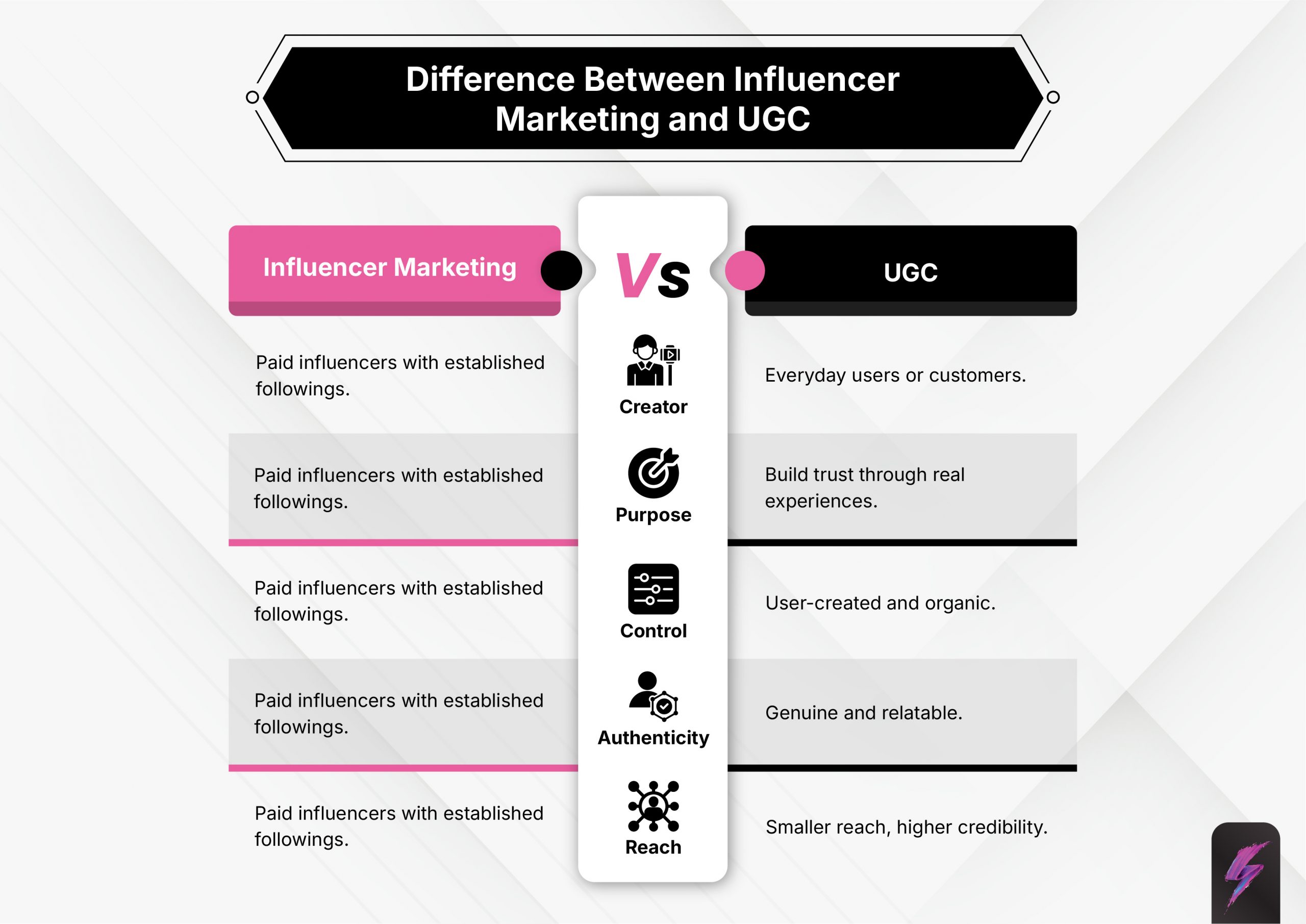
As AI-driven content and synthetic media become more prevalent, the human element of marketing will become even more precious. We are entering an era where “proof of humanity” is a competitive advantage. UGC serves as this proof. It is a testament to the fact that a product has successfully integrated into a real person’s lifestyle.
In the coming years, the definition of UGC in influencer marketing will likely continue to expand. We are already seeing a shift toward “Micro-Influencer UGC,” where brands prioritize a high volume of content from creators with smaller, highly engaged niches rather than relying on a single celebrity endorsement. This strategy allows brands to achieve broader saturation and demonstrate that their product is universally appealing across different demographics.
Ultimately, UGC is the modern antidote to the artificiality of digital advertising. It acknowledges that the consumer is smarter, more skeptical, and more discerning than ever before. By empowering influencers to speak honestly about products through the medium of authentic content, brands do not just sell a product—they invite the consumer into a shared reality where the brand serves as a reliable, valuable component of the customer’s daily life. The definition of UGC is, at its heart, the definition of modern relevance: the intersection of human experience and commercial intent.
aViewFromTheCave is a participant in the Amazon Services LLC Associates Program, an affiliate advertising program designed to provide a means for sites to earn advertising fees by advertising and linking to Amazon.com. Amazon, the Amazon logo, AmazonSupply, and the AmazonSupply logo are trademarks of Amazon.com, Inc. or its affiliates. As an Amazon Associate we earn affiliate commissions from qualifying purchases.