
For many, the physical debit card is a gateway to their financial life, yet few people stop to consider the anatomy of the plastic rectangle they use daily. Understanding the components of your debit card is not merely an exercise in trivial knowledge; it is a fundamental aspect of personal finance security and operational literacy. At the heart of this card lies the primary identifier: the debit card number.
Anatomy of the Primary Account Number (PAN)
The long string of digits embossed or printed on your debit card is formally known as the Primary Account Number, or PAN. While it may appear to be a random sequence of numbers, the structure of this string is governed by strict international standards, specifically ISO/IEC 7812.
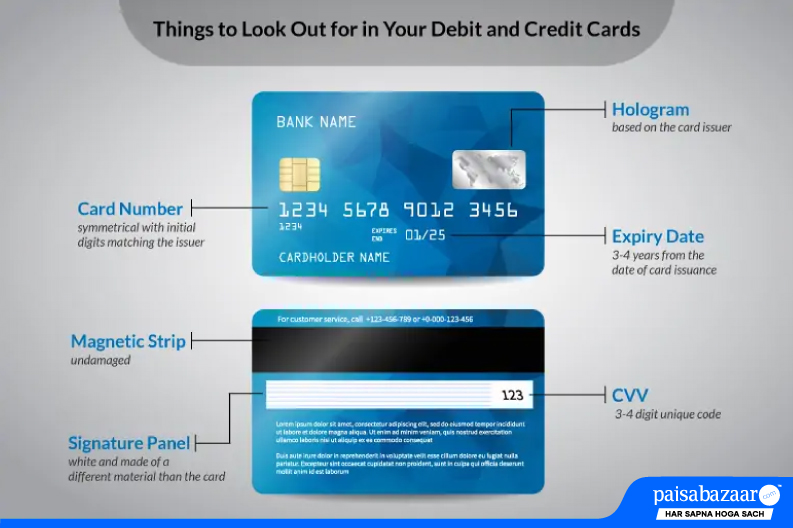
Typically consisting of 16 digits—though some cards may range from 13 to 19—the PAN is divided into specific segments, each serving a vital purpose in the global financial network.
The Major Industry Identifier (MII)
The very first digit of your debit card identifies the industry of the card issuer. For example, cards starting with a 3 are generally associated with travel and entertainment (such as American Express), while 4 signifies Visa, and 5 signifies Mastercard. This initial digit acts as a routing signal, directing the transaction request toward the correct financial network infrastructure.
The Bank Identification Number (BIN)
The first six to eight digits of the card number constitute the Bank Identification Number (BIN), formerly known as the Issuer Identification Number (IIN). This sequence identifies the specific financial institution that issued the card. When you swipe or insert your card, the payment terminal reads this segment to determine where the transaction authorization request needs to be routed.
The Individual Account Identifier
Following the BIN, the subsequent digits represent your personal account number. This is unique to you and is linked directly to your specific checking or savings account. This segment is what the bank uses to locate your funds and verify that the balance is sufficient to cover the transaction.
The Check Digit
The final digit of the card number is known as the “check digit.” It is not a random number; it is generated using a mathematical formula known as the Luhn algorithm. This algorithm is designed to detect accidental errors, such as a mistyped digit during an online checkout. If a merchant enters the number incorrectly, the check digit calculation will fail, signaling that the number is invalid before the transaction is ever processed by the bank.
Security and the Distinction Between PAN and CVV
While the card number is the identifier for your account, it is important to distinguish it from other security features found on the card. The card number itself does not constitute full authentication. In an era of rampant digital fraud, the industry has implemented secondary layers of security.
The most prominent of these is the CVV (Card Verification Value) or CVC (Card Validation Code). This is typically a three-digit number found on the back of the card (or four digits on the front for certain issuers). Unlike the card number, which remains constant even if you are issued a replacement card with a new expiration date, the CVV is designed to prove that the person initiating a transaction is in physical possession of the card.
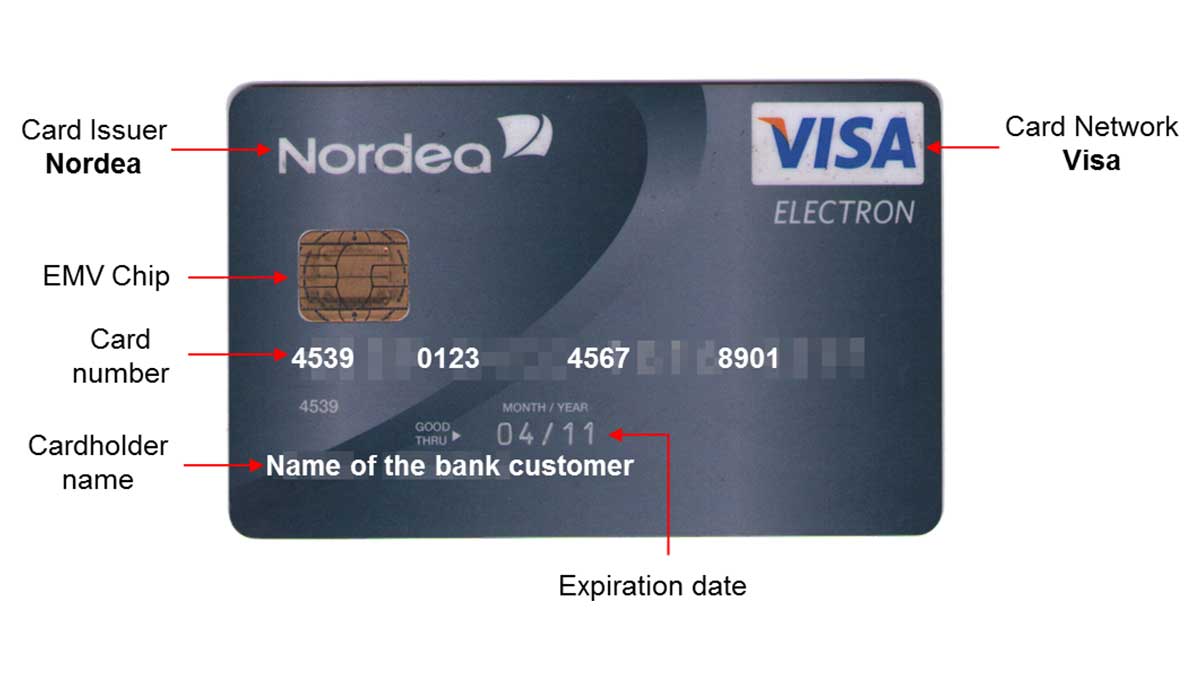
The security risk arises when both the card number and the CVV are compromised. If a malicious actor obtains your 16-digit PAN, your expiration date, and your CVV, they can effectively bypass the “physical presence” requirement of online transactions. Consequently, protecting your card number is the first line of defense in maintaining the integrity of your personal finances.
The Role of the Card Number in Transaction Authorization
When you make a purchase, whether at a brick-and-mortar register or an e-commerce site, the card number acts as the bridge between your bank and the merchant. Understanding the path this number takes helps highlight why privacy is paramount.
When the card number is entered into a payment gateway, it is encrypted and sent to the merchant’s acquiring bank. From there, it moves through the card network (Visa, Mastercard, etc.) to your issuing bank. The issuer checks the card number against their internal ledger to confirm the account is active, the funds are available, and the location of the transaction is not indicative of fraud.
If you ever experience a compromise, the card number is the specific element that is “deactivated” by the bank. This is why, if you lose your card, the bank must issue you an entirely new number. Because the number is hard-coded into the magnetic stripe and the EMV chip, a single digit change renders the old physical card useless.
Best Practices for Protecting Your Financial Identity
Given that your debit card number provides direct access to your liquid assets, you must treat it with the same level of caution as you would a house key or a social security card.
Avoid Public Wi-Fi for Transactions
When shopping online, never enter your card number while connected to unsecured public Wi-Fi networks. Hackers can easily intercept data transmitted over open networks. If you must shop on the go, use a secure cellular connection or a trusted VPN (Virtual Private Network) to encrypt the transmission of your card data.
Monitor Transaction Statements Regularly
Security isn’t just about hiding your number; it’s about auditing its usage. Set up push notifications or SMS alerts through your banking app. Most modern financial institutions allow you to receive an alert every time your card number is used for a transaction. This real-time feedback loop allows you to spot unauthorized usage immediately. If you see a charge you don’t recognize, the first step is to contact your bank and request an immediate freeze or cancellation of the card number.
Use Digital Wallets as a Shield
One of the most effective ways to protect your card number is to stop typing it into websites. Using digital wallets like Apple Pay, Google Pay, or Samsung Pay employs a process called “tokenization.” When you use these services, your actual debit card number is never transmitted to the merchant. Instead, the payment processor issues a unique, one-time-use digital token. Even if the merchant suffers a data breach and their customer database is stolen, your real debit card number remains safe because the attacker only gains access to a useless, expired token.

Physical Security and “Card Not Present” Fraud
Even in a digital-first world, physical security remains relevant. Ensure that you never leave your card unattended and be wary of “skimmers”—devices placed over legitimate card readers at gas pumps or ATMs designed to record your card number as you insert it. Always give the card reader a quick tug to ensure it is secure, and cover the keypad when entering your PIN.
Understanding the card number is about more than knowing what the digits on the plastic mean; it is about recognizing the weight of the data you carry in your wallet. By understanding how the PAN is structured, how it travels through the global banking system, and how to effectively shield it from exploitation, you move from being a passive consumer to an active protector of your financial autonomy. The debit card number is the key to your bank account—ensure that only you have access to it.
aViewFromTheCave is a participant in the Amazon Services LLC Associates Program, an affiliate advertising program designed to provide a means for sites to earn advertising fees by advertising and linking to Amazon.com. Amazon, the Amazon logo, AmazonSupply, and the AmazonSupply logo are trademarks of Amazon.com, Inc. or its affiliates. As an Amazon Associate we earn affiliate commissions from qualifying purchases.