
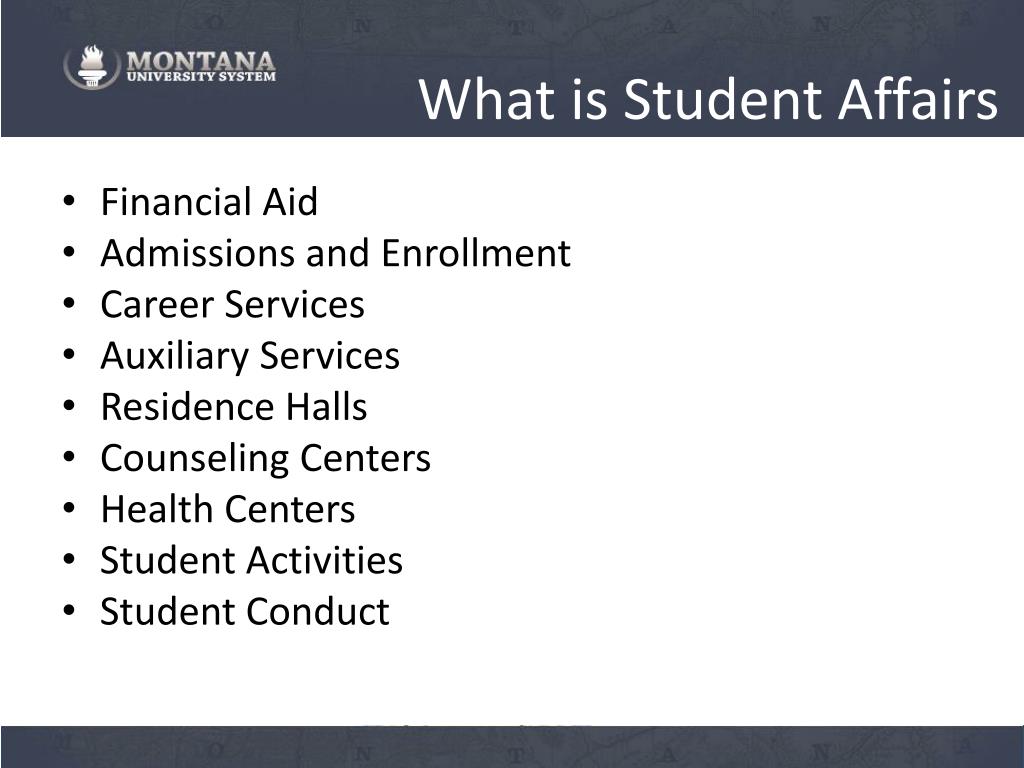
Student Affairs is the heartbeat of the modern educational institution. It is a specialized field within higher education that focuses on the holistic development of students outside the formal classroom environment. While academic affairs concerns itself with the curriculum, grades, and faculty research, Student Affairs is dedicated to the infrastructure of student life—mental health, residential living, leadership development, campus safety, and extracurricular engagement. In the current competitive landscape, an institution’s brand is often defined more by its student experience than by its course catalog. Understanding the strategic role of Student Affairs is essential for anyone interested in institutional positioning, community management, and the business of education.

The Strategic Role of Student Affairs in Brand Positioning
In the higher education market, universities are increasingly functioning as brands competing for a global student body. Student Affairs acts as the primary steward of the “student experience,” which serves as the most powerful differentiator in a university’s marketing strategy. When a student chooses a university, they are not just buying a degree; they are buying into a community, a culture, and a support system.
Cultivating Campus Identity
Student Affairs departments are responsible for the rituals, traditions, and extracurricular programming that build school spirit. From orientation week to alumni associations, these touchpoints create a sense of belonging. A strong, cohesive campus culture acts as a brand beacon, attracting students who share the institution’s values. When Student Affairs effectively curates these experiences, they generate authentic testimonials and high student retention rates, which are critical metrics for institutional reputation.
The Student-as-Customer Paradigm
Modern Student Affairs departments operate with a sophisticated understanding of their “customer.” By utilizing data-driven insights to track student engagement, departments can personalize outreach, optimize resource allocation, and address friction points in the student journey. This professionalized approach ensures that the university’s brand promise—whether it be centered on inclusivity, innovation, or leadership—is delivered consistently across all student-facing services.
Core Pillars of Student Development and Engagement
To effectively manage a campus brand, Student Affairs must operate across several specialized pillars. Each of these pillars contributes to the overall narrative of the institution and ensures that students are supported from the moment they arrive until the day they graduate and transition into the workforce.
Residential Life and Community Building
Housing is often the most significant physical touchpoint for a student. Residential life programs do more than provide shelter; they foster peer-to-peer relationships and provide the first lessons in community living. By integrating academic support into residence halls, Student Affairs creates a living-learning environment that significantly impacts student success and brand loyalty.
Health, Wellness, and Safety
The modern student experience is inextricably linked to mental health and physical wellbeing. A university that positions itself as an advocate for student wellness will naturally hold a stronger position in the eyes of prospective parents and students. Comprehensive health services, counseling centers, and safety protocols are no longer just support services—they are essential brand pillars that communicate institutional care and responsibility.
Leadership and Career Preparation
Student Affairs facilitates the transition from theory to practice. By managing student organizations, Greek life, and student government, these departments provide a “sandbox” where students develop soft skills like negotiation, project management, and conflict resolution. When a university can demonstrate that its graduates are not only academically proficient but also highly employable leaders, the institutional brand strengthens significantly.
Student Affairs as an Engine for Institutional Sustainability
The long-term viability of an educational institution relies heavily on the work done by Student Affairs. Retention is the most effective form of revenue stability for any college. While academic success is a prerequisite for retention, the psychological and social integration of a student is what ultimately prevents them from dropping out.
The Economics of Engagement
High levels of student engagement correlate directly with persistence. When a student is involved in a club, a sports team, or a campus employment program, they are less likely to disengage during difficult academic periods. Student Affairs professionals are essentially “retention experts.” By designing intentional engagement strategies, they ensure that the “customer” remains invested in the brand, thereby safeguarding the institution’s tuition-based revenue streams.
Alumni Pipeline and Brand Ambassadors
A student’s experience with Student Affairs rarely ends at graduation. The services and community bonds fostered during their undergraduate years determine their future relationship with the institution as an alumnus. An alumnus who feels their student experience was transformative is more likely to become a donor, a mentor, or an advocate for the institution. In this way, Student Affairs acts as the foundation for the university’s long-term endowment and philanthropic strategy.
Leveraging Technology in Student-Facing Operations
As the digital landscape evolves, Student Affairs has had to pivot toward technology-driven solutions to maintain its relevance. The expectation of the modern student is an integrated, seamless, and mobile-first experience.
Data-Driven Personalization
Modern Student Affairs departments utilize customer relationship management (CRM) systems to track student progress and engagement levels. This data allows for proactive interventions. If a student stops attending events or utilizing campus resources, the system can trigger automated, personalized outreach. This level of personalized service, usually associated with corporate retail, is becoming the gold standard in higher education management.
Digital Community Spaces
With the rise of hybrid and remote learning, Student Affairs has expanded its influence into digital spaces. From virtual student unions to social engagement platforms, these tools allow institutions to maintain a sense of brand identity even when students are physically distributed. The ability to foster community in a digital-first environment is now a key capability for any institution that wishes to lead in the 21st century.
The Future of Student Affairs: Beyond the Campus Gates
The boundaries of the campus are blurring. As the professional world increasingly demands “human-centric” skills—empathy, adaptability, and social intelligence—the mission of Student Affairs is more critical than ever. We are moving toward a future where the distinction between “education” and “experience” is obsolete.
Student Affairs professionals are the architects of the human experience within higher education. Their work creates the narrative that defines an institution’s value in the marketplace. By fostering environments where students are healthy, engaged, and empowered, they don’t just support the university’s mission—they drive it. Whether it is through the strategic use of data, the cultivation of a robust institutional brand, or the implementation of comprehensive wellbeing programs, Student Affairs remains the indispensable backbone of the educational enterprise. As higher education continues to adapt to an ever-changing economic and social landscape, the importance of these professionals in bridging the gap between student aspiration and institutional success will only continue to grow.
aViewFromTheCave is a participant in the Amazon Services LLC Associates Program, an affiliate advertising program designed to provide a means for sites to earn advertising fees by advertising and linking to Amazon.com. Amazon, the Amazon logo, AmazonSupply, and the AmazonSupply logo are trademarks of Amazon.com, Inc. or its affiliates. As an Amazon Associate we earn affiliate commissions from qualifying purchases.