
The iconic image of an FBI badge is instantly recognizable, a symbol of federal law enforcement and investigative prowess. But beyond the familiar silver or gold star, what exactly does an FBI badge look like, and what does it represent? This exploration delves into the visual elements of FBI badges, their historical evolution, and the underlying principles they embody. While the FBI’s core mission revolves around intelligence gathering, counterterrorism, cybercrime, and maintaining national security, their official insignia carries a weight of authority and trust that transcends mere aesthetics.

The Evolution of the FBI Badge: From Seal to Shield
The journey of the FBI badge is a fascinating reflection of the agency’s own development. Initially, federal investigators, like their counterparts in local law enforcement, didn’t carry standardized badges. The early days of federal investigative bodies, predating the FBI’s formal establishment, relied more on official documentation and personal recognition than a uniform emblem.
Early Days and the Birth of Official Identification
When the Bureau of Investigation (BOI), the precursor to the FBI, was established in 1908, the need for clear identification became paramount. Early forms of identification might have been less formal, perhaps involving signed credentials or letters of authority. However, as the agency grew and its responsibilities expanded, a more tangible and universally recognized symbol of authority was required.
The concept of a badge as a symbol of office gained traction. Early federal badges were often simple, sometimes resembling the Great Seal of the United States. This connection to the national emblem was crucial, immediately signifying the bearer’s authority as acting on behalf of the federal government. These early iterations likely lacked the intricate details and standardized design we associate with modern FBI badges. The primary goal was clear: to allow individuals to unequivocally identify themselves as federal agents with the power to investigate and enforce federal laws.
The Rise of the Shield and the Iconic “Feds”
The transition to a more distinct and standardized badge design began to take shape over the decades. The term “Feds,” often used colloquially, points to this evolving recognition. While the specifics of early badge designs can be difficult to pinpoint without direct historical records, the general trend was towards a more robust and recognizable emblem.
The adoption of the shield or star shape became a defining characteristic of law enforcement badges across the United States, and the FBI was no exception. This shape, often associated with protection and authority, provided a clear visual cue. Over time, elements were added to the badge that conveyed specific information about the wearer and the agency they represented. These elements would include the agency’s name, the agent’s title, and sometimes a unique identification number. The intention was to create a badge that was not only a symbol of authority but also a practical tool for identification and accountability.
Anatomy of a Modern FBI Badge: Symbolism and Security
Today, the FBI badge is a highly sophisticated piece of official identification, designed to be both visually striking and exceptionally secure. It’s a carefully crafted emblem that communicates authority, integrity, and the immense responsibility vested in its bearer.
The Shield Design and its Embellishments
The most prominent feature of the modern FBI badge is its shield-like shape. While variations have existed throughout history, the contemporary badge is often a multi-pointed star or a shield with distinct edges. At its center, the badge prominently displays the Great Seal of the United States. This is not merely decorative; it is a powerful statement of federal authority and the FBI’s role as an arm of the U.S. government.
Surrounding the Great Seal, the badge typically bears the inscription “FEDERAL BUREAU OF INVESTIGATION.” This clearly identifies the agency, leaving no room for ambiguity. Below the seal, the word “SPECIAL AGENT” is usually emblazoned, signifying the wearer’s rank and primary role.
Beyond these core elements, the badge incorporates several security features designed to prevent counterfeiting and ensure authenticity. These can include:
- Holographic elements: Shimmering, multi-dimensional images that are difficult to replicate.
- Microprinting: Extremely small text, often too small to be read without magnification, embedded within the badge design.
- Unique serial numbers: Each badge is assigned a unique number, allowing for meticulous record-keeping and tracking of issued badges.
- Specialized materials: The badges are typically made from high-quality metals, often silver or gold-plated, with specific finishes that are difficult to mimic.
The combination of these elements creates a badge that is not only visually commanding but also technologically advanced, a testament to the FBI’s commitment to security and the integrity of its identification.
Color Variations and Their Meanings
While the classic image of an FBI badge often evokes a silver or gold hue, there are subtle variations that can sometimes be observed. The most common and widely recognized badges are typically silver-toned. This silver finish is often associated with professionalism, reliability, and a sense of enduring authority.
However, there are instances where badges might appear with a gold finish. These variations are not necessarily indicative of different ranks or duties in the way that colored patches might be in military uniforms. Instead, historical context or specific internal designations might have led to such variations in the past. It’s also important to note that lighting conditions and photography can significantly alter the perceived color of a badge.
For the vast majority of Special Agents, the standard issue badge is a silver-toned emblem. The emphasis is on a design that is universally understood and respected, rather than on elaborate color schemes that could create confusion. The underlying symbolism of authority and trustworthiness remains consistent, regardless of the precise metallic sheen.
The FBI Badge in Context: Authority, Trust, and Responsibility
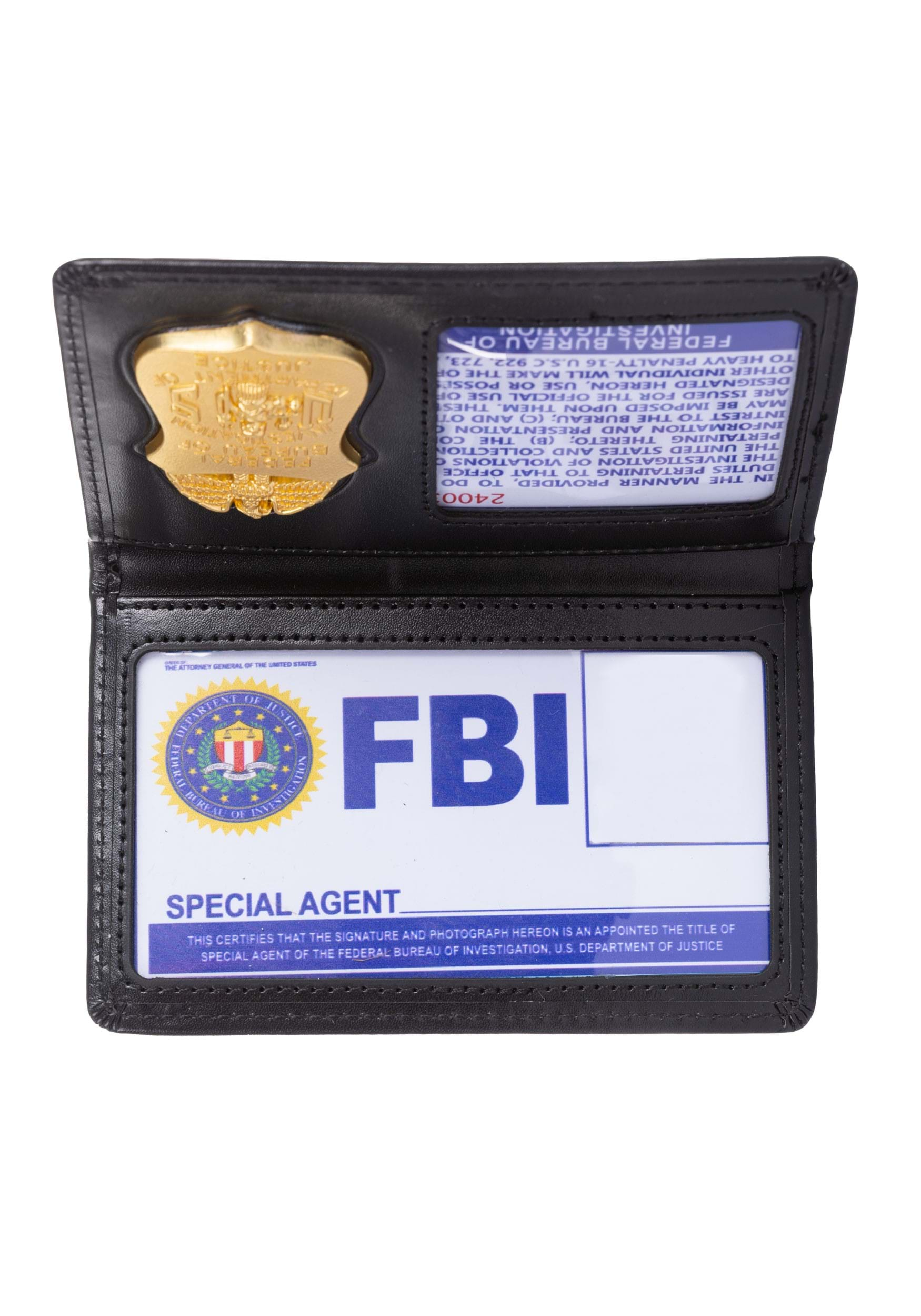
The FBI badge is far more than just a piece of metal; it’s a profound symbol that carries immense weight in the public consciousness. Its presence signifies a complex interplay of authority, trust, and the heavy burden of responsibility.
Authority and Jurisdiction
The badge is the primary visual indicator of a Special Agent’s authority to act on behalf of the federal government. When an FBI badge is presented, it signifies that the individual is empowered to investigate federal crimes, enforce federal laws, and carry out other lawful duties across the United States and, in certain circumstances, internationally. This authority extends to making arrests, executing search warrants, and gathering evidence in cases that fall under federal jurisdiction, such as terrorism, espionage, cybercrime, organized crime, and civil rights violations.
The badge serves as a constant reminder to the public and to the agents themselves of the boundaries of their authority and the legal framework within which they operate. It is a credential that demands respect and compliance, but also one that is governed by strict protocols and oversight.
Building Trust and Public Perception
In the realm of law enforcement, trust is a fundamental currency. The FBI badge, with its association with the Great Seal of the United States and its history of investigating significant national threats, is designed to inspire confidence and deter criminal activity. For the public, seeing the badge often translates to a sense of security, knowing that a dedicated agency is working to protect them from harm.
However, the perception of the FBI badge is also influenced by the agency’s actions and its adherence to ethical standards. Historically, there have been instances where public trust in federal law enforcement has been tested. Therefore, the badge is not just a symbol of authority, but also a constant reminder of the need for integrity, transparency, and fairness in all operations. The responsibility of upholding the reputation associated with the badge lies with every individual agent.
The Weight of Responsibility and Ethical Conduct
The authority granted by the FBI badge comes with an equally significant weight of responsibility. Special Agents are entrusted with protecting national security, upholding the Constitution, and ensuring justice. This requires not only investigative skill and dedication but also unwavering ethical conduct.
The FBI has stringent policies and training programs in place to ensure that its agents operate with the highest degree of integrity. Misuse of the badge or abuse of authority can have severe consequences, both legally and professionally. The badge, therefore, serves as a daily reminder of the oath taken by each agent – to uphold the law, to protect the innocent, and to serve the American people with courage and honor. It is a symbol that embodies the commitment to a mission that is vital to the safety and security of the nation.
Beyond the Badge: The Broader Impact of FBI Symbolism
While the physical badge is a potent symbol, its significance extends far beyond its tangible form. The FBI’s emblem is intertwined with the agency’s operations in technology, brand reputation, and its financial impact on national security.
Technology and the Modern Investigator
The FBI’s mission has evolved dramatically with technological advancements. From early methods of surveillance to sophisticated cybercrime investigations, technology is at the forefront of the Bureau’s work. The FBI badge, representing the modern Special Agent, is worn by individuals who are increasingly adept at navigating the digital landscape.
- AI Tools and Digital Security: The FBI is a major consumer and developer of advanced technologies, including AI tools for data analysis, pattern recognition, and threat detection. Special Agents might use AI-powered software to sift through vast amounts of digital evidence, identify potential suspects in cyberattacks, or analyze communication patterns to thwart terrorist plots. The badge symbolizes the authority to wield these powerful technological instruments for the greater good.
- Software and Apps: Custom-built software and off-the-shelf applications are crucial for case management, secure communication, and evidence collection. Agents rely on these digital tools to perform their duties efficiently and effectively, all under the umbrella of the authority the badge represents.
- Gadgets and Reviews: While the focus is on mission-critical technology, the FBI also leverages a range of specialized gadgets for surveillance, forensic analysis, and secure operations. The need for reliable and cutting-edge technology means the FBI is constantly evaluating and integrating new solutions, often with implications for how investigations are conducted and how evidence is gathered.
The badge, in this context, represents the legitimacy and oversight behind the use of these powerful technological resources. It signifies that these tools are employed not arbitrarily, but in pursuit of justice and under the rule of law.
Brand Strategy and Reputation Management
The FBI’s badge is an integral part of its powerful brand identity. The Brand surrounding the FBI is built on decades of perceived effectiveness, integrity, and a commitment to national security. The badge is a primary visual cue that reinforces this brand.
- Corporate Identity: The consistent and recognizable design of the badge contributes to the FBI’s strong corporate identity. It projects an image of professionalism, authority, and a unified federal presence.
- Marketing and Design: While the FBI doesn’t engage in traditional marketing, the deliberate design and dissemination of its insignia contribute to its public perception. The “look” of the badge is a critical element of its brand narrative, aiming to inspire confidence and deter adversaries.
- Reputation: The reputation of the FBI is inextricably linked to the individuals who wear the badge and the integrity with which they conduct their work. Any deviation from ethical standards can tarnish not only the individual agent but also the broader brand. The badge, therefore, serves as a constant reminder of the reputational stakes involved in every investigation.
The effectiveness of the FBI’s brand is heavily reliant on the public’s perception of the individuals who represent it, symbolized by their badges.

Money and the Financial Implications of National Security
The FBI’s work has significant financial implications, both in terms of its own budget and the economic impact of the crimes it investigates and prevents. The Money aspect of the FBI’s mission is vast and multifaceted.
- Personal Finance and Investing (in Security): The FBI’s success in preventing large-scale terrorist attacks, dismantling criminal enterprises, and combating financial fraud directly impacts personal finance and the stability of financial markets. The resources allocated to the FBI are an investment in national security and economic stability.
- Online Income and Side Hustles (Illicit): A significant portion of the FBI’s workload involves investigating illicit online income schemes, cyber fraud, and other criminal activities that target individuals and businesses for financial gain. The badge represents the authority to pursue these perpetrators and recover stolen assets.
- Business Finance and Financial Tools: The FBI plays a crucial role in safeguarding businesses from financial crimes, including money laundering, counterfeiting, and corporate espionage. By ensuring the integrity of financial systems, the Bureau indirectly supports the health of business finance and the effective use of financial tools within the legal economy.
The FBI badge, therefore, represents the authority to protect the financial well-being of the nation, from individual savings to the stability of global markets. The pursuit of justice by those who wear the badge has tangible economic consequences, safeguarding both legitimate financial activities and the safety of citizens.
aViewFromTheCave is a participant in the Amazon Services LLC Associates Program, an affiliate advertising program designed to provide a means for sites to earn advertising fees by advertising and linking to Amazon.com. Amazon, the Amazon logo, AmazonSupply, and the AmazonSupply logo are trademarks of Amazon.com, Inc. or its affiliates. As an Amazon Associate we earn affiliate commissions from qualifying purchases.