
Understanding the Mechanics of Rimfire Technology
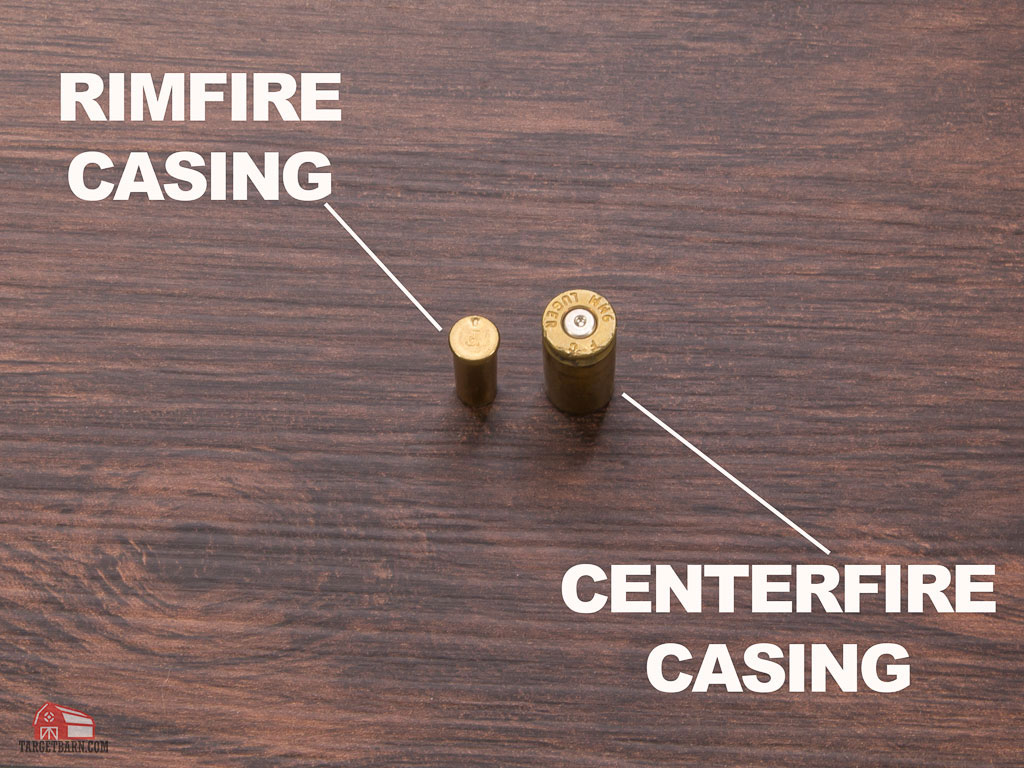
The world of ballistics is often divided into two primary ignition systems: centerfire and rimfire. Understanding the rimfire platform is essential for any shooting enthusiast, as it represents a unique intersection of engineering efficiency and historical utility. At its core, a rimfire rifle is a firearm that uses a cartridge where the priming compound—the chemical mixture responsible for igniting the propellant—is contained entirely within the hollow, folded rim of the cartridge casing.
The Anatomy of a Rimfire Cartridge
Unlike centerfire cartridges, which feature a distinct, replaceable primer cup seated in the center of the cartridge base, the rimfire design integrates the ignition source into the casing itself. During the manufacturing process, the priming compound is spun into the rim of the cartridge. When the shooter pulls the trigger, the firing pin strikes the rim of the casing, crushing it against the rear face of the barrel. This impact ignites the primer, which in turn ignites the main powder charge, propelling the bullet forward.
Advantages of the Rimfire Design
The primary advantage of the rimfire system is cost-effectiveness. Because the primer is an integral part of the case, the manufacturing process is significantly streamlined. This translates to lower production costs, making rimfire ammunition, such as the ubiquitous .22 Long Rifle (LR), one of the most affordable options on the market. Additionally, rimfire rifles are characterized by their simplicity and reliability. Without the need for a complex centerfire firing mechanism, rimfire actions can be made lighter and more compact, making them ideal for training, target practice, and small-game hunting.
Evolutionary History and Modern Applications
The development of the rimfire cartridge in the mid-19th century revolutionized the firearm industry by enabling the mass production of self-contained metallic cartridges. While centerfire cartridges eventually became the standard for high-power military and sporting rifles due to their ability to withstand higher internal pressures, the rimfire platform never lost its relevance.

From Flobert to the .22 LR
The history of rimfire began with Louis-Nicolas Flobert’s “bullet breech” caps in 1845, which were essentially percussion caps with a bullet attached. Over the decades, this evolved into the modern rimfire cartridges we recognize today. The .22 LR, introduced in 1887, remains the most popular cartridge in history. Its longevity is a testament to its design; it is accurate enough for competitive target shooting, powerful enough for small game hunting, and gentle enough for teaching novices the fundamentals of marksmanship.
Contemporary Use Cases
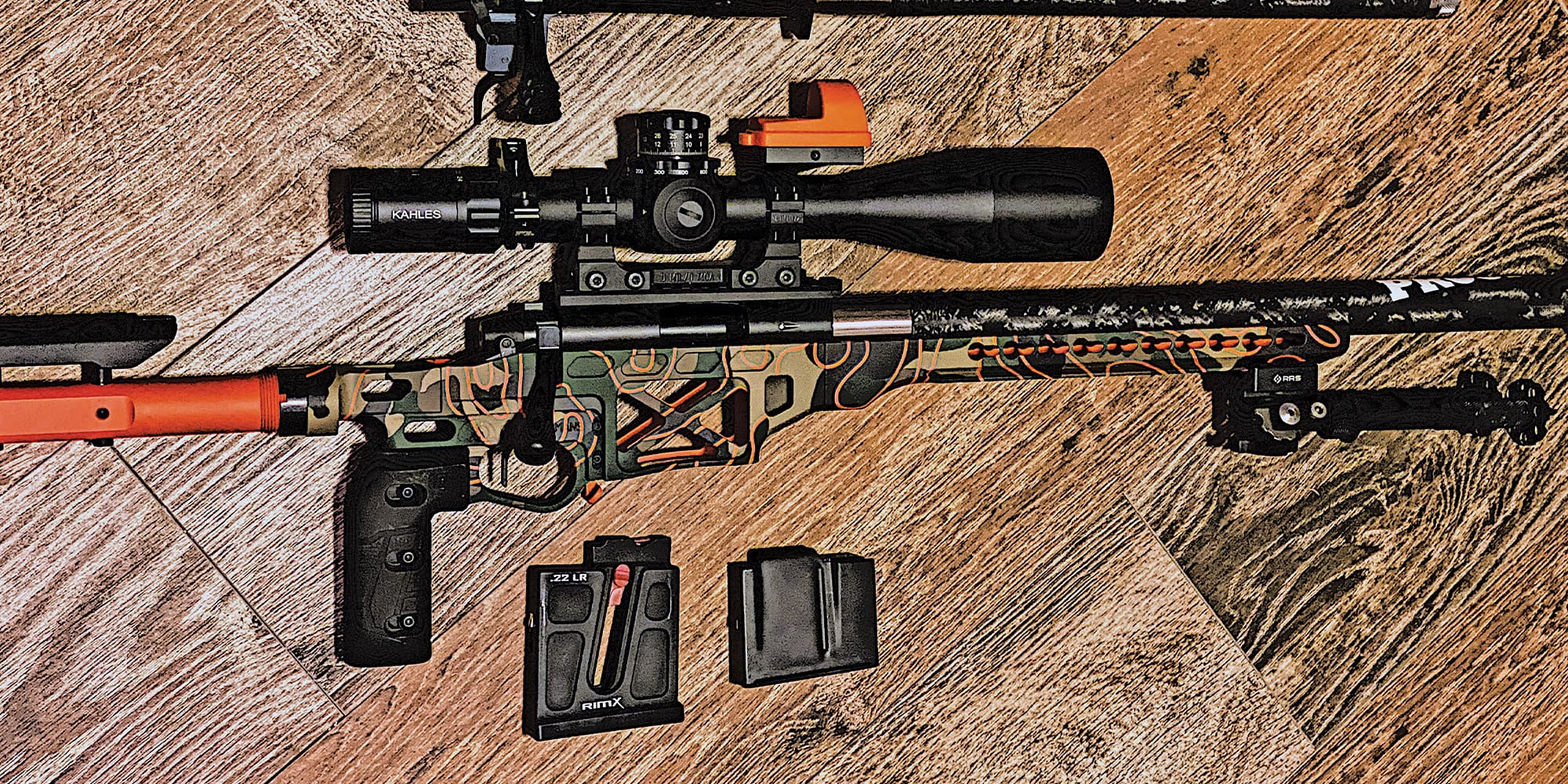
In the modern era, rimfire rifles serve several specific roles. They are the gold standard for introductory marksmanship. The low recoil and minimal noise signature allow new shooters to focus on trigger control, sight alignment, and breathing without the flinch-inducing impact of high-caliber rifles. Furthermore, the precision rimfire market has seen a resurgence. Competitive disciplines like the Precision Rifle Series (PRS) now feature dedicated rimfire divisions, where shooters utilize highly specialized, match-grade rimfire rifles to engage targets at extended distances, testing their ability to account for ballistics and wind drift in a format that mirrors long-range centerfire competition.
Technical Specifications and Performance Considerations
Selecting a rimfire rifle requires a nuanced understanding of how these firearms perform under various conditions. While they are often viewed as simple “plinkers,” modern rimfire rifles can be highly sophisticated machines, featuring match-grade barrels, adjustable triggers, and precision-engineered actions.
Accuracy and Barrel Harmonics
Because rimfire ammunition operates at relatively low pressures, the barrel’s interaction with the projectile is critical. Barrel harmonics—the vibrations that travel through the metal when a shot is fired—have a profound impact on accuracy. Many high-end rimfire rifles are equipped with heavy, free-floated barrels that minimize these vibrations, allowing for consistent shot-to-shot placement. Furthermore, the rifling twist rate must be precisely matched to the weight of the bullets being fired; for instance, standard .22 LR cartridges perform best with a specific twist rate to ensure stable flight over distances exceeding 100 yards.
Action Types in Rimfire Rifles
The versatility of rimfire rifles is largely defined by the action type:
- Bolt-Action: Regarded as the pinnacle of rimfire accuracy, bolt-action rifles provide a rigid lock-up and consistent ignition, making them the preferred choice for target shooters and hunters.
- Semi-Automatic: These rifles use the energy from each shot to cycle the action and load the next round. They are popular for recreational shooting and field use where follow-up shots are required quickly.
- Lever-Action: Evoking a classic Western aesthetic, lever-action rimfires are beloved for their manual operation and rapid-fire potential, offering a unique blend of heritage and function.
Maintenance and Safety Protocols
As with any mechanical device, the performance and longevity of a rimfire rifle depend on proper maintenance. Because rimfire ammunition often utilizes lead bullets and non-jacketed projectiles, these rifles tend to accumulate lead fouling within the barrel.
Cleaning and Care
Routine cleaning is essential to maintain accuracy. Lead buildup can degrade the rifling’s effectiveness, leading to unpredictable shot groups. Shooters should utilize a high-quality bore solvent and cleaning rod, moving from the breech to the muzzle to protect the crown of the barrel—the most critical part of the rifle for precision. Additionally, keeping the action free of debris is vital. Unburnt powder and carbon can accumulate in the receiver, leading to feed failures or light primer strikes.
Safe Handling Practices
Despite their smaller stature and lower power, rimfire rifles are fully functional firearms and must be treated with the same safety standards as high-powered centerfire weapons. The “four rules” of firearm safety remain the foundation: treat every rifle as if it is loaded; never point the muzzle at anything you are not prepared to destroy; keep your finger off the trigger until your sights are on target; and be certain of your target and what lies beyond it. Furthermore, because rimfire ammunition can travel significant distances, backstops must be constructed of appropriate materials—such as thick berms or engineered bullet traps—to prevent ricochets and ensure that every projectile is safely contained.
The Future of Rimfire Shooting
The rimfire category is currently experiencing a renaissance, driven by technological advancements in ammunition manufacturing and the increasing popularity of precision shooting sports. While the .22 LR remains king, cartridges like the .17 HMR (Hornady Magnum Rimfire) and the .22 WMR (Winchester Magnum Rimfire) have expanded the capabilities of the platform.
Innovations in Ammunition
Modern rimfire ammunition is more consistent than ever. Match-grade offerings now utilize proprietary bullet coatings and precise powder measures, reducing velocity variations that were once common in mass-produced rimfire rounds. These advancements allow shooters to extend their effective range, making 200- or even 300-yard shots a reality for the skilled rimfire marksman.
The Path Forward
Whether you are a newcomer learning the ropes or a seasoned competitor fine-tuning your craft, the rimfire rifle remains an essential tool. Its unique design—born from the clever integration of primer into the case—has endured for over 150 years, proving that simplicity is often the ultimate form of sophistication. As manufacturers continue to push the boundaries of what is possible with rimfire technology, this niche will remain a vibrant and integral part of the shooting sports landscape, offering a lifetime of enjoyment, challenge, and technical discovery. By respecting the history of the platform while embracing modern innovations, enthusiasts can ensure that the rimfire rifle continues to be a cornerstone of the shooting community for generations to come.
aViewFromTheCave is a participant in the Amazon Services LLC Associates Program, an affiliate advertising program designed to provide a means for sites to earn advertising fees by advertising and linking to Amazon.com. Amazon, the Amazon logo, AmazonSupply, and the AmazonSupply logo are trademarks of Amazon.com, Inc. or its affiliates. As an Amazon Associate we earn affiliate commissions from qualifying purchases.