
Therapeutic phlebotomy—often referred to by the historical term “bloodletting”—is a precisely controlled medical procedure used to reduce the volume of red blood cells or iron stores in the body. While the ancient practice of bloodletting has long been relegated to medical history, modern therapeutic phlebotomy is a sophisticated, evidence-based treatment utilized to manage specific hematological conditions. Understanding this procedure requires moving past historical misconceptions and focusing on the clinical protocols that govern blood removal for the sake of patient health rather than simple diagnostic testing.
The Clinical Purpose and Indications for Phlebotomy
At its core, therapeutic phlebotomy is the intentional removal of blood to treat a specific medical condition. Unlike diagnostic phlebotomy, which is performed to obtain a small sample for laboratory analysis, therapeutic phlebotomy involves the withdrawal of a larger volume of blood (typically 400 to 500 milliliters) at regular intervals. This procedure is primarily indicated for patients whose blood parameters have reached levels that pose a significant health risk.
Managing Hemochromatosis
The most common indication for therapeutic phlebotomy is hereditary hemochromatosis. In this genetic condition, the body absorbs an excessive amount of iron from the diet. Because the body lacks an efficient mechanism to excrete this excess iron, it begins to deposit in vital organs, including the liver, heart, and pancreas. Phlebotomy serves as an artificial “blood loss” trigger, forcing the body to utilize its stored iron to synthesize new red blood cells. By consistently removing iron-rich blood, clinicians can bring iron levels back into a safe range, preventing irreversible organ damage and complications such as cirrhosis, diabetes, and heart failure.
Addressing Polycythemia Vera
Polycythemia vera is a slow-growing type of blood cancer where the bone marrow makes too many red blood cells. An excess of these cells increases the viscosity, or thickness, of the blood. This hyperviscosity can lead to sluggish blood flow, increasing the risk of blood clots, strokes, and heart attacks. Therapeutic phlebotomy is a frontline treatment designed to thin the blood by reducing the hematocrit level—the percentage of red blood cells in the total blood volume. By keeping the hematocrit within a targeted range, patients can significantly mitigate the risk of thrombotic events.
The Procedure: Safety, Protocol, and Patient Care
The administration of therapeutic phlebotomy is a highly regimented process conducted in clinical settings, such as hospital infusion centers, hematology clinics, or specialized blood centers. While the mechanism—inserting a needle into a vein—mirrors a standard blood donation, the medical oversight and frequency of the procedure differentiate it significantly.
The Phlebotomy Protocol
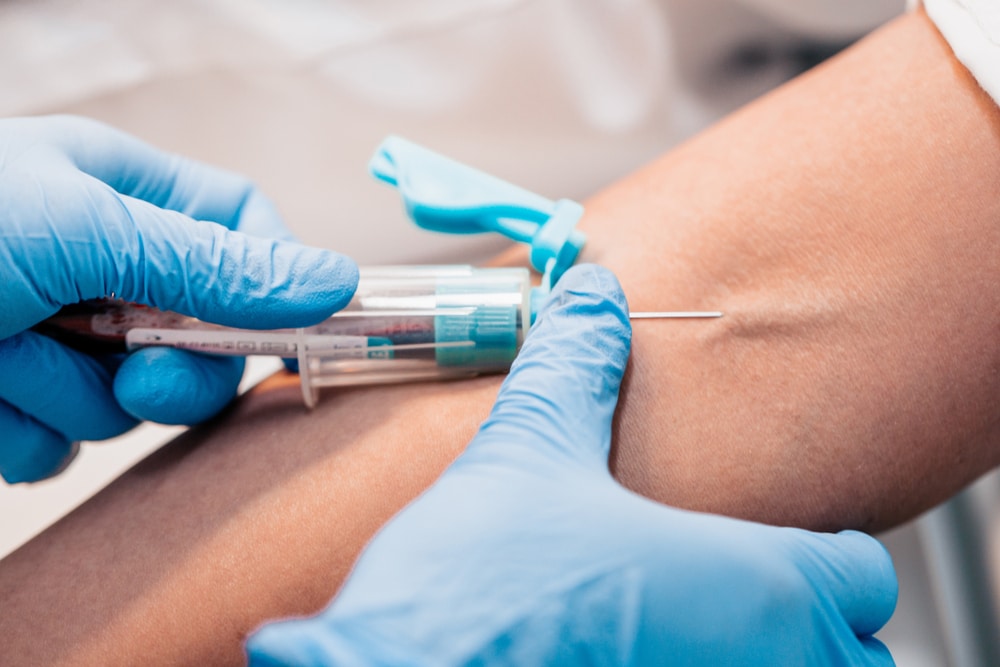
Before a session begins, a clinician verifies the patient’s hemoglobin or hematocrit levels to determine if the treatment is clinically necessary. During the procedure, the patient is usually seated or lying down. A sterile needle is inserted into a large peripheral vein, typically in the antecubital fossa. The blood is drained into a collection bag, which is monitored carefully by the healthcare professional. Because this is a medical treatment, all collected blood is discarded according to medical waste protocols; it is generally not used for transfusion due to the patient’s underlying health conditions.

Monitoring and Managing Side Effects
While generally safe, phlebotomy can induce side effects such as fatigue, dizziness, or lightheadedness, particularly in patients who are dehydrated or have low baseline blood pressure. Fluid replacement—often in the form of oral hydration—is a critical component of the care plan. Patients are monitored during and after the procedure to ensure blood pressure stability. In some cases, if the body’s iron levels or red blood cell counts drop too low, the frequency of sessions is adjusted to prevent anemia. The goal is to balance the reduction of toxic components (iron or excess cells) without triggering deficiency states.
Long-Term Management and Patient Outcomes
Successful outcomes in therapeutic phlebotomy rely heavily on long-term adherence to a prescribed schedule. For patients with chronic conditions like hemochromatosis, the procedure may be required weekly or bi-weekly during the “depletion phase” until iron stores are normalized, followed by a “maintenance phase” involving sessions every few months.
The Importance of Monitoring and Laboratory Tracking
Patients undergoing this treatment must commit to regular laboratory testing. Ferritin levels (for hemochromatosis) and hematocrit or hemoglobin levels (for polycythemia) act as the benchmarks for treatment success. By maintaining these biomarkers within a specific target range, patients can avoid the systemic complications associated with their conditions. The integration of technology in patient management—such as electronic health records and automated lab tracking—has allowed clinicians to manage these treatment schedules with higher precision than ever before.
Patient Quality of Life
When managed correctly, therapeutic phlebotomy is a highly effective treatment that can restore quality of life. Patients who experience the chronic fatigue, joint pain, or “brain fog” associated with iron overload often report significant relief after the initial depletion phase. Similarly, those managing polycythemia vera find that regular phlebotomy sessions alleviate the headaches, flushing, and vascular symptoms that stem from blood hyperviscosity. By transforming a chronic diagnosis into a manageable condition, phlebotomy stands as a cornerstone of hematological care.
Addressing Myths and Evolving Standards
The historical stigma surrounding bloodletting often causes confusion among patients and the public. It is imperative to distinguish modern therapeutic phlebotomy from the unscientific practices of the past. Today, the procedure is strictly regulated, performed under sterile conditions, and guided by specific clinical triggers rather than arbitrary theories about “balancing humors.”
The Evolution of Hematological Science
The development of modern blood components and apheresis technology has allowed for more refined approaches. While traditional whole-blood phlebotomy remains the gold standard for many, some centers now utilize erythrapheresis—a procedure where a specialized machine separates and removes only the red blood cells while returning the patient’s plasma and platelets during the same session. This can be more efficient and less taxing on the body, representing the cutting edge of how we manage conditions involving red cell excess.

Education and Empowerment
For the patient, receiving a diagnosis that requires regular blood removal can be daunting. However, education plays a vital role in reducing anxiety. Understanding that the body produces millions of red blood cells every second makes the removal of 500 milliliters feel less like “losing” blood and more like a controlled regulation of the body’s internal environment. By framing the procedure as a proactive health intervention, patients can take ownership of their treatment, leading to better compliance and ultimately, better health outcomes.
The future of phlebotomy as a treatment remains secure. As our understanding of iron metabolism and genetic predispositions deepens, the application of therapeutic phlebotomy continues to be refined. Whether the objective is preventing organ damage through the reduction of iron overload or preventing cardiovascular catastrophe through the reduction of blood viscosity, this procedure remains a testament to how simple, mechanical interventions can provide profound clinical benefits. Through rigorous medical oversight and patient education, therapeutic phlebotomy continues to be a life-saving tool in the modern medical landscape.
aViewFromTheCave is a participant in the Amazon Services LLC Associates Program, an affiliate advertising program designed to provide a means for sites to earn advertising fees by advertising and linking to Amazon.com. Amazon, the Amazon logo, AmazonSupply, and the AmazonSupply logo are trademarks of Amazon.com, Inc. or its affiliates. As an Amazon Associate we earn affiliate commissions from qualifying purchases.