
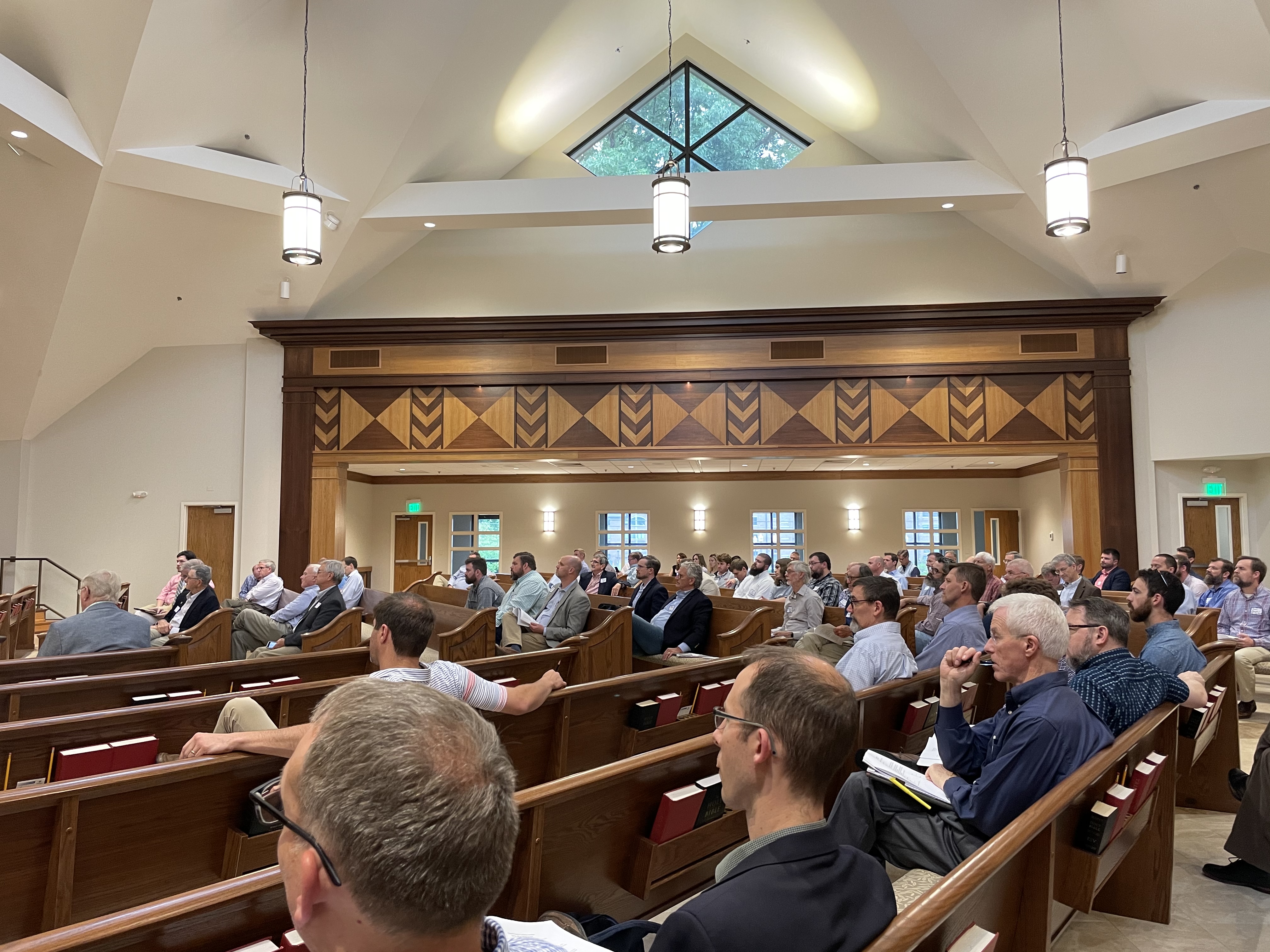
The Presbyterian Church in America (PCA) represents a significant entity within the landscape of North American denominational structures. To understand what the PCA is, one must look beyond its ecclesiastical functions and examine it through the lens of brand strategy, organizational identity, and corporate positioning. In an era where institutional trust is volatile, the PCA serves as a compelling case study in how a legacy organization maintains brand equity, defines its core values, and scales its mission through a decentralized yet cohesive network of local “franchises”—or, in this case, local congregations.
The Brand Identity of the PCA
At its core, the PCA functions as a distinct brand within the broader religious marketplace. For an organization that has existed for decades, maintaining a consistent brand identity across thousands of geographically dispersed locations is a formidable challenge. The PCA manages this through a highly structured “brand architecture” that balances central doctrinal consistency with the autonomy of local expressions.

Doctrinal Consistency as a Value Proposition
In the language of corporate strategy, the PCA’s “Product” is its theological framework. By strictly adhering to the Westminster Standards—the confession of faith that anchors the denomination—the PCA provides a predictable and reliable consumer experience. When a member moves from one city to another, the brand promise ensures that the teaching, governance, and worship style remain consistent. This consistency is the primary driver of brand loyalty. It differentiates the PCA from non-denominational entities that may fluctuate in messaging or mission. By positioning itself as “reformed” and “evangelical,” the PCA targets a specific demographic that values intellectual rigor and historical continuity.
The Governance Structure as a Corporate Hierarchy
The PCA operates using a Presbyterian form of government, which mimics a tiered corporate structure. The “Session” operates at the local level (the branch office), the “Presbytery” functions at the regional level (the district headquarters), and the “General Assembly” acts as the corporate board of directors. This structure creates a transparent chain of accountability. For a brand, this is an asset; it mitigates the risk of rogue leadership or erratic shifts in organizational direction. It provides a system of checks and balances that protects the brand’s reputation from localized PR crises, ensuring that individual deviations do not compromise the integrity of the national trademark.
Brand Strategy and Growth: Scaling the Mission
The PCA’s growth strategy provides a masterclass in decentralized expansion. Unlike retail chains that rely on a top-down, centralized model of management, the PCA utilizes a “Church Planting” model. This approach is essentially an entrepreneurial strategy designed to penetrate new markets (neighborhoods and cities) with minimal overhead from the “corporate office.”
The Church Planting “Start-up” Model
Each new PCA church plant functions much like a business start-up. They are tasked with identifying a target demographic, developing a mission statement that resonates with that community, and securing initial funding. However, unlike a true start-up, these entities are “subsidized” by the brand equity of the denomination. They do not have to build a reputation from scratch; they inherit the credibility of the PCA brand. This allows the organization to scale rapidly across the United States without the need for massive capital investment from a central headquarters.
Strategic Positioning in a Competitive Market
The competitive landscape for the PCA includes not only other denominations but also independent, non-denominational movements that often have higher marketing budgets and more modern aesthetic appeal. The PCA’s strategy for competitive survival is centered on “Confessionalism.” While competitors may pivot toward trending cultural topics or shifting worship aesthetics to attract younger demographics, the PCA positions itself as a “timeless” alternative. This strategy targets the segment of the market that is experiencing “marketing fatigue”—individuals seeking substance over surface-level branding. By refusing to follow the latest trends, the PCA creates a brand identity based on stability and long-term value, which acts as a powerful differentiator in a market saturated with “fast-moving” religious alternatives.
Organizational Culture and Identity Management
A brand is only as strong as its internal culture. In the corporate world, this is often referred to as “employer branding” or “internal communications.” For the PCA, internal alignment is the critical factor in preventing brand dilution.
Developing and Maintaining Corporate Culture
The PCA maintains its culture through rigorous educational requirements for its leadership. By overseeing the training and ordination of its ministers, the denomination ensures that the “human capital” of the organization is aligned with the core mission. This is analogous to a corporation that owns its own training academy; it minimizes the risk of hiring personnel who do not share the company’s vision. This focus on standardized professional development is what keeps the PCA’s brand identity cohesive across thousands of miles.
Navigating Internal Conflict as a Brand Challenge
No organization is without internal tension, and the PCA is no exception. It faces the common corporate challenge of reconciling traditionalists with those who seek modernization. In branding terms, this is a conflict of “Brand Heritage” versus “Brand Relevance.” The PCA addresses this through the aforementioned governance structure. When disagreements arise, they are handled through legislative channels rather than public social media warfare. This ability to resolve conflicts internally is a significant strength, preventing the “leaking” of disagreements that could damage the brand’s public reputation. It reinforces the image of a stable, governed, and predictable organization—a high-value trait for those seeking long-term involvement.
Future-Proofing the Brand
As the cultural landscape continues to shift, the PCA faces the challenge of remaining relevant without sacrificing its core values. Many legacy brands have failed because they were unable to pivot during periods of technological or sociological disruption.
Leveraging Digital Transformation
The PCA has begun to embrace digital tools to extend its reach, mirroring the digital transformation strategies of modern enterprises. From live-streaming services to centralized digital content hubs, the denomination is increasingly utilizing technology to lower the barrier to entry for potential members. This isn’t just about convenience; it is about extending the “customer journey.” By providing high-quality digital resources, the PCA is able to capture the attention of prospective members long before they step foot into a physical building. This funnel-based approach to growth demonstrates an understanding of how modern consumers interact with brands.

Strengthening Brand Advocacy
The final pillar of the PCA’s brand strategy is the cultivation of “brand ambassadors.” In the church context, these are active members who are committed to the mission. By empowering local congregations to engage with their specific communities through service and outreach, the PCA decentralizes its marketing. Each member becomes an advocate for the brand, sharing their personal experiences and inviting others into the ecosystem. This form of “grassroots marketing” is far more effective and trustworthy than traditional advertising. It allows the brand to remain authentic and personal, even as the organization continues to grow in scale.
Ultimately, the PCA serves as a fascinating example of how a mission-driven organization can maintain brand integrity in a complex, fast-changing world. By balancing deep-rooted historical values with modern organizational structures and decentralized growth tactics, the PCA continues to secure its position in the American religious landscape. Whether viewed through the lens of governance, strategy, or internal culture, the PCA functions as a sophisticated model of institutional resilience. Its success provides valuable insights for any organization seeking to maintain a clear identity while navigating the pressures of growth and market competition.
aViewFromTheCave is a participant in the Amazon Services LLC Associates Program, an affiliate advertising program designed to provide a means for sites to earn advertising fees by advertising and linking to Amazon.com. Amazon, the Amazon logo, AmazonSupply, and the AmazonSupply logo are trademarks of Amazon.com, Inc. or its affiliates. As an Amazon Associate we earn affiliate commissions from qualifying purchases.