
Morganite is a gemstone that has captured the attention of both savvy investors and fine jewelry connoisseurs over the last decade. As a member of the beryl family—sharing the same mineral lineage as emerald and aquamarine—morganite offers a unique proposition in the gemstone market. It represents a fascinating intersection of tangible asset appreciation and stylistic demand. For those looking to diversify their portfolio beyond traditional equities or standard diamond investments, understanding the economic profile, rarity, and market dynamics of morganite is essential.
The Mineralogy and Economic Rarity of Morganite
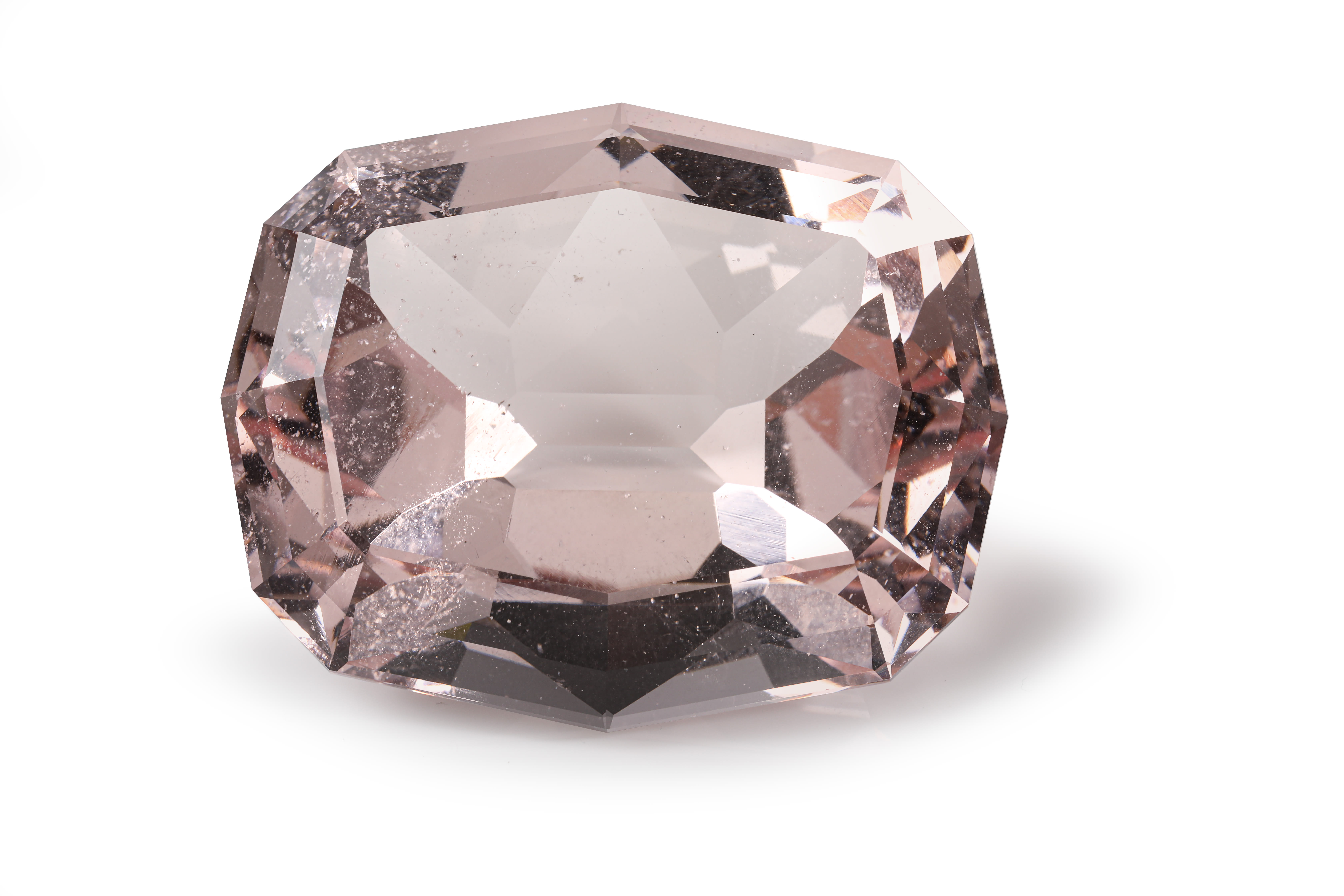
At its core, morganite is a pink-to-orange variety of the mineral beryl. Its distinct color is primarily the result of trace amounts of manganese within the crystal structure. While other beryls like emeralds have been mined for centuries, morganite has a relatively modern history, having been named after the financier J.P. Morgan in 1910.

From an investment and value perspective, morganite is classified as a “semi-precious” stone, though this label often undersells its market performance. Its rarity is defined by the geographic specificity of high-quality deposits. The finest specimens are sourced from Brazil, Madagascar, and Afghanistan. Because morganite crystals often form in large sizes, it is one of the few gemstones where one can acquire significant carat weight without the exponential price jumps seen in rubies or sapphires.
Understanding Color Grades and Valuation
When evaluating the financial potential of a morganite stone, the saturation of color is the primary driver of value. The market dictates a premium for stones that exhibit a pure, vibrant pink, often referred to as “peach” or “salmon” in lower-quality specimens, versus the highly coveted “hot pink” or “magenta” hues. Investors should note that color stability is high; unlike some gemstones that fade under prolonged UV exposure, morganite is remarkably resilient, making it a stable long-term asset for those holding physical commodities.
The Impact of Clarity and Treatment
Unlike many gemstones that require oiling or resin impregnation to hide internal fractures, top-tier morganite is often naturally clear. However, the majority of morganite on the market undergoes heat treatment to remove yellow or orange undertones, resulting in a cleaner, more desirable pink. From a financial standpoint, stones that are certified as “untreated” carry a significant scarcity premium. Investors should prioritize stones with GIA (Gemological Institute of America) reports that specify the extent of any enhancement, as this transparency is crucial for resale liquidity.
Market Trends and the Rise in Jewelry Demand
The demand for morganite has seen a meteoric rise, largely fueled by a shift in consumer preference within the luxury bridal and fashion jewelry sectors. For the financial observer, this shift highlights how cultural trends directly influence asset liquidity. Morganite has successfully positioned itself as a sophisticated, cost-effective alternative to the traditional diamond engagement ring.
The “Diamond Alternative” Market Shift
The wedding industry is one of the most recession-resistant sectors of the economy. As younger generations seek greater value for their capital, the “diamond alternative” market—led by morganite and lab-grown diamonds—has expanded. Morganite’s relative affordability allows buyers to purchase a much larger, more impressive stone for a fraction of the cost of a diamond of similar size. This high “perceived value-to-cost” ratio has made it a darling of the affordable luxury market, driving consistent retail demand.

Why Influencer Marketing and Design Trends Matter
The market for morganite is heavily influenced by social proof and design trends. In the digital age, the “Instagrammability” of a gemstone—how it pairs with rose gold settings and complements current fashion palettes—has become a key performance indicator for retail jewelry brands. Because morganite fits perfectly into the modern aesthetic of minimalist and vintage-inspired designs, it maintains a velocity of sale that many other gemstones lack. For investors, this means the risk of “dead stock” is significantly lower when dealing with high-quality, well-cut morganite.
Investment Considerations for Gemstone Portfolios
Investing in gemstones is inherently different from investing in liquid financial instruments like stocks or bonds. Morganite should be viewed as a “collector’s commodity” or a store of value rather than a quick-turnaround trade. To effectively incorporate morganite into a financial strategy, one must understand the cost of entry, the holding period, and the exit strategy.
Liquidity and the Secondary Market
One of the primary challenges with gemstone investment is liquidity. Unlike gold, which has a globally recognized spot price, morganite pricing is highly subjective and depends on independent appraisal. Investors should be aware that the retail price (what you pay at a boutique) is significantly higher than the wholesale value. To maximize returns, an investor should ideally source high-quality, loose stones at wholesale prices rather than finished retail jewelry. The secondary market for loose, GIA-certified morganite is steady, though it requires an established network of dealers and auction houses to realize the full market value upon exit.
Diversification and Risk Management
Morganite serves as an excellent hedge against currency devaluation. As a physical asset, it carries intrinsic value regardless of the performance of the fiat monetary system. However, it should represent only a small, speculative portion of a diversified portfolio—typically no more than 5% to 10% of one’s alternative asset allocation. The risks include potential changes in consumer fashion, economic downturns affecting luxury spending, and the entry of high-quality synthetic versions of the stone into the market.
Protecting Your Physical Asset
Because morganite is a softer stone (ranking 7.5 to 8 on the Mohs scale) compared to diamonds or sapphires, protection is vital to maintaining its investment grade. Improper storage or rough handling can lead to abrasions that significantly reduce the stone’s appraised value. Investors must budget for proper insurance and climate-controlled storage solutions. Understanding these overhead costs is critical to calculating the “net yield” of a gemstone investment.
Future Outlook for Morganite
The outlook for morganite remains positive as the gemstone industry continues to move toward transparency and ethical sourcing. As consumers become more cognizant of the supply chain, morganite—which is generally mined in environments with lower social impact than conflict diamonds—is becoming the preferred choice for ethical luxury.
Furthermore, as mining costs rise and deposits in traditional locations begin to show signs of depletion, the scarcity of large, high-clarity, naturally pink morganite is likely to increase. This scarcity-driven model is the fundamental basis for long-term appreciation in the gemstone sector.
For the astute investor, the strategy is clear: focus on untreated, high-saturation, large-carat stones. By treating morganite not just as a piece of jewelry, but as a component of a tangible asset portfolio, one can navigate the market with the same rigor applied to any other financial venture. As the global demand for unique, colored gemstones continues to outpace the supply of high-grade material, morganite stands as a resilient asset class worthy of serious consideration by those who understand the delicate balance between aesthetic appeal and economic value.
aViewFromTheCave is a participant in the Amazon Services LLC Associates Program, an affiliate advertising program designed to provide a means for sites to earn advertising fees by advertising and linking to Amazon.com. Amazon, the Amazon logo, AmazonSupply, and the AmazonSupply logo are trademarks of Amazon.com, Inc. or its affiliates. As an Amazon Associate we earn affiliate commissions from qualifying purchases.