
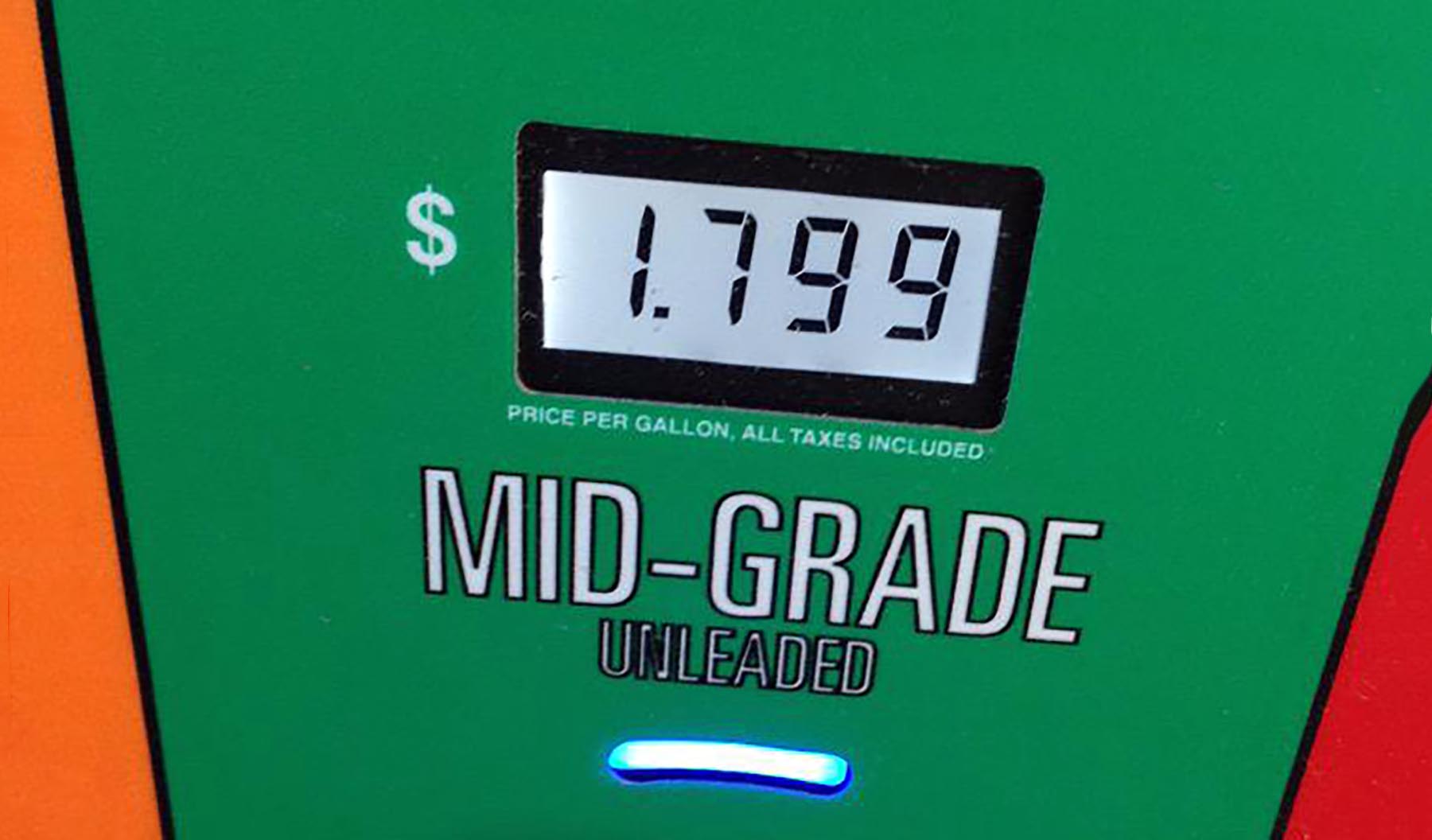
For many drivers, pulling up to the fuel pump can feel like a game of decision-making. You are greeted by a trifecta of buttons, each representing a different “octane” rating. While most drivers are intimately familiar with the cheapest option—regular unleaded—and the high-performance choice—premium—the middle option, known as midgrade gas, often occupies an ambiguous space in the consumer’s mind. Understanding exactly what midgrade gas is, and more importantly, when it is actually worth the extra cost, is a vital component of smart personal finance and vehicle maintenance.
Understanding Octane Ratings and Engine Chemistry
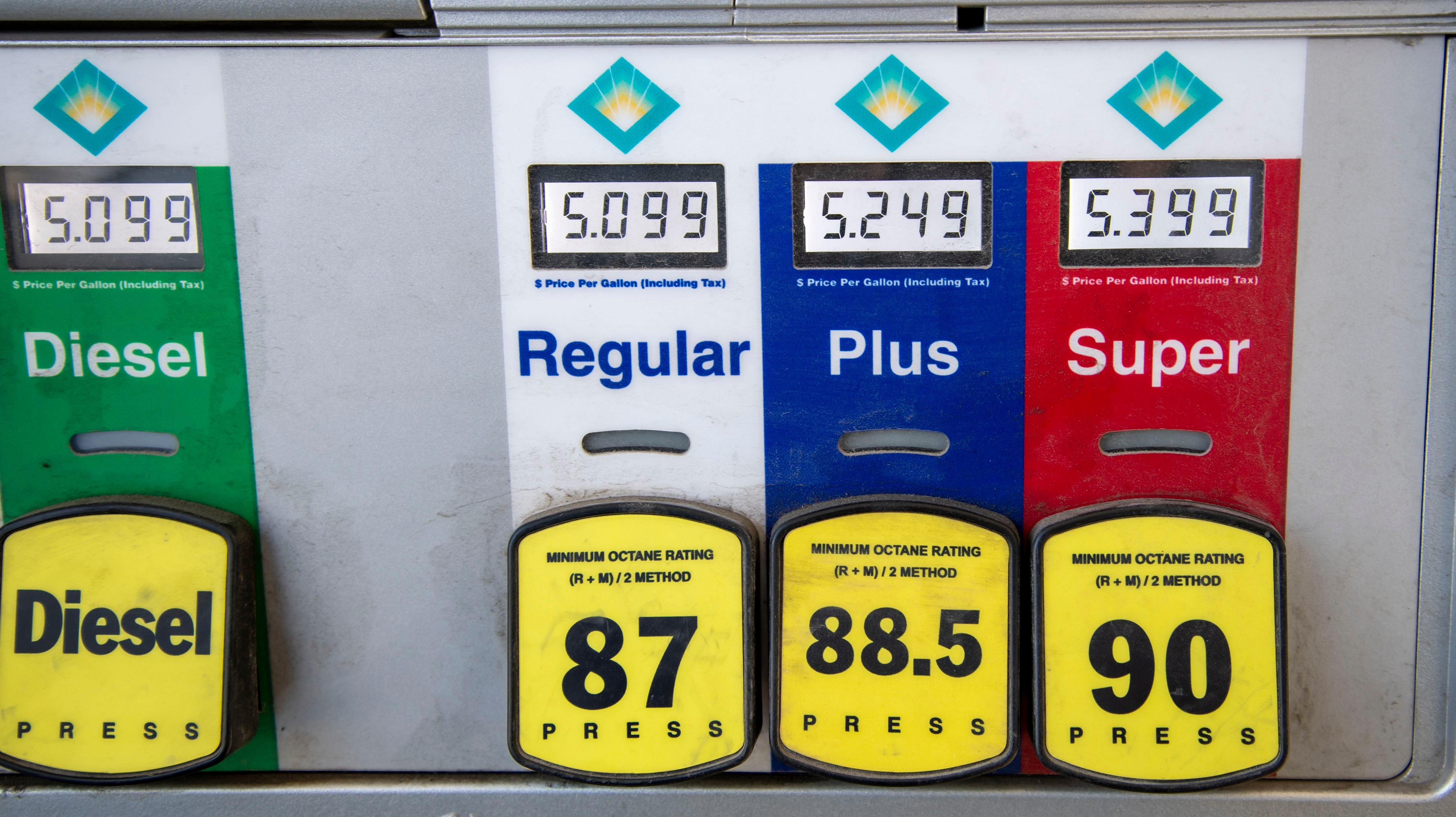
To grasp what midgrade gas is, one must first understand the fundamental measurement that defines all gasoline: the octane rating. The numbers you see on the pump—usually 87, 89, and 91 or 93—are not a measure of power or purity. Instead, they represent the fuel’s resistance to “knocking” or “pinging” during the combustion process.
The Science of Combustion
In a modern gasoline engine, a mixture of fuel and air is compressed by a piston before being ignited by a spark plug. Ideally, this ignition occurs in a controlled, precise moment. However, if the fuel is too volatile, it may ignite prematurely under the intense heat and pressure of the cylinder. This is known as pre-ignition or “knocking.” If left unaddressed, this audible rattling sound is more than just a nuisance; it can cause long-term mechanical damage to the engine’s internal components, including pistons and valves.
Where Midgrade Fits
Midgrade gasoline typically carries an octane rating of 89. It sits squarely between the standard regular (87 octane) and the premium tier (91–93 octane). In the past, midgrade was often simply a mixture of the two other grades, blended by the pump itself to create an intermediate product. Today, while refining processes have become more sophisticated, the primary purpose remains the same: providing a middle-ground solution for engines that require something more robust than standard fuel but do not necessarily demand the high-octane performance of premium.
The Financial Impact of Fuel Choices
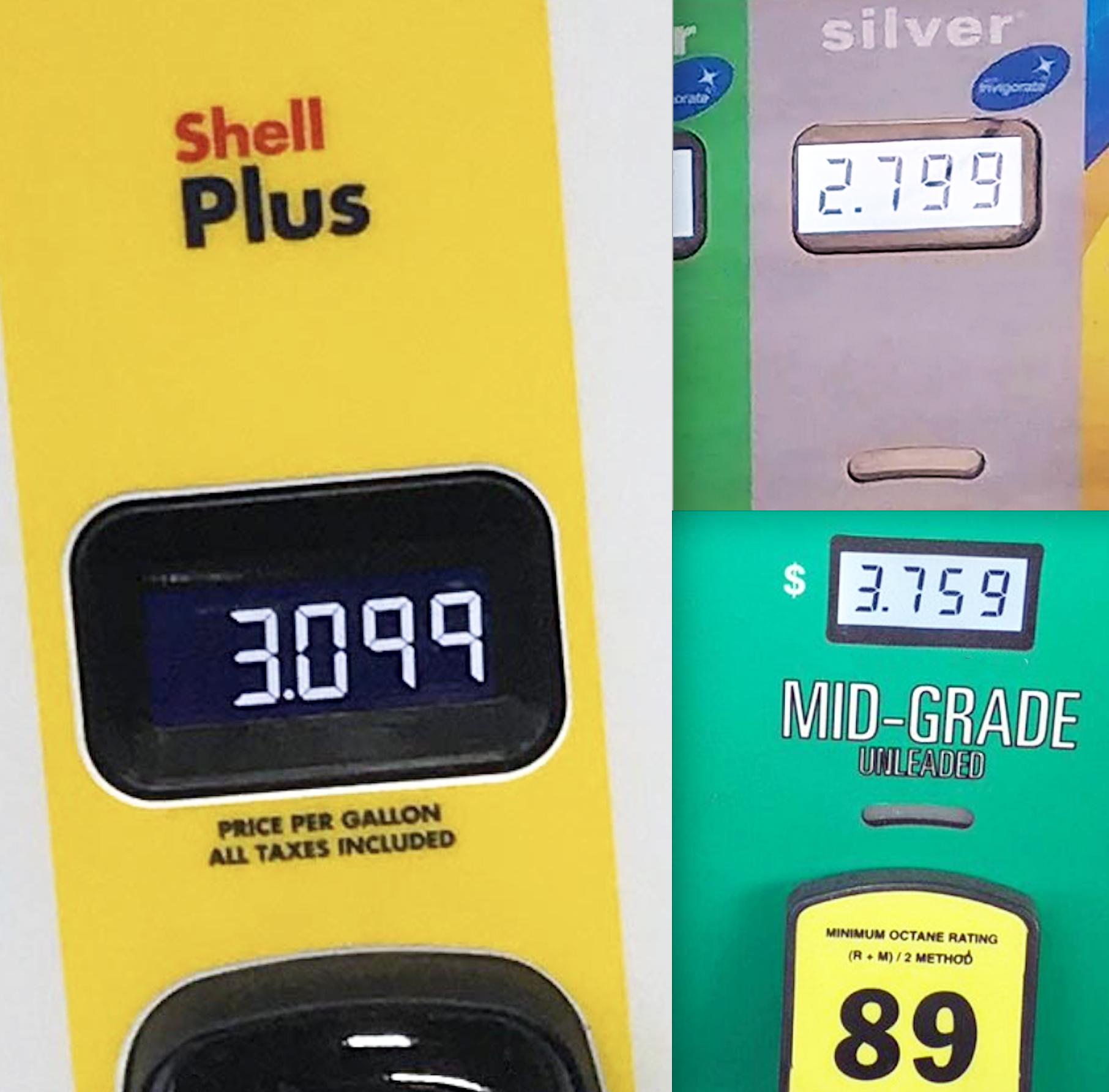
From a personal finance perspective, the decision to opt for midgrade gas can have a tangible impact on your annual transportation budget. Over the course of a year, the cents-per-gallon difference between regular and midgrade may seem negligible, but when extrapolated across thousands of miles of driving, these small costs compound into a significant line item in your monthly ledger.
The Myth of Improved Performance
A common financial fallacy among drivers is the belief that higher-octane gas acts as a “tonic” for an engine. Many motorists believe that by paying a premium for midgrade or premium fuel, they are providing a cleaner, more powerful burn that justifies the extra expense. However, if your vehicle’s manufacturer specifies regular 87-octane fuel, opting for midgrade or premium will yield zero measurable benefits in terms of gas mileage, horsepower, or engine cleanliness. You are effectively paying a premium for a level of anti-knock protection that your engine simply does not need.
Calculating the Annual Cost
If you drive 15,000 miles per year in a vehicle that achieves 25 miles per gallon, you will consume 600 gallons of fuel annually. If the price difference between regular and midgrade is $0.20 per gallon, choosing midgrade adds $120 per year to your operating costs. While $120 may not break the bank, it represents an unnecessary “leaky bucket” in your personal finance plan. Smart money management involves scrutinizing these recurring costs and ensuring that every dollar spent is providing a tangible return on investment, whether that is in vehicle longevity or performance.
Evaluating When Midgrade Is Necessary
If midgrade gas isn’t a performance booster, why does it exist, and when should you actually use it? The answer lies strictly in the specifications laid out by your vehicle’s manufacturer.
Following the Owner’s Manual
The owner’s manual is the definitive authority on your vehicle’s fuel requirements. You will generally see one of three designations:
- “Recommended”: This means the engine is designed for regular, but it may offer slight performance benefits or higher efficiency if premium or midgrade is used. In this scenario, you have a financial choice: pay for the premium fuel to squeeze out extra power, or stick with regular for the best value.
- “Required”: This indicates that your engine has a high compression ratio or a turbocharger that necessitates higher octane to prevent knocking. If your manual says “premium required,” you should never use regular; however, if it says “midgrade required,” 89 octane is your non-negotiable floor.
- “Minimum 87 Octane”: This is the most common designation for the vast majority of economy and family vehicles. In these cars, 87 is the standard, and anything higher is a waste of capital.
Handling Engine Stress
There are specific circumstances where an engine might benefit from a higher grade of fuel even if it isn’t strictly required. When a vehicle is under extreme load—such as towing a heavy trailer uphill in high temperatures—the engine is subjected to increased heat and pressure. In these instances, the computer in a modern vehicle may adjust the ignition timing to compensate for the stress. If you hear a light “pinging” sound under these specific conditions, bumping up to midgrade or premium fuel can help the engine run smoother and prevent knocking, thereby protecting your long-term investment in the vehicle.
The Psychology of the Gas Station Purchase
Understanding consumer behavior at the pump is an exercise in identifying why we often overspend on products that offer no marginal utility. The marketing of gasoline often plays on the consumer’s desire to “take care” of their expensive assets.
The “Better Quality” Fallacy
Energy companies often market higher octane fuels with buzzwords like “performance,” “cleaning additives,” and “advanced protection.” This creates a psychological perception that midgrade and premium are “cleaner” or “better” products. In reality, the base fuel quality—the detergent additives that clean the fuel injectors and intake valves—is often mandated by government standards or voluntary Top Tier certifications across all grades at a reputable station. If you want a cleaner engine, focus on the brand of fuel and the retailer’s adherence to Top Tier standards, rather than the octane rating.
Decision Fatigue
Finally, the choice at the pump can be a victim of decision fatigue. After a long day, many drivers pick the middle option because it feels like a safe, middle-of-the-road choice. It avoids the “cheap” regular and the “expensive” premium. By defaulting to this behavior, drivers surrender their ability to make informed financial decisions. The most financially savvy approach is to ignore the button arrangement and look strictly at the requirement written on your fuel door or in your owner’s manual.
By stripping away the marketing, understanding the physics of combustion, and analyzing the impact on your bank account, you can demystify midgrade gas. It is not a performance upgrade and it is not a cleaning agent; it is simply a specific tool for a specific type of engine. When you align your refueling habits with the actual engineering requirements of your vehicle, you optimize your personal finances and ensure that your hard-earned money is fueling your life, not just your gas tank.
aViewFromTheCave is a participant in the Amazon Services LLC Associates Program, an affiliate advertising program designed to provide a means for sites to earn advertising fees by advertising and linking to Amazon.com. Amazon, the Amazon logo, AmazonSupply, and the AmazonSupply logo are trademarks of Amazon.com, Inc. or its affiliates. As an Amazon Associate we earn affiliate commissions from qualifying purchases.