
Maryland’s telecommunications landscape is far more complex than a single identifier. For those navigating regional connectivity, understanding the state’s area code architecture is essential for both personal communication and business operations. As digital infrastructure continues to evolve, the way we perceive local versus regional connectivity is shifting, making it vital to grasp the geographic and historical context behind these numeric prefixes.
The Geographic Breakdown of Maryland Area Codes
Maryland does not operate under a single area code; instead, it utilizes a sophisticated overlay system that divides the state into distinct geographic zones. This system was designed to accommodate the rapid expansion of telecommunications needs—from the proliferation of landlines in the late 20th century to the mobile explosion of the 21st century.
The Original Anchors: 301 and 410
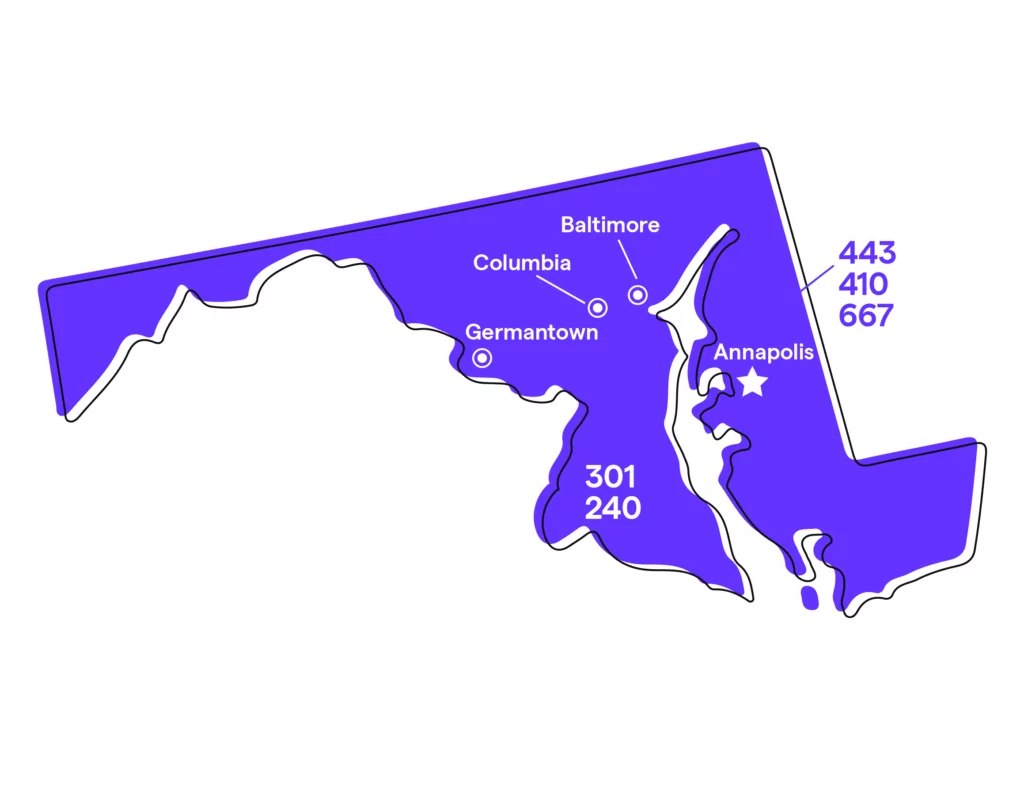
For decades, Maryland was primarily served by two codes. The 301 area code, established in 1947, was the original identifier for the entire state. As population density grew, particularly in the Baltimore and D.C. suburbs, the need for new numbering resources became inevitable.
In 1991, the 410 area code was introduced to serve the eastern and central parts of the state, including Baltimore City, the Eastern Shore, and parts of central Maryland. Meanwhile, 301 remained the primary identifier for Western Maryland and the suburban counties surrounding Washington, D.C., such as Montgomery and Prince George’s. This division effectively decoupled the high-demand metropolitan hubs from the more rural or industrial corridors, ensuring that the North American Numbering Plan could sustain the growth of the region.
Modern Overlays: 240 and 443
The dawn of the mobile age necessitated even more numbers. Rather than splitting regions into smaller, cumbersome geographic borders, regulators opted for the “overlay” method. This technique allows a new area code to serve the exact same geographic region as an existing one.
When the 301 area code reached capacity, the 240 area code was introduced as an overlay. Similarly, when the 410 code neared exhaustion, the 443 area code was implemented. Today, if you live in a region covered by 301, you may find your neighbor using a 240 number. This has become the standard in modern telecommunications, effectively rendering the idea of a “unique” geographic code obsolete within the state’s major hubs.
The Strategic Importance of Area Codes in the Digital Age
In the current tech landscape, the area code serves as a digital marker of identity and credibility. While VoIP (Voice over Internet Protocol) and cloud-based telephony have made physical location less relevant to the technical act of placing a call, the psychological impact of a local area code remains a powerful tool in consumer trust.
Establishing Local Presence
For small businesses and startups, the choice of an area code is a strategic branding decision. If a company is based in Silver Spring or Bethesda, utilizing a 301 or 240 number signals an immediate, established presence in the D.C. metropolitan market. Customers are statistically more likely to answer calls from a number that reflects their own geographic region, as it suggests the caller is a neighbor rather than a distant telemarketer or an impersonal call center.
VoIP and the “Virtual” Location
With the rise of modern software-as-a-service (SaaS) telephony platforms, businesses no longer need a physical office to “own” a specific area code. Companies can purchase numbers in any Maryland area code via digital providers. This has changed the tech landscape, allowing a startup headquartered in California to project a “Maryland-based” image to local clients.

This digital abstraction of the area code means that geography is no longer a physical limitation but a strategic asset. By selecting a 410 or 443 number for a sales team targeting Baltimore, a business leverages the inherent trust associated with local identity without the overhead of physical infrastructure.
Evolution of Infrastructure and Numbering Policy
The management of area codes is a function of the North American Numbering Plan Administrator (NANPA). This organization monitors the “exhaust” of numbers—the point at which a specific area code runs out of assignable combinations. When a code approaches exhaustion, regulatory bodies must decide between a geographic split (creating new boundaries) or an overlay (adding a new code to an existing boundary).
Why Overlays Won the Battle
Historical data from the Federal Communications Commission (FCC) suggests that overlays are generally preferred by consumers and businesses because they do not require users to change their existing phone numbers. A geographic split forces a significant percentage of the population to update their contact information, stationery, and digital presence. By utilizing overlays like 240 and 443, Maryland has managed to avoid the logistical nightmare of mass re-numbering, keeping the state’s digital backbone stable even as mobile usage skyrocketed.
Future-Proofing Maryland’s Telecoms
As we look toward the future of communication, the relevance of 10-digit dialing has become the new norm. Because of the overlap of codes in the same region, Maryland residents are now required to dial the full 10-digit number for all local calls. This technical transition paved the way for more efficient management of numbering resources and sets the stage for the potential introduction of new area codes should the state’s demand for mobile numbers continue to grow at the current pace.
Technical Security and Fraud Considerations
In the tech space, the proliferation of area codes has also introduced new challenges in the realm of digital security. Sophisticated “neighbor spoofing”—where automated dialers use an area code matching the recipient’s—is a common tactic in social engineering and phishing campaigns.
Identifying Spoofing Tactics
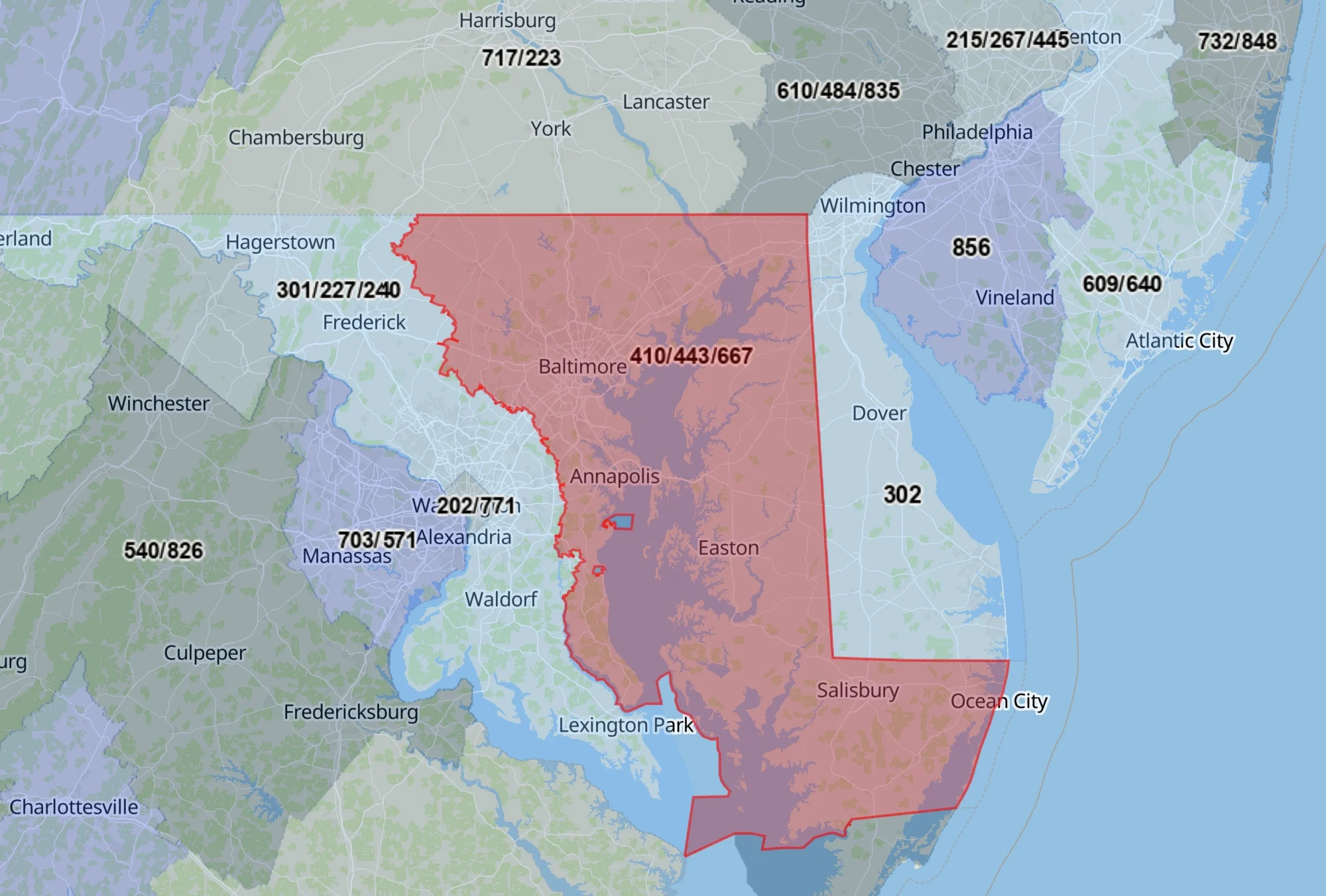
Understanding Maryland’s area code structure is the first line of defense against unwanted solicitations. When users know that 301/240 and 410/443 are the only valid codes for the state, they can more easily identify anomalies. If an individual receives a call that uses a Maryland area code but lacks the legitimate characteristics of a local connection, it is often a red flag that the caller is utilizing VoIP software to manipulate the caller ID.
The Role of Authentication
Telecommunications providers are currently implementing STIR/SHAKEN protocols—a set of technical standards designed to authenticate caller ID information. This technology ensures that the number displayed on your device is indeed the number the caller is using. By confirming the legitimacy of these Maryland codes at the network level, providers are helping to restore trust in the digital telephony ecosystem, effectively neutralizing the deceptive use of geographic identifiers.
Conclusion: Adapting to the Changing Connectivity Map
Maryland’s area code system is a microcosm of the global shift in telecommunications technology. From the initial 301 launch in the post-war era to the seamless integration of overlay codes like 240, 410, and 443, the state has continuously adapted its infrastructure to meet the demands of an increasingly connected population.
For the tech-conscious individual or the strategic business owner, the area code is no longer just a set of digits—it is a marker of local identity and a primary component of brand strategy. By leveraging the right numbering resources, businesses can enhance their local presence, while consumers can navigate the digital space with greater awareness of how their communications are routed and authenticated. As Maryland continues to grow, the way we manage, deploy, and verify these area codes will remain a cornerstone of our digital, social, and economic life. Whether you are setting up a local enterprise or simply managing your personal contact list, maintaining an understanding of these regional identifiers is essential in a world where digital presence is synonymous with real-world accessibility.
aViewFromTheCave is a participant in the Amazon Services LLC Associates Program, an affiliate advertising program designed to provide a means for sites to earn advertising fees by advertising and linking to Amazon.com. Amazon, the Amazon logo, AmazonSupply, and the AmazonSupply logo are trademarks of Amazon.com, Inc. or its affiliates. As an Amazon Associate we earn affiliate commissions from qualifying purchases.