
In the contemporary digital economy, the term “marketplace” has evolved far beyond the traditional physical bazaar or the town square. Today, a digital marketplace represents a sophisticated platform that connects multiple sellers with a vast base of buyers, streamlining transactions, communication, and fulfillment through a centralized interface. By acting as a digital intermediary, marketplaces have fundamentally altered the landscape of global commerce, moving power from centralized retailers to distributed networks of independent vendors.
Understanding marketplaces requires looking beyond the transaction. It requires analyzing the network effects, the underlying business models, and the logistical frameworks that allow these ecosystems to thrive. Whether they deal in physical goods, digital assets, or professional services, the core value proposition of a marketplace remains constant: reducing friction and increasing market liquidity.
The Architecture of Modern Marketplaces
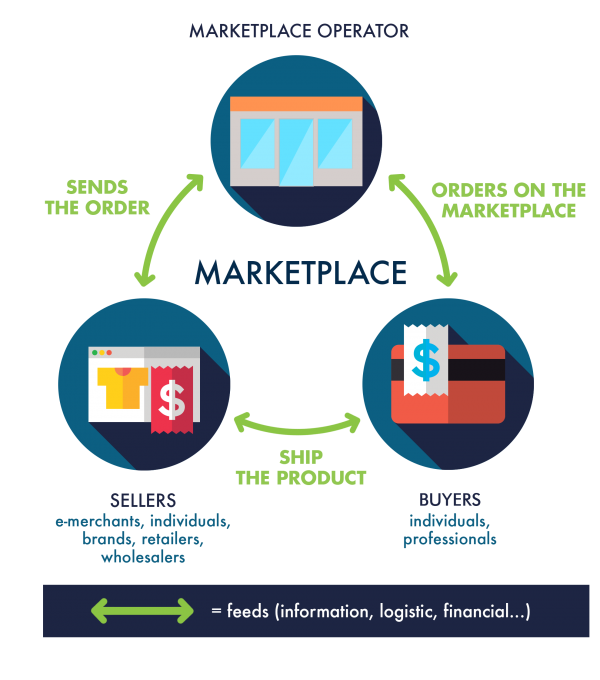
At their simplest, marketplaces are multi-sided platforms. Unlike a traditional e-commerce store, which functions on a linear model—where the owner of the store buys inventory and sells it to customers—a marketplace is an orchestrator. It does not necessarily own the inventory it sells. Instead, it provides the “plumbing” that allows third-party participants to find one another and conduct business safely.
The Role of the Intermediary
The marketplace operator earns revenue by facilitating the connection. This is typically achieved through commission structures, subscription fees for sellers, or premium listing features. By offloading the burden of inventory management to independent merchants, marketplace operators can scale rapidly without the capital-intensive requirements of warehousing and physical supply chain management. This asset-light model is what allowed companies like Amazon, eBay, and Etsy to dominate their respective sectors.
Network Effects as a Competitive Moat
The true power of a marketplace lies in network effects—specifically, the “two-sided” network effect. As more sellers join a platform, the variety of goods increases, which in turn attracts more buyers. An influx of buyers then incentivizes even more sellers to list their products, creating a self-reinforcing loop of growth. When a marketplace reaches critical mass, it becomes the default destination for a specific niche, making it incredibly difficult for new competitors to disrupt the ecosystem.
Categorizing the Digital Marketplace Ecosystem
Not all marketplaces are created equal. To understand how they function, we must categorize them based on the nature of the transaction and the participants involved. This taxonomy helps define the operational strategies, payment structures, and regulatory requirements of the business.
B2C vs. B2B Marketplaces
Business-to-Consumer (B2C) marketplaces are the most recognizable form. These platforms connect businesses or individual creators directly to end consumers. Examples include Amazon and Etsy. The focus here is on user experience (UX), search discovery, and consumer trust.
Business-to-Business (B2B) marketplaces, by contrast, focus on efficiency, bulk ordering, and contract management. These platforms facilitate transactions between manufacturers, wholesalers, and retailers. The purchasing process is often more complex, involving negotiations, recurring invoicing, and logistical coordination for large-scale shipments. The UX requirements for B2B are entirely different, prioritizing functional utility over flashy interface design.
Horizontal vs. Vertical Marketplaces
Horizontal marketplaces offer a wide breadth of products or services across multiple categories. They are “everything stores” that rely on sheer volume and brand ubiquity. A horizontal marketplace aims to be the first place a consumer looks, regardless of what they need to purchase.

Vertical marketplaces, or “niche” marketplaces, focus on a specific segment of the industry. By narrowing their scope, these platforms can provide deep domain expertise. For example, a marketplace dedicated solely to high-end vintage watches or specialized industrial equipment can offer verification services, specialized search filters, and community-building features that a generalist marketplace cannot provide. This specialization often results in higher customer loyalty and stronger trust signals.
The Operational Mechanics of Trust and Fulfillment
The primary challenge for any digital marketplace is the “trust gap.” Because the marketplace operator does not control the entire supply chain, they must implement robust mechanisms to ensure that the buyer receives what they paid for and that the seller receives their payment securely.
Payment Escrow and Financial Security
Financial infrastructure is the backbone of the marketplace. Modern platforms utilize escrow services to hold buyer funds until the transaction is successfully completed. This protects the buyer from fraud and ensures the seller that they are dealing with a verified, solvent purchaser. Furthermore, marketplaces are increasingly integrating automated tax compliance and localized currency conversion, allowing sellers to reach global markets without needing to understand the intricacies of international finance.
Quality Assurance and Dispute Resolution
Trust is further maintained through seller ratings, reviews, and identity verification. By creating a transparent reputation system, marketplaces turn anonymous participants into accountable actors. When disputes arise—such as a missing package or a defective item—the platform acts as a neutral arbiter. These dispute resolution mechanisms are essential for long-term retention; if a platform cannot effectively handle conflict, users will quickly migrate to more reliable competitors.
Logistics and Fulfillment Integration
In the context of physical goods, the “last mile” is often the most critical point of failure. Top-tier marketplaces have evolved to offer fulfillment services (like Amazon FBA), where the platform stores, packs, and ships goods on behalf of the seller. By standardizing the fulfillment process, the marketplace ensures a consistent brand experience, even when the products are sourced from thousands of independent vendors.
The Future of Marketplace Evolution
As technology continues to advance, the next generation of marketplaces is moving toward greater automation and hyper-personalization. We are transitioning from the “search-based” model to an “intent-based” or even “predictive” model.
AI and Personalization
Artificial Intelligence is currently being integrated into the core discovery process of marketplaces. Instead of just relying on keyword searches, platforms are using machine learning to predict what a user needs before they even search for it. Recommendation engines analyze user behavior, browsing history, and social signals to surface hyper-relevant products, effectively acting as personal shoppers for every user on the platform.
Decentralization and Web3
There is a burgeoning interest in decentralized marketplaces that utilize blockchain technology to remove the need for a central intermediary. In these models, smart contracts manage the escrow and transaction logic, potentially reducing commission fees to near zero. While these platforms are still in their infancy, they represent a significant shift in how ownership and value distribution might look in the future, moving toward community-owned and community-governed protocols.
The Integration of Services and Goods
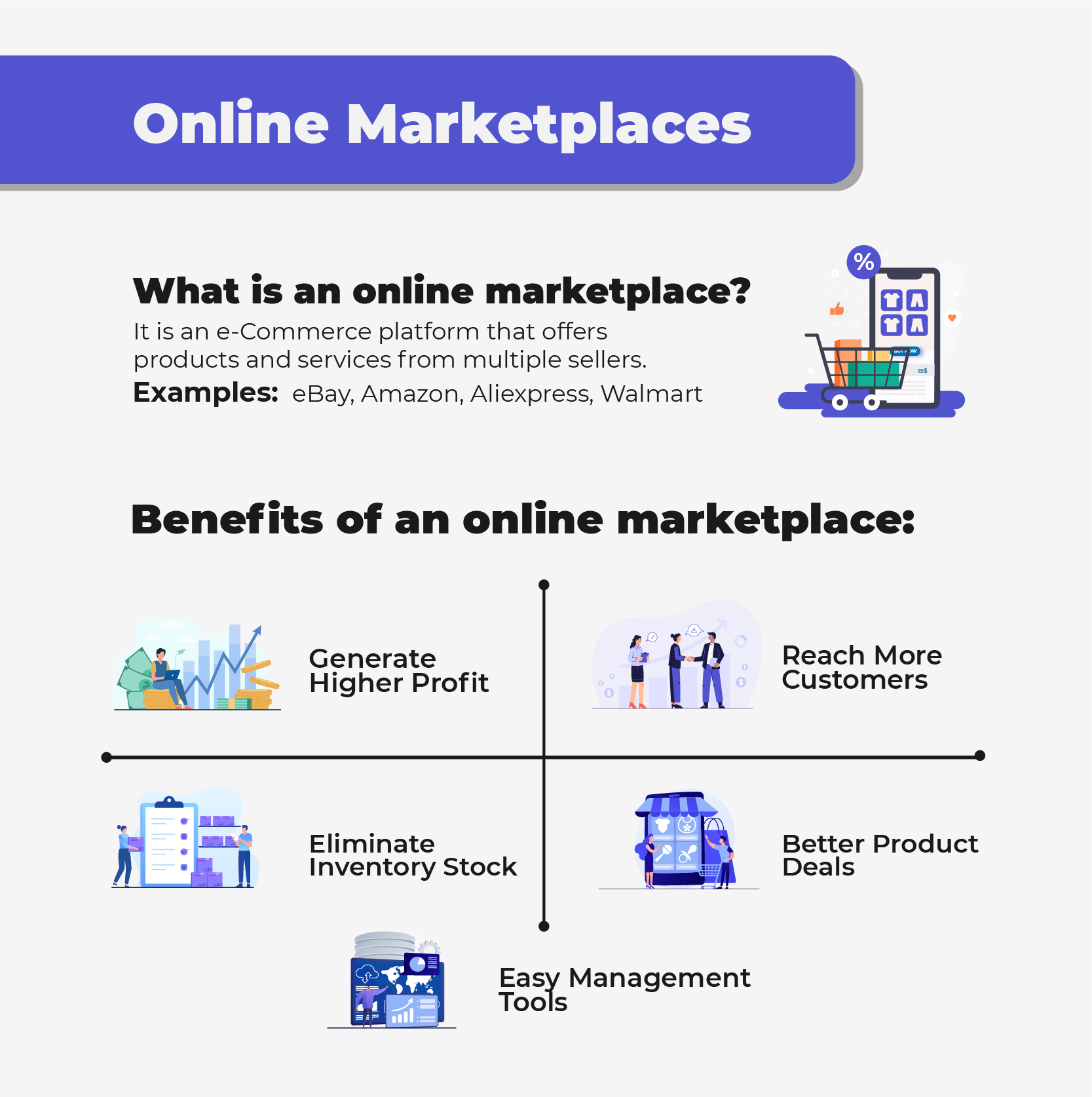
We are also seeing the blur between product marketplaces and service marketplaces. Platforms that started by selling products are increasingly offering installation, repair, and consulting services. This “all-in-one” ecosystem approach creates a deeper lock-in effect, as users no longer need to look elsewhere for the support services that accompany their purchases.
Marketplaces have proven to be the most efficient engines for economic distribution in the digital age. By solving the challenges of search, payment, trust, and logistics, they have democratized access to global trade. Whether for an individual crafter reaching an international audience or a corporation streamlining its global procurement, the marketplace remains the essential bridge between supply and demand. As these platforms continue to incorporate new technologies like AI and decentralized ledger systems, they will likely become even more deeply embedded in the fabric of global trade, continuing to drive the next wave of commercial innovation.
aViewFromTheCave is a participant in the Amazon Services LLC Associates Program, an affiliate advertising program designed to provide a means for sites to earn advertising fees by advertising and linking to Amazon.com. Amazon, the Amazon logo, AmazonSupply, and the AmazonSupply logo are trademarks of Amazon.com, Inc. or its affiliates. As an Amazon Associate we earn affiliate commissions from qualifying purchases.