
When analyzing the landscape of organizational structures, brand identity, and community engagement, the distinctions between Methodist and Baptist denominations offer a compelling case study in corporate strategy and institutional positioning. While these entities operate within a shared foundational framework, their approaches to branding, operational autonomy, and member acquisition reflect divergent strategic models. In the world of institutional management, understanding these differences provides a masterclass in how mission statements and governance structures dictate long-term brand sustainability.
Centralized Governance vs. Decentralized Autonomy: A Structural Case Study
At the heart of the Methodist brand architecture lies a model of connectionalism, which in business terms translates to a highly centralized, hierarchical corporate structure. The Methodist Church operates as a global entity with systematic oversight, standardized doctrine, and centralized resource allocation. This strategic approach ensures brand consistency across diverse geographic markets. When a “consumer” (or congregant) enters a Methodist institution, the brand promise—the quality of the experience, the liturgical structure, and the organizational values—is intentionally calibrated to remain uniform, regardless of the specific location.
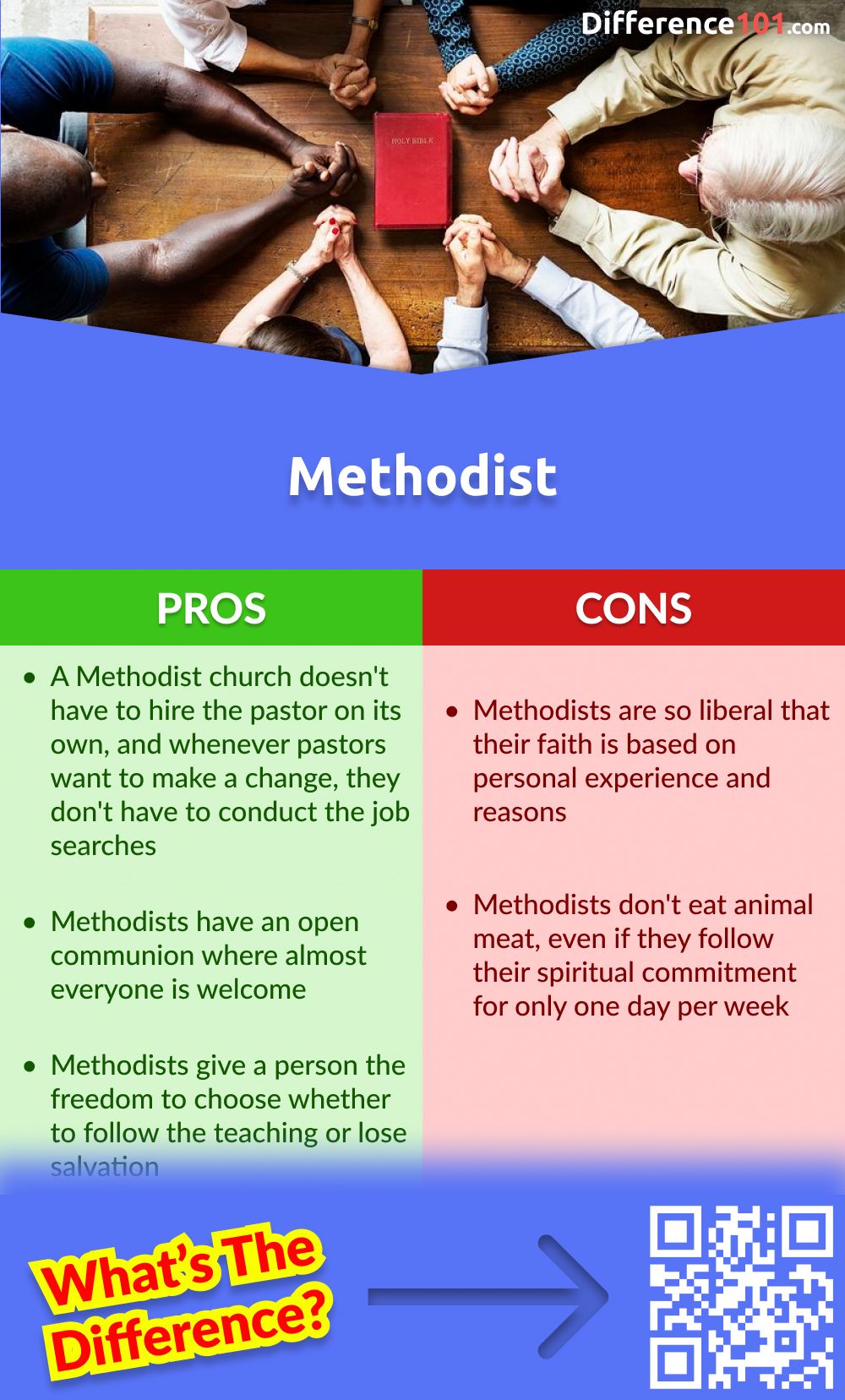
Conversely, the Baptist model functions as a decentralized franchise system. Each individual local church is autonomous. This is a critical point for branding: there is no “corporate headquarters” that dictates local policy or mandates specific operational procedures. Instead, Baptist identity is tied to the concept of “congregationalism.” For a strategist, this represents a unique challenge and opportunity. While the lack of a central mandate allows for radical agility and localized market penetration, it creates potential volatility in brand equity. Without a top-down mandate, individual Baptist entities must rely on strong local leadership and grassroots marketing to maintain their market share and institutional relevance.
Strategic Membership and The Value Proposition
From a marketing perspective, the methodology of recruitment and membership acquisition reveals the core value proposition of each organization. The Methodist approach is often categorized by a “cradle-to-grave” strategy, emphasizing the integration of community and tradition. Membership in the Methodist model is viewed as a longitudinal engagement cycle. This mirrors the corporate strategy of “customer lifetime value” (CLV), where the organization invests heavily in the early life stages of the member, assuming that the strength of the community ecosystem will facilitate long-term retention.
The Baptist model, however, emphasizes the concept of “believer’s baptism”—an explicit, high-barrier entry point that serves as a definitive conversion milestone. In the context of organizational growth, this is a distinct “high-commitment” conversion funnel. The Baptist strategy focuses on personal decision-making and individual agency. By requiring an overt, conscious commitment as a prerequisite for full brand integration, the organization ensures a highly active and motivated base. This strategy minimizes “passive users” and ensures that those who commit to the brand do so with high levels of personal investment, which in turn drives higher engagement metrics and volunteer participation.
Brand Positioning: Liturgical Order vs. The Individual Experience
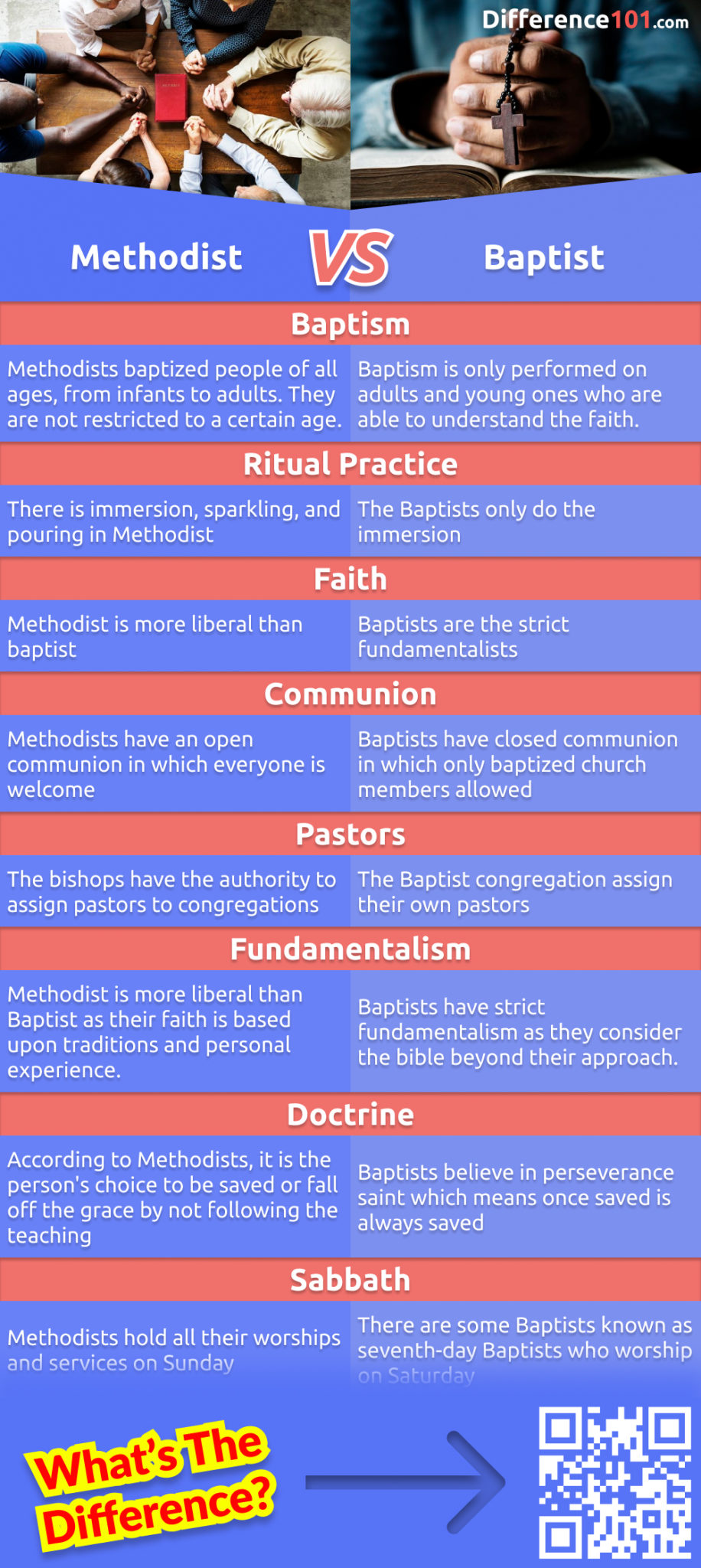
The aesthetic and functional design of these two institutions illustrates how different “user experiences” are curated. The Methodist design language—both in architecture and programming—favors order, predictability, and a structured liturgical path. This is a deliberate brand choice intended to provide a sense of stability and institutional reliability. For an audience that values a sophisticated, well-regulated experience, the Methodist model provides a clear, high-quality “product” that is delivered with professional consistency.
In contrast, the Baptist “brand experience” is often characterized by a focus on the personal encounter. Many Baptist institutions have successfully positioned themselves as centers for individual growth, often stripping away rigid liturgy to highlight the speaker or the specific, actionable lesson. This is a form of content-driven marketing. By emphasizing the sermon and the individual’s emotional connection to the message, Baptist organizations position themselves as providers of direct, highly relevant personal solutions rather than purveyors of a globalized, traditional system. This agility allows Baptist entities to pivot their messaging to fit the shifting cultural trends of their specific demographic, making them highly effective at rapid community-building.
Resource Allocation and Scaling Strategies
The financial and operational scalability of these two models follows the logic of their governance. Methodist institutions benefit from “economies of scale.” Because resources are pooled at a regional or national level, Methodist organizations can sustain larger infrastructure, pension systems, and global missions with a degree of stability that individual, autonomous units rarely achieve. This represents a mature, diversified financial portfolio. The risk is minimized because individual units are supported by the collective assets of the broader organization, providing a safety net that is essential for long-term institutional survival in a fluctuating economy.
The Baptist model, operating as a collection of independent entities, thrives on “bootstrapping.” Each church is responsible for its own budget, fundraising, and capital projects. While this model is inherently more fragile—as individual churches are susceptible to local economic downturns and leadership failures—it is also remarkably resilient. When a single Baptist church faces a crisis, it does not necessarily jeopardize the integrity of the broader movement. Furthermore, this independence encourages creative and innovative fundraising methods. Because each unit must “sell” its specific value to its local community to survive, Baptist entities often develop high-functioning donor cultivation strategies that rival successful mid-sized business operations.

Organizational Philosophy and Long-term Vision
When evaluating these two models through the lens of organizational theory, we see two different answers to the question of sustainability. The Methodist model is built for longevity and legacy; it values the preservation of the institution as the primary vessel for the mission. Its success is measured by the strength and continuity of the connectional system. It is a model for those who prioritize the brand’s footprint, history, and collective influence.
The Baptist model is built for outreach and impact; it values the independence of the local unit as the primary vessel for growth. Its success is measured by the engagement and mobilization of the local population. It is a model for those who prioritize flexibility, individual autonomy, and the ability to adapt the brand to any market condition without needing to reconcile with a global headquarters.
Ultimately, both models offer valid paths for institutional development. The Methodist denomination provides a masterclass in global branding, systematic scaling, and the creation of a reliable, high-quality institutional experience. The Baptist denomination provides a masterclass in local market agility, high-commitment conversion funnels, and the power of decentralized innovation. Whether an organization chooses the centralized, liturgical path or the autonomous, experience-driven path, the effectiveness of their strategy remains rooted in how well they align their governance with their intended target audience and mission-driven goals. In the competitive marketplace of institutional ideas, both have successfully carved out significant, lasting, and impactful niches by playing to their respective operational strengths.
aViewFromTheCave is a participant in the Amazon Services LLC Associates Program, an affiliate advertising program designed to provide a means for sites to earn advertising fees by advertising and linking to Amazon.com. Amazon, the Amazon logo, AmazonSupply, and the AmazonSupply logo are trademarks of Amazon.com, Inc. or its affiliates. As an Amazon Associate we earn affiliate commissions from qualifying purchases.