
Didi Chuxing, frequently referred to simply as Didi, stands as a titan in the global technology sector, representing one of the most sophisticated examples of a multi-modal mobility platform. Founded in 2012 by Cheng Wei, the company has evolved from a simple taxi-hailing application into a comprehensive ecosystem that integrates artificial intelligence, big data analytics, and autonomous driving technology. To understand Didi is to understand the transformation of urban logistics and the digital restructuring of the modern transit landscape.
The Technological Architecture of Didi
At its core, Didi is not merely a transportation company; it is a high-frequency data processing machine. The platform operates on a massive scale, managing tens of millions of rides per day across various continents. This level of operation necessitates a sophisticated technological backbone that relies on distributed computing, real-time demand forecasting, and advanced algorithmic matching.

Algorithmic Matching and Dispatch Systems
The efficacy of Didi’s platform is rooted in its proprietary dispatch engine. Unlike traditional taxi dispatch services that operate on a first-come, first-served basis, Didi utilizes a deep learning model to optimize the entire network. This system analyzes historical and real-time traffic data, driver proximity, and individual rider behavior to minimize wait times. By predicting “hot spots” of demand before they materialize, the algorithm can preemptively rebalance supply, ensuring that drivers are positioned where they are most needed.
Big Data and Predictive Analytics
The platform processes petabytes of data daily, ranging from GPS coordinates and traffic flow patterns to user preferences and vehicle telemetry. This data serves two primary purposes: operational efficiency and urban planning. By leveraging artificial intelligence, Didi can estimate travel times with high precision, identify optimal routing, and implement dynamic pricing models. This predictive power allows the platform to maintain equilibrium in a chaotic environment, effectively managing the “supply-demand” tension inherent in urban mobility.
Expanding the Mobility Ecosystem
While ride-hailing remains the most recognizable aspect of Didi’s business, the company has aggressively diversified its portfolio to create a “Super App” for transportation. By integrating a wide range of services, Didi aims to capture the entirety of a user’s daily transit journey, moving far beyond the passenger car.
Diverse Service Verticals
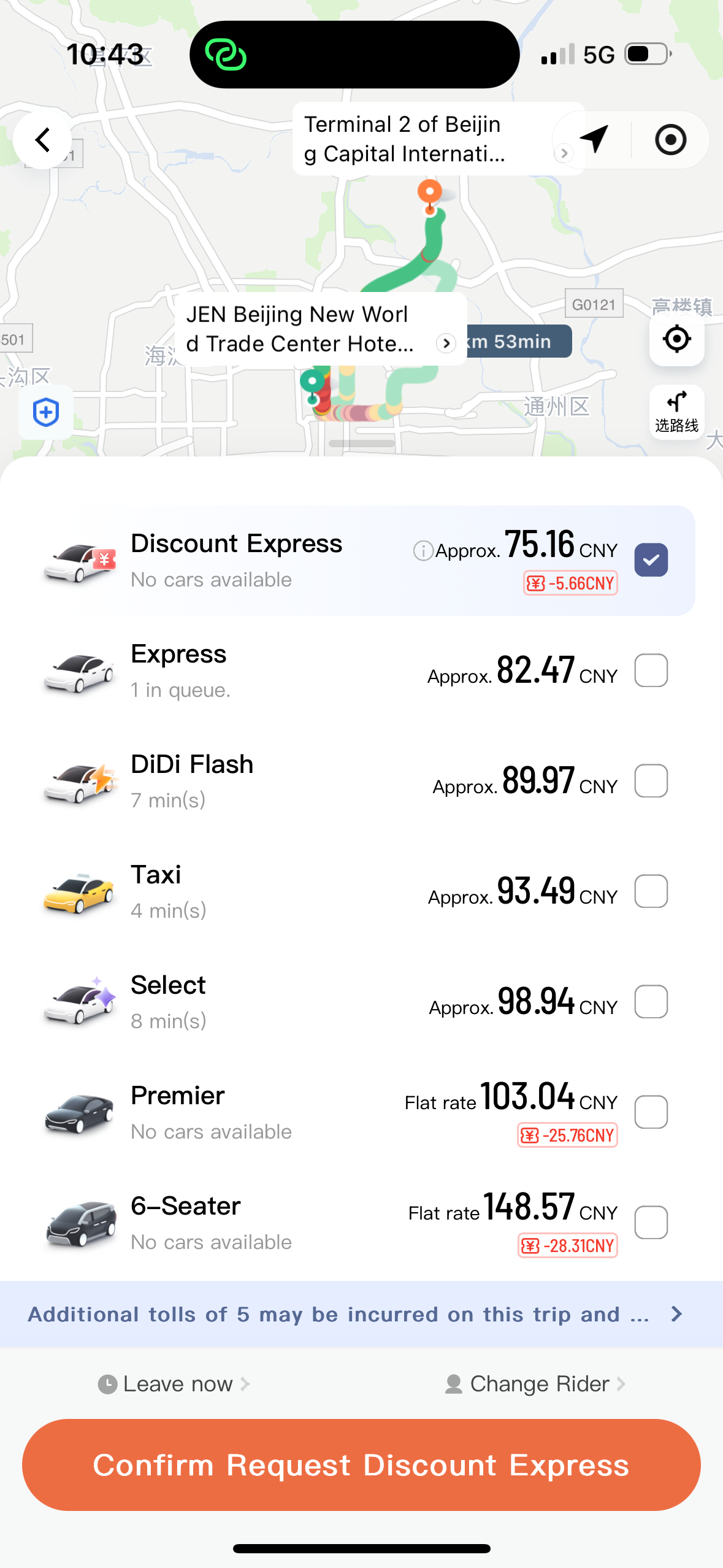
Didi’s ecosystem now encompasses an array of transit solutions. Its platform includes Didi Express for everyday travel, Didi Premier for a more luxurious experience, and Didi Hitch for carpooling, which helps reduce the environmental footprint of daily commutes. Furthermore, the company has made significant inroads into micromobility, integrating bike-sharing and e-scooter services into its app. This multi-modal approach is designed to solve the “last-mile” problem, connecting users seamlessly from public transit hubs to their final destinations.
Fleet Management and New Energy Vehicles
Recognizing the shifting tide toward environmental sustainability, Didi has positioned itself as a major player in the electric vehicle (EV) market. The company operates one of the largest fleets of electric vehicles in the world. By incentivizing drivers to transition to EVs and investing in a robust charging infrastructure network, Didi is not only reducing operational costs—as electricity is cheaper than traditional fuel—but is also aligning itself with global carbon-neutrality initiatives. This vertical integration allows Didi to control the lifecycle of the vehicle, from maintenance to energy consumption.
The Frontier of Autonomous Driving
Perhaps the most ambitious facet of Didi’s technological strategy is its investment in autonomous driving (AD). Didi Autonomous Driving, a subsidiary established to focus on Level 4 (L4) self-driving technology, represents the company’s long-term vision for the future of transportation.
Hardware and Software Synergy
Didi’s advantage in the race for autonomous driving lies in its vast repository of “edge cases.” Because the platform manages millions of real-world driving hours every day, it possesses a data set that is arguably more diverse and complex than any dedicated autonomous car manufacturer could gather. This data is fed into its simulation environments, where algorithms are trained to navigate the unpredictable nature of urban streets. By utilizing lidar, radar, and high-definition cameras in tandem with machine learning, Didi is developing vehicles capable of navigating complex traffic scenarios without human intervention.
Robotaxi Pilot Programs
The culmination of these efforts is the Didi Robotaxi service. Already in limited pilot testing across several high-density urban areas, these autonomous vehicles allow users to summon a self-driving car via the standard Didi interface. The goal is to eventually replace human-driven fleets with automated ones, significantly lowering the cost per mile of transportation and improving safety by eliminating human error. While regulatory hurdles remain significant, Didi is actively building the infrastructure—including centralized command centers and remote-assistance teleoperation—to make autonomous fleets a reality at scale.
Digital Security and Global Standardization
Operating at such a massive scale brings intense scrutiny, particularly regarding digital security and data privacy. Didi’s evolution as a global entity has forced it to confront the challenges of cross-border data management and cybersecurity.
Safeguarding User Data
As a platform that tracks the precise movements of millions of people, Didi is under constant pressure to implement rigorous security protocols. The company invests heavily in encryption, anonymization techniques, and secure cloud storage to protect rider and driver information. This is critical not only for user trust but also for compliance with increasingly strict international data protection laws, such as GDPR in Europe and various cybersecurity regulations in its domestic and international markets.
The Challenge of Scalability
Expanding into international markets—including Latin America, Australia, and Africa—requires Didi to adapt its technology to diverse regulatory environments and infrastructure constraints. This has necessitated the development of a modular software architecture that can be localized without losing the efficiency of the core platform. Didi’s ability to export its “mobility as a service” model is a testament to the versatility of its tech stack. By building localized teams and adapting its algorithms to the specific traffic behaviors of different cities, Didi has demonstrated that its model is a blueprint for modern urban tech.

Future Outlook: Beyond Transportation
Looking forward, Didi is increasingly positioning itself as a platform for logistics and intelligent city management. The transition from moving people to moving goods is a natural progression, as the logistics of food delivery and package transport share the same underlying optimization challenges as ride-hailing.
By leveraging its existing fleet and dispatch algorithms, Didi is well-positioned to disrupt traditional logistics channels. As the company continues to integrate AI into every aspect of its operations—from the driver’s smartphone to the onboard sensors of its autonomous fleet—it remains at the epicenter of the smart city revolution. What began as a tool for hailing a taxi has matured into an essential piece of digital infrastructure, reflecting the broader trajectory of the tech industry: toward more efficient, data-driven, and autonomous systems that define how the world moves, connects, and interacts in the 21st century.
aViewFromTheCave is a participant in the Amazon Services LLC Associates Program, an affiliate advertising program designed to provide a means for sites to earn advertising fees by advertising and linking to Amazon.com. Amazon, the Amazon logo, AmazonSupply, and the AmazonSupply logo are trademarks of Amazon.com, Inc. or its affiliates. As an Amazon Associate we earn affiliate commissions from qualifying purchases.