
Deep sea fishing—often referred to as offshore or big-game fishing—represents the pinnacle of maritime pursuit. Unlike coastal angling, which typically involves staying within sight of land, deep sea fishing takes enthusiasts into the vast, open expanses of the ocean, where water depths range from 100 feet to several thousand feet. For the seasoned angler, this is not merely a hobby; it is a complex enterprise requiring specialized marine technology, logistical planning, and a deep understanding of oceanographic conditions.
In the context of the modern leisure economy and the blue-water tourism industry, deep sea fishing serves as a significant intersection of high-end equipment, professional charter operations, and the relentless human pursuit of the ultimate catch.
The Technological Architecture of Offshore Angling
Modern deep sea fishing has evolved from rudimentary lines and hooks into a sophisticated technological operation. The distinction between amateur coastal fishing and professional deep-sea pursuits lies almost entirely in the level of equipment sophistication.
Sonar and Fish-Finding Systems
The backbone of any successful offshore expedition is high-resolution marine electronics. Modern deep-sea vessels are equipped with multi-beam sonar systems and CHIRP (Compressed High-Intensity Radiated Pulse) technology. These systems allow captains to distinguish between different species of fish, detect thermoclines—layers in the water where temperatures change rapidly, often holding baitfish—and map the seafloor in real-time. Without these digital eyes, finding pelagic species in the vastness of the Atlantic or Pacific would be an exercise in futility.
GPS and Dynamic Positioning
Navigation is critical when you are 50 to 100 miles offshore. Modern vessels utilize Global Positioning System (GPS) plotters that integrate with satellite-based weather mapping. More advanced boats feature “Skyhook” or similar dynamic positioning systems. Using GPS and thrusters, these systems keep a vessel stationary over a specific set of coordinates—such as a deep-water wreck or a coral shelf—despite wind and current, allowing the crew to maintain their fishing position with surgical precision.
Advanced Tackle and Hydraulic Systems
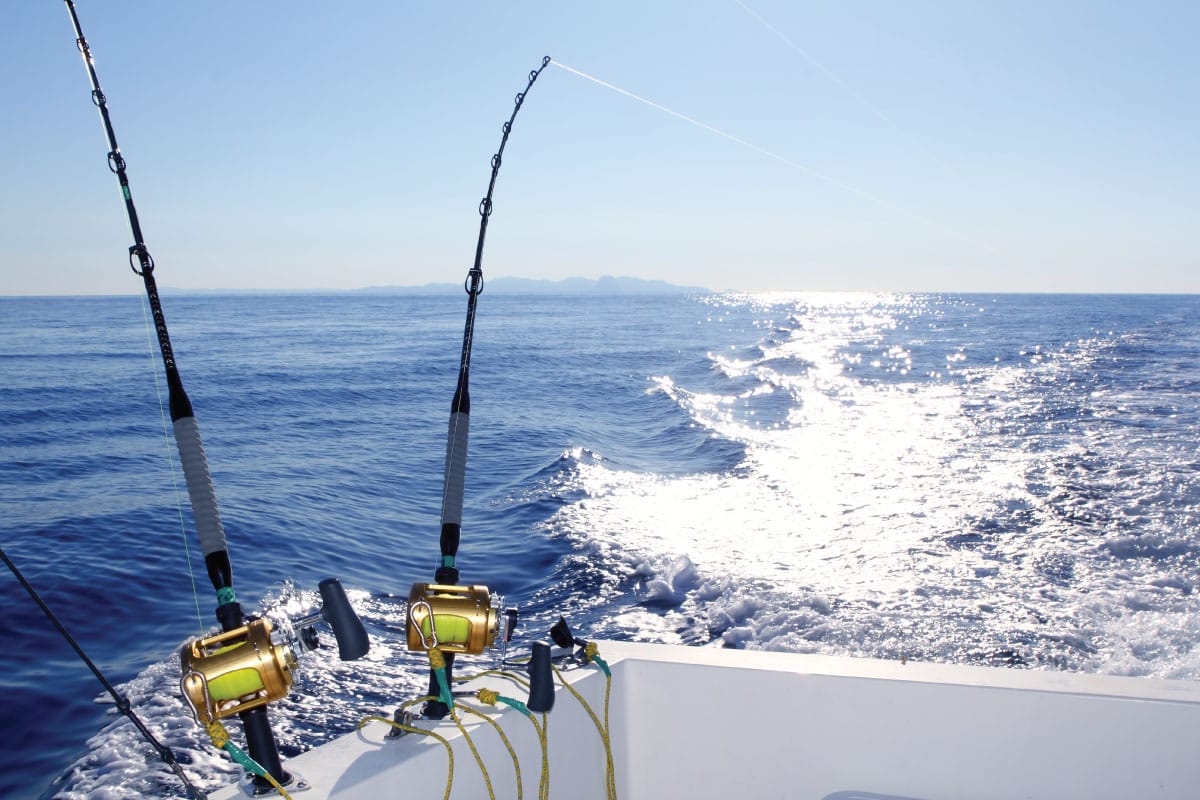
When targeting marlin, swordfish, or tuna, standard spinning gear is insufficient. Deep sea anglers employ heavy-duty lever-drag reels, often paired with electric or hydraulic power-assist systems. These reels can handle hundreds of pounds of test line and are designed to exert sustained drag pressures required to tire out massive predators. The technology doesn’t stop at the reel; it extends to outriggers—long poles that spread lines out from the sides of the boat to prevent tangling and mimic a wider school of baitfish—and downriggers that utilize weighted cannonballs to drop lures to specific depths.
The Economics of the Charter Industry
Deep sea fishing is a major driver of maritime revenue, supporting a robust ecosystem of charter operations, boat builders, and tourism infrastructure. Understanding the “business” of offshore fishing provides a clearer picture of why this sport demands such a high investment.
The Charter Business Model
A deep sea fishing charter is a high-overhead enterprise. Operators must manage significant fixed costs, including maritime insurance, specialized hull maintenance, slip fees, and high-frequency fuel consumption. Unlike inshore guides, deep sea captains must account for the mechanical reliability of high-horsepower twin or triple engine configurations. The price point for a full-day offshore charter reflects these operational costs, typically ranging from $1,500 to $4,000 per excursion. This creates a barrier to entry that preserves the high-end nature of the sport and necessitates a premium marketing approach for operators looking to attract serious anglers.
Infrastructure and Coastal Development
The demand for deep sea fishing has historically dictated the development of coastal infrastructure. Marinas with deep-water access, heavy-lift boat cranes, and specialized fuel docks are essential assets for the fishing industry. Furthermore, the sport generates secondary revenue streams in the hospitality sector. Remote coastal towns often build their entire tourism identity around being a “gateway to the canyon,” attracting anglers who require lodging, professional-grade fish processing services, and high-end tackle retail support.
Strategy and Tactics for Pelagic Targeting
Successful deep sea fishing is less about luck and more about the strategic application of ecological knowledge. Professional anglers and captains operate with a mindset similar to data analysts, parsing environmental variables to make informed decisions about where to deploy their lines.
Understanding Thermoclines and Currents
Pelagic fish—those that live in the water column between the surface and the bottom—are highly migratory and sensitive to water temperature. Captains look for “breaks,” or edges, where warm and cold currents converge. These convergence zones often trap nutrients and baitfish, creating a high-density hunting ground for predators like mahi-mahi, wahoo, and tuna. Strategy involves calculating the speed and direction of these currents, often using real-time satellite oceanography data to identify these temperature breaks before the boat even leaves the dock.
Trolling Patterns and Presentation
Trolling is the most common tactic in deep sea fishing. This involves dragging lures or baited hooks behind a moving boat at specific speeds. The geometry of the spread is a strategic discipline:
- The Spread: Captains position multiple lures at different distances from the transom to mimic a school of fleeing baitfish.
- Color Dynamics: Strategic use of color is employed based on light penetration, water clarity, and time of day.
- Teaser Deployment: Anglers often use “teasers”—hookless lures or artificial squids—designed to provoke predatory fish into a strike zone, bringing them closer to the baited hooks.
Sustainability and Digital Conservation Tracking
As the sport matures, so does the focus on sustainability. The modern deep sea fishing community increasingly relies on data to ensure the longevity of the species they target.
Catch and Release Technology
High-end offshore angling has shifted toward a conservation-first model, particularly regarding billfish. Modern techniques focus on using circle hooks, which are designed to hook fish in the corner of the mouth rather than the gut, significantly increasing survival rates after release. Many professional tournaments now utilize digital video evidence for scoring, moving away from the “kill-for-points” era of big-game fishing.
Citizen Science and Tagging Programs
Technological integration extends to conservation. Anglers often participate in “citizen science” initiatives, such as the Billfish Foundation’s tagging programs. By utilizing digital tags that record depth, temperature, and light levels, anglers contribute to a broader data set that helps marine biologists understand the migratory patterns of elusive deep-sea species. This partnership between the recreational fishing industry and scientific research institutions is essential for the management of international maritime resources.

Conclusion: The Professionalization of the Deep
Deep sea fishing has evolved from a rugged pursuit into a sophisticated industry defined by technological integration, strategic planning, and economic scale. Whether viewed through the lens of a charter operator managing a high-asset business, or an angler utilizing advanced marine electronics to locate migratory species, the core of the sport remains a complex blend of environment and innovation. As maritime technology continues to advance, the methods used to explore the blue water will only become more precise, further cementing deep sea fishing as one of the most intellectually and mechanically demanding pastimes in the world. For those involved, it is not merely a search for a trophy; it is a commitment to mastering the variables of the open ocean.
aViewFromTheCave is a participant in the Amazon Services LLC Associates Program, an affiliate advertising program designed to provide a means for sites to earn advertising fees by advertising and linking to Amazon.com. Amazon, the Amazon logo, AmazonSupply, and the AmazonSupply logo are trademarks of Amazon.com, Inc. or its affiliates. As an Amazon Associate we earn affiliate commissions from qualifying purchases.