
The modern cinema experience has undergone a radical transformation over the last two decades. While the transition from standard projection to IMAX and 4K digital displays focused primarily on visual fidelity, the industry eventually turned its attention to the physical dimension of the viewing experience. Among the most significant advancements in sensory integration is the D-BOX seat. D-BOX technology represents a convergence of haptic engineering and cinematic storytelling, designed to bridge the gap between the audience and the screen by physically immersing the viewer in the action.
The Engineering Behind Haptic Motion
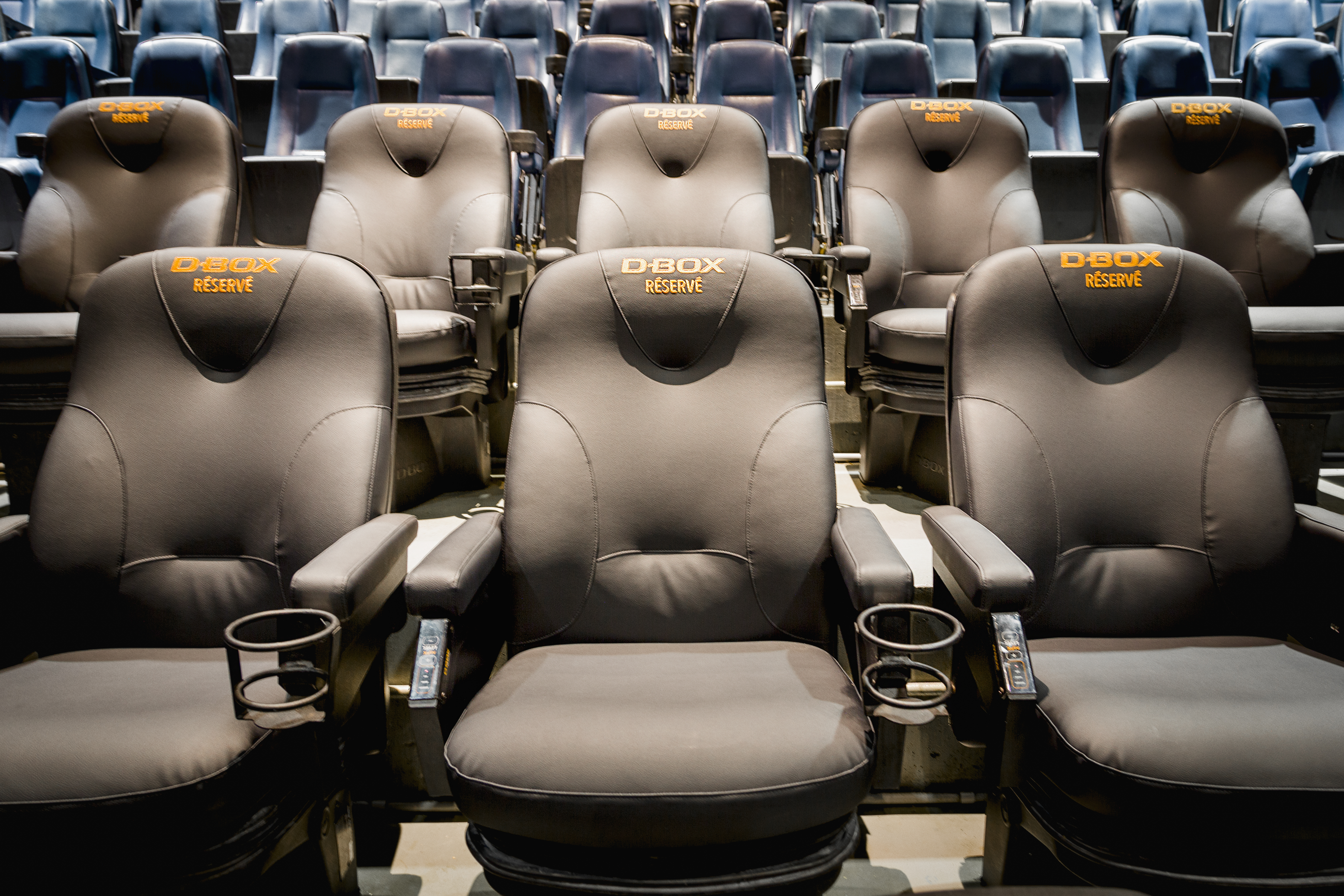
At its core, D-BOX is a high-fidelity haptic motion system integrated directly into the seating structure of a theater. Unlike standard theater seats, which are static, D-BOX seats are equipped with sophisticated actuators and motion-control software that synchronize physical movement with the visual and auditory cues of a film.
Actuator Synchronization and Precision
The system relies on motion generators hidden beneath the seat chassis. These actuators are capable of producing a wide range of movements—including pitch, roll, and heave—that mimic the gravity and acceleration experienced by the characters on screen. The precision of these systems allows for subtle vibrations during a dialogue-heavy scene or violent, jolting movements during an action sequence. This isn’t merely a “vibration” feature; it is a calculated, frame-by-frame synchronization process.
The Role of Motion Coding
Every D-BOX-enabled film undergoes a specialized post-production process where professional motion editors map the movement to the movie’s timeline. This is not automated software that guesses movement based on sound levels. Instead, human technicians meticulously program the seat’s responses to ensure that a punch to the jaw, a sudden turn in a car chase, or the turbulence of a flight sequence feels authentic. This human-in-the-loop approach is what distinguishes D-BOX from amateur haptic devices that merely react to low-frequency audio.
Enhancing the Cinematic Narrative
The integration of motion into cinema serves a specific psychological purpose: increasing the “presence” of the viewer. When the physical body is engaged, the suspension of disbelief becomes easier to maintain. By utilizing D-BOX technology, theaters move away from being passive observation spaces and evolve into active environments.
Immersion vs. Distraction
One of the primary concerns regarding motion seats is whether they distract from the film itself. Industry testing suggests that when used effectively, D-BOX actually reduces distractions. Because the audience is physically “tethered” to the action through the seat, they are less likely to look away, check their phones, or lose focus. The motion acts as an extension of the director’s intent; if a scene is meant to be jarring, the seat facilitates that sensation, deepening the viewer’s understanding of the character’s struggle.
Customization and Control
Recognizing that not all viewers desire the same level of intensity, D-BOX seats come equipped with personal intensity control panels. Located usually on the armrest, these controls allow the user to adjust the motion sensitivity in real-time. Whether a viewer prefers a subtle, smooth ride or maximum-impact feedback, the customization ensures that the technology accommodates a diverse range of preferences without diminishing the integrity of the film’s programmed track.
The Tech Ecosystem of D-BOX
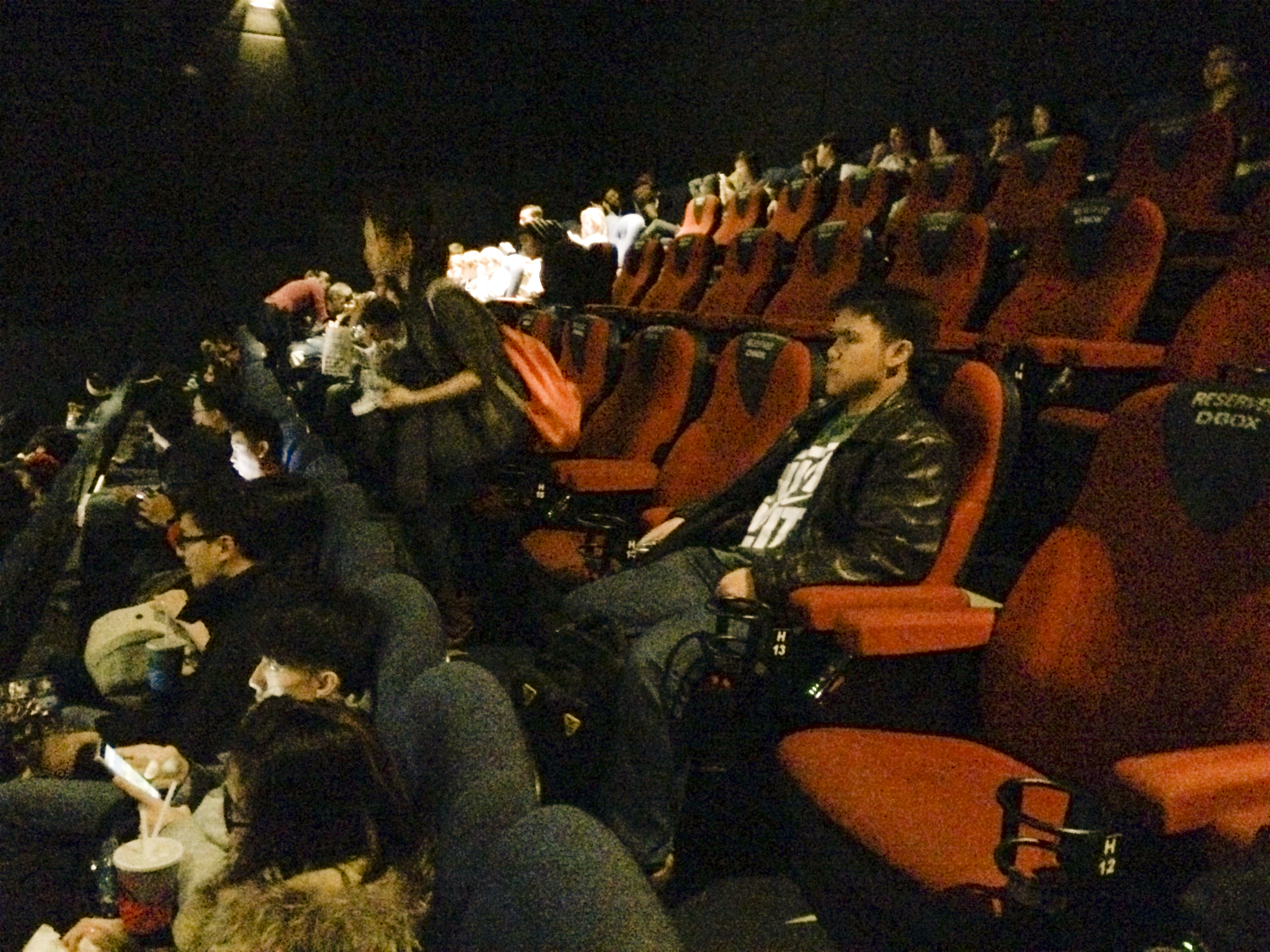
D-BOX is not limited to large-format commercial cinemas. The company has successfully expanded its footprint into home entertainment and specialized gaming sectors, creating a cohesive technological ecosystem that spans from the living room to the stadium-seating theater.
Home Theater Integration
For enthusiasts, the D-BOX experience is available through proprietary home theater seating. These systems interface with a media server or a specialized D-BOX controller that recognizes the specific movie being played. As the movie progresses, the server sends real-time data to the home actuators. This creates a high-end, private theater experience that rivals or exceeds commercial offerings. The hardware is designed to integrate seamlessly with existing home automation systems, allowing for a “turnkey” solution for luxury media rooms.
Gaming and Sim-Racing
Beyond film, D-BOX has found a massive following in the world of competitive simulation racing and flight simulation. In these environments, the system functions slightly differently; it is “telemetry-based” rather than “pre-programmed.” When a user drives a car in a simulator, the D-BOX seat receives direct physics data from the game engine—such as tire grip, suspension load, and track surface texture—and translates that into instantaneous motion. This level of feedback is vital for professional training, as it allows drivers to feel the “limit” of the car’s handling before visual or audio cues might suggest a loss of traction.
Future Trends and Industry Adoption
The future of D-BOX and similar motion-tech hinges on the evolution of software-driven experiences and content availability. As streaming platforms and gaming studios continue to prioritize “immersion” as a key marketing pillar, the demand for haptic-ready content is expected to grow.
Scaling and Accessibility
As with many high-end technologies, the cost of entry is the primary barrier to universal adoption. Currently, D-BOX seats are marketed as a premium add-on in commercial theaters, often priced at a premium surcharge. To see widespread adoption, the industry is looking at ways to make the hardware more modular and affordable for smaller, independent cinemas. If motion becomes a standardized expectation for blockbuster releases, the hardware costs are likely to follow the trajectory of digital projection, becoming more accessible over the next decade.
AI and Real-Time Haptic Generation
While current D-BOX content is human-coded, researchers are exploring the integration of AI to generate haptic metadata in real-time. This would theoretically allow any piece of digital media—from YouTube videos to older, non-coded movies—to generate compatible motion tracks on the fly. While this technology is still in its infancy, the capability to “haptic-enable” the entirety of a video library would be a seismic shift for the home entertainment industry.

Conclusion: The New Standard for Digital Engagement
The D-BOX seat is more than just a piece of furniture; it is a sophisticated bridge between the digital image and the human nervous system. By leveraging precision actuators and a rigorous coding process, it transforms cinema into a holistic physical experience. Whether used in a commercial megaplex, a dedicated home theater, or a competitive gaming rig, the technology provides a layer of feedback that static environments simply cannot match. As we move deeper into an era defined by virtual reality and hyper-realistic digital content, the haptic component provided by D-BOX will likely become a fundamental requirement for any truly immersive media experience. For the viewer, it signifies a transition from watching a story to feeling it, effectively setting a new standard for how we interact with the digital world.
aViewFromTheCave is a participant in the Amazon Services LLC Associates Program, an affiliate advertising program designed to provide a means for sites to earn advertising fees by advertising and linking to Amazon.com. Amazon, the Amazon logo, AmazonSupply, and the AmazonSupply logo are trademarks of Amazon.com, Inc. or its affiliates. As an Amazon Associate we earn affiliate commissions from qualifying purchases.