
In the era of borderless digital commerce, the security of our financial transactions relies on layers of verification. While we are accustomed to entering our primary credit card number, expiration date, and billing address, there remains one critical string of digits that acts as a vital gatekeeper: the Card Verification Value (CVV) or Card Verification Code (CVC). Understanding what these numbers are, how they function, and why they are essential to personal finance security is a fundamental aspect of digital literacy.
Understanding the Anatomy of Card Security
At its core, a CVV or CVC is a security feature designed to ensure that the person making an online or remote purchase is in physical possession of the credit or debit card. Unlike the long, 16-digit primary account number (PAN) embossed or printed on the front of your card, this secondary code serves as a cryptographic verification tool.
Defining the Acronyms
While the terms are often used interchangeably, different financial institutions and card networks utilize different labels for this security feature:
- CVV (Card Verification Value): Specifically associated with Visa, this is the most common term used by consumers.
- CVC (Card Verification Code): Generally used by Mastercard.
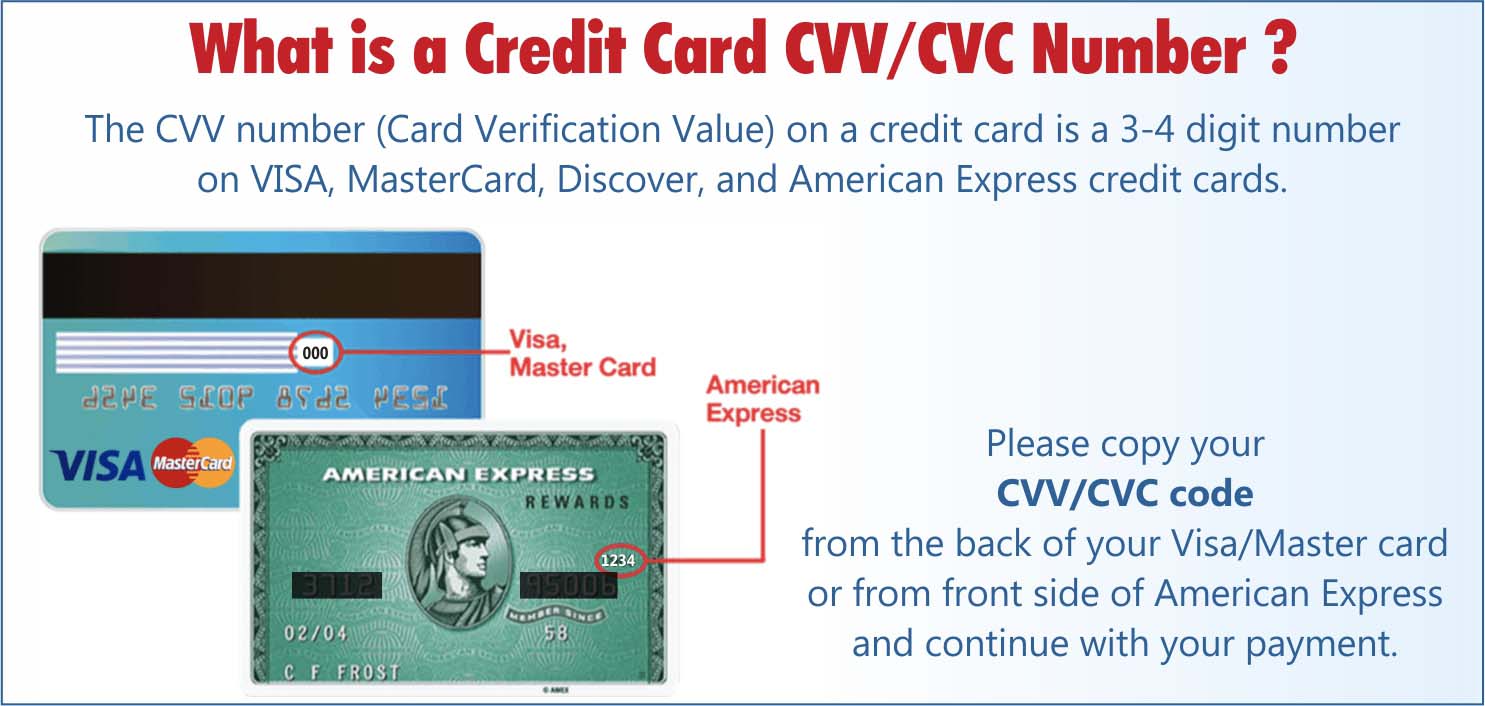
- CID (Card Identification Number): The terminology utilized by American Express, which often features a four-digit code on the front of the card rather than the three-digit code on the back.
- CSC (Card Security Code): A broad industry term that encompasses all of the above variations.
Regardless of the acronym, the objective remains the same: to confirm that the transaction request is authentic and originated from someone who has the actual card in their hand, rather than a bad actor who has simply scraped a card number from a database breach.
How CVV and CVC Codes Protect Your Finances
The security value of the CVV/CVC lies in its exclusion from transaction databases. Under the Payment Card Industry Data Security Standard (PCI DSS), merchants are strictly prohibited from storing the CVV or CVC code after the initial transaction has been authorized. This regulation is a cornerstone of modern financial security.
The Limitation of Databases
When you buy a product online, the merchant stores your name, shipping address, and your card’s primary account number—often in an encrypted format—so that you can make future purchases without re-entering the data. However, the CVV/CVC is never stored. If a cybercriminal manages to hack a merchant’s database and steal customer credit card records, they will theoretically obtain the card number and expiration date, but they will not acquire the CVV/CVC.
The “Card-Not-Present” Authentication
Because the CVV/CVC is not stored, a thief who has stolen your card number and expiration date from a compromised website still faces a significant hurdle: the checkout page. Most legitimate payment gateways require the entry of the CVV/CVC for online transactions. Without it, the transaction is often flagged as high-risk or automatically rejected by the issuing bank’s fraud detection algorithms. This serves as a critical secondary layer of defense that effectively neutralizes the utility of stolen card numbers in many fraudulent scenarios.
Where to Find Your Security Code
The location of your CVV or CVC depends entirely on the type of card you possess and the card network that issued it. Familiarizing yourself with these locations is an easy way to verify your own financial tools and ensure you are not falling victim to counterfeit cards.
The Three-Digit Code
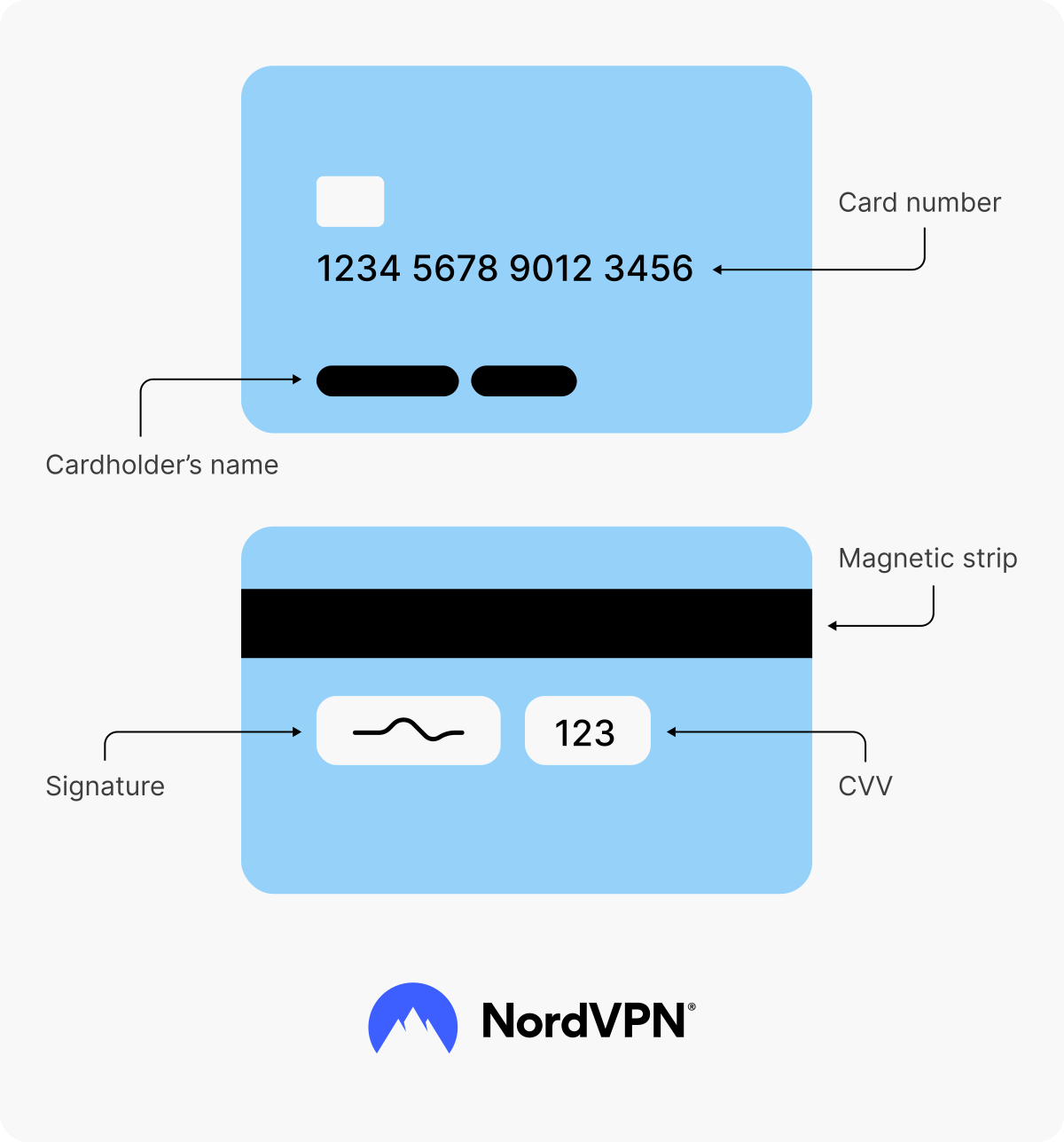
For the vast majority of Visa, Mastercard, and Discover cards, the security code is a three-digit number located on the signature strip on the back of the card. It is typically printed to the right of the signature area. In many cases, the last four digits of your card number are printed on this strip, followed by the three-digit CVV/CVC.
The Four-Digit Exception: American Express
American Express cards operate differently. Because of their unique design, the CID (Card Identification Number) is a four-digit code printed on the front of the card, usually positioned above the main account number on the right-hand side. Because this code is visible on the front, it requires users to be particularly vigilant about who they allow to view their physical cards, as a quick glance or a photograph could potentially compromise the card’s security.
Best Practices for Maintaining Financial Safety
While the CVV/CVC is a powerful tool, it is not an invincible shield. As digital finance evolves, so too do the tactics of identity thieves. To maintain a robust personal finance security posture, you must view the CVV/CVC as sensitive information, equal in importance to your PIN or banking passwords.
Never Share Your Code
The most common point of failure in card security is human error. Never provide your CVV/CVC over an unverified phone call, an insecure chat platform, or in response to an unsolicited email. Financial institutions and reputable merchants will never ask you to email them your CVV/CVC. If you receive a request for this information, treat it as a phishing attempt and report it immediately.
Secure Physical Handling
Since the CVV/CVC proves physical possession, protecting the physical card is your first line of defense. If you lose your card, report it to your bank immediately. Once reported lost or stolen, the bank will deactivate the card and issue a new one with a different account number and a new CVV/CVC. This renders the old, missing card useless, even if it falls into the wrong hands.
Digital Wallets as a Safer Alternative
One of the most effective ways to leverage modern financial technology is through the use of digital wallets like Apple Pay, Google Pay, or Samsung Pay. These services use “tokenization.” Instead of passing your actual card number and CVV/CVC to the merchant, the digital wallet sends a one-time-use cryptographic token. The merchant never sees your actual card details, effectively eliminating the risk of your CVV/CVC being exposed during a server breach. If you are frequently shopping at new or unfamiliar online stores, utilizing a digital wallet or a virtual card service—where you can generate temporary card numbers—is a prudent financial decision.
Monitoring Your Statements
Finally, the existence of a CVV/CVC does not exempt you from the responsibility of monitoring your financial statements. Set up transaction alerts with your bank so that you receive an instant notification whenever your card is used. If you see a charge you do not recognize, contact your financial institution immediately. While the CVV/CVC is designed to stop unauthorized transactions, it is not a replacement for your own vigilance in reviewing your personal finance accounts for irregularities.

Conclusion
The CVV/CVC is a silent workhorse of the digital economy. It bridges the gap between physical card security and the abstract, lightning-fast world of online commerce. By understanding that this three or four-digit code is the specific piece of data that banks use to verify that a card is present, users can better appreciate why their financial institutions treat it with such high priority.
In the modern financial landscape, being an educated consumer is the best defense against fraud. By treating your CVV/CVC with caution, opting for modern payment methods like tokenized digital wallets, and staying vigilant regarding your account activity, you ensure that your financial footprint remains secure. Always remember: in the world of online finance, the smallest numbers often provide the greatest security.
aViewFromTheCave is a participant in the Amazon Services LLC Associates Program, an affiliate advertising program designed to provide a means for sites to earn advertising fees by advertising and linking to Amazon.com. Amazon, the Amazon logo, AmazonSupply, and the AmazonSupply logo are trademarks of Amazon.com, Inc. or its affiliates. As an Amazon Associate we earn affiliate commissions from qualifying purchases.