
The Mechanics of Immune-Mediated Cellular Destruction
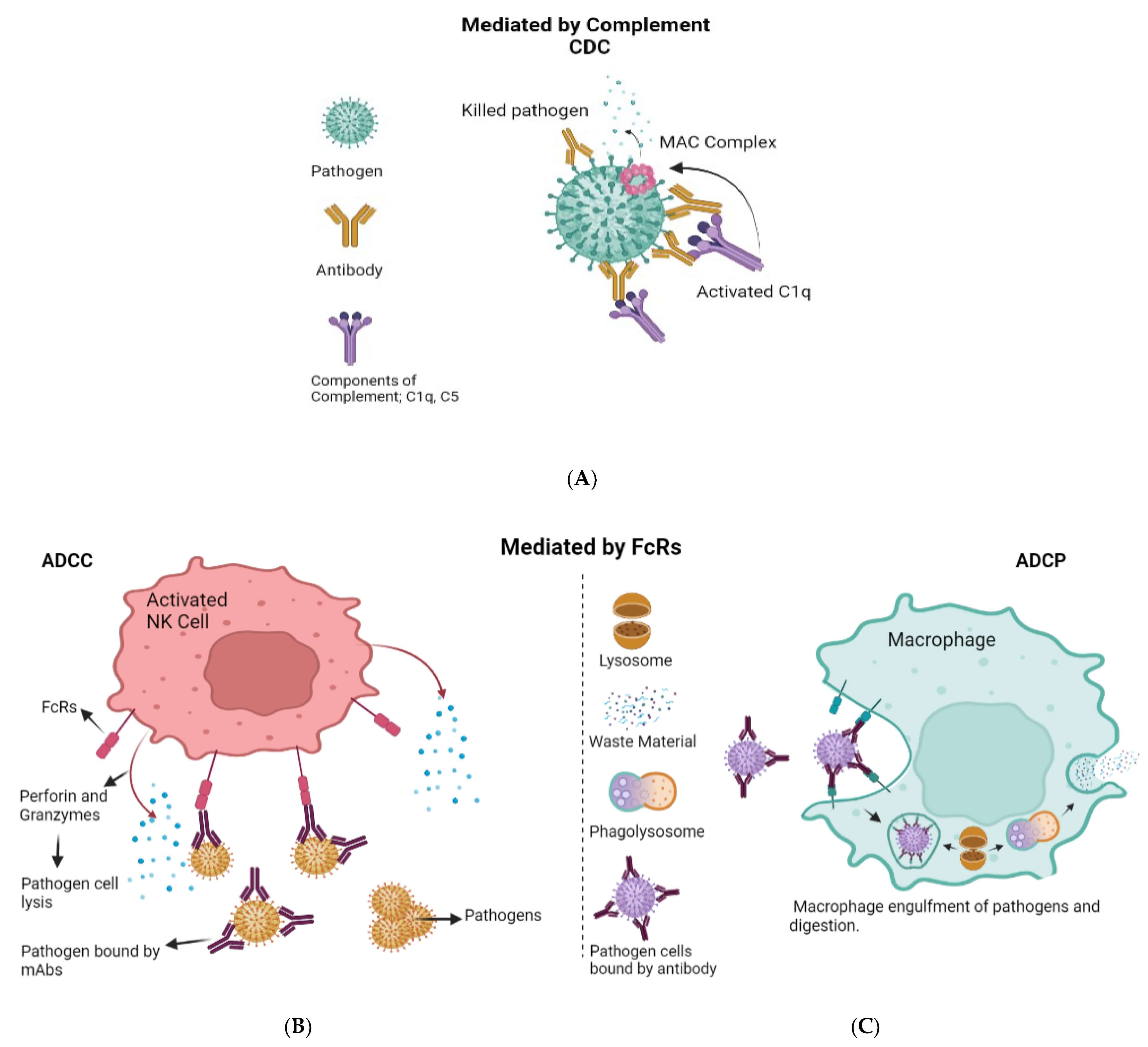
Complement Dependent Cytotoxicity (CDC) represents one of the most sophisticated and potent effector mechanisms of the human immune system. At its core, CDC is a process by which the complement system—a cascade of more than 30 plasma proteins—orchestrates the direct destruction of target cells, such as bacteria, virus-infected cells, or malignant tumors. This process is triggered when specific antibodies bind to antigens on the surface of a target cell, acting as a molecular homing beacon for the circulating complement proteins.
The Antibody-Antigen Trigger
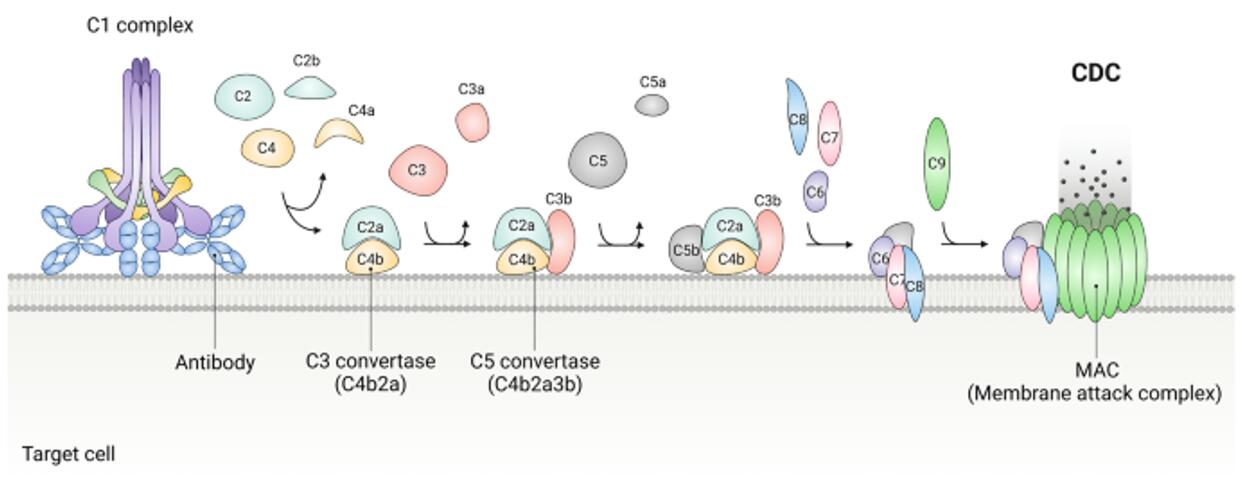
The sequence begins with the recognition phase. Immunoglobulin G (IgG) or Immunoglobulin M (IgM) antibodies identify specific epitopes on the cell membrane of a pathogen or a disordered host cell. Once these antibodies are anchored, they undergo a conformational change that exposes binding sites for C1q, the first component of the classical complement pathway. This docking maneuver is the definitive “on” switch for the cascade.
The Complement Cascade
Once C1q is recruited to the antibody-Fc region, a highly regulated proteolytic cascade ensues. This involves the sequential activation of serine proteases (C1r and C1s), which subsequently cleave C4 and C2. The resulting fragments assemble into a C3-convertase, an enzyme complex that cleaves thousands of C3 molecules into C3b. This massive amplification step is crucial; it ensures that even a limited number of antibody binding events can lead to a robust, overwhelming immunological response.
Formation of the Membrane Attack Complex
The ultimate goal of the CDC process is the physical disruption of the target cell’s lipid bilayer. This is achieved through the formation of the Membrane Attack Complex (MAC), also known as the terminal complement complex. The MAC acts as a microscopic “drill,” boring pores directly into the cellular membrane, which results in catastrophic osmotic imbalance.
Assembly of the Pore
The assembly of the MAC begins with the cleavage of C5 into C5a and C5b. The C5b fragment serves as the anchor point for the sequential recruitment of C6, C7, and C8. Finally, multiple copies of C9 polymerize to form a circular, transmembrane channel. This pore, roughly 10 nanometers in diameter, allows water and ions to flow freely into the target cell, causing it to swell and burst—a process known as osmotic lysis.
Regulatory Proteins and Self-Tolerance
Because the complement system is essentially a “live grenade” circulating in the bloodstream, the body employs rigorous checkpoints to prevent collateral damage to healthy tissues. Membrane-bound regulators such as CD55 (Decay Accelerating Factor), CD59 (Protectin), and CD46 are expressed on the surface of host cells. These proteins actively inhibit the assembly of the MAC and the formation of convertases. In the context of cancer or autoimmune diseases, tumor cells may often upregulate these same inhibitors, effectively creating a “shield” that renders them resistant to complement-mediated killing.
Clinical Implications and Therapeutic Applications
Understanding the nuances of CDC is not merely an academic exercise; it is the cornerstone of modern immunotherapy and antibody-based drug design. Many monoclonal antibodies (mAbs) used in oncology are specifically engineered to leverage CDC as a primary or secondary mechanism of action to eliminate malignant cells.
Monoclonal Antibody Engineering
When designing therapeutic antibodies for cancer, researchers look for ways to enhance their ability to fix complement. By modifying the Fc region of the antibody, scientists can increase the affinity for C1q, thereby lowering the threshold required to trigger the complement cascade. This engineering ensures that the drug can effectively “tag” cancer cells for destruction, even in environments where the tumor microenvironment attempts to suppress immune activity.
Challenges in Clinical Efficacy
Despite the potency of CDC, clinical success is often hindered by the presence of soluble complement inhibitors in the blood, such as Factor H or C1-inhibitor. Furthermore, the tumor microenvironment is often hypoxic and acidic, conditions that can interfere with the enzymatic reactions required for the cascade to progress. Current research focuses on creating “bispecific” antibodies or complement-potentiating agents that can bypass these inhibitors, ensuring that the MAC assembly reaches completion on the tumor surface.
Future Horizons in Complement Research
The study of CDC is rapidly evolving as we uncover new ways to manipulate the system for human health. Beyond oncology, the modulation of CDC has profound implications for organ transplantation, autoimmune disorder management, and chronic inflammatory diseases.
Addressing Hyperacute Rejection
In the field of xenotransplantation—the transplanting of animal organs into humans—CDC is the primary barrier to success. When an organ from a non-human species is introduced, the human immune system immediately recognizes foreign antigens and triggers a massive, systemic CDC response, leading to hyperacute rejection within minutes. Strategies to genetically modify donor organs to express human-like complement regulators are currently the most promising path toward making xenotransplantation a viable medical reality.
Precision Modulation
The future of the field lies in precision modulation. Rather than simply activating or inhibiting the system, emerging therapies aim to “target” complement activity to specific locations. By using sophisticated biochemical scaffolds, researchers are attempting to concentrate complement activation at the site of a tumor while leaving systemic complement levels untouched. This would minimize the risk of systemic inflammation—a common side effect of current complement-based immunotherapies—while maximizing the targeted destruction of diseased cells.
The Intersection of Biology and Systems Engineering
From a structural perspective, CDC is essentially a biological software program—a series of “if-then” logic gates that interpret molecular signals to execute a binary outcome: cell survival or cell death. By decoding this process, medical science has gained a tool capable of precise cellular demolition.
The complexity of the complement system serves as a reminder of the efficiency of evolutionary design. The cascade is self-amplifying, highly sensitive, and modular, allowing for rapid deployment in the face of infection. However, its power necessitates strict regulation, and the history of medicine is a testament to our ongoing efforts to harness this power safely. As we move deeper into the era of personalized medicine, our ability to manipulate CDC will likely dictate the next generation of successes in treating complex, refractory diseases. Whether by neutralizing the complement inhibitors that protect tumors or by shielding vulnerable tissues from overactive immune responses, the mastery of the complement system remains one of the most vital frontiers in biomedical science.
aViewFromTheCave is a participant in the Amazon Services LLC Associates Program, an affiliate advertising program designed to provide a means for sites to earn advertising fees by advertising and linking to Amazon.com. Amazon, the Amazon logo, AmazonSupply, and the AmazonSupply logo are trademarks of Amazon.com, Inc. or its affiliates. As an Amazon Associate we earn affiliate commissions from qualifying purchases.