
In the competitive landscape of international travel and hospitality, the concept of a VIP airport service has evolved from a luxury add-on into a strategic asset for brand experience. Club Mobay, operated by VIP Attractions at Sangster International Airport in Montego Bay, Jamaica, serves as a quintessential case study in high-end service design and destination branding. By repositioning the airport experience as an extension of the vacation itself, Club Mobay has successfully transformed a high-stress transition point into a value-added service that reinforces the brand identity of the Jamaican tourism product.
The Evolution of Airport Brand Strategy
For many travelers, the international airport experience is the most stressful part of the journey. Long queues, complex immigration procedures, and crowded departures areas often define the “last impression” of a destination. Club Mobay was conceptualized to solve these friction points, but its success lies in how it frames these solutions as a premium branded experience.
Defining the Value Proposition
From a branding perspective, Club Mobay functions as a “service bridge.” It effectively acts as a localized brand ambassador, providing the first taste of Jamaican hospitality upon arrival and the final, curated experience before departure. By moving away from the traditional, utilitarian airport model, the service establishes a standard of care that reflects the broader hospitality brand of Jamaica. This alignment between the physical environment of the airport and the promises made by resorts and tour operators is crucial for brand consistency.
The Psychology of Seamless Transitions
The strategic implementation of “Fast Track” services is not merely a logistical utility; it is a psychological tool. By minimizing the time spent in bureaucratic bottlenecks, Club Mobay creates a psychological “buffer zone.” When guests are whisked through expedited lanes, the perceived value of the destination increases immediately. This branding strategy leverages the concept of “time-saving as a luxury commodity,” allowing the brand to command a premium price point while simultaneously increasing traveler satisfaction scores—a critical metric for any destination’s long-term reputation.
Operational Design and Customer Experience (CX)
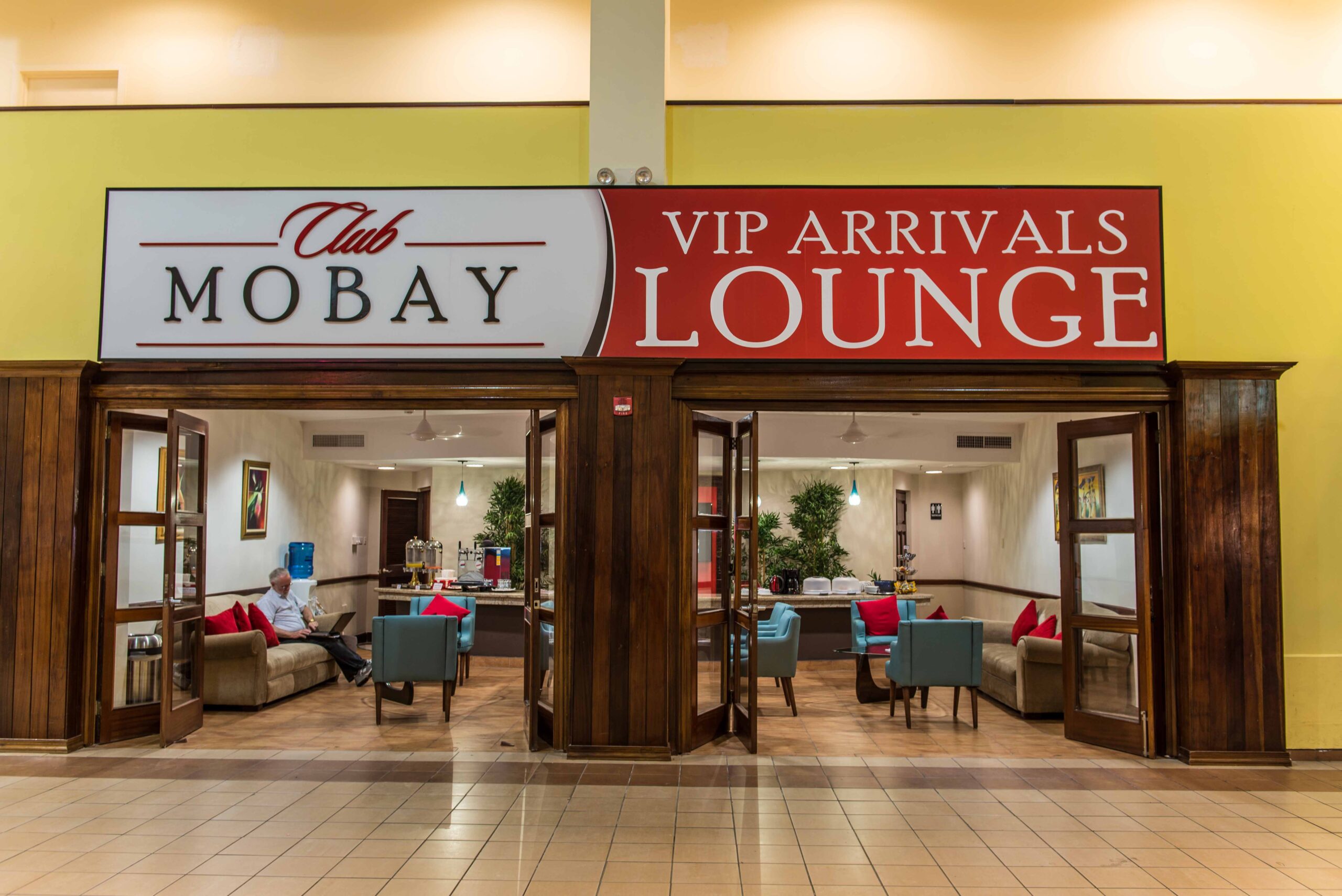
A brand is only as strong as its touchpoints. Club Mobay utilizes physical spaces—specifically its arrival and departure lounges—to manifest its brand promise. These spaces are intentionally designed to contrast with the typical industrial aesthetics of global transit hubs.
Curating the Physical Environment
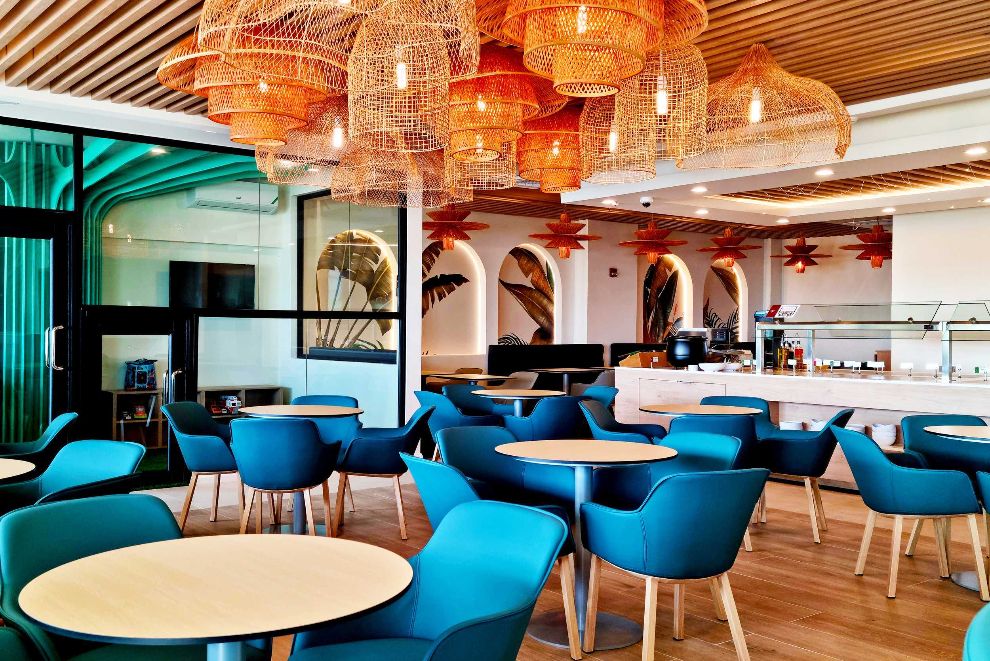
The aesthetic of the Club Mobay lounges is a masterclass in identity design. By integrating local art, indigenous materials, and authentic Jamaican culinary offerings, the lounges serve as a “micro-destination.” This creates a powerful brand anchor: the traveler is not just waiting for a flight; they are immersed in a lounge that feels like a boutique resort. This sensory marketing approach ensures that even the final hour of a trip serves as a reinforcement of the vacation narrative.
Service Standards as a Marketing Tool
Every interaction within the Club Mobay ecosystem is standardized to maintain a high-touch, concierge-style experience. The staff training emphasizes proactive hospitality—anticipating needs before they are verbalized. In the context of branding, this turns a functional service into a high-value product. When a service provider consistently exceeds expectations, the brand equity grows, making the service a “must-have” recommendation among frequent travelers. This word-of-mouth marketing is the most cost-effective growth strategy, relying on the positive experiences of travelers to act as brand advocates.
Strategic Integration within the Tourism Ecosystem

Club Mobay does not operate in a vacuum. Its success is rooted in its deep integration with the wider Jamaican tourism industry. It is a prime example of a synergistic branding strategy where multiple stakeholders benefit from a single, centralized service provider.
Partnership Ecosystems
By partnering with tour operators, travel agents, and luxury resorts, Club Mobay has effectively woven itself into the fabric of the travel booking process. From a business development perspective, this is a brilliant strategic move. By becoming a “standard” inclusion in high-end travel packages, they ensure a consistent volume of customers while simultaneously helping their partners sell higher-value trips. This symbiotic relationship creates a stronger overall brand ecosystem, where every stakeholder is incentivized to promote the “Club Mobay experience” as the standard for Jamaican travel.
Scalability and Brand Expansion
As the travel industry continues to recover and evolve, the model established by Club Mobay provides a blueprint for other destinations. It demonstrates that airport services can be a standalone brand entity rather than just a concession. By focusing on personalization—such as greeting guests by name or providing customized refreshments—the service transcends its role as a mere transit facilitator. This ability to scale the service without losing the “boutique” feel is the hallmark of a mature brand strategy.
Analyzing the Competitive Advantage
What distinguishes Club Mobay from generic airline lounges or airport loyalty programs? It is the deliberate focus on “Total Journey Management.” While many airport services focus on a single segment—such as the lounge—Club Mobay manages the entire guest lifecycle from the moment they step off the aircraft to the moment they board their flight home.
The Power of Exclusive Access
Exclusivity is a primary driver in high-end branding. By controlling access to expedited immigration and customs, Club Mobay taps into a specific consumer desire: the avoidance of discomfort. Marketing this access requires a precise understanding of the target demographic—the high-net-worth individual, the time-constrained business traveler, and the luxury-seeking vacationer. The brand identity of Club Mobay is built on the promise that “time is the ultimate luxury,” and the brand successfully fulfills this promise by removing obstacles.
Measuring Brand Sentiment and Loyalty
In the modern digital landscape, the success of a brand like Club Mobay is measured through review platforms, social media mentions, and returning customer rates. Because the service is so closely tied to the emotional high of a vacation, it benefits from high positive sentiment. When travelers reflect on their trip, the ease of their airport experience often colors their entire perception of the destination. If the arrival is smooth and the departure is relaxing, the memory of the trip is solidified as “seamless.” This is the ultimate goal of brand positioning: to become the foundation upon which positive memories are built.
Future Outlook: The Role of Service Brands in Global Transit
The future of airport services lies in the intersection of technology and human-centric service. Club Mobay is well-positioned to leverage digital touchpoints, such as automated check-in flows and personalized digital concierges, to further enhance the guest experience. However, the core of the brand—the warm, hospitable, and distinctly Jamaican delivery—must remain the focus.
As global competition for tourists intensifies, the “airport experience” will increasingly become a deciding factor for destination selection. Destinations that can offer a managed, premium transition will consistently outperform those that leave the passenger experience to chance. Club Mobay acts as the proof-of-concept for this shift. By treating the airport as a marketing channel rather than a logistics hub, the service has secured its place as a vital component of Jamaica’s brand identity.
In conclusion, Club Mobay is more than just a VIP lounge or a fast-track lane. It is a sophisticated example of brand strategy applied to a complex service environment. By prioritizing the guest experience, aligning with local tourism partners, and consistently delivering a high-quality, personalized service, it has created a model that is both highly profitable and fundamentally necessary for modern travel. For those looking to understand how service branding can transform a utility into a premium product, Club Mobay provides a roadmap that is as clear as it is successful. The brand does not just manage the transit of people; it manages the expectations, the emotions, and the lasting impressions of travelers, securing their loyalty to the brand and, by extension, to the destination itself.
aViewFromTheCave is a participant in the Amazon Services LLC Associates Program, an affiliate advertising program designed to provide a means for sites to earn advertising fees by advertising and linking to Amazon.com. Amazon, the Amazon logo, AmazonSupply, and the AmazonSupply logo are trademarks of Amazon.com, Inc. or its affiliates. As an Amazon Associate we earn affiliate commissions from qualifying purchases.