
The Chvostek sign serves as a critical clinical marker within the field of diagnostic medicine, acting as a physical indicator for underlying neuromuscular irritability often associated with metabolic imbalances. In a modern healthcare environment, understanding such signs is essential for medical professionals and students alike, as they represent the intersection of clinical observation and biochemical homeostasis. While technology continues to evolve the diagnostic landscape, the Chvostek sign remains a testament to the enduring value of the physical examination in identifying potentially life-threatening electrolyte disturbances.
The Physiological Basis of the Chvostek Sign
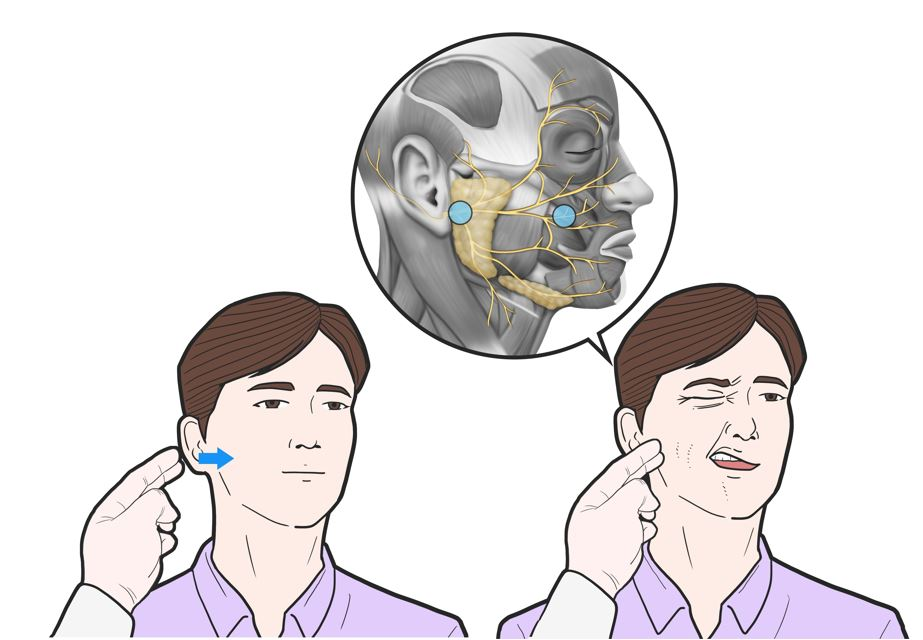
At its core, the Chvostek sign is an abnormal reaction to the stimulation of the facial nerve. When a clinician taps the facial nerve—specifically the area anterior to the earlobe and just below the zygomatic arch—the patient exhibits an involuntary twitching of the facial muscles on the same side. This reaction is a clinical manifestation of hypocalcemia, or abnormally low levels of calcium in the blood.

The Role of Calcium in Neuromuscular Function
Calcium ions play a multifaceted role in human physiology, acting as essential messengers in intracellular signaling and stabilizers of the neuronal cell membrane. Under normal conditions, calcium ions exert a stabilizing effect on the nerve cell membrane by raising the threshold required for depolarization. When serum calcium levels drop, this stabilizing effect is diminished, effectively lowering the threshold for excitation. Consequently, the peripheral nerves become hyperexcitable, meaning they require significantly less stimulus to trigger a contraction. This heightened sensitivity is the biological mechanism that causes the facial muscles to react sharply to the mechanical tapping associated with the Chvostek test.
Differentiating Hypocalcemia from Other Electrolyte Imbalances
While hypocalcemia is the hallmark cause of a positive Chvostek sign, it is not the only factor to consider in a clinical setting. Hypomagnesemia, which frequently accompanies hypocalcemia, can also induce neuromuscular irritability. Because magnesium is a necessary cofactor for the secretion and action of parathyroid hormone, a deficiency in magnesium can directly lead to secondary hypocalcemia. Clinicians must perform a comprehensive evaluation, including serum electrolyte panels, to differentiate between pure hypocalcemia, hypomagnesemia, and other potential causes of irritability, such as alkalosis, which can transiently decrease ionized calcium levels without necessarily reflecting a systemic deficit.
Clinical Assessment and Testing Procedures
The accuracy of the Chvostek sign is heavily dependent on the precision of the physical examination. While the test appears deceptively simple, subtle variations in technique can lead to false negatives or misinterpretations. Mastering the standardized approach is paramount for ensuring clinical reliability.
Standardized Examination Technique
To perform the examination, the patient should be in a seated or supine position, relaxed and facing forward. The examiner identifies the facial nerve path, located anterior to the tragus of the ear. Using the tips of the index and middle fingers, the clinician applies a gentle but firm percussive tap to the area. A positive sign is defined as the contraction of the ipsilateral facial muscles, which may involve the eyelid, the corner of the mouth, or the nose. The reaction can vary from a subtle flicker to a sustained spasm, depending on the severity of the electrolyte imbalance.

Interpreting Findings and Limitations
It is important to note that the Chvostek sign is not 100% sensitive or specific to hypocalcemia. Studies have shown that a small percentage of the healthy population—estimated between 1% and 25% depending on the clinical cohort—may exhibit a positive Chvostek sign without any detectable electrolyte abnormalities. Furthermore, the sign may be absent in patients who are symptomatic for hypocalcemia. Therefore, the Chvostek sign should never be used as a standalone diagnostic tool. It functions best as a bedside screening maneuver that prompts further laboratory investigation, such as the measurement of total and ionized serum calcium, albumin, and magnesium levels.
Etiology and Underlying Clinical Conditions
The appearance of a positive Chvostek sign is a diagnostic “red flag” that points toward various endocrine or physiological disturbances. Recognizing the underlying etiology is crucial for effective patient management and treatment.
Hypoparathyroidism and Surgical Complications
One of the most frequent causes of chronic hypocalcemia is hypoparathyroidism, often resulting from the accidental removal of, or damage to, the parathyroid glands during thyroid or neck surgery. When the parathyroid glands fail to produce adequate parathyroid hormone (PTH), the body loses its primary mechanism for mobilizing calcium from the bones and reabsorbing it from the kidneys. The subsequent drop in serum calcium levels often manifests clinically through neuromuscular signs like the Chvostek sign and the Trousseau sign.
Nutritional and Metabolic Deficiencies
Beyond surgical intervention, the Chvostek sign can indicate systemic metabolic issues. Vitamin D deficiency, for example, severely impairs the intestinal absorption of calcium. Without sufficient Vitamin D, the body cannot maintain appropriate serum calcium levels, regardless of dietary intake. Similarly, patients with chronic kidney disease (CKD) may experience secondary hyperparathyroidism and subsequent electrolyte disturbances as the kidneys lose the ability to regulate calcium and phosphate excretion effectively. In these cases, identifying the Chvostek sign can serve as an early warning signal of a deeper, long-standing metabolic dysregulation that requires aggressive management to prevent secondary complications like bone density loss or cardiac arrhythmias.
Modern Diagnostic Context and Clinical Utility
In an era defined by advanced imaging and point-of-care laboratory diagnostics, some might argue that physical exam maneuvers are losing their relevance. However, the Chvostek sign maintains a vital place in the clinical toolkit precisely because it provides immediate information before lab results are processed.
The Value of Bedside Clinical Skills
The primary advantage of the Chvostek sign is speed. In an emergency department or a post-operative recovery suite, the ability to rapidly assess a patient’s neurological state can dictate the urgency of treatment. If a patient recovering from a thyroidectomy displays a sudden, positive Chvostek sign, the clinician can immediately correlate this with potential postoperative hypocalcemia and initiate calcium supplementation protocols while waiting for laboratory confirmation. This “clinical intuition,” supported by physical signs, enhances patient safety and allows for a proactive rather than reactive stance in clinical care.
Integration with Modern Healthcare Technology
While the Chvostek sign remains a manual physical skill, its clinical interpretation is increasingly integrated into modern healthcare workflows. Electronic health records (EHR) allow for the documentation of such physical signs in tandem with real-time laboratory tracking. Furthermore, as medical training increasingly incorporates simulation-based learning, the Chvostek sign remains a foundational topic. Teaching clinicians to rely on a combination of visual, tactile, and objective data ensures that the quality of care remains high even as diagnostic technology advances. By blending traditional bedside examinations with sophisticated metabolic analysis, the modern medical professional can achieve a comprehensive view of patient health, ensuring that even subtle physical indicators like the Chvostek sign are given the attention they deserve.
Ultimately, the Chvostek sign is more than a relic of medical history; it is a vital indicator of neuromuscular stability. Its utility lies in its simplicity, its accessibility, and its immediate correlation with complex physiological processes. Whether used in a primary care setting to identify early signs of vitamin deficiency or in a high-acuity surgical recovery unit to monitor for gland function, the Chvostek sign continues to serve as an essential link between the patient’s physical presentation and the underlying biochemistry that sustains life. By mastering this sign, practitioners uphold the highest standards of physical examination, ensuring that no clue—however subtle—is overlooked in the pursuit of accurate diagnosis and optimal patient outcomes.
aViewFromTheCave is a participant in the Amazon Services LLC Associates Program, an affiliate advertising program designed to provide a means for sites to earn advertising fees by advertising and linking to Amazon.com. Amazon, the Amazon logo, AmazonSupply, and the AmazonSupply logo are trademarks of Amazon.com, Inc. or its affiliates. As an Amazon Associate we earn affiliate commissions from qualifying purchases.