
The culinary and industrial landscape is often defined by the raw materials that anchor our production cycles. In the world of food commodities and agriculture-based business, besan—commonly known as gram flour—stands out as a staple of significant economic value. For those operating within the realms of business finance, supply chain management, and the global commodities market, understanding the composition and economic footprint of besan is essential. It is not merely a cooking ingredient; it is a high-demand agricultural product that drives significant trade volume, processing investment, and retail market fluctuations.
The Botanical Origins and Agricultural Economics of Besan
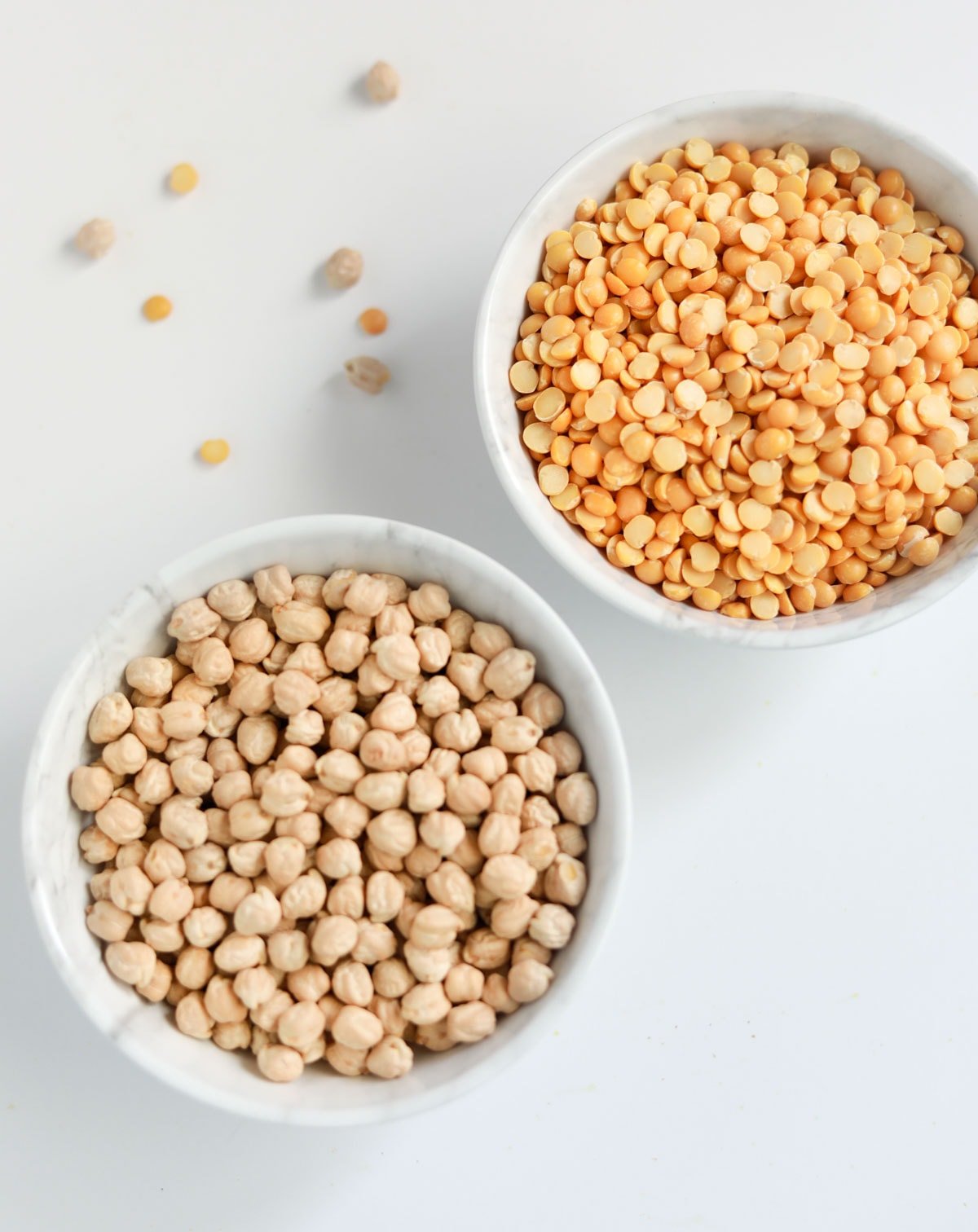
At its core, besan is a refined flour derived from the Cicer arietinum plant, more commonly recognized as the chickpea or garbanzo bean. Specifically, the commercial production of besan relies on the use of “chana dal,” which consists of split brown chickpeas that have had their outer skin removed. This agricultural foundation is a massive driver of rural economies, particularly in regions like India, Pakistan, and parts of Australia and Canada, which serve as global hubs for pulse production.
The Processing Lifecycle and Value Addition
The transformation of the raw chickpea into besan is a classic study in industrial value addition. The journey begins with procurement, where market volatility—driven by monsoon patterns, soil health, and geopolitical trade agreements—dictates the base price of the grain. Once procured, the chickpeas undergo a mechanical process of cleaning, soaking, drying, and milling.
From a business finance perspective, the milling process is where the “margin” is created. Traditional stone-ground methods vs. modern high-capacity industrial pulverizers offer different cost-to-efficiency ratios. Companies that invest in advanced milling technology often see a higher yield of fine-mesh flour, which commands a premium price in the culinary market. Understanding this cost structure is vital for entrepreneurs looking to enter the food processing sector, as the efficiency of the milling process directly impacts the bottom line when dealing with low-margin, high-volume commodities.
Global Trade Dynamics and Supply Chains
The global market for besan is inherently tied to the availability of chickpeas. When major exporters experience crop failures, the price per ton of besan spikes, impacting downstream sectors ranging from snack manufacturing to retail distribution. Investors and business analysts monitor these agricultural cycles closely, as pulses are considered a hedge against more volatile luxury commodities. The supply chain for besan is robust, typically moving from large-scale agricultural markets (mandis) to processing plants, and finally to institutional buyers or consumer retail shelves. For the savvy business owner, the key to profitability lies in securing long-term contracts with producers to mitigate the risks associated with seasonal price fluctuations.
The Business of Besan: Market Segmentation and Revenue Streams
Besan is a highly versatile product, which allows businesses to diversify their revenue streams. By segmenting the market based on purity, particle size, and certification (such as organic or gluten-free), firms can move away from being a “commodity player” and instead function as a “value-added provider.”
Institutional Supply vs. Retail Branding
A significant portion of the besan market is dominated by B2B (business-to-business) contracts. Large-scale snack manufacturers, bakeries, and restaurant chains require consistent quality and bulk supply. This channel is characterized by razor-thin margins but high volume, demanding impeccable inventory management and cash flow stability. Conversely, the retail sector allows for higher brand equity. Companies that invest in packaging, branding, and distribution through e-commerce platforms can command a higher price point by positioning their product as a premium, unadulterated, or nutritionally superior version of the standard flour.

Diversification through By-products
An often overlooked aspect of the besan business model is the utilization of processing by-products. During the milling process, there is a certain percentage of coarse particles or skins that are separated from the final product. In a sophisticated business operation, these are not treated as waste. Instead, they are channeled into the animal feed market or used in high-fiber food additives. Integrating this waste-to-revenue pipeline is a hallmark of an optimized business model, ensuring that every grain processed contributes to the overall profitability of the enterprise.
Financial Forecasting and Risk Management in the Flour Sector
Operating in the pulse milling industry requires a nuanced understanding of risk management. Because besan is an agricultural commodity, it is subject to risks that are often outside the control of the business owner.
Hedging Against Price Volatility
Small and medium-sized enterprises (SMEs) often struggle with the inherent volatility of the chickpea market. Financial tools such as commodity futures and forward contracts are essential for stabilizing the cost of raw materials. By locking in purchase prices for chana dal ahead of the harvesting season, a business can maintain stable pricing for its customers, thereby protecting market share during periods of supply chain disruption. Implementing a robust financial hedging strategy is what separates a sustainable business from one that is perpetually at the mercy of market whims.
Capital Expenditure and Scaling
Scaling a besan production facility requires significant capital expenditure (CapEx) in machinery and storage facilities. Because moisture control is vital to prevent spoilage and maintain product shelf life, investment in climate-controlled storage is non-negotiable. Furthermore, as global food safety standards become more stringent, investment in automated quality control systems—such as color sorters and metal detectors—has become a standard requirement for accessing export markets. While these costs are high, they serve as a barrier to entry for competitors, effectively protecting the market share of established, compliant players.
The Strategic Future of the Besan Industry
Looking ahead, the industry surrounding besan is poised for transformation. The growing global interest in plant-based proteins presents a unique financial opportunity for companies that can effectively market besan not just as an ethnic cooking staple, but as a high-protein, gluten-free superfood.
Innovation in Product Positioning
The “health-conscious consumer” trend is creating a shift in how besan is marketed. By leveraging digital branding and consumer insights, producers are now able to target segments that value nutritional transparency. This represents a pivot from a pure commodity-based business strategy to a lifestyle-brand strategy. For those holding equity in food processing firms, this shift in marketing is a critical lever for growth, allowing for higher price points and increased brand loyalty.

Sustainable Sourcing as a Competitive Advantage
Finally, modern investors are increasingly looking for ESG (Environmental, Social, and Governance) compliance in their portfolio companies. The pulse industry has the advantage of being a water-efficient crop compared to other protein sources like meat or certain grains. Businesses that incorporate sustainable, ethical sourcing practices into their corporate identity can appeal to impact investors while potentially tapping into government subsidies or green financing options.
In conclusion, what besan is made of is only half the story. The rest of the narrative is written in the ledgers of supply chain managers, the forecasts of commodities analysts, and the branding strategies of forward-thinking CEOs. By understanding the intersection of raw agricultural product and the complex financial systems that govern it, businesses can successfully navigate the market and unlock the latent value hidden within this simple, yet powerful, pulse flour. The path to long-term profitability lies in the rigorous management of supply, the intelligent application of financial hedging, and the strategic positioning of the product in a rapidly evolving global health food market.
aViewFromTheCave is a participant in the Amazon Services LLC Associates Program, an affiliate advertising program designed to provide a means for sites to earn advertising fees by advertising and linking to Amazon.com. Amazon, the Amazon logo, AmazonSupply, and the AmazonSupply logo are trademarks of Amazon.com, Inc. or its affiliates. As an Amazon Associate we earn affiliate commissions from qualifying purchases.