
In the evolving landscape of personal finance and economic stability, the term “base income” serves as a foundational concept for understanding financial health. Whether you are an employee navigating a salary negotiation, a freelancer attempting to stabilize your cash flow, or an investor assessing the risk profile of an asset, base income represents the steady, recurring floor upon which you build your fiscal future. It is the core metric used by lenders, financial planners, and individuals alike to determine long-term viability and creditworthiness.
Defining the Foundation: What Constitutes Base Income?
At its simplest level, base income refers to the fixed compensation an individual receives from their primary source of work or investment before any variable factors—such as bonuses, overtime, commissions, or one-time windfalls—are added. It is the predictable portion of your total earnings that you can rely on with a high degree of certainty, regardless of how well a particular quarter goes or how much extra effort you exert in a specific month.

The Salary Perspective
For the vast majority of the workforce, base income is synonymous with a base salary. This is the gross annual amount stipulated in an employment contract. If your annual salary is $70,000, your base income is $5,833 per month, regardless of whether you receive a year-end performance bonus or a profit-sharing check. This amount provides the bedrock for your monthly budget, ensuring that fixed expenses like rent or mortgage, utilities, and insurance premiums are covered consistently.
The Entrepreneurial and Freelance Nuance
For freelancers, gig workers, and business owners, defining base income is significantly more complex. Since income is often sporadic, determining a “base” requires looking at historical data and net profit averages. Many financial experts advise these individuals to calculate their base income by determining the minimum amount of revenue they consistently generate over a 12-month period, often discounting the “boom” months to avoid over-leveraging during leaner times. By establishing an artificial “base,” freelancers can pay themselves a consistent salary from their business accounts, creating the stability found in traditional employment.
The Role of Base Income in Financial Planning and Stability
Base income is the primary metric for risk assessment. Because it is independent of performance-based metrics, it allows for accurate long-term forecasting. Without a clear understanding of your base income, it becomes impossible to calculate your debt-to-income (DTI) ratio, which is the most critical figure lenders look at when approving loans.
Leveraging Stability for Credit and Loans
When you apply for a mortgage, an auto loan, or a personal line of credit, banks prioritize your base income over variable sources. A $100,000 annual income composed entirely of stable salary is viewed as significantly lower risk than a $100,000 income composed of $30,000 in salary and $70,000 in commissions. This is because commissions can fluctuate with market conditions, whereas base salary provides the lender with a high degree of confidence that the loan will be serviced month-after-month.
Budgeting for Life’s Constants
Financial advisors often recommend the “50/30/20” rule—allocating 50% of your income to needs, 30% to wants, and 20% to savings. However, this math only works if your income source is reliable. When you base your budget strictly on your base income, you create a natural safety buffer. If you receive a bonus or a commission, it can be directed toward your “wants” or “savings/investments” categories without compromising your ability to pay for essentials. If you rely on variable income for essentials, you risk insolvency during months where that income inevitably dips.
Distinguishing Base Income from Supplemental Streams
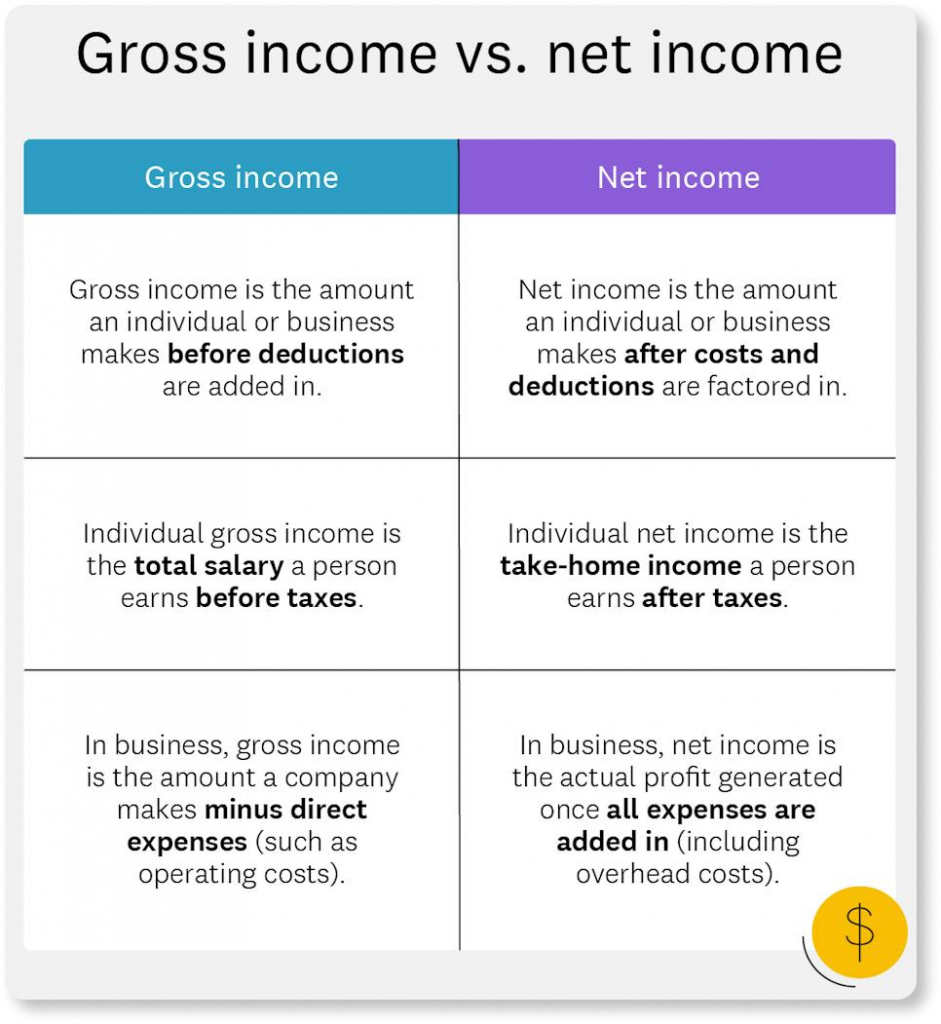
A common pitfall in personal finance is “lifestyle creep,” which often occurs when individuals begin to treat variable or supplemental income as if it were base income. Understanding the distinction is vital for long-term wealth accumulation.
Variable Pay vs. Base Pay
Variable pay includes everything from performance bonuses and stock options to side hustle earnings and freelance projects. While these sources of income are excellent for accelerating debt repayment or funding retirement accounts, they lack the inherent security of base income. Many individuals fall into the trap of financing their lives—taking on larger car payments or more expensive housing—based on a “good year” where their total compensation was elevated by one-time payments. When the bonus disappears, these individuals find themselves “house poor” or struggling to cover basic expenses.
The Concept of “Base Income” in Investment
In the realm of investing, the equivalent of base income is “passive income.” This includes dividends from stocks, interest from high-yield savings accounts, or consistent rental income from real estate properties. Just like an employee’s base salary, this income acts as a floor for an investor’s portfolio. A robust financial plan often involves growing one’s passive base income until it covers the cost of living, effectively granting the individual the freedom to choose their work rather than being forced to work for survival.
Strategies to Increase Your Base Income
While base income is characterized by its stability, it is not set in stone. Improving your base income is one of the most effective ways to increase your overall financial leverage and quality of life.
Strategic Skill Acquisition
In the corporate world, base salary is almost always tied to market value and the scarcity of your skill set. To increase your base income, you must provide more value to the organization or move to an organization that values your current skill set at a higher market rate. This often requires acquiring certifications, advanced degrees, or specialized technical skills that are in high demand.
Job Benchmarking and Negotiation
Many professionals fail to increase their base income simply because they do not understand their market value. By regularly monitoring industry reports and salary surveys, you can determine if your current base pay is lagging behind the market average. Negotiation is not just a tool for the hiring process; it is a vital career maintenance practice. Whether during annual reviews or when moving to a new role, having data on the base pay of equivalent roles is the most effective way to elevate your financial floor.
Building Diversified Foundations
For those looking to build a more resilient financial base, diversifying the sources of that base is key. This is why many financial planners encourage the “three-legged stool” approach: a primary salary, a secondary stream of dividend-paying investments, and perhaps a small, recurring service or rental revenue. By diversifying your base income streams, you ensure that if one source (such as an employer) is compromised, the floor remains intact, preventing the catastrophic loss of lifestyle that occurs when one is entirely dependent on a single source of income.

The Future of Base Income: Changing Economic Models
We are currently witnessing a shift in the traditional understanding of base income. The rise of the creator economy, the ubiquity of remote work, and the conversation surrounding Universal Basic Income (UBI) are all challenging how we define and pursue financial stability.
The traditional “9-to-5” model is no longer the sole path to a secure base income. Digital platforms now allow individuals to create “content-based” base income, where recurring subscriptions (like Patreon or Substack) provide a predictable monthly revenue stream. This represents a decentralization of the wage model. As the economy continues to shift, the definition of base income will likely expand further, moving away from purely institutional employment and toward a model of individual portfolio management.
Regardless of these shifts, the fundamental principle remains: base income is the anchor of personal finance. By prioritizing the growth of your base income and treating variable windfalls as secondary, you create a sustainable trajectory for long-term wealth. Whether you are climbing the corporate ladder, building a digital business, or diversifying your investment portfolio, keeping a close eye on your “base” ensures that you are building on solid ground rather than shifting sands. Financial health begins with understanding exactly what you can count on when the unexpected happens, and base income is the definitive answer to that question.
aViewFromTheCave is a participant in the Amazon Services LLC Associates Program, an affiliate advertising program designed to provide a means for sites to earn advertising fees by advertising and linking to Amazon.com. Amazon, the Amazon logo, AmazonSupply, and the AmazonSupply logo are trademarks of Amazon.com, Inc. or its affiliates. As an Amazon Associate we earn affiliate commissions from qualifying purchases.