
In the pantheon of global intellectual property, few names carry the immediate, visceral recognition of Barbie. For decades, the doll has transcended the toy aisle to become a cultural monolith. Yet, beneath the hot-pink aesthetic and the multi-billion-dollar cinematic success lies a masterclass in brand architecture. While most consumers simply know her as “Barbie,” her formal moniker—Barbara Millicent Roberts—is a deliberate exercise in character development and corporate identity. Understanding the origin and strategic necessity of this full name offers profound insights into how brands humanize their products to build lasting, intergenerational loyalty.

The Strategy of Personification: Beyond the Toy
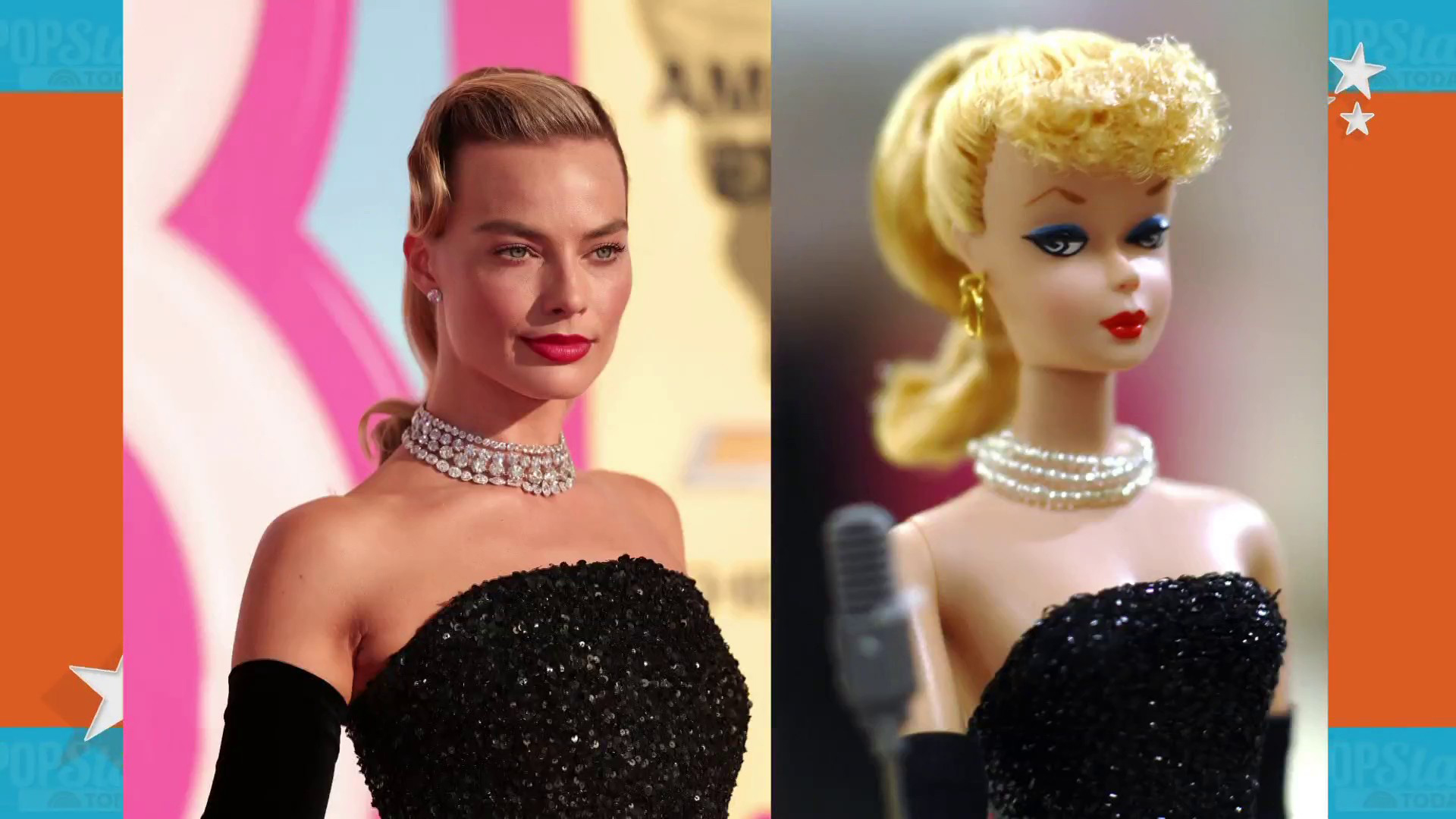
When Mattel introduced Barbie in 1959, the toy industry was dominated by baby dolls, which encouraged young girls to practice motherhood. Barbie represented a radical pivot in product strategy. By creating a teenage fashion model, Mattel shifted the focus from domestic nurturing to aspiration, identity, and personal agency.
Humanizing the Corporate Asset
Giving Barbie a full name was a strategic decision to treat the product not merely as a piece of plastic, but as a person. Barbara Millicent Roberts provides the character with a lineage, a history, and a social identity. In branding, this is known as “narrative arc integration.” By grounding an intangible brand personality in a tangible name, Mattel made it easier for consumers to project their own dreams onto the product.
When a brand creates a character with a middle and last name, it moves from being a commodity to being a companion. This transition is essential for brand longevity. It allows the character to exist in a variety of contexts—as an astronaut, a doctor, or an entrepreneur—without losing the core “self.” The name provides the anchor that connects disparate brand extensions.
The Role of Naming in Brand Recall
From a marketing perspective, the name “Barbie” is the hook, but “Barbara Millicent Roberts” is the seal of authenticity. A full name establishes a sense of permanence. It signals to the consumer that the brand has a backstory. In modern corporate identity, companies often overlook the power of internal lore. By embedding a name that implies a specific background, Barbie separates herself from “generic” toys. This is a tactic used by luxury houses and major franchises alike: the more detail a brand provides about its history and identity, the more difficult it is for competitors to replicate that unique value proposition.
The Evolution of Brand Identity and Market Positioning
The name Barbara Millicent Roberts didn’t appear overnight. It was codified in the early 1960s via a series of novels published by Random House. This move represented an early form of “transmedia storytelling,” a concept that defines modern brand strategy. Mattel understood that to scale the Barbie brand, they needed to inhabit spaces beyond the department store shelf.
Consistency as a Strategic Pillar
A brand’s identity must remain consistent even as the market fluctuates. Barbie has undergone countless physical iterations—changes in body type, skin tone, and career paths—yet the “Barbara Millicent Roberts” identity remains the constant. This is a critical lesson in corporate branding: while your aesthetic and even your primary product line may need to pivot to stay relevant, your foundational brand identity must act as the “North Star.”
By maintaining this full identity, Mattel successfully navigated the transition from a traditional manufacturing company to a lifestyle brand. When the brand expanded into film, television, and digital gaming, having a well-defined character profile meant that the brand was ready-made for adaptation. The full name became a shorthand for a vast library of traits, experiences, and social permissions.
Creating an Ecosystem of Engagement
When consumers are familiar with a brand’s “full identity,” they are more likely to participate in the ecosystem. Collectors, enthusiasts, and even casual fans engage with the lore surrounding the name. This creates a feedback loop: fans provide insights through their interest in the character’s life, and Mattel uses those insights to refine their marketing messaging. The name serves as the touchstone for this entire exchange, proving that branding is a dialogue rather than a broadcast.
The Competitive Advantage of “Named Assets”
In a saturated marketplace, the ability to differentiate is the difference between a brand that persists and one that fades. Barbara Millicent Roberts is a prime example of “intellectual property as a brand asset.” While other dolls have names, few have the structural integrity of the Barbie persona.
The Psychology of Naming
Names carry weight. “Barbara Millicent Roberts” evokes a specific mid-century American archetype—sophisticated, professional, and established. This linguistic choice was intentional. It aligns with the brand’s positioning as a premium, aspirational product. In brand strategy, the sounds, history, and associations of a name dictate how the market perceives value. A name that sounds established suggests quality and historical authority.
When businesses build their own corporate identity, they should consider whether their brand names reflect their desired market position. Is the brand approachable? Is it aspirational? Does it have a “full name” in the sense of a mission statement and a value system that supports it? Barbie provides a roadmap for how to construct a brand that feels like a living, breathing entity.
Protecting the Brand Equity
There is also a defensive component to this naming strategy. By creating a fully realized identity, Mattel created a legal and conceptual moat. It is much harder for copycats to infringe on a character that has a defined history, a middle name, and a familial legacy (such as her sisters Skipper and Chelsea) than it is to copy a generic doll.
Brand identity is the ultimate barrier to entry. When a competitor tries to launch a fashion doll, they are not just competing against a physical product; they are competing against the “Barbara Millicent Roberts” narrative—a narrative that has been refined over sixty-five years. This historical depth is nearly impossible to outsource or accelerate. It represents a significant investment in time and storytelling that protects the brand’s market share.
Lessons for Modern Brand Builders
The takeaway for modern entrepreneurs and brand strategists is clear: branding is not just about a logo or a color palette. It is about creating a coherent, compelling, and consistent identity that resonates on a human level. Whether you are building a personal brand or a corporate entity, the “full name” of your business—the story, the values, and the persona—is your greatest asset.
Constructing Your Narrative
To replicate the success of the Barbie branding model, brands must define their own “full name.” This doesn’t mean changing your company name to a person’s name, but rather ensuring that your brand has:
- A defined personality: How does your brand speak? How does it behave?
- A clear origin story: Where did your brand come from, and what problem was it created to solve?
- Values that guide expansion: Just as Barbie’s values (as a doctor, an astronaut, a friend) guide her career choices, your brand values should dictate your product and service extensions.

The Future of Identity
As we move into an era dominated by AI-driven marketing and hyper-personalized consumer experiences, the importance of a brand’s identity will only grow. Consumers are increasingly wary of faceless corporations. They want to connect with brands that exhibit human-like traits and authentic stories.
Barbie, or rather, Barbara Millicent Roberts, remains the gold standard for this type of brand building. By treating the doll as a person with a full name and a rich history, Mattel turned a piece of plastic into a global icon. In the end, the full name is more than just a piece of trivia—it is the bedrock upon which one of the most successful brand architectures in history was built. Every brand, no matter the industry, can learn from this: your name is the start, but your identity is what secures your legacy.
aViewFromTheCave is a participant in the Amazon Services LLC Associates Program, an affiliate advertising program designed to provide a means for sites to earn advertising fees by advertising and linking to Amazon.com. Amazon, the Amazon logo, AmazonSupply, and the AmazonSupply logo are trademarks of Amazon.com, Inc. or its affiliates. As an Amazon Associate we earn affiliate commissions from qualifying purchases.