
When you open your Uber app, request a ride, and glance at the fare breakdown before confirming, you likely notice a specific line item labeled “Booking Fee.” For the average passenger, this is often just another small charge added to the total cost of the trip. However, understanding what this fee actually covers, why it exists, and how it impacts your personal finances is essential for anyone who relies on ridesharing as a primary mode of transportation.
In the complex landscape of the gig economy, the booking fee is a standard component of the fare calculation. While it might seem like a simple service charge, it serves as a critical financial mechanism that helps platforms like Uber maintain their digital infrastructure, manage operational costs, and navigate the volatile landscape of urban logistics.
Decoding the Mechanics of the Booking Fee
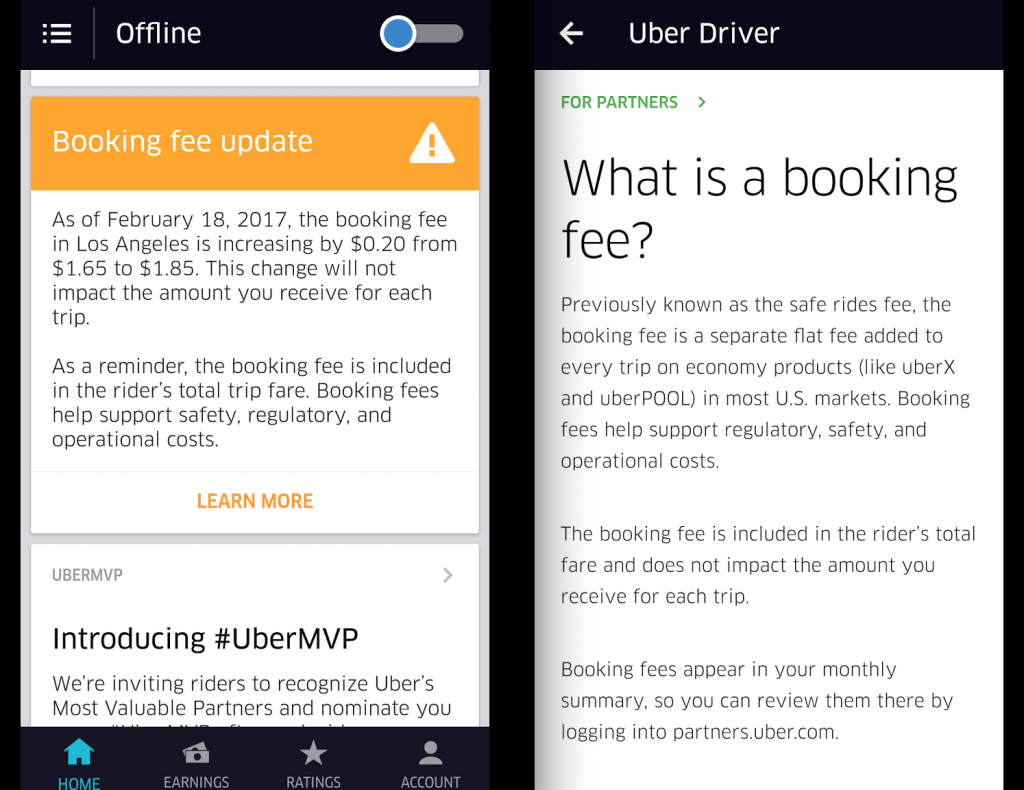
At its most fundamental level, the booking fee is a flat charge added to every Uber trip. Unlike the base fare, which fluctuates based on time, distance, and real-time demand, the booking fee is usually a fixed amount set by the platform for a specific geographic market.
What Does the Fee Actually Cover?
Many passengers mistakenly believe that the booking fee is a direct payment to the driver. In reality, this fee is retained by Uber. It is designed to offset the costs associated with the platform’s administrative and operational requirements. This includes the development and maintenance of the proprietary software that connects riders with drivers, the implementation of safety features—such as GPS tracking, emergency assistance, and background check verification—and the costs associated with providing insurance coverage for the duration of the trip.
How It Differs from Other Fare Components
To understand the financial weight of the booking fee, one must distinguish it from other variables. The base fare is the starting price of your trip. The surge pricing multiplier is a dynamic adjustment based on rider demand and driver availability. The booking fee, however, remains consistent regardless of whether you are traveling three blocks during a quiet Tuesday morning or traversing the city during a Friday night peak. By keeping this fee separate, Uber maintains a clearer distinction between the costs of maintaining the technology platform and the costs of compensating the individual drivers who provide the service.
The Financial Impact on Frequent Riders
For those who rely on Uber for their daily commute or frequent errands, the booking fee is a significant factor in your monthly transportation budget. Because this fee is applied to every individual booking, it can accumulate rapidly over time.
The Cumulative Effect of Fixed Costs
If a passenger takes four rides a week, each incurring a fixed booking fee, the total cost adds up to a substantial annual expense that is often overlooked in personal budget tracking. If you are auditing your personal finances, it is vital to treat the booking fee as a recurring service cost rather than part of the “fare.” Recognizing this allows you to see the true cost of using a third-party intermediary for your transportation needs.
Strategies for Managing Ride Costs
Smart financial management requires understanding your utility. If you are a high-volume user, the cumulative cost of booking fees across hundreds of trips per year can represent a significant percentage of your annual transit budget. To mitigate this, some frequent users look toward subscription models—like Uber One—which may offer benefits that offset these fees. When evaluating whether a subscription service makes financial sense for you, calculate your average monthly booking fee spend. If the subscription cost is lower than your annual booking fee overhead, it is a mathematically sound investment for your personal budget.

The Economic Rationale from a Corporate Perspective
From a business finance standpoint, the booking fee is a vital revenue stream for the company. It serves as a buffer against the unpredictability of the gig economy. In a business model where the primary service (the ride) is provided by independent contractors, the platform must find ways to ensure financial sustainability without solely relying on a percentage of driver earnings.
Supporting Platform Infrastructure
Maintaining a global fleet of cars requires an immense amount of capital investment in data centers, cybersecurity, and server capacity. The booking fee provides a predictable, stable cash flow that allows the company to reinvest in its technological stack. Every time you book a ride, a portion of that fee goes directly into the “engine room” of the company—the algorithmic systems that ensure cars are routed efficiently and that wait times are minimized.
Risk Management and Legal Overhead
Operating a global transportation network involves significant legal and regulatory challenges. From local taxi commission regulations to evolving labor laws, the cost of compliance is high. The booking fee helps subsidize the legal and administrative departments that work to keep the service operational in hundreds of cities worldwide. By distributing these fixed operational costs across millions of individual transactions, the company manages its financial risk while providing the consumer with a relatively low-friction user experience.
The Future of Transactional Fees in the Gig Economy
As the gig economy matures, the structure of fees is likely to evolve. We are already seeing a shift toward more transparent breakdown systems, driven both by consumer demand for clarity and by regulatory pressure for better financial disclosure.
Moving Toward Price Transparency
In the past, ridesharing fare breakdowns were opaque. Today, users demand to know exactly where their money goes. As financial literacy increases among consumers, companies are being forced to justify their service fees more clearly. We may see future models where booking fees are tiered based on service quality or loyalty, rather than being a strictly flat rate.
The Role of Competition and Alternatives
The competitive landscape of ride-hailing also plays a role in how booking fees are structured. When multiple platforms compete for the same riders, the booking fee becomes a point of differentiation. Some companies may lower their booking fees to attract price-sensitive customers, while others may emphasize high-tech features or enhanced safety protocols supported by those fees. For the consumer, this competition is beneficial, as it encourages platforms to demonstrate the value they provide for every dollar collected.

Conclusion: Balancing Convenience and Cost
The Uber booking fee is more than just a line item on an invoice; it is a fundamental element of the modern digital economy. It represents the bridge between the physical act of transport and the high-tech infrastructure that makes it possible.
For the individual passenger, the key takeaway is the importance of awareness. By acknowledging the presence and purpose of the booking fee, you can better track your personal spending and make informed decisions about your transportation habits. Whether you choose to continue using ride-sharing apps, look for subscription-based discounts, or integrate alternative transport methods to save money, the first step is always understanding exactly what you are paying for.
In an era where convenience is treated as a commodity, the booking fee is the price of the digital infrastructure that makes that convenience possible. By keeping an eye on these incremental costs, you ensure that you are staying in control of your financial health while navigating the world around you. Managing these minor fees effectively is a hallmark of disciplined personal finance, ensuring that while you benefit from the efficiency of the tech, you are never blind to the reality of the expense.
aViewFromTheCave is a participant in the Amazon Services LLC Associates Program, an affiliate advertising program designed to provide a means for sites to earn advertising fees by advertising and linking to Amazon.com. Amazon, the Amazon logo, AmazonSupply, and the AmazonSupply logo are trademarks of Amazon.com, Inc. or its affiliates. As an Amazon Associate we earn affiliate commissions from qualifying purchases.