
In the increasingly complex landscape of modern healthcare, the emergence of multidrug-resistant organisms (MDROs) represents one of the most significant challenges to patient safety and clinical efficacy. As pharmaceutical innovations struggle to keep pace with the evolutionary agility of microbial pathogens, understanding the nature, transmission, and management of MDROs has become essential for clinicians, administrators, and the public alike. At its core, an MDRO infection is not merely a biological phenomenon; it is a clinical hurdle that necessitates a rigorous intersection of diagnostic precision, infection control protocols, and systemic healthcare strategy.
The Biological Architecture of Resistance
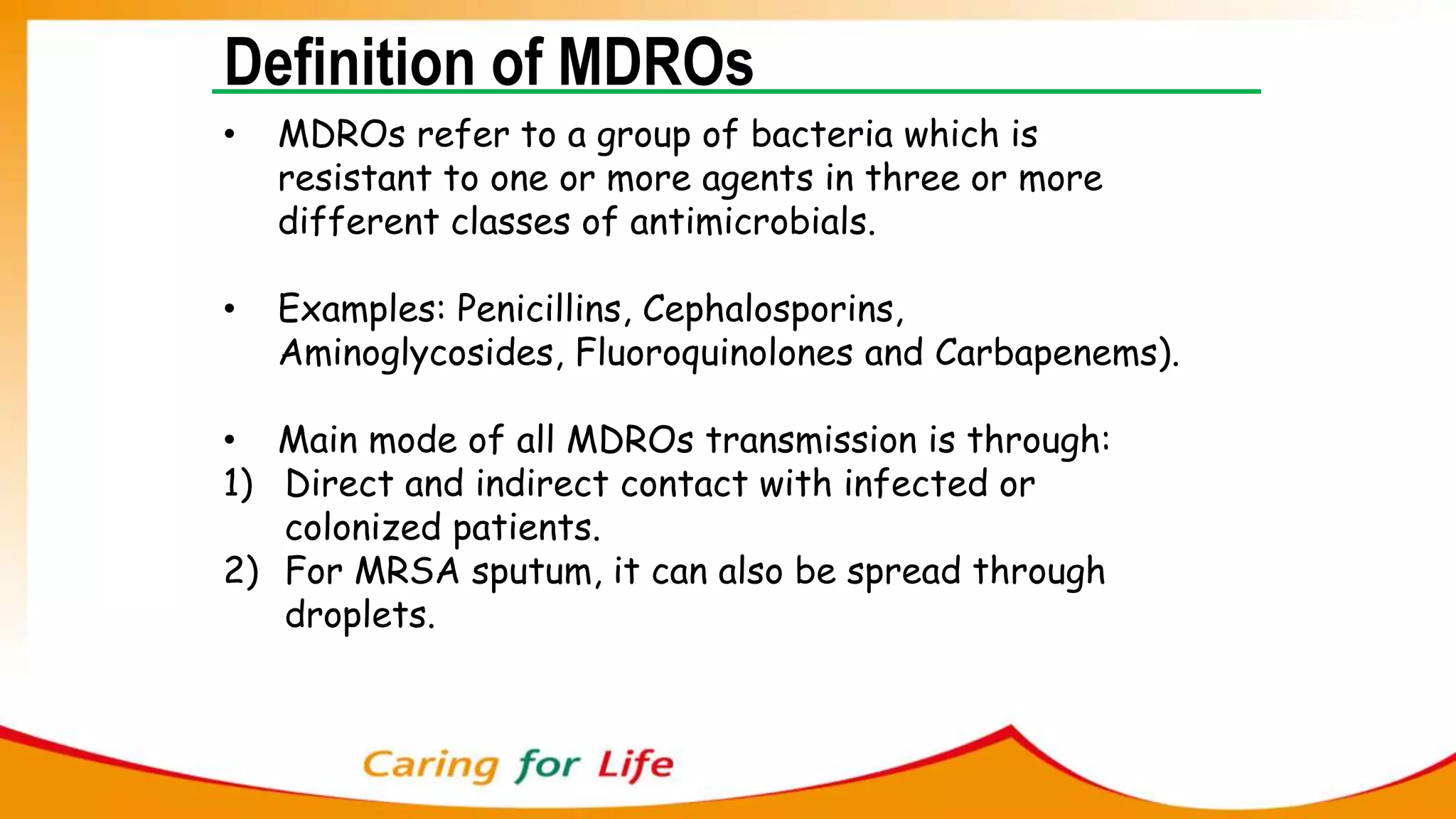
To comprehend the threat posed by MDROs, one must first look at the mechanism of antimicrobial resistance (AMR). These organisms—which include bacteria, viruses, fungi, and parasites—have developed the capacity to withstand the drugs specifically designed to neutralize them.
Genetic Adaptation and Horizontal Gene Transfer
The primary drivers of MDRO emergence are natural selection and genetic mutation. When microbes are exposed to sub-lethal concentrations of antibiotics, the most resilient individuals survive and proliferate. More critically, bacteria often engage in horizontal gene transfer, exchanging DNA sequences that encode for resistance mechanisms—such as efflux pumps that eject drugs or enzymes that degrade antibiotic compounds—with neighboring cells. This accelerates the spread of resistance within a population, turning previously treatable infections into therapeutic dead ends.
Selective Pressure in Clinical Settings
The clinical environment acts as a crucible for this resistance. High-frequency antibiotic usage, necessary for treating acute illness and enabling invasive procedures, creates an environment where susceptible organisms are eliminated, leaving behind an ecological niche dominated by resistant strains. This “selective pressure” ensures that only the most robust pathogens persist, complicating subsequent treatment plans and extending the duration of hospitalizations.
Categories of High-Risk Organisms
MDROs are not a monolithic group; they represent a diverse array of pathogens that vary in their clinical impact and their resistance profiles. Recognizing these specific groups is vital for implementing effective targeted therapies.
Gram-Negative “Superbugs”
Among the most concerning MDROs are Gram-negative bacteria such as Carbapenem-resistant Enterobacteriaceae (CRE), Acinetobacter baumannii, and Pseudomonas aeruginosa. These organisms are notoriously difficult to treat because they possess multiple layers of defense, including complex cell walls that are often impervious to common antibiotic classes. When these bacteria develop resistance to carbapenems—often considered a “last-resort” antibiotic—the clinical options become dangerously limited.
Gram-Positive Challenges
While Gram-negative organisms are often cited for their complexity, Gram-positive MDROs, most notably Methicillin-resistant Staphylococcus aureus (MRSA) and Vancomycin-resistant Enterococcus (VRE), continue to cause significant morbidity. MRSA, in particular, has transitioned from being primarily a hospital-acquired infection to one that frequently presents in community settings, complicating outpatient care and public health screening initiatives.
The Rise of Fungal MDROs
The conversation regarding resistance is shifting to include fungal pathogens, such as Candida auris. This emerging fungus has demonstrated an alarming ability to colonize clinical environments and persist on surfaces, coupled with intrinsic resistance to standard antifungal medications. The emergence of C. auris highlights the reality that resistance is a universal biological response to pharmaceutical intervention, extending far beyond the realm of traditional bacteria.

Infection Control and Institutional Strategy
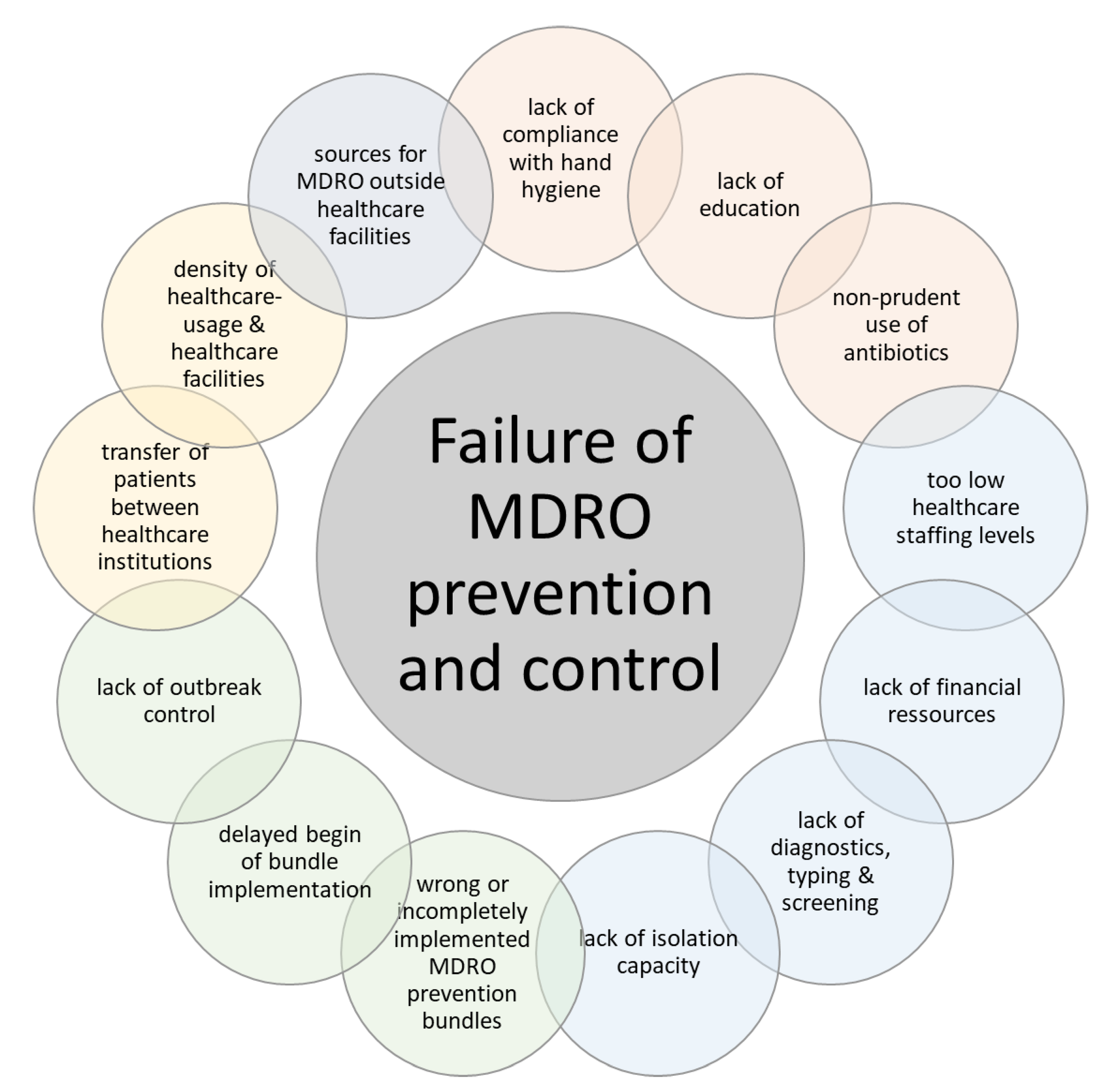
Managing MDROs requires a shift from reactive treatment to proactive prevention. Because these pathogens often occupy the surfaces and environment of healthcare facilities, the “infrastructure of care” becomes a primary focus for infection control.
The Role of Stewardship Programs
Antibiotic stewardship programs (ASPs) are the cornerstone of a modern MDRO strategy. By optimizing the selection, dosage, and duration of antimicrobial therapy, ASPs aim to reduce unnecessary selective pressure. These programs employ rapid diagnostic testing, such as PCR or genomic sequencing, to identify pathogens in hours rather than days. When a clinician can pivot from broad-spectrum empirical therapy to a narrow-spectrum targeted agent, the collateral damage to the patient’s microbiome—and the risk of promoting resistance—is significantly reduced.
Environmental Sanitation and Barrier Precautions
MDROs often survive on hospital surfaces, medical devices, and even the hands of healthcare workers. Consequently, institutional strategy must prioritize rigorous hand hygiene and terminal cleaning protocols. Barrier precautions, such as the use of dedicated equipment for colonized patients and the strategic implementation of isolation rooms, are essential to break the chain of transmission. In facilities with high MDRO prevalence, technologies such as ultraviolet (UV) light disinfection and hydrogen peroxide vapor are increasingly deployed to supplement traditional chemical cleaning, ensuring that even reservoirs of resistant microbes are neutralized.
Surveillance and Data Analytics
Data is an indispensable asset in the fight against MDROs. By tracking prevalence rates at the unit level, hospitals can identify clusters of infections before they escalate into full-blown outbreaks. Epidemiological surveillance allows for the early detection of emerging resistant clones, providing the necessary lead time to update local antibiograms—documents that guide clinicians on the susceptibility profiles of pathogens common to their specific institution.
The Future of MDRO Management
The trajectory of MDRO infections suggests that we are entering a period where traditional antibiotics may no longer be the sole solution. The future lies in a multidimensional approach that marries innovation with rigorous stewardship.
Novel Therapeutic Avenues
Research into phage therapy—the use of viruses that target specific bacteria—offers a promising, albeit currently experimental, alternative to traditional antibiotics. Similarly, the development of monoclonal antibodies and non-traditional immunotherapies aims to bolster the patient’s immune response rather than relying entirely on killing the pathogen, thereby bypassing the mechanisms of resistance that bacteria have cultivated over decades.
Global Health and Policy
MDROs do not respect geopolitical borders. Because of global travel and the international nature of the food supply chain, resistance in one part of the world can rapidly migrate to another. Policy initiatives, such as the World Health Organization’s Global Action Plan on Antimicrobial Resistance, emphasize the need for international cooperation. This includes regulating the use of antibiotics in agriculture—where low-dose, long-term exposure is a major driver of environmental resistance—and incentivizing the pharmaceutical industry to revitalize the antibiotic pipeline through public-private partnerships.
The Human Element: Education and Awareness
Finally, the clinical management of MDROs relies on the ongoing education of healthcare professionals and the public. Misconceptions regarding the utility of antibiotics for viral infections—such as the common cold or influenza—continue to drive inappropriate consumption. Promoting “antibiotic literacy” empowers patients to participate in their own care, reducing the expectation for prescriptions that offer no benefit and carry the long-term risk of fostering resistant populations.
In conclusion, an MDRO infection is a multifaceted problem that demands a departure from the “magic bullet” philosophy of mid-20th-century medicine. By viewing these infections through the lens of evolutionary biology, institutional systems management, and global policy, we can construct a more resilient healthcare architecture. While the challenge posed by resistant organisms is immense, it is not insurmountable. Through precision diagnostics, vigilant stewardship, and a commitment to evidence-based sanitation, the modern healthcare sector can mitigate the impact of MDROs, ensuring that the critical medicines we rely on remain effective for generations to come. The era of unchecked antibiotic dominance may be waning, but the era of sophisticated, systemic pathogen management has only just begun.
aViewFromTheCave is a participant in the Amazon Services LLC Associates Program, an affiliate advertising program designed to provide a means for sites to earn advertising fees by advertising and linking to Amazon.com. Amazon, the Amazon logo, AmazonSupply, and the AmazonSupply logo are trademarks of Amazon.com, Inc. or its affiliates. As an Amazon Associate we earn affiliate commissions from qualifying purchases.