
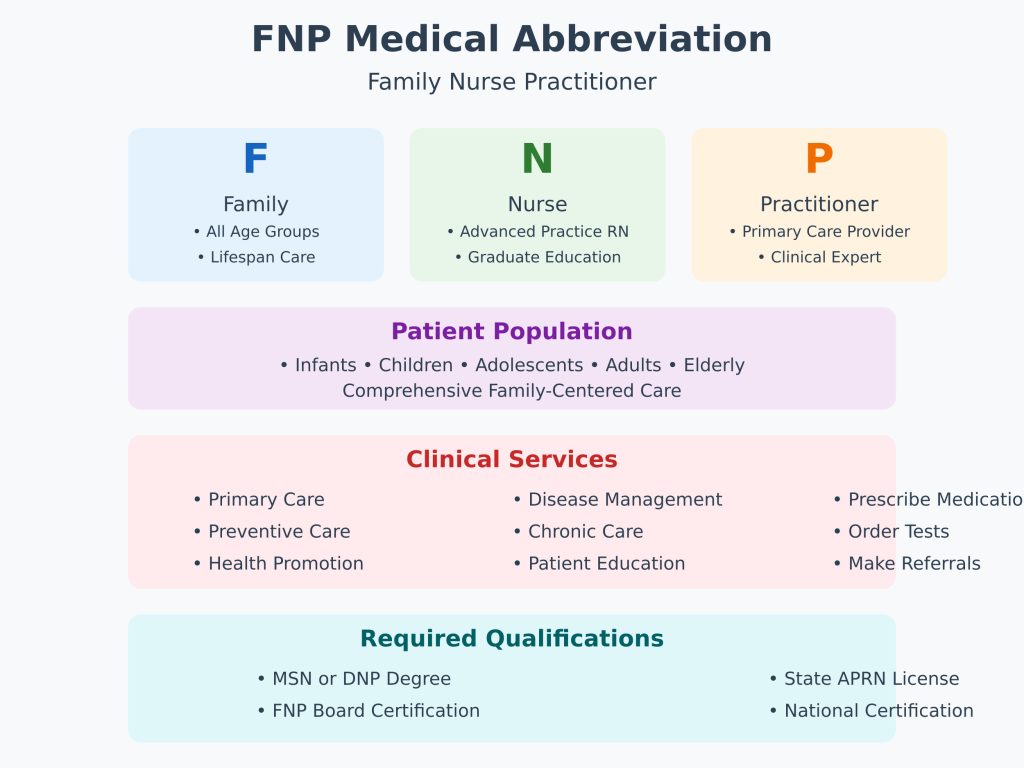
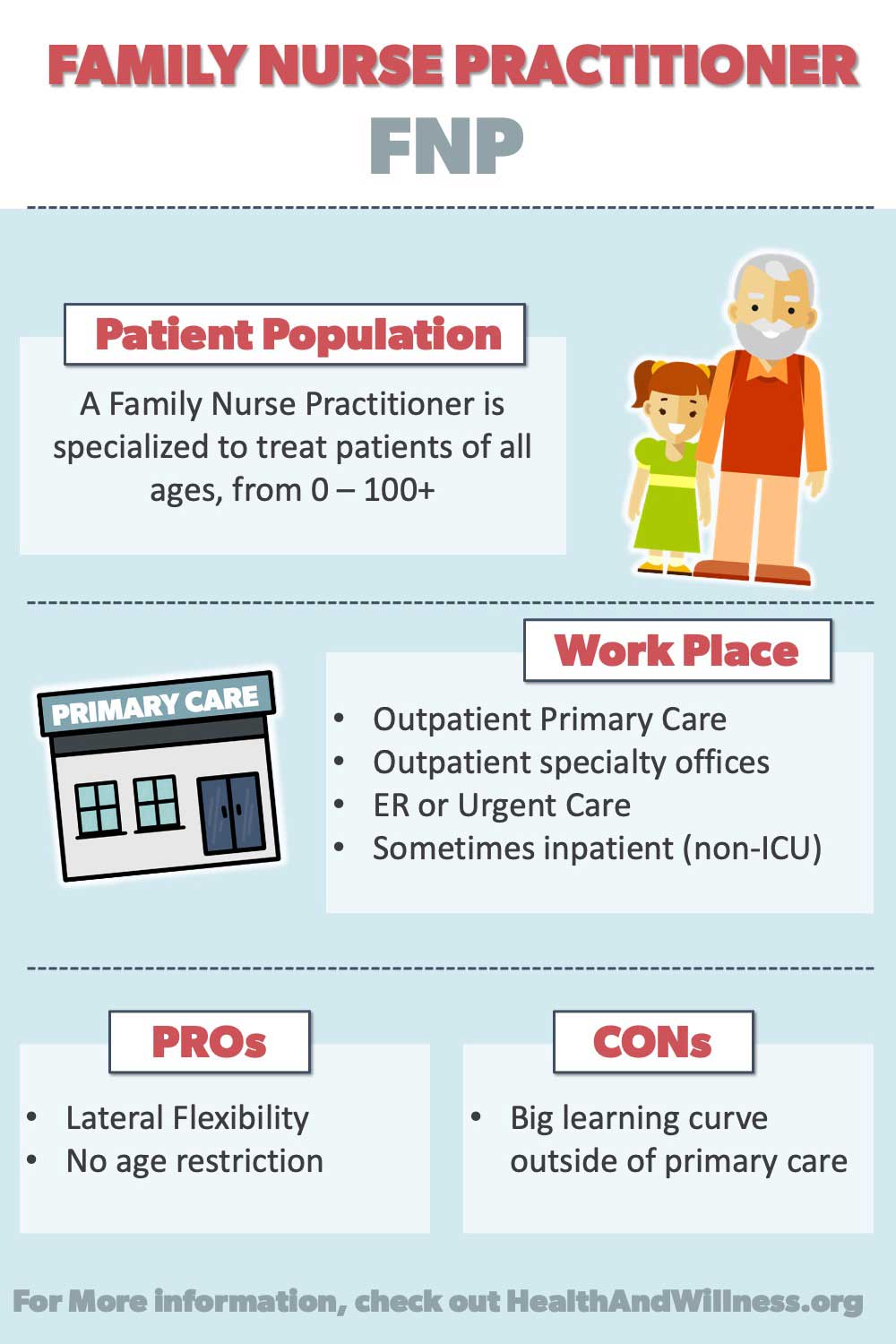
The healthcare landscape is rapidly evolving, and with it, the demand for highly skilled practitioners who can bridge the gap between bedside care and advanced clinical diagnostics. At the forefront of this shift is the Family Nurse Practitioner (FNP). For those looking to elevate their professional standing or for organizations seeking to optimize their clinical workforce, understanding the FNP role is essential. An FNP is an Advanced Practice Registered Nurse (APRN) who provides comprehensive, primary, and specialty healthcare to patients of all ages—from newborns to the elderly. Unlike general nursing roles that focus primarily on patient care delivery, the FNP occupies a unique position that blends clinical expertise with leadership, diagnostics, and patient education.

The Professional Evolution of the FNP
The transition from a Registered Nurse (RN) to an FNP represents a significant leap in clinical autonomy and responsibility. FNPs are not merely assistants; they are providers who hold the authority to diagnose illnesses, order and interpret diagnostic tests, and develop therapeutic treatment plans.
The Educational Foundation and Certification
To become an FNP, one must typically earn a Master of Science in Nursing (MSN) or a Doctor of Nursing Practice (DNP) from an accredited program. The curriculum is rigorous, focusing on advanced pathophysiology, pharmacology, and physical assessment. Beyond formal education, aspiring FNPs must pass a national board certification examination, which validates their ability to provide high-quality, evidence-based care. This certification is the professional benchmark that ensures all FNPs meet the high standards required for independent practice.
Scope of Practice and Autonomy
The scope of an FNP is defined by state regulations, which vary significantly across the United States. In some states, FNPs operate under “full practice authority,” meaning they can evaluate patients, diagnose, order and interpret tests, and initiate and manage treatments—including prescribing medications—without physician supervision. In other jurisdictions, they work in collaborative agreements with physicians. Regardless of the specific state mandate, the FNP serves as a primary point of contact for patients, often managing chronic conditions such as diabetes, hypertension, and asthma, while also addressing acute needs like infections and minor injuries.
The Strategic Importance of FNPs in Clinical Operations
In the context of healthcare management and organizational strategy, the FNP is an invaluable asset. Organizations that integrate FNPs effectively into their clinical workflows often see improved patient outcomes, higher satisfaction ratings, and increased operational efficiency.
Bridging the Primary Care Gap
The global healthcare system faces a chronic shortage of primary care physicians. FNPs are the strategic solution to this resource gap. Because they are trained to handle a vast majority of primary care issues, they allow medical facilities to extend their reach into underserved communities, reduce emergency room crowding, and ensure that patients receive preventative care before conditions become critical. This not only benefits the patient but also improves the financial sustainability of the healthcare organization.
Enhancing the Patient Experience and Continuity of Care
From a branding perspective, the FNP is often the “face” of the clinical practice. Because their model of care emphasizes a holistic approach—looking at the patient’s lifestyle, family history, and mental well-being alongside physical symptoms—they are uniquely positioned to build long-term relationships with patients. This continuity of care is a powerful tool for patient retention. When patients feel understood and have consistent access to a provider who knows their medical history, their adherence to treatment plans increases, leading to better long-term health metrics for the practice.
Economic Value and ROI for Healthcare Organizations
For executives and stakeholders in the healthcare industry, the FNP role is a cornerstone of business financial health. Understanding the economic impact of incorporating FNPs into a staffing model is vital for anyone analyzing the business side of nursing.
Cost-Efficiency and Resource Allocation
Hiring an FNP is often more cost-effective than hiring a physician for general primary care, without compromising the quality of patient outcomes. By delegating routine clinical tasks and primary management to FNPs, clinics can optimize their labor costs. This allows physicians to focus their time and expertise on more complex surgical or specialized cases, effectively maximizing the billable potential and the overall throughput of the medical facility.
Revenue Generation through Specialized Services
Beyond basic primary care, many FNPs pursue certifications in niche areas such as dermatology, endocrinology, or urgent care. By leveraging an FNP’s specialized knowledge, a clinic can offer a broader range of services, thereby diversifying its revenue streams. For instance, an FNP specializing in diabetes management can oversee a comprehensive metabolic program that generates consistent, long-term billing opportunities for the practice. When viewed through the lens of business finance, the FNP is a revenue-generating engine that enhances the practice’s value proposition in a competitive market.
The Future of the FNP: Trends and Digital Integration
The role of the FNP is not static; it is heavily influenced by the adoption of new technology and changing models of care delivery. As the healthcare industry becomes increasingly digital, the FNP is evolving to become a tech-forward practitioner.
Telehealth and the Digital Patient
The rise of telehealth has expanded the reach of the FNP significantly. Today, FNPs are at the vanguard of digital healthcare, conducting remote consultations, managing chronic care through digital monitoring devices, and providing mental health support via secure platforms. This digital proficiency is no longer optional; it is a core competency. For the modern FNP, the ability to navigate Electronic Health Records (EHRs), utilize AI-driven diagnostic tools, and interpret data from wearable health tech is essential for managing patient panels effectively.
Integrating AI and Data Analytics
As diagnostic tools become more sophisticated, FNPs are increasingly using AI-driven software to assist in identifying patterns in patient data. For example, predictive analytics can help an FNP identify which patients are at high risk for readmission, allowing for early, proactive intervention. This intersection of human clinical intuition and digital data analysis is the future of primary care. By embracing these tools, the FNP can provide faster, more accurate assessments, solidifying their reputation as both a compassionate caregiver and a data-driven clinical leader.
Building a Stronger Healthcare Ecosystem
In summary, the FNP is far more than a nurse with extra training. They are essential healthcare leaders, business assets, and primary care providers who possess the specialized skills necessary to manage the complexities of modern medicine. Whether it is through expanding access to care, optimizing clinic finances, or utilizing cutting-edge digital health tools, the FNP remains the backbone of a sustainable and patient-centered healthcare system. Organizations that recognize the strategic importance of this role will be the ones that thrive in the coming decades, as the demand for accessible, high-quality, and cost-effective care continues to climb. Understanding the FNP is the first step toward building a more robust, efficient, and compassionate future for healthcare.
aViewFromTheCave is a participant in the Amazon Services LLC Associates Program, an affiliate advertising program designed to provide a means for sites to earn advertising fees by advertising and linking to Amazon.com. Amazon, the Amazon logo, AmazonSupply, and the AmazonSupply logo are trademarks of Amazon.com, Inc. or its affiliates. As an Amazon Associate we earn affiliate commissions from qualifying purchases.